
Warm Sweet Heavenly Chocolate Sauce
The Ultimate Guide to Crafting Heavenly Warm Chocolate Sauce: Science, Technique, and Culinary Perfection
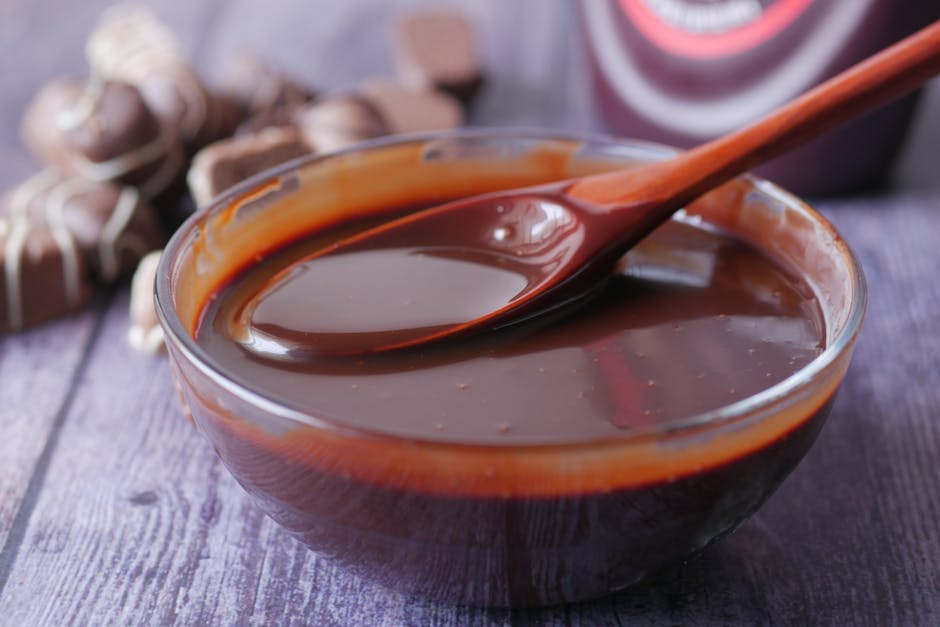
The foundation of a truly heavenly chocolate sauce lies in the delicate balance of fat, sugar, and high-quality cocoa solids. Unlike a simple melted candy bar, a professionally crafted chocolate sauce requires an emulsification process that creates a silk-like texture capable of coating the back of a spoon with precision. To achieve this, one must understand the relationship between the cocoa butter, the cream, and the sweeteners involved. When chocolate is melted, it undergoes a transformation where its crystalline structure is disrupted. By introducing a warmed liquid—typically heavy cream—you create a stable ganache-style emulsion that prevents the cocoa solids from seizing or separating, resulting in a glossy, pourable, and deeply decadent syrup that remains fluid even as it begins to cool.
Quality is the non-negotiable variable in the quest for the perfect sauce. The choice of chocolate serves as the structural integrity of the flavor profile. For a balanced sauce, look for chocolate with a cocoa percentage between 60% and 70%. Anything lower than 50% often results in a sauce that is cloyingly sweet, masking the complex, earthy undertones of the cacao bean. Anything higher than 80% introduces a bitter astringency that requires significant balancing with sweeteners. Look for chocolates with a high cocoa butter content, as this provides the luxurious "mouthfeel" associated with premium desserts. Avoid "chocolate chips" from the baking aisle when possible; these contain stabilizers like soy lecithin designed to help them hold their shape during baking, which hinders the smooth, flowing consistency required for a sauce. Instead, opt for couverture chocolate discs or high-quality bars chopped into uniform pieces to ensure even melting.
The process of tempering the cream is a critical technique often overlooked by home cooks. To create the sauce, heat your heavy cream until it just begins to simmer, marked by small bubbles forming around the edges of the saucepan. Never allow the cream to reach a rapid, rolling boil, as this evaporates the moisture content and alters the fat-to-liquid ratio, leading to a sauce that may thicken too quickly or become grainy. Once the cream is at the optimal temperature, pour it over your finely chopped chocolate and let it sit undisturbed for two to three minutes. This "steeping" phase allows the heat to penetrate the center of the chocolate pieces slowly. Only after this brief rest should you begin the whisking process, starting from the center and slowly moving outward to create a vortex that emulsifies the fat and liquid into a singular, velvety substance.
Beyond the basic ganache, complexity is achieved through the integration of aromatic enhancers. A pinch of fleur de sel is perhaps the most essential addition to any chocolate sauce, as salt acts as a flavor catalyst that heightens the natural intensity of the cacao while tempering the sweetness. Beyond salt, consider the addition of pure vanilla bean paste or extract, which provides a floral backbone that rounds out the sharper notes of the dark chocolate. For those seeking a deeper, more mature flavor profile, a small measure of high-quality espresso powder—dissolved into the hot cream before it meets the chocolate—adds a roasted depth that makes the chocolate taste "more like chocolate." Other sophisticated additions include a tablespoon of unsalted European-style butter, which adds an unparalleled sheen to the finished product, or a splash of dark rum or orange liqueur for a classic, sophisticated finish.
Achieving the perfect consistency requires an understanding of thermodynamics. A chocolate sauce’s thickness is primarily determined by the ratio of liquid (cream) to solids (chocolate). For a light, drizzling sauce perfect for fruit or crepes, a ratio of two parts cream to one part chocolate is ideal. For a thicker, fudge-like consistency intended for topping ice cream sundaes or brownies, move to a one-to-one ratio. It is vital to remember that the sauce will always be thinner while hot than it will be at room temperature or chilled. If the sauce accidentally becomes too thick, do not despair; simply whisk in a teaspoon of warm cream or milk at a time until the desired fluidity is restored. Conversely, if the sauce is too thin, it can be stabilized by gently folding in a small amount of extra melted chocolate, though this is rarely necessary if the initial measurements are precise.
The versatility of warm chocolate sauce extends well beyond simple dessert toppings. It functions as the bridge between textures in complex plated desserts, providing a thermal contrast when served alongside frozen elements like gelato or semifreddo. When integrated into a larger dessert strategy, the sauce should act as an accent rather than an overwhelming force. Consider using it as a "paint" on the plate, dragging a spoonful across the ceramic to create a canvas for a dessert, or using it as a dip for fresh, acidic fruits such as strawberries, raspberries, or orange segments. The acidity of the fruit cuts through the richness of the chocolate, cleansing the palate and preparing it for the next bite. Furthermore, warm chocolate sauce can be used to elevate simple breakfast items; a drizzle over sourdough waffles or overnight oats transforms an everyday meal into an indulgent treat.
Storing and reheating chocolate sauce is a skill in itself. Because the sauce is an emulsion of fat and liquid, it is susceptible to temperature shock. When stored in the refrigerator, the sauce will solidify completely. When reheating, avoid the microwave, which can create hot spots that cause the cocoa butter to separate and the sauce to become "broken" or oily. Instead, use a double boiler (a bowl set over a pot of simmering water) or a small saucepan over the lowest possible heat setting. Stir constantly to maintain the emulsion. If the sauce does happen to separate—a common occurrence if it becomes too hot—do not discard it. You can often bring it back together by vigorously whisking in a tablespoon of cold cream or even a tiny splash of hot water. The sudden temperature differential and the influx of liquid act as an emulsifying bridge that pulls the separated fat back into the sauce.
The aesthetic presentation of chocolate sauce is a hallmark of professional pastry. For a high-gloss finish, the temperature is the primary factor. The sauce should be warm—ideally around 100°F to 110°F—when served. At this temperature, the cocoa butter is fully melted and fluid, reflecting light to provide that signature "mirror" shine. To elevate the presentation, ensure your serving vessels are pre-warmed. Placing a cold metal spoon into a hot sauce causes the sauce to cool instantly upon contact, dulling the sheen and creating a thick, clumping texture. Use a ceramic or glass pitcher for serving, which retains heat longer than stainless steel, and consider garnishing the sauce with a dusting of cocoa powder, crushed sea-salted almonds, or even micro-mint leaves to provide visual contrast and a freshness that offsets the intensity of the chocolate.
When choosing between milk, white, or dark chocolate for your sauce, remember that the sugar content differs significantly. Milk chocolate sauces are inherently sweeter and require less added sugar, often working better with the addition of a bitter element like brewed coffee to prevent them from becoming one-dimensional. White chocolate sauce, while technically not cocoa-based in the traditional sense, requires a careful hand; it is incredibly sensitive to heat and will curdle at temperatures that would be perfectly safe for dark chocolate. If preparing a white chocolate sauce, keep the heat lower and consider adding a drop of lemon juice or zest to cut through the extreme sweetness and mimic a cheesecake-like flavor profile. Dark chocolate remains the gold standard for versatility, providing the most robust platform for creative additions like chili flakes, cardamom, or even smoked sea salt.
In conclusion, the mastery of warm chocolate sauce is a journey of refinement. It is about understanding the molecular interactions of the ingredients and treating them with the respect they deserve. By focusing on high-quality sourcing, precise temperature control, and the thoughtful application of flavor enhancers, you elevate a simple pantry staple into a culinary experience. Whether drizzled over a simple scoop of vanilla bean ice cream or acting as the anchor for an intricate, multi-layered entremet, the sauce serves as the ultimate expression of indulgence. It requires patience and a gentle touch, but the result—a glossy, rich, and soul-satisfying pour of liquid chocolate—is the cornerstone of any great pastry repertoire. Master the emulsion, respect the heat, and you will unlock the potential to transform any dessert into a masterpiece of warmth and decadence.
