
Amazing Dresser Turned Tv Stand Makeover
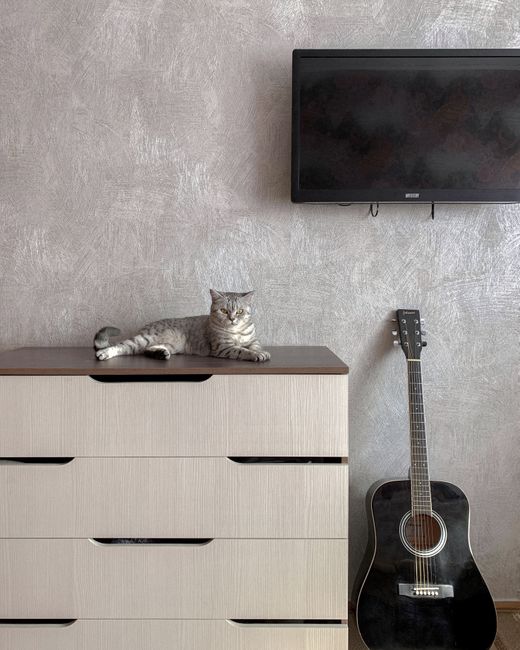
The Ultimate Guide to Transforming an Old Dresser into a Stunning TV Stand
Upcycling furniture is one of the most rewarding DIY projects a homeowner can undertake. Among the various pieces that can be repurposed, an old wooden dresser is arguably the best candidate for a TV stand conversion. Not only do you get a custom-built media console that fits your aesthetic perfectly, but you also gain invaluable hidden storage for gaming consoles, streaming devices, remote controls, and physical media. Unlike mass-produced entertainment centers that often look cheap or flimsy, a refurbished dresser offers solid wood construction, character, and a unique focal point for your living room. This comprehensive guide details the technical process of selecting the right piece, executing the structural modifications, and achieving a high-end finish.
Selecting the Ideal Dresser Base
Before picking up a screwdriver, you must source the right furniture. Not every dresser is suitable for a TV stand. Ideally, you want a piece that is between 24 and 30 inches tall—this is the ergonomic "sweet spot" for comfortable television viewing from a sofa. If the dresser is too low, you will experience neck strain; if it is too high, you will be looking up, which is unnatural for long-term viewing.
Measure the length of your television’s stand or the TV itself if you plan on wall-mounting it. Ensure the dresser is wider than the TV to maintain visual balance. In terms of materials, look for solid wood (oak, maple, or mahogany) rather than particleboard or laminate. Particleboard is notoriously difficult to modify because screws often strip the material, and it does not take paint or stain as well as solid wood. Check for structural integrity: pull the drawers out to see if the runners are intact and ensure the frame isn’t wobbling. A dresser with sturdy bones is worth a higher price tag at a thrift store or yard sale.
Structural Modifications for Media Components
The primary challenge in converting a dresser into a media console is ventilation and cable management. Modern electronics, such as gaming consoles and cable boxes, generate significant heat. If you place them inside a closed drawer, they will overheat and eventually fail.
The best approach is to remove the top drawer entirely. This creates a wide, open shelf perfect for a soundbar or streaming devices. If the dresser features a center support piece (a vertical divider) between drawers, you may need to use a reciprocating saw or a jigsaw to carefully cut it out to create a large open bay. Once the opening is clear, sand the raw edges smooth.
For cable management, you must cut a hole in the back panel of the dresser. If the back is made of flimsy plywood, this is easy. Use a hole saw bit attached to a power drill to create clean circular openings behind each media component location. If you are worried about unsightly cords, consider installing a rubber cable grommet to give the opening a finished, professional appearance. This keeps your wiring organized and prevents tangles.
Prepping the Surface for Success
The finish of your project depends entirely on your preparation. Skipping steps here will result in peeling paint or a streaky finish. Begin by removing all hardware—drawer pulls, knobs, and hinges. Use a degreaser like TSP (Trisodium Phosphate) to remove decades of furniture wax, oils, and grime. If you skip the degreasing step, the paint will not adhere, and your finish will eventually flake off.
Once the surface is clean, assess the finish. If the existing varnish is in good shape, a light sanding with 120-grit sandpaper is sufficient to "scuff" the surface so the new primer can bite. If the dresser has deep scratches or gouges, use a wood filler to level the surface. Allow the filler to dry completely, then sand it flush with the surrounding wood. After sanding, wipe away all dust with a tack cloth or a damp microfiber rag. If you leave dust behind, it will get trapped in your paint and create a gritty, unprofessional texture.
Choosing Your Finish: Paint vs. Stain
The aesthetic direction you choose depends on the condition of the wood. If the piece is made of high-quality, beautiful wood with interesting grain, consider stripping it down to the bare wood and applying a wood stain. A rich walnut or deep espresso stain paired with matte black hardware creates a modern, sophisticated look that fits perfectly in contemporary homes.
If the dresser has seen better days or has mismatched wood patches, paint is your best friend. For a TV stand, use a high-quality furniture paint, such as a chalk-style paint or a dedicated enamel cabinet paint. These are designed to be durable and resistant to the dings and scratches that TV stands often endure. When painting, use a high-density foam roller for large flat areas and an angled synthetic brush for corners and trim. Apply two to three thin coats rather than one thick coat, and always allow for full drying time between layers.
Addressing the Drawers
You have three options for the drawers: keep them all, remove the top ones, or turn them into false fronts. If you want to keep the storage but ensure ventilation, you can replace the solid wood panels of the drawer fronts with decorative metal mesh or cane webbing. This allows air to circulate and infrared signals from your remote to reach your devices while still concealing the clutter inside.
To achieve this, use a jigsaw to cut out the center panel of the drawer face, leaving a 2-inch frame. Staple your chosen mesh or cane to the inside of the frame, then reattach the drawer. This adds a texture-rich, high-end designer element that elevates the piece from a simple DIY project to a luxury-looking console.
Installing Hardware and Final Touches
Hardware is the jewelry of your furniture. Once your paint or stain has cured (wait at least 48 hours for the finish to fully harden), it is time to install your pulls. If you are upgrading from old, dated hardware, be sure to measure the "center-to-center" distance of the original holes. If your new hardware doesn’t match the old hole spacing, use wood filler to plug the existing holes, sand them smooth, touch up the paint, and drill new holes for your modern hardware. Brushed brass, matte black, or polished nickel are excellent choices depending on your room’s color palette.
To give your TV stand a "built-in" look, consider adding legs. Many vintage dressers sit directly on a plinth or small, stubby wooden feet. Replacing these with mid-century modern tapered wooden legs or sleek metal hairpin legs can instantly lift the profile of the piece, making the room feel larger and more open. Just ensure the legs you choose are rated to support the weight of a heavy dresser and a television.
Caring for Your New Media Console
Now that your project is complete, maintenance is key to longevity. Since this piece will be in a high-traffic area, apply a clear protective topcoat. For painted surfaces, a water-based polyurethane is ideal as it won’t yellow over time. For stained wood, a wax finish or a satin-finish wipe-on poly works best.
Every few months, check the internal cable management and clear out any dust that may have accumulated around your electronics. Proper airflow is essential for the lifespan of your gadgets. If you notice any small scratches from moving remotes or consoles, keep a small jar of your touch-up paint or stain handy.
By repurposing an old dresser, you haven’t just saved a piece of furniture from the landfill—you have created a unique, functional, and deeply personal piece of decor. The time you invested in sanding, painting, and modifying is reflected in the quality of the finish and the functionality of the storage. Your home is now adorned with a one-of-a-kind entertainment unit that tells a story and serves as the perfect foundation for your home theater setup. Whether you went for a bold modern look or a rustic farmhouse aesthetic, you have successfully mastered one of the most rewarding DIY furniture flips in the industry.
