
If You’ve Heard of Billionaire Bryan Johnson, You’ve Likely Encountered the Phrase “Bio Age Testing.”

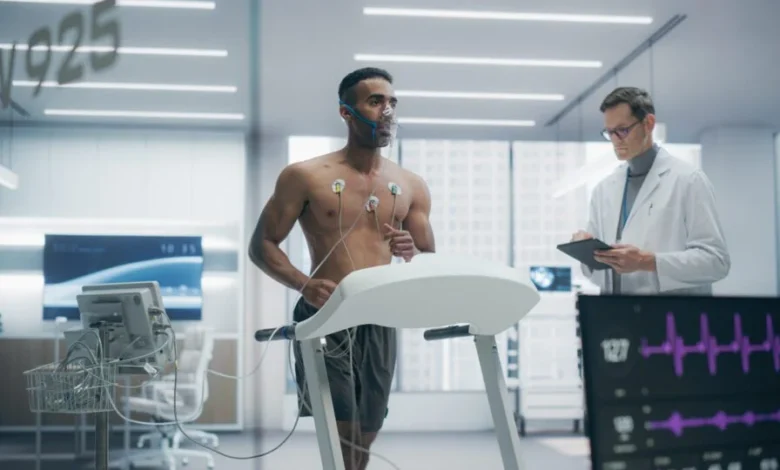
Billionaire entrepreneur Bryan Johnson has become a prominent figure in the burgeoning field of longevity science, largely due to his highly publicized and meticulously documented efforts to reverse his biological age. The subject of the Netflix documentary Don’t Die, Johnson openly shares his quest to achieve the lowest possible “biological age,” a metric distinct from one’s chronological age. This pursuit involves an extraordinary regimen and a significant annual investment, reportedly millions of dollars, in a wide array of anti-aging treatments. These include dozens of daily supplements, weekly acid peels, collagen-boosting injections, hyperbaric oxygen therapy, and even plasma infusions sourced from his 17-year-old son.
Johnson’s journey has brought the concept of “bio age testing” into mainstream consciousness. He claims these tests indicate a biological age 5.1 years younger than when he began his anti-aging protocols, suggesting he is, in essence, aging in reverse. However, these claims have not gone unchallenged. A New York Times exposé, for instance, presented a conflicting narrative, alleging that Johnson’s biological age had, in reality, increased by 10 years, highlighting the nascent and sometimes controversial nature of this field. Despite such skepticism, Johnson’s “don’t die” crusade continues to gain traction, fueling a broader public interest in biological age assessment.
The topic of bio age tests is frequently discussed on popular podcasts hosted by figures like Peter Attia, Joe Rogan, and Andrew Huberman. A simple online search for “bio age testing” reveals a multitude of advertisements for mail-order blood or urine testing kits, promising to unveil one’s biological age, pace of aging, and more. With the perceived affordability of these tests increasing, it’s natural for individuals and health professionals to question their utility: should one invest in bio age testing, which test is most reliable, and critically, how should the results inform one’s health strategy?
Understanding Biological Age: Beyond the Candles on the Cake
Your biological age, or "bio age," refers to the functional state of your cells, tissues, and organs, reflecting the wear and tear accumulated over time. It stands in contrast to your chronological age, which is simply the number of years you’ve been alive. The distinction is crucial because two individuals of the same chronological age can exhibit vastly different biological ages due to genetic predispositions, environmental factors, and lifestyle choices.
Consider two 50-year-old men: Chang, who works a sedentary desk job, spends his evenings in front of the television, resides in a highly polluted urban environment, consumes processed foods, and smokes. In stark contrast, Jabari, also 50, exercises several times a week, lives in a pristine mountainous region, abstains from smoking, enjoys a diet rich in vegetables, practices meditation, and dedicates time to gardening. While genetics play a role, it is a reasonable inference that Jabari’s biological age would be considerably younger than Chang’s, illustrating how lifestyle profoundly impacts cellular health and aging.
The Scientific Underpinnings: How Bio Age is Measured
Bio age testing kits endeavor to quantify biological aging by measuring specific biological markers, or biomarkers. These markers provide insights into cellular function and damage. Historically, the scientific community has investigated various biomarkers to understand the aging process, leading to the development of sophisticated diagnostic tools.
One prominent area of focus is telomere length. Telomeres are protective caps found at the ends of chromosomes, shielding them from degradation during cell division. As cells divide, telomeres naturally shorten. Critically short telomeres can trigger cellular senescence (where cells stop dividing) or apoptosis (programmed cell death), processes intimately linked to aging and age-related diseases. Longer telomeres are generally associated with a younger biological age and greater cellular longevity.
Another key biomarker is DNA methylation, a physiological process involving the addition of methyl groups to DNA molecules. These epigenetic modifications can alter gene expression without changing the underlying DNA sequence. Specific patterns of DNA methylation have been strongly correlated with chronological age, leading to the development of "epigenetic clocks" such as the Horvath Clock and DunedinPACE. These clocks analyze methylation patterns at various genomic sites to estimate an individual’s biological age and even their pace of aging (how quickly they are biologically aging).
Companies offering commercial bio age tests typically collect blood or urine samples to isolate and measure these or other biomarkers. The collected data is then fed into proprietary algorithms to calculate an estimated biological age. It is important to note, however, that while these advanced tests are gaining popularity, many routine medical tests already track biomarkers relevant to aging. For example, standard blood pressure readings, cholesterol levels (LDL, HDL, triglycerides), and blood glucose levels are crucial indicators that predict the risk of cardiovascular disease and metabolic disorders, both significant contributors to premature aging and mortality.
The Purpose of Biomarker Testing: Proactive Health Management
The primary rationale behind biomarker testing extends beyond mere curiosity; it serves as a tool for proactive health monitoring and personalized wellness. Rather than waiting for overt disease symptoms to manifest, individuals can utilize biomarker data to track their health trajectories and identify potential risks earlier.
For many, biomarker results can act as a powerful motivator. Discovering that one’s bone density resembles that of someone significantly older, for instance, might provide the necessary impetus to adopt a consistent strength training regimen. Similarly, an unfavorable lipid profile could prompt dietary changes and increased physical activity.
Furthermore, biomarkers offer objective, quantitative data, enabling individuals to track and evaluate the efficacy of various health interventions. By consistently monitoring blood pressure, one might observe that regular exercise contributes to its reduction, while a late-afternoon energy drink has the opposite effect. This data-driven approach allows for more informed decision-making regarding lifestyle modifications, supplement protocols, and medical treatments.
Accessible Insights: Five Free Biomarker Tests for Longevity
One does not require a billionaire’s budget to gain insights into their biological age. Before the advent of high-tech, blood-based assays, researchers relied on a suite of simple, scientifically validated physical tests to assess the pace of aging. These tests remain invaluable for their accessibility and ability to provide a foundational understanding of one’s physical health.
1. The Sitting-Rising Test (SRT): Strength, Balance, and Mobility
Physical fitness and strength are strongly correlated with longevity. Muscles, beyond their role in movement, secrete anti-inflammatory substances, regulate blood sugar, slow cellular aging, and protect arterial linings, thereby mitigating the risk of age-related diseases like type 2 diabetes, hypertension, and heart disease. Balance is equally critical; studies show that middle-aged or older adults unable to stand on one foot for at least 10 seconds face double the risk of mortality within seven years.
The SRT effectively assesses both strength and balance. To perform the test, lower yourself to the floor into a crisscross leg position, then stand back up maintaining the same leg position. Start with a score of 10. Deduct one point for each body part (hand, shin, knee) used for leverage. Subtract half a point for any unsteadiness or loss of balance. A lower score indicates potential deficiencies in balance, coordination, muscle strength, power, and mobility, warranting attention. Low scores have been linked to a higher risk of cardiovascular disease mortality in a 12-year study of adults aged 46-75.
2. Grip Strength: A Window into Overall Muscular Health
Similar to the SRT, grip strength serves as a reliable proxy for overall fitness. Weakness in the hand muscles often correlates with generalized muscle weakness throughout the body. Moreover, poor grip strength can predict future functional decline; a study found that individuals with weak grips were more likely to experience slow walking speeds, difficulty rising from a chair, inability to perform rigorous housework, or climb stairs 25 years later. Low grip strength has also been associated with an increased risk of all-cause mortality, cardiovascular disease, stroke, and fractures. Remarkably, one study suggested grip strength might be a better indicator of longevity than blood pressure.
To measure it, grasp a standard tennis ball and squeeze it as hard and long as possible. Sustaining a squeeze for 15-30 seconds is considered satisfactory, while 90 seconds places one in the upper-third percentile. Scores below 15 seconds suggest potential areas for improvement in overall strength. More precise measurements can be obtained using a hand-held dynamometer, often available at occupational therapy clinics or some gyms.
3. One-Foot Stand: Balance and Systemic Health
The ability to balance on one foot for an extended period is a crucial indicator of neuromuscular control and systemic health. Good balance reduces the risk of falls, a leading cause of injury-related death in older adults. Achieving balance requires the coordinated effort of multiple bodily systems, including the eyes, inner ear (vestibular system), skeletal muscles, and brain. Compromises in any of these systems, often due to conditions like diabetes, heart disease, or cancer, can impair balance. Thus, an inability to maintain a one-foot stand can serve as an early warning sign of deteriorating health and fitness.
| To perform the test, stand near a wall or chair for safety, with eyes open and hands on hips. Lift your dominant leg and time how long you can hold the position. Repeat with the non-dominant leg. Compare your times to age-matched averages, such as those from a Duke University study: | Age | Seconds on one leg (males) | Seconds on one leg (females) |
|---|---|---|---|
| 30-39 | 59 | 56 | |
| 40-49 | 56 | 55 | |
| 50-59 | 42 | 48 | |
| 60-69 | 40 | 38 | |
| 70-79 | 27 | 25 | |
| 80+ | 13 | 11 |
4. The Pittsburgh Fatigability Scale: Assessing Energy and Vitality
Distinguishing between transient tiredness and persistent fatigue is essential. While tiredness dissipates with rest, fatigue describes a chronic, worsening exhaustion that impairs daily life, encompassing physical, mental, and emotional drain. Unexplained fatigue often signals an underlying issue. After ruling out common culprits like insufficient sleep, dehydration, excessive caffeine or alcohol, medication side effects, or chronic stress, persistent fatigue may indicate a developing health problem such as anemia, obesity, depression, cancer, or diabetes.
For individuals aged 60 and older, fatigability—the perceived effort or weariness after an activity—is a significant predictor of longevity. Research from the University of Pittsburgh Medical Center has linked higher fatiguability scores to an increased risk of future mortality, as well as declines in gait speed and walking ability.
The Pittsburgh Fatigability Scale helps measure this. Rate your anticipated fatigue (0 = no fatigue, 5 = extreme fatigue) after specific activities like leisurely walking for 30 minutes, brisk walking for an hour, light household activity for an hour, heavy gardening for an hour, watching television for two hours, sitting quietly for an hour, moderate-to-high intensity strength training for 30 minutes, participating in a social activity for an hour, hosting a social event for an hour, and high-intensity activity for 30 minutes. Sum your scores. A total below 15 is considered good, 15-24 a warning sign, and 25 or above is severe, warranting consultation with a healthcare professional.
5. Body Composition: Muscle, Fat, and Metabolic Health
Body composition, the ratio of fat to lean mass (muscle, bone, water), is a more critical health indicator than mere body weight. Both excessive and insufficient body fat can adversely affect health. High levels of body fat, particularly visceral fat around organs, increase the risk of heart disease, high blood pressure, cancer, fatty liver disease, insulin resistance, type 2 diabetes, inflammation, joint pain, and sleep apnea. Conversely, low muscle mass (sarcopenia) raises the risk for heart disease, high blood pressure, cancer, stroke, insulin resistance, faster cellular aging, inflammation, depression, anxiety, falls, and loss of balance.
While gold-standard methods like underwater weighing, Bod Pod, and DEXA scans are costly, a recent study validated the accuracy of a simple tape measure for estimating body composition. To use this method, measure your waist, hip, and neck circumference. Input these measurements, along with your age, sex, height, and weight, into a reliable online body fat calculator to obtain an estimated body fat percentage.
Clinical Perspectives: Doctor-Approved Biomarker Tests
Beyond the free assessments, several doctor-approved tests, often covered by insurance as part of routine preventative care, provide invaluable insights into biological aging and disease risk.
1. Comprehensive Blood Panel: Monitoring Metabolic and Cardiovascular Health
Annual blood work recommended by primary care physicians is foundational for preventative health. These tests monitor key blood markers that indicate trends toward type 2 diabetes, heart disease, and other conditions—leading causes of premature mortality. Many of these markers are responsive to lifestyle changes (within 6-12 weeks), making them practical tools for tracking the efficacy of interventions.
| Key blood markers and their optimal ranges: | Blood marker | Optimal range |
|---|---|---|
| Total cholesterol | < 200 mg/dL* | |
| LDL | < 100 mg/dL for those without heart disease; < 70 mg/dL for those with a history of heart attack or stroke | |
| HDL | > 60 mg/dL | |
| Triglycerides | < 150 mg/dL | |
| Apolipoprotein B (Apo B) | < 133 mg/dL (males); < 117 mg/dL (females) | |
| Lipoprotein (a) | < 30 mg/dL | |
| C-reactive protein | < 2.0 mg/L** | |
| Fasting glucose | < 100 mg/dL | |
| Hemoglobin A1C | < 5.7% |
*Milligrams per deciliter of blood; **Milligrams per liter
These markers, in conjunction with blood pressure, are often used by healthcare professionals to calculate a cardiovascular disease risk score, offering a holistic view of future health risks.
2. Bone Density (DEXA) Scans: The Foundation of Skeletal Health
Strong bones are a hallmark of healthy super-agers, individuals living into their 90s and beyond with minimal disease. Bones are metabolically active organs that secrete substances like osteocalcin, a hormone involved in bone remodeling, ATP production in muscles, and regulation of brain neurotransmitters. Declining osteocalcin levels, theorized to occur with bone loss, may contribute to age-related problems such as diabetes, sarcopenia, and cognitive decline (though much of this research is in animal models).
More directly, loss of bone density (osteoporosis) significantly increases the risk of fractures, which can elevate mortality risk for up to a decade post-injury. Monitoring bone health is particularly vital for individuals in high-risk categories: those over 65, post-menopausal women, individuals with a family history of osteoporosis, those on certain medications (e.g., corticosteroids), and those with specific medical conditions (e.g., celiac disease, inflammatory bowel disease).
Dual-energy X-ray absorptiometry (DEXA) scans are the gold standard for measuring bone mineral density (BMD). While often not covered by insurance for those under 65 without documented osteoporosis risk (costing around $300 out-of-pocket), DEXA provides a T-score. A T-score between +1.0 and -1.0 indicates normal BMD. Scores below -1.0 suggest osteopenia (low BMD) or osteoporosis (porous bones prone to fracture), necessitating interventions to preserve skeletal health.
Advanced Bio Age Testing: Commercial Offerings and Their Nuances
For those willing to invest, a range of high-tech commercial tests promise deeper insights into biological aging. However, it is crucial to approach these with a discerning eye, understanding their limitations and current scientific standing.
Caveats to Commercial Bio Age Testing:
- Variability and Organ-Specific Aging: Biological age is not static; it can fluctuate with periods of stress or recovery. Moreover, different organs can age at different rates (e.g., a liver might age faster than a heart). Not all commercial tests provide organ-specific aging insights.
- Reliability vs. Behavior: Current commercial tests may not always accurately reflect the impact of positive lifestyle changes. Focusing on proven health behaviors remains paramount, regardless of isolated test results.
- Beware of Hard Sells: Be cautious if test results are immediately followed by a push for proprietary, expensive supplement protocols. It is always best to discuss results with a trusted healthcare professional.
1. DNA Methylation Tests: Epigenetic Clocks
DNA methylation, a key epigenetic mechanism, profoundly influences gene expression and is closely tied to the aging process. The rate of methylation changes with age, making it a powerful tool for estimating biological age and even predicting life expectancy. Scientists developed epigenetic clocks like the Horvath Clock, PhenoAge, GrimAge, and DunedinPACE to study the effects of lifestyle, environment, and medicine on aging. While not initially designed for direct consumer use, companies now offer DNA methylation testing kits to the public, typically costing around $300.
These tests, usually performed on blood samples, provide an estimate of an individual’s "epigenetic age." DunedinPACE, in particular, aims to measure the pace of aging, offering a dynamic view rather than a static age snapshot. However, it’s vital to remember that these tests typically analyze methylation patterns from a single tissue (e.g., blood), offering a limited view of systemic aging. A DNA methylation test is not a substitute for comprehensive annual medical check-ups and routine blood work, which provide a broader picture of organ function and disease risk. The scientific community is still working to fully understand the clinical utility and actionable insights derived from these advanced epigenetic measures for the general population.
2. Telomere Analysis: Cellular Longevity
Telomeres, the protective caps of chromosomes, shorten with each cell division, a process associated with cellular aging and senescence. Abnormally short telomeres are a hallmark of certain genetic diseases, for which physicians may order a specialized "flow-FISH test" to measure telomere length across various blood cells.
However, the utility of telomere tests in predicting aging in otherwise healthy individuals remains debated. The "qPCR telomere test," widely marketed to the public for around $100, is not a method typically employed in research or clinical medicine due to concerns about its accuracy and reproducibility. While it may satisfy curiosity, health and fitness decisions should not be based solely on these commercial telomere test results.
3. VO2 Max: The Gold Standard of Cardiorespiratory Fitness
For years, VO2 max, the maximum amount of oxygen the body can utilize during intense exercise, was primarily a concern for elite athletes. More recently, however, it has emerged as a robust measure for tracking the rate of biological aging in both athletic and general populations. High VO2 max is not only indicative of superior physical fitness but is also strongly associated with a reduced risk of heart disease, diabetes, cancer, and stroke.
An observational study tracking 5,107 Danish men over 46 years found that those with above-average VO2 max in middle age lived, on average, five years longer than their peers with below-average VO2 max. Each unit increase in VO2 max correlated with a 45-day increase in longevity. Researchers have even suggested that VO2 max may predict all-cause mortality more accurately than traditional risk factors like high cholesterol, obesity, high blood pressure, and insulin resistance. It can be thought of as a "canary in the coal mine" for the aging body.
As individuals age, physiological changes—such as increased chest wall rigidity, weakening respiratory muscles, calcified and less elastic blood vessels, reduced cardiac contractile force, declining maximal heart rate, muscle mass loss, and decreased mitochondrial efficiency—all contribute to a natural decline in VO2 max, typically around 10% per decade starting at age 30.
Measuring VO2 Max:
- Laboratory Testing: The most accurate method involves specialized fitness labs where individuals wear a metabolic mask and heart monitor while exercising to exhaustion on a treadmill or bike. This measures expired carbon dioxide and oxygen intake, providing precise VO2 max and other metrics like lactate threshold and fat-burning zones. Costs typically range around $150.
- 1-Mile Walk Test: A more accessible estimation involves walking one mile on a flat surface with a heart rate monitor. Record heart rate and walk time, then input into a formula or an online calculator:
132.853 – (0.0769 × Weight) – (0.3877 × Age) + (6.315 × Sex) – (3.2649 × Time) – (0.1565 × Heart rate). - Smartwatch Estimates: Many smartwatches provide VO2 max estimates based on workout data, sex, and age. While potentially over- or underestimating for highly unfit or extremely fit individuals, they can effectively track trends over time (e.g., a drop in VO2 max after a period of inactivity).
- 12-Minute Run (Cooper Test): A validated field test, showing about 90% correlation with lab measurements. Run as fast as possible on a flat surface (treadmill at 1% incline or track) for 12 minutes, then record the distance covered. Use the formula
(35.97 x distance in miles) – 11.29or an online calculator.
How to Influence Your Biological Age: Turning Data into Action
The information gleaned from biomarker and bio age tests should be viewed as empowering data, not a permanent verdict or moral judgment. Crucially, biological age is not fixed; it is dynamic and can be influenced. Significant lifestyle interventions have been shown to positively impact various biomarkers and potentially reverse biological age.
Common Mistakes in Longevity Pursuits:
1. Ignoring Evergreen, High-Impact Strategies: Many individuals mistakenly gravitate towards novel, often expensive, and minimally impactful interventions (e.g., trendy supplements) while neglecting fundamental health practices that offer profound, scientifically validated benefits. These "big rock" strategies, consistently applied, form the bedrock of a long, healthy life:
- Prioritizing high-quality sleep: Essential for cellular repair and hormonal balance.
- Consuming a diet rich in whole, minimally processed foods: Provides essential nutrients and reduces inflammation.
- Engaging in regular physical activity: Combines cardiovascular exercise, strength training, and flexibility to maintain muscle mass, bone density, and metabolic health.
- Managing chronic stress effectively: Reduces the physiological burden of cortisol and inflammation.
- Maintaining strong social connections: Linked to improved mental health and longevity.
- Avoiding smoking and excessive alcohol consumption: Eliminates major sources of cellular damage.
- Staying adequately hydrated: Supports all bodily functions.
- Spending time in nature: Associated with reduced stress and improved well-being.
Thousands of studies attest that individuals consistently practicing these strategies not only live longer but also enjoy a higher quality of life, experiencing greater strength, happiness, and reduced disability or pain in their later years. The challenge lies in the behavioral changes required, often necessitating the support of a certified health coach trained in the science of behavior modification.
2. Failing to Convert Data into Action: The allure of data from biomarker tests can provide a sense of control, but data in isolation is inert. Gathering information without subsequently modifying behavior is akin to observing spinach between your teeth in a mirror but leaving it there. The value of biomarker testing is realized only when the data informs actionable changes.
Consider your biomarker data as a baseline, a starting point for a personalized health journey. Use this information to assess whether subsequent lifestyle changes, nutritional adjustments, exercise regimens, or medical interventions are effectively moving you closer to your overarching goal of a longer, healthier, and more vibrant life. The true power of bio age testing lies not in the numbers themselves, but in the intelligent, sustained actions they inspire.
The Future of Bio Age Testing and Its Broader Implications
The growing interest in biological age testing, spurred by figures like Bryan Johnson, signifies a shift towards a more proactive, personalized approach to health and longevity. As the science behind epigenetic clocks and other biomarkers evolves, their accuracy and clinical utility are likely to improve. However, several broader implications warrant consideration.
The potential for health disparities is a significant concern. If advanced bio age testing and subsequent personalized interventions remain prohibitively expensive, they could exacerbate existing inequalities in health outcomes. Ensuring equitable access to preventative health information and interventions will be crucial as this field develops.
Furthermore, the ethical landscape surrounding the collection and interpretation of deeply personal biological data is complex. Questions around data privacy, the potential for discrimination based on biological age, and the psychological impact of receiving an "older" biological age must be addressed through robust ethical guidelines and public discourse.
Ultimately, while the promise of precisely measuring and even reversing biological aging is captivating, the core message remains steadfast: foundational health practices rooted in nutrition, exercise, sleep, stress management, and social connection are the most powerful and scientifically proven levers for extending healthspan and lifespan. Bio age testing, in its current and future forms, serves as an increasingly sophisticated tool to guide and reinforce these timeless principles, transforming abstract health goals into measurable, actionable objectives.
References
[Click here to view the information sources referenced in this article.]
If you’re a health and fitness pro…
When your clients are stressed and exhausted, everything else becomes a struggle: going to the gym, choosing healthy foods, and managing cravings.
But with the right tools, you can help your clients overcome obstacles like chronic stress and poor sleep—leading them toward the lasting health transformations they’ve always wanted.
PN’s Level 1 Sleep, Stress Management, and Recovery (SSR) Coaching Certification will give you these tools. And it’ll give you confidence and credibility as a specialized coach who can solve the biggest problems blocking any clients’ progress. (You can join the SSR Early Access List for our biggest discount + exclusive perks.)
If You’ve Heard of Billionaire Bryan Johnson, You’ve Likely Encountered the Phrase “Bio Age Testing.”
Billionaire entrepreneur Bryan Johnson has become a figurehead in the rapidly expanding field of longevity science, largely due to his highly publicized and meticulously documented pursuit of a younger "biological age." Chronicled in the Netflix documentary Don’t Die, Johnson’s quest involves an extraordinary and costly regimen, reportedly millions of dollars annually, dedicated to anti-aging treatments. His protocols include a daily intake of dozens of supplements, weekly acid peels, collagen-boosting injections, hyperbaric oxygen therapy, and even plasma infusions sourced from his 17-year-old son.
Johnson’s personal journey has thrust the concept of “bio age testing” into the mainstream. He asserts that these tests indicate his biological age is 5.1 years younger than when he commenced his anti-aging efforts, suggesting a reversal of the aging process. However, these claims have not been universally accepted. A New York Times exposé, for instance, presented a counter-narrative, suggesting Johnson’s biological age had, in fact, increased by 10 years. This divergence highlights the nascent and often contested nature of biological age assessment. Despite such scrutiny, Johnson’s “don’t die” initiative continues to gain momentum, stimulating widespread public interest in understanding and potentially influencing one’s own biological age.
The topic of bio age tests is a frequent subject on influential podcasts hosted by figures such as Peter Attia, Joe Rogan, and Andrew Huberman. A quick online search for “bio age testing” reveals a proliferation of advertisements for mail-order blood or urine testing kits, promising to reveal biological age, the pace of aging, and other related metrics. As the perceived accessibility and affordability of these tests grow, individuals and health professionals alike are increasingly asking critical questions: is bio age testing a worthwhile endeavor, which tests offer the most reliable insights, and, most importantly, how should the results inform one’s health strategy?
Defining Biological Age: A Deeper Look at Cellular Health
Your biological age, or "bio age," represents the functional health and integrity of your cells, tissues, and organs, reflecting the accumulated impact of various factors over time. This metric is distinct from your chronological age, which merely quantifies the years elapsed since birth. The significance of this distinction lies in the observation that two individuals of the same chronological age can exhibit vastly different biological ages, influenced by genetic predispositions, environmental exposures, and lifestyle choices.
Consider a hypothetical comparison: Chang, a 50-year-old man, leads a sedentary life with a desk job, spends leisure time in front of the television, resides in a highly polluted urban area, regularly consumes processed foods, and smokes. In contrast, Jabari, also 50, engages in regular physical activity, lives in a pristine natural environment, abstains from smoking, maintains a diet rich in plant-based whole foods, practices meditation, and spends evenings gardening. While genetic factors undoubtedly contribute, it is scientifically plausible that Jabari’s biological age would be considerably younger than Chang’s, underscoring the profound influence of lifestyle on cellular health and the aging trajectory.
The Scientific Basis of Bio Age Measurement: Biomarkers of Aging
Bio age testing kits aim to quantify biological aging by measuring specific biological markers, or biomarkers, which provide quantifiable insights into cellular function, damage, and repair processes. The scientific community has long explored various biomarkers to unravel the complexities of aging, leading to the development of increasingly sophisticated diagnostic tools.
One key area of research focuses on telomere length. Telomeres are specialized nucleoprotein structures located at the ends of chromosomes, acting as protective caps that prevent chromosomal degradation during cell division. With each cellular replication, telomeres naturally shorten. Critically short telomeres can trigger cellular senescence—a state where cells cease to divide but remain metabolically active, potentially contributing to inflammation and tissue dysfunction—or apoptosis, programmed cell death. Both processes are intimately linked to aging and the development of age-related diseases. Consequently, longer telomeres are generally associated with a younger biological age and enhanced cellular longevity.
Another crucial biomarker is DNA methylation, an epigenetic modification involving the addition of methyl groups to DNA molecules. These modifications do not alter the underlying genetic code but can significantly influence gene expression. Specific patterns of DNA methylation have demonstrated strong correlations with chronological age, leading to the development of sophisticated "epigenetic clocks." Prominent examples include the Horvath Clock, PhenoAge, GrimAge, and DunedinPACE, which analyze methylation patterns across numerous genomic sites to estimate an individual’s biological age and even their "pace of aging"—a measure of how quickly they are accumulating biological damage.
Commercial bio age tests typically involve collecting blood or urine samples to isolate and measure these or other relevant biomarkers. The collected data is then processed through proprietary algorithms to calculate an estimated biological age. It is important to acknowledge that while these advanced tests are gaining popularity, many routine medical examinations already track biomarkers that are highly relevant to aging. Standard assessments of blood pressure, cholesterol levels (including LDL, HDL, and triglycerides), and blood glucose levels are vital indicators that predict the risk of cardiovascular disease and metabolic disorders—conditions that are major contributors to premature biological aging and mortality.
The Rationale for Biomarker Testing: A Proactive Health Paradigm
The impetus behind biomarker testing extends beyond mere intellectual curiosity; it represents a paradigm shift towards proactive health management and personalized wellness strategies. Instead of passively awaiting the manifestation of overt disease symptoms, individuals can leverage biomarker data to monitor their health trajectories, identify potential risks earlier,

