The True Cost of "Optimal" Health: Navigating the Complexities of Longevity Claims and Sustainable Well-being.

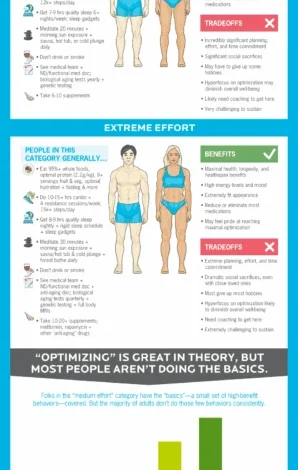
The aspiration to live a longer, healthier life is a fundamental human desire, a quest that has captivated individuals for millennia. In the contemporary landscape, this innate yearning has been amplified by an explosion of information, much of it disseminated through digital platforms, promising not just extended years but an "optimized" existence free from the ravages of time and disease. From social media influencers touting revolutionary diets to authors unveiling "biohacking" protocols and podcasters advocating for extreme lifestyle changes, the sheer volume of advice on achieving peak health and unparalleled longevity can be overwhelming, often leading to confusion rather than clarity.
The Rise of the Longevity Imperative: A Modern Pursuit
Historically, the pursuit of longevity was often intertwined with spiritual beliefs or rudimentary folk remedies. The modern era, however, has witnessed a scientific and commercial revolution in health and wellness. Advances in medicine, nutrition, and exercise science have genuinely extended average human lifespans in many parts of the world. According to the World Health Organization (WHO), global life expectancy at birth increased by 5.5 years between 2000 and 2019, reaching 73.4 years. This progress has, in turn, fueled a heightened interest in pushing the boundaries even further.
This burgeoning interest has given rise to a multi-billion-dollar wellness industry, projected to grow significantly in the coming years. Within this vast ecosystem, a distinct sub-sector focused explicitly on "longevity optimization" has emerged. This segment often promises not merely to prevent illness but to reverse chronic disease, restore youthful vitality, and potentially even achieve ages far beyond the current human maximum, with some proponents speculating about living to 115 or even "forever." The allure of these claims is undeniable, tapping into deep-seated fears of aging and mortality while offering tantalizing visions of perpetual youth and vigor.
Navigating the Labyrinth of "Optimal" Health Claims
The advice offered by this burgeoning "longevity optimization" movement frequently transcends conventional health recommendations. It often involves ultra-specific, advanced protocols that demand significant commitment. These might include highly restrictive or niche dietary regimens (e.g., extreme fasting schedules, ketogenic diets, carnivore diets, raw foodism, elimination diets), complex supplement stacks involving dozens of compounds, sophisticated biohacking tools (e.g., red light therapy, hyperbaric chambers, cryotherapy, advanced wearable trackers monitoring myriad physiological markers), highly individualized and often strenuous exercise routines, and intricate sleep optimization strategies.
The underlying premise is that conventional health practices, while good, are insufficient for achieving "optimal" health and longevity. Instead, proponents argue for pushing the body to its biological limits through precise interventions. For instance, while mainstream nutrition guidelines emphasize a balanced diet rich in fruits, vegetables, and whole grains, "optimization" advocates might propose highly specific macronutrient ratios, exotic superfoods, or stringent fasting windows that are difficult to sustain for most individuals. Similarly, beyond regular physical activity, some protocols suggest extreme endurance challenges, specialized strength training techniques, or extensive recovery modalities.
The True Investment: Time, Effort, and Financial Costs
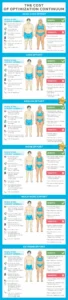
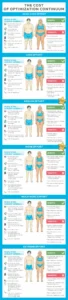
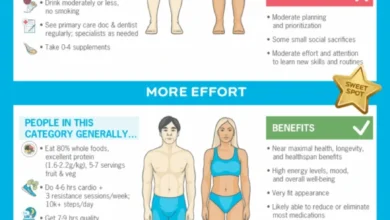
A critical question that often remains understated in the vibrant narratives of longevity gurus is the actual cost associated with these "optimal" protocols. This cost extends far beyond mere financial outlay, encompassing significant investments of time, mental energy, and social capital.
- Financial Burden: The pursuit of "optimal" health can quickly become a significant financial drain. Specialized supplements, many lacking robust scientific backing for their efficacy in healthy populations, can cost hundreds or even thousands of dollars monthly. High-tech gadgets, from advanced continuous glucose monitors to infrared saunas and brain-stimulating devices, represent substantial upfront and ongoing investments. Organic, grass-fed, or specially sourced foods often carry a premium price tag. Exclusive clinics offering diagnostic tests or experimental therapies can command exorbitant fees. The cumulative financial burden can be prohibitive for the vast majority of the population, raising questions about equity and accessibility in the pursuit of "optimal" health.
- Time and Effort Commitment: Adhering to ultra-specific protocols is inherently time-consuming. It involves extensive research to understand complex (and often conflicting) information, meticulous meal preparation and tracking, rigorous adherence to strict exercise schedules, and dedicated time for recovery and "biohacking" practices. For individuals already balancing demanding careers, family responsibilities, and personal lives, integrating such intense routines can prove exceptionally challenging, often leading to burnout or abandonment of the protocol. The constant mental load of tracking every metric, adhering to every rule, and striving for perfection can itself become a significant source of stress.
- Psychological and Social Trade-offs: The quest for "optimal" health can also exact a psychological toll. The pressure to conform to stringent dietary or lifestyle rules can foster orthorexia, an unhealthy obsession with eating "correctly." Social engagements might become difficult due to highly restrictive diets or demanding schedules, potentially leading to isolation or strained relationships. The constant comparison with idealized images of health and fitness promoted by influencers can erode self-esteem and foster a sense of inadequacy if one falls short of perceived perfection. The mental health implications of this relentless pursuit are often overlooked but can be profound.
Evidence vs. Anecdote: The Scientific Perspective
Many "optimal" health claims are predicated on anecdotal evidence, personal testimonials, or preliminary research that has not yet undergone rigorous, large-scale clinical trials. While individual experiences can be compelling, they do not constitute scientific proof. Public health organizations and medical professionals generally advocate for an evidence-based approach, prioritizing interventions supported by robust scientific consensus.
For instance, the scientific community widely agrees that a balanced diet rich in whole foods, regular physical activity, adequate sleep (7-9 hours for most adults), stress management, and strong social connections are fundamental pillars of good health and contribute significantly to longevity. These are the core tenets consistently promoted by institutions like the Centers for Disease Control and Prevention (CDC), the American Heart Association, and the WHO.
Consider the "Blue Zones" – regions of the world where people live measurably longer, healthier lives, often reaching age 100 with remarkable vitality. Research into these communities (e.g., Okinawa, Japan; Sardinia, Italy; Nicoya, Costa Rica; Ikaria, Greece; Loma Linda, California) consistently highlights commonalities that are far removed from extreme biohacking. Their lifestyles typically involve:

- A largely plant-based diet, often with moderate consumption of animal products.
- Natural, consistent physical activity integrated into daily life (walking, gardening, manual labor).
- Strong social and family connections.
- A sense of purpose (Ikigai in Okinawa, Plan de Vida in Nicoya).
- Effective stress management techniques.
- Moderate calorie intake, often with periods of natural fasting.
Crucially, these populations do not engage in expensive, complicated, or highly restrictive "optimization" protocols. Their longevity appears to stem from sustainable, integrated lifestyle habits rather than isolated, extreme interventions. This real-world evidence suggests that while advanced protocols might promise radical improvements, the foundational principles of health and longevity are often simpler, more accessible, and profoundly more sustainable.
The Sustainability Question: Beyond Short-Term Gains
One of the most significant critiques of many "optimal" health protocols is their lack of long-term sustainability. While an individual might achieve impressive short-term results through extreme dietary restrictions or intense training regimens, maintaining such stringent lifestyles indefinitely is incredibly challenging for most people. The human body and mind thrive on balance and adaptability. Protracted periods of extreme deprivation or exertion can lead to metabolic adaptation, nutrient deficiencies, hormonal imbalances, psychological distress, and ultimately, a rebound effect where initial gains are lost.
True health and longevity are not about temporary peak performance but about consistent, lifelong habits that support overall well-being. A lifestyle that feels like a constant battle against one’s natural inclinations is unlikely to be sustainable or enjoyable. The goal should be to foster habits that become second nature, seamlessly integrating into one’s daily routine without requiring immense willpower or sacrificing quality of life.
The Role of Professional Guidance: Separating Fact from Fiction
In this complex and often contradictory landscape of health and longevity advice, the role of qualified, evidence-based professional guidance becomes paramount. Organizations like Precision Nutrition recognize the universal desire for a longer, healthier life but emphasize the importance of achieving this through sustainable, enjoyable means. They advocate for a balanced approach that respects individual needs, preferences, and limitations.
Their philosophy centers on helping individuals build foundational nutrition and lifestyle habits that are both effective and manageable over the long term. This approach prioritizes:
- Evidence-Based Practices: Relying on scientific research rather than fads or anecdotes.
- Individualization: Recognizing that there is no one-size-fits-all solution; what works for one person may not work for another.
- Sustainability: Focusing on habits that can be maintained consistently and enjoyably throughout life.
- Holistic Well-being: Addressing not just diet and exercise, but also sleep, stress management, mental health, and social connections.
For individuals seeking clarity on their own health and longevity efforts, tools like "The Longevity Assessment" (as mentioned in the original article) can provide valuable insights into current habits and areas for impactful improvement. Such assessments, when designed on scientific principles, can help individuals identify the most significant levers for change without resorting to extreme or unsustainable measures.
Furthermore, for those passionate about helping others navigate this complex terrain, professional coaching certifications, such as the "PN Level 1 Nutrition Coaching Certification," offer a structured pathway to acquire the knowledge and skills necessary to guide clients effectively. These programs equip coaches to translate scientific principles into practical, sustainable strategies, helping individuals achieve their health goals while fostering a positive and balanced relationship with food and exercise. By empowering coaches to teach sustainable habits, such programs contribute to a broader shift away from fleeting fads toward lasting wellness.
Redefining Longevity: A Balanced Approach
Ultimately, the quest for a longer, healthier life does not necessitate extreme sacrifices or the adoption of costly, unproven protocols. While the allure of "optimizing" every facet of one’s biology is strong, a more pragmatic and often more effective path lies in consistency with fundamental, evidence-based practices. The goal is not merely to add years to life, but to add life to years—to ensure that extended longevity is accompanied by vitality, joy, and the ability to fully engage with the world.
The true cost of "optimal" health, when defined by extreme measures, can be prohibitively high in terms of financial burden, time commitment, and psychological well-being. A more balanced perspective acknowledges that significant, life-enhancing improvements in health and longevity can be achieved through accessible, enjoyable, and sustainable habits. This approach champions living a life you enjoy, rather than one dictated by endless pursuit of an elusive and potentially unsustainable "perfection." The path to a long, healthy, and fulfilling life is more often paved with moderation, consistency, and joy than with extreme protocols and relentless optimization.
Click here to view the information sources referenced in this article.
Related posts: