
The Stratos Project A Massive Data Center Proposal Ignites Environmental And Political Controversy In Rural Utah
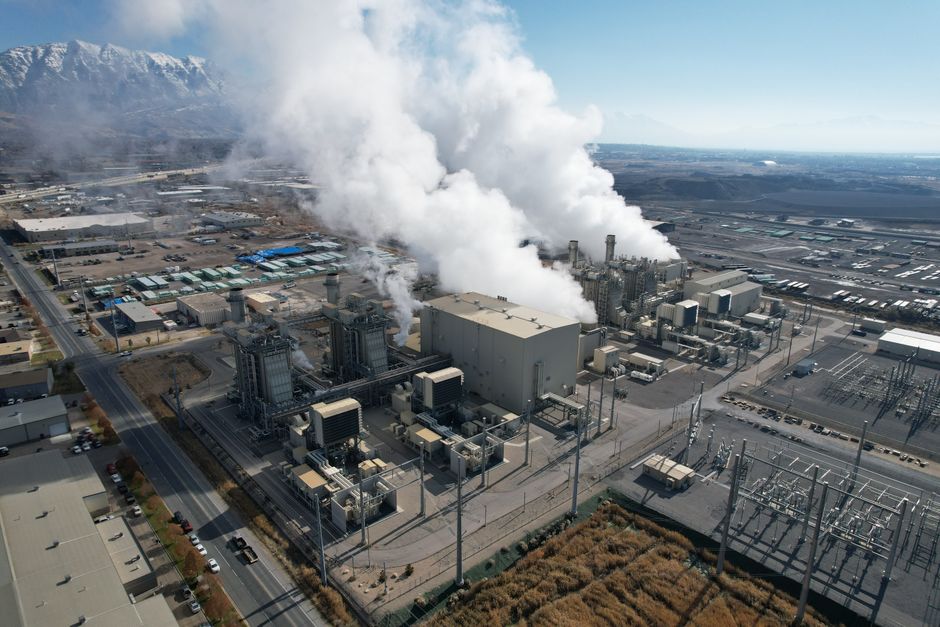
Stratos Data Center Proposal: A Rural Utah Battleground for Data, Power, and the Planet
The proposed Stratos data center, a colossal digital infrastructure project slated for development in the remote, high-desert landscape of Millard County, Utah, has rapidly become a focal point of intense environmental and political controversy. At its core, the project envisions an unprecedented expansion of digital storage and processing capabilities, promising economic revitalization for a region historically reliant on agriculture and resource extraction. However, the sheer scale of Stratos, coupled with its insatiable energy demands and the sensitive ecological balance of its intended location, has ignited a firestorm of opposition from environmental groups, local residents, and a growing coalition of concerned citizens who question the long-term sustainability and wisdom of such a massive undertaking in this particular setting. The debate transcends mere local concerns, touching upon national dialogues surrounding the environmental footprint of the burgeoning technology sector, the equitable distribution of energy resources, and the future of rural communities in an increasingly digital world.
The vision for Stratos is ambitious. Developers have outlined plans for multiple buildings, each housing thousands of servers, designed to store and process vast quantities of data for undisclosed clients. The project’s proponents, including the company Stratos Inc. and its associated entities, highlight the significant job creation potential, both during the construction phase and for ongoing operational roles. They also emphasize the economic stimulus that such a large-scale investment could bring to Millard County, a region that has faced economic challenges as traditional industries have evolved. Proponents argue that the data center will leverage Utah’s abundant solar and wind energy potential, positioning it as a leader in sustainable data storage. Furthermore, the arid climate of central Utah is considered advantageous for data center cooling, potentially reducing energy consumption compared to facilities in more temperate regions. The promise of tax revenue and infrastructure improvements further bolsters the arguments for the project’s economic benefits.
However, the environmental concerns are equally monumental. The most significant issue revolves around the projected energy consumption of the Stratos data center. Critics estimate that its operational energy needs could rival those of entire mid-sized cities. While developers tout renewable energy integration, questions persist about the actual percentage of renewables that will be sourced, the reliability of these sources to meet the constant, high demand of a data center, and the potential need for backup fossil fuel power generation. This raises alarms about the carbon footprint of the project and its contribution to climate change, particularly in a state that has historically relied on fossil fuels for a significant portion of its energy mix. The sheer volume of electricity required could strain existing power grids, necessitating substantial new infrastructure development, which itself carries environmental impacts.
Beyond energy, water usage is another critical point of contention. While data centers often employ cooling systems that can be water-intensive, Stratos has not yet fully disclosed its water management plans. Millard County, like much of the intermountain West, is a region facing increasing water scarcity due to climate change and agricultural demand. Critics fear that the data center’s water needs could exacerbate existing pressures on local water resources, impacting agriculture, wildlife habitats, and the availability of potable water for residents. The potential for groundwater depletion or increased strain on existing water rights is a serious concern for those who call this region home.
The ecological impact on the specific site proposed for Stratos is also a significant worry. The area is characterized by unique desert ecosystems, home to a variety of flora and fauna, some of which are considered sensitive or endangered. The construction of such a massive facility, along with the associated infrastructure like power lines and access roads, could lead to habitat fragmentation, soil erosion, increased noise and light pollution, and disruption of wildlife corridors. Environmental advocates are particularly concerned about the potential impact on sage-grouse populations, which are already facing habitat loss and decline. The visual impact of a sprawling industrial complex in a vast, relatively undeveloped landscape also raises aesthetic concerns for those who value the natural beauty of rural Utah.
Politically, the Stratos project has become a deeply divisive issue. The debate has pitted economic development against environmental protection, with proponents and opponents drawing starkly different conclusions about the project’s net benefit to the state and its communities. Local governments in Millard County have, in some instances, expressed support for the project, attracted by the promise of economic relief. However, this support is not universal, and a significant segment of the local population has voiced strong opposition.
State-level political figures and agencies are also heavily involved. The Utah Governor’s Office and the Utah Legislature have been participants in the discussions, balancing the state’s interest in attracting high-tech industries with its commitments to environmental stewardship. Regulatory bodies, such as the Utah Department of Environmental Quality and the Utah Division of Water Rights, are tasked with evaluating the project’s compliance with environmental regulations, a process that has been scrutinized by both supporters and opponents. Lobbying efforts from both sides have intensified, with technology industry groups advocating for favorable policies and environmental organizations raising public awareness and demanding rigorous environmental reviews.
The controversy surrounding Stratos reflects broader national trends. The rapid growth of the digital economy has created an insatiable demand for data storage and processing, leading to a proliferation of data centers across the globe. While these facilities are crucial for modern digital life, their environmental footprint is becoming increasingly apparent. Concerns about the energy and water intensity of data centers are prompting calls for more sustainable development practices, stricter regulations, and greater transparency from the tech industry. The Stratos project serves as a microcosm of these larger debates, highlighting the challenges of balancing technological advancement with environmental preservation and the need for careful consideration of where and how such massive infrastructure is developed.
For the rural communities of Utah, the Stratos proposal represents a critical juncture. It forces a difficult conversation about their future: do they embrace large-scale industrial development for economic gain, even with potential environmental costs, or do they prioritize the preservation of their unique landscapes and traditional livelihoods? The outcome of the Stratos debate will likely have long-lasting implications for the region, shaping its economic trajectory, its environmental future, and the very identity of its communities. The project’s success or failure will serve as a case study in the complex interplay of technology, environment, and public policy in the 21st century, with lessons that extend far beyond the dusty plains of Millard County. The ongoing deliberations are a testament to the high stakes involved, where the allure of digital progress collides with the enduring realities of the natural world and the deeply held values of the people who inhabit it. The intensity of the opposition and the passion of the proponents underscore the profound societal implications of such a project and the critical need for careful, transparent, and environmentally responsible decision-making.
