
Why You Should Grow Your Own Microgreens
Cultivating Your Own Microgreens: A Comprehensive Guide to Sustainable, Nutritious, and Flavorful Homegrown Produce
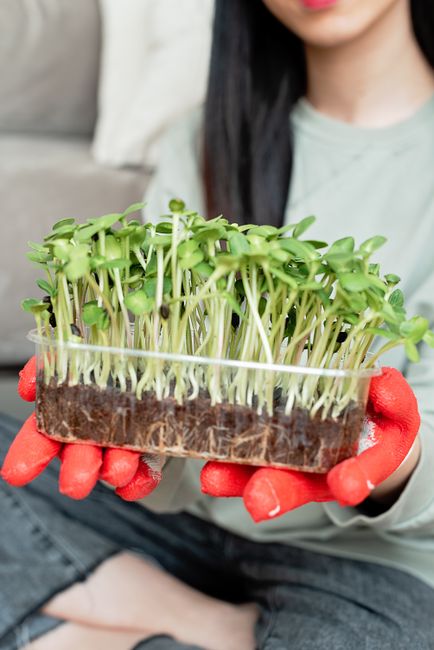
Growing microgreens at home is an accessible and rewarding endeavor, offering a potent combination of nutritional density, culinary versatility, and a tangible connection to your food. These nascent seedlings, harvested just after their first true leaves emerge, pack an unparalleled punch of vitamins, minerals, and antioxidants, often far exceeding their mature counterparts. The simplicity of their cultivation, requiring minimal space, equipment, and time, makes them an ideal addition to any urban dwelling, suburban kitchen, or even a modest balcony. Beyond the inherent health benefits, the vibrant flavors and delicate textures microgreens impart to dishes elevate everyday meals into gourmet experiences. Furthermore, the act of growing your own food fosters a sense of self-sufficiency and environmental consciousness, reducing food miles and packaging waste. This comprehensive guide delves into the multifaceted advantages of cultivating microgreens, demystifying the process and empowering individuals to harness their bountiful benefits.
The nutritional superiority of microgreens is a primary driver for their widespread adoption. Research consistently demonstrates that microgreens possess significantly higher concentrations of vitamins, minerals, and phytonutrients compared to their mature plant forms. For instance, studies have revealed that microgreens can contain up to 40 times more vitamin E than their mature counterparts, and up to six times more vitamin C. This concentrated nutrient profile makes them a powerful tool for enhancing dietary intake of essential micronutrients. Specific examples abound: broccoli microgreens are rich in sulforaphane, a compound lauded for its potential anti-cancer properties; radish microgreens offer a potent dose of vitamin K, crucial for blood clotting and bone health; and amaranth microgreens are a remarkable source of iron and protein. The harvesting stage, occurring at the cotyledon or first true leaf stage, captures the plant at its peak of nutrient accumulation, before resources are diverted to root development or flowering. This means that a small handful of microgreens can contribute a substantial amount of valuable nutrients to a meal, making them an incredibly efficient way to boost the nutritional quality of one’s diet. The bioavailability of these nutrients is also a key consideration; the tender structure of microgreens can facilitate easier digestion and absorption by the body, maximizing their impact. For individuals seeking to optimize their health through diet, or those with specific nutritional deficiencies, incorporating microgreens into their regular food consumption can be a transformative dietary strategy.
The culinary applications of microgreens are as diverse as they are delightful, offering a spectrum of flavors and textures that can transform any dish. Their delicate nature and concentrated taste make them a perfect garnish, adding visual appeal and a burst of freshness to salads, soups, sandwiches, and even desserts. The peppery kick of arugula microgreens can invigorate a simple salad, while the mild sweetness of pea shoots provides a delightful contrast in stir-fries. Radish microgreens offer a zesty, pungent bite, while cilantro microgreens bring an unmistakable herbaceousness. The versatility extends beyond mere garnishing; microgreens can be blended into smoothies for an undetectable nutrient boost, incorporated into omelets, or used as a vibrant topping for pizza and pasta. Their inherent freshness means they are best consumed raw or lightly heated, preserving their delicate flavors and optimal nutrient content. Experimentation is key, and the wide array of available microgreen varieties allows for endless culinary exploration. From the subtle anise flavor of dill microgreens to the robust, earthy notes of sunflower shoots, there is a microgreen to suit every palate and every culinary creation. Their ability to add both visual appeal and a complex flavor profile elevates home cooking, allowing amateur chefs to emulate the artistry of professional kitchens with ease.
The economic advantages of growing your own microgreens are substantial, particularly when compared to purchasing pre-packaged varieties. Commercially grown microgreens, while convenient, often come with a premium price tag. The cost of seeds, growing medium, and containers for home cultivation is remarkably low, especially when considered against the yield. A single packet of seeds can produce multiple trays of microgreens, providing a consistent and cost-effective source of fresh produce for weeks. This economic viability is particularly appealing for individuals on a budget or those who consume microgreens regularly. Furthermore, the ability to grow them year-round, irrespective of seasonal availability or market fluctuations, ensures a continuous supply, eliminating the need for costly store-bought alternatives. The long-term savings accumulate quickly, making the initial investment in a few basic supplies a prudent financial decision. For families, the ability to provide a consistent supply of nutrient-rich food at a fraction of the cost of purchasing it commercially can significantly impact grocery budgets. The reduced reliance on external food sources also provides a degree of price stability and independence.
The environmental benefits of cultivating microgreens at home are significant and align with a growing global awareness of sustainable living. By growing microgreens locally, the concept of "food miles" is drastically reduced, minimizing the carbon footprint associated with transportation from farm to table. This contributes to a more sustainable food system and lessens the demand on long-haul shipping and its associated emissions. Furthermore, home cultivation eliminates the need for excessive packaging, such as plastic clamshells and bags, that are commonly used for commercially sold microgreens. This reduction in waste directly benefits the environment by decreasing landfill burden and the demand for plastic production. Microgreens also require a relatively small amount of water and can be grown using sustainable mediums like coconut coir, which is a renewable byproduct. The controlled environment of indoor cultivation can also reduce the need for pesticides and herbicides, further promoting ecological well-being. For individuals committed to reducing their environmental impact, growing microgreens is a tangible and impactful way to contribute to a healthier planet. The localized production model also fosters a deeper appreciation for the resources involved in food production, encouraging more mindful consumption.
The ease and speed of microgreen cultivation make them an ideal entry point for aspiring gardeners, even those with limited experience or space. The entire process, from seeding to harvest, typically takes between one to three weeks, offering rapid gratification and a quick learning curve. This short growth cycle is particularly appealing for individuals who may have previously found traditional gardening to be a daunting or time-consuming endeavor. The equipment required is minimal: a shallow tray, a growing medium (such as seed-starting mix, coconut coir, or even paper towels for some varieties), seeds, and a light source. Many microgreens can be successfully grown using ambient room light, although supplemental grow lights can optimize growth. The simplicity of the watering and harvesting process further contributes to their accessibility. This low barrier to entry empowers individuals to experience the satisfaction of growing their own fresh produce without requiring extensive horticultural knowledge or specialized equipment. The quick turnaround time also allows for experimentation with different varieties and techniques, fostering confidence and encouraging further exploration into the world of home gardening.
The diversity of microgreen varieties available for cultivation is vast, offering a plethora of flavors, textures, and nutritional profiles to explore. From common salad staples to more exotic options, the choices are extensive. Brassicas like broccoli, kale, and radish offer robust flavors and are packed with vitamins. Legumes such as peas and sunflowers provide sweet, nutty notes and a satisfying crunch. Herbs like basil, cilantro, and dill add aromatic complexity. Amaranth, with its vibrant red stems and earthy flavor, offers a striking visual and nutritional punch. Each variety has unique growing requirements and ideal harvesting times, encouraging a deeper understanding of plant life cycles and agricultural diversity. Researching the specific characteristics of different microgreens can lead to a more tailored and successful growing experience, allowing individuals to curate a selection that perfectly complements their culinary preferences and nutritional goals. The ongoing development of new microgreen varieties by seed companies also ensures a continuous stream of innovation and exciting new options for home growers.
The process of growing microgreens involves several key steps, each contributing to the successful germination and development of the seedlings. The selection of high-quality seeds specifically designated for microgreen cultivation is paramount, as these are often treated for germination and are free from contaminants. The choice of growing medium plays a crucial role in providing the necessary support and moisture for the seeds. Options range from sterile seed-starting mixes to more sustainable choices like coco coir or even hydroponic mats. Proper spacing of seeds within the tray is essential to prevent overcrowding and ensure adequate airflow, which helps to mitigate the risk of mold and disease. Maintaining consistent moisture levels is critical throughout the germination and growth phases; the medium should be kept damp but not waterlogged. Light exposure is also a key factor, with most microgreens requiring bright light once they have germinated. Finally, the harvesting process, typically done with sharp scissors or a knife, should be carried out at the ideal stage of development to maximize both flavor and nutritional content.
The potential for year-round cultivation is a significant advantage of growing microgreens. Unlike outdoor gardens that are subject to seasonal constraints, microgreens can be grown indoors in a controlled environment, allowing for a continuous supply of fresh produce regardless of the weather or time of year. This consistency is invaluable for individuals who rely on microgreens for their nutritional intake or culinary enjoyment. By utilizing simple shelving units and grow lights, even small indoor spaces can be transformed into productive microgreen farms. This independence from external factors ensures a reliable source of nutrient-dense food, promoting dietary health and culinary creativity throughout the year. The ability to control temperature, humidity, and light levels provides an optimal growing environment, leading to consistent and predictable yields. This year-round availability also offers a unique opportunity to experiment with different microgreen varieties as their availability may fluctuate in commercial markets.
The psychological benefits of engaging in microgreen cultivation should not be overlooked. The act of nurturing life, from a tiny seed to a vibrant seedling, can be profoundly therapeutic and rewarding. It fosters a sense of accomplishment and connection to nature, even in urban environments. The process of tending to plants, observing their growth, and ultimately harvesting the fruits of one’s labor can reduce stress, improve mood, and promote mindfulness. This hands-on engagement with the food system can also cultivate a greater appreciation for the effort and resources involved in producing our food. For many, the simple act of watching a seed sprout and unfurl its first leaves provides a tangible sense of hope and renewal. The quiet, focused nature of microgreen cultivation can serve as a form of active meditation, allowing individuals to de-stress and reconnect with the natural world. This is particularly beneficial in our increasingly digitized and fast-paced lives.
In conclusion, the decision to grow your own microgreens is a multifaceted investment with far-reaching benefits. From the unparalleled nutritional density and culinary versatility to the significant economic and environmental advantages, microgreens offer a compelling proposition for individuals seeking to enhance their health, elevate their cooking, and embrace a more sustainable lifestyle. The ease of cultivation, coupled with the rapid gratification of a quick harvest, makes this an accessible and immensely rewarding endeavor for anyone, regardless of their prior gardening experience or available space. By cultivating microgreens, you are not just growing food; you are cultivating well-being, flavor, and a deeper connection to the natural world. The empowerment that comes from producing your own nutritious and delicious food is a powerful motivator, and microgreens provide an accessible and highly effective pathway to achieving this goal.
