
High Speed Canyon Jet Ski So Scary
The Edge of Terror: High-Speed Canyon Jet Skiing and the Thrill of Almost Dying
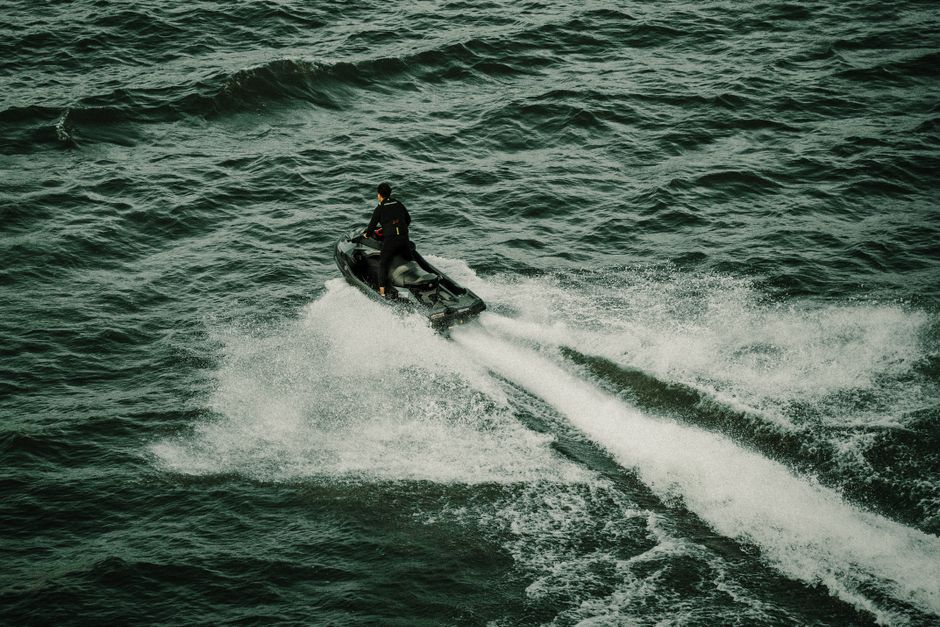
High-speed canyon jet skiing isn’t for the faint of heart. It’s an adrenaline-fueled ballet performed on the precipice of disaster, a raw, visceral confrontation with elemental forces. Imagine being strapped to a high-performance jet ski, not on the open ocean, but within the confined, jagged embrace of a narrow canyon. The roaring engine becomes a primal scream, echoing off sheer rock faces that rush past in a blur of ochre and shadow. This isn’t a leisurely cruise; it’s a desperate, exhilarating sprint where milliseconds separate control from chaos, and the slightest miscalculation can lead to a catastrophic, bone-shattering impact. The water, often choppy and unpredictable, becomes a volatile playground, punctuated by unseen currents, submerged obstacles, and sudden shifts in depth. Every turn is a calculated risk, every straightaway a test of nerve and reflexes. The sheer velocity, amplified by the acoustical intimacy of the canyon walls, creates a sensory overload, a symphony of wind, water, and engine noise that obliterates rational thought, leaving only instinct and the desperate pursuit of the next exhilarating surge.
The inherent danger of high-speed canyon jet skiing stems from a confluence of factors, each amplifying the risk. Firstly, the environment itself is unforgiving. Canyons, by their very nature, restrict maneuverability. Unlike open water where a rider can often steer clear of trouble with a wide berth, in a canyon, the available space is at a premium. The walls, often towering hundreds of feet, are not merely scenic backdrops; they are tangible hazards. A loss of control, even for a fleeting second, can send a rider careening into these unyielding surfaces. Submerged rocks, unseen depths, and unpredictable eddy currents further complicate the equation. The water, while appearing placid from a distance, can conceal treacherous underwater topography that, at speed, becomes a deadly trap. The sheer force of impact with solid rock, whether above or below the waterline, is immense, capable of inflicting severe injuries or worse. The speed at which these machines operate – often exceeding 60 mph and sometimes pushing towards 80 mph – transforms these environmental hazards from mere inconveniences into immediate, life-threatening obstacles. The velocity demands an almost superhuman level of foresight and reaction time, capabilities that are constantly pushed to their absolute limit.
Secondly, the machinery itself contributes significantly to the peril. High-performance jet skis are not designed for gentle exploration. They are powerful, agile watercraft engineered for speed and aggressive maneuvers. Their lightweight construction and potent engines allow for rapid acceleration and sharp turns, attributes that, in the confined space of a canyon, become double-edged swords. A moment of over-correction, a twitch of the handlebars, can initiate a spin that is incredibly difficult to arrest at speed, particularly in turbulent water. The sheer power output of these engines means that the forces exerted on the rider are substantial. When something goes wrong, the transition from controlled flight to uncontrolled impact is swift and brutal. The rider is exposed, with minimal protection, directly subjected to the forces of acceleration, deceleration, and impact. The jet propulsion system, while allowing for incredible maneuverability, can also become a liability. Sudden changes in throttle can alter the hull’s attitude in the water, potentially causing it to dig in or lift unexpectedly, leading to loss of stability. The reliance on the rider’s skill to manage these forces is absolute, and any lapse in concentration or judgment can have dire consequences.
The psychological aspect of high-speed canyon jet skiing cannot be overstated. It’s a mental battle as much as a physical one. The sheer sensory bombardment – the roar of the engine, the spray of water, the feeling of being precariously balanced at high velocity – can induce a state of heightened physiological arousal. This adrenaline rush, while the core of the thrill, can also impair cognitive function. In a high-stakes environment like a canyon, where split-second decisions are critical, any degradation of clear thinking can be fatal. The feeling of invincibility that can accompany extreme sports can also lead to overconfidence, a dangerous trait when facing such inherent risks. Riders might push beyond their actual skill level, mistaking bravado for competence. The visual perception of speed in a canyon is also distorted. The confined walls create a tunnel effect, making it difficult to judge distances and perceive oncoming hazards accurately. The brain struggles to process the overwhelming visual information, leading to potential misjudgments. This cognitive dissonance, the gap between the perceived reality and the actual dangers, is a significant contributor to the fear and the very real possibility of catastrophe.
The physics of high-speed watercraft are unforgiving. At speed, the jet ski operates on a thin film of water, relying on hydroplaning to achieve its velocity. This delicate balance can be easily disrupted. Hitting a wave, a submerged object, or even a sudden shift in the water’s surface can cause the hull to lose its planing attitude. This can result in a jarring loss of control, a violent pitch or yaw that the rider must immediately counteract. The forces involved are immense. Imagine a 500-pound jet ski, moving at 70 mph, suddenly encountering an unyielding object. The kinetic energy involved is enormous, and the human body is not built to withstand such impacts without significant protection. The water itself, while providing a buoyant medium, also offers considerable resistance. Attempting to change direction at high speeds requires precise weight transfer and steering input. Any error in this delicate dance can lead to the ski digging a rail into the water, causing a violent, high-speed flip. The concept of "riding the edge" is literal in this context; a slight deviation from the optimal trajectory can send the rider hurtling towards oblivion.
The inherent unpredictability of water adds another layer of terror. While a racetrack might offer a consistent surface, rivers and canyons are dynamic environments. Water levels can fluctuate, currents can shift unexpectedly, and debris can be carried downstream. A seemingly clear patch of water can conceal a submerged log or a jagged rock, capable of disabling the ski or launching the rider into the air. The visual conditions are also often challenging. Glare from the sun on the water can obscure hazards, and shadows cast by the canyon walls can create misleading depths. The spray generated by the ski itself can momentarily blind the rider, especially when coupled with high winds. This constant battle against the elements, against the unseen forces lurking beneath the surface, is what makes high-speed canyon jet skiing so terrifyingly addictive for those who dare to participate. It’s a constant negotiation with chaos, a test of one’s ability to adapt and react in an environment that is actively trying to thwart them.
Safety protocols, while crucial, can only mitigate, not eliminate, the risks. Proper training is paramount. Experienced instructors emphasize defensive riding techniques, hazard identification, and emergency procedures. However, even the most skilled rider can fall victim to an unexpected event. The sheer speed amplifies the consequences of any mistake. A minor wobble at 20 mph might be easily corrected. The same wobble at 70 mph could be the precursor to a devastating crash. Personal protective equipment, such as helmets and impact vests, offer some protection, but they are not foolproof against the extreme forces involved in a high-speed collision with solid rock or submerged debris. The decision to engage in such an activity is, at its core, a conscious acceptance of significant risk, a willingness to flirt with danger for the unparalleled thrill of pushing the boundaries of human capability and experiencing the raw power of nature. The fear is not a deterrent; it’s an intrinsic part of the experience, a constant reminder of the razor-thin line between exhilaration and disaster.
The appeal lies in this primal confrontation. It’s an escape from the mundane, a dive into the extreme. The adrenaline surge is potent, a chemical cocktail that floods the system, sharpening the senses and creating an intense feeling of being alive. The sheer power of the machine beneath you, combined with the raw beauty and unforgiving nature of the canyon environment, creates an intoxicating synergy. It’s a challenge to one’s own limits, a test of courage and skill. The sound of the engine, the feel of the spray, the blur of the canyon walls – it all coalesces into an overwhelming sensory experience that transcends everyday life. For those who crave the ultimate thrill, the terrifying allure of high-speed canyon jet skiing offers a journey to the very edge of existence, a place where fear and exhilaration become indistinguishable, and the raw, untamed power of nature is experienced in its most potent and awe-inspiring form. It’s a dance with death, performed at breakneck speed, on the unforgiving canvas of a sculpted earth. The scariness isn’t a bug; it’s the core feature, the very reason why this extreme sport commands such a devoted, albeit small, following. It’s the ultimate test of man versus nature, man versus machine, and most importantly, man versus his own fear.
