
Category Water Parks And Recreation
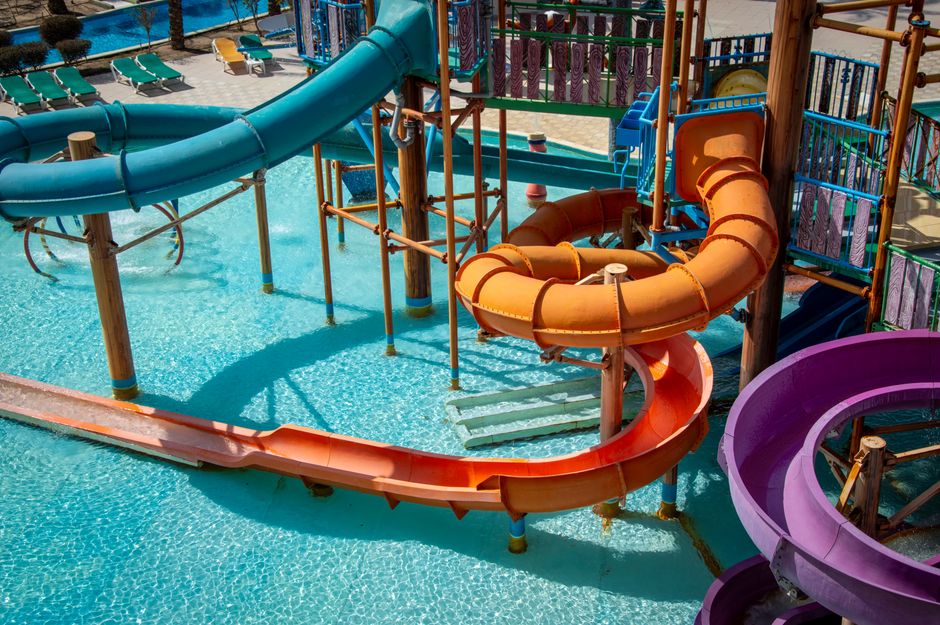
Water Parks and Recreation: An In-Depth Exploration of Aquatic Leisure and Its Economic Impact
Water parks and recreation represent a multifaceted industry encompassing a diverse range of aquatic facilities and activities designed for leisure, entertainment, and physical well-being. This sector is not merely about thrilling slides and wave pools; it is a significant economic driver, a vital component of community health, and a growing area of innovation in recreational design and management. The core of water park and recreation lies in the provision of safe, engaging, and accessible water-based experiences. These range from large-scale commercial water parks featuring elaborate themed attractions, extensive ride portfolios, and immersive environments to smaller, community-focused aquatic centers offering swimming lessons, lap swimming, and family-friendly amenities. The industry caters to a broad demographic, from young children seeking gentle splash zones to thrill-seekers craving high-speed adventures, and from competitive swimmers honing their skills to families looking for a day of shared enjoyment. Beyond pure recreation, water parks and recreation contribute to public health by promoting physical activity and reducing stress. The inherent nature of water-based activities, from swimming to simply wading, offers a low-impact yet effective form of exercise suitable for individuals of all ages and fitness levels. This article will delve into the various facets of this industry, exploring its operational complexities, economic significance, technological advancements, and its evolving role in modern society.
The operational framework of water parks and recreation is characterized by a meticulous focus on safety, hygiene, and guest experience. Safety is paramount, necessitating stringent adherence to regulations and best practices concerning water quality, ride maintenance, lifeguard training, and emergency preparedness. Water treatment systems are sophisticated, employing a combination of chemical disinfection, filtration, and UV sterilization to maintain optimal water purity and guest health. Lifeguard certification programs, such as those offered by the Red Cross or the YMCA, are indispensable, ensuring that trained professionals are present to monitor aquatic areas and respond effectively to emergencies. Ride maintenance is a continuous process, involving daily inspections, preventative upkeep, and regular structural assessments to guarantee the integrity and functionality of all attractions. Beyond safety, the guest experience is meticulously crafted. This involves the careful design of thematic elements that enhance immersion, the provision of diverse food and beverage options, and the implementation of efficient queue management systems to minimize wait times. Staff training extends beyond safety protocols to encompass customer service, ensuring that every interaction contributes to a positive and memorable visit. Furthermore, accessibility is increasingly a focus, with facilities striving to accommodate individuals with disabilities through features like accessible pathways, modified rides, and specialized seating.
The economic impact of the water park and recreation industry is substantial and far-reaching. Commercial water parks, in particular, are significant contributors to local and regional economies, generating revenue through ticket sales, concessions, merchandise, and ancillary services. They create numerous job opportunities, ranging from seasonal positions for ride operators and lifeguards to full-time roles in management, marketing, and engineering. These facilities often act as anchors for tourism, attracting visitors from out of town and stimulating spending in surrounding hotels, restaurants, and retail establishments. The ripple effect extends to suppliers of equipment, construction services, and maintenance providers. For community aquatic centers, the economic benefits are often more localized but equally important. They enhance property values, provide affordable recreational opportunities for residents, and contribute to public health by reducing healthcare costs associated with sedentary lifestyles. The industry’s resilience is noteworthy; while susceptible to economic downturns, the enduring appeal of water-based leisure and the fundamental need for recreation often allow it to weather these challenges. Investments in infrastructure, new attractions, and sustainable practices further bolster the industry’s economic viability and long-term growth potential.
Technological advancements are continuously reshaping the landscape of water parks and recreation, enhancing both the guest experience and operational efficiency. Innovations in ride design, such as advancements in water propulsion systems, variable speed controls, and enhanced safety features, allow for more thrilling and dynamic attractions. Virtual reality (VR) and augmented reality (AR) are beginning to be integrated into water park experiences, offering immersive storytelling and interactive elements within rides or themed areas. Water filtration and treatment technologies are becoming more sophisticated and environmentally friendly, reducing chemical usage and water consumption. Digital ticketing systems, mobile apps for park navigation and wait time information, and cashless payment options streamline the guest journey and improve operational flow. Furthermore, advanced analytics and data management are being employed to understand guest behavior, optimize staffing, and personalize marketing efforts. The development of energy-efficient pumps and water recycling systems demonstrates a growing commitment to sustainability within the industry, aligning economic objectives with environmental responsibility.
The design and construction of water park attractions involve a complex interplay of engineering, artistry, and safety considerations. From initial concept development and thematic design to detailed architectural and structural engineering, every step is critical. The selection of materials is crucial, requiring durability, resistance to water and chemical exposure, and compliance with stringent safety standards. Rides can range from towering water slides constructed from fiberglass and steel to complex wave pool systems that simulate ocean conditions. Lazy rivers offer a more relaxed experience, while splash pads and play structures cater to younger audiences. The integration of advanced water features, such as interactive fountains, geysers, and misting systems, adds an extra layer of sensory engagement. Themed environments are meticulously crafted to transport guests to different worlds, incorporating landscaping, architectural elements, and even soundscapes to enhance the immersive experience. Site selection and layout are also vital, considering factors such as accessibility, drainage, and the potential for expansion. The ongoing trend is towards creating more elaborate and immersive experiences, often drawing inspiration from popular culture, historical periods, or natural environments.
The management and marketing of water parks and recreation facilities are strategic imperatives for success. Effective management encompasses financial planning, human resources, operational oversight, and risk management. Marketing strategies are diverse, leveraging digital channels, social media, traditional advertising, and partnerships to attract target audiences. Pricing strategies, including season passes, group discounts, and special event promotions, are crucial for revenue generation. Public relations play a significant role in building brand reputation and fostering positive community relationships. The focus on customer satisfaction drives repeat business and positive word-of-mouth referrals. Furthermore, many water parks and recreation facilities are increasingly emphasizing sustainability initiatives, which can be a powerful marketing tool and contribute to long-term operational cost savings. This includes water conservation measures, waste reduction programs, and energy efficiency improvements. Data analytics are becoming indispensable for understanding visitor demographics, preferences, and spending habits, allowing for more targeted and effective marketing campaigns and operational adjustments.
The evolution of water parks and recreation is marked by a continuous pursuit of innovation and adaptation to changing consumer expectations. The trend towards more personalized and curated experiences is evident, with facilities offering premium services, exclusive access, and tailored packages. The integration of smart technology, from wristband-based payment systems to personalized recommendations through mobile apps, enhances convenience and engagement. The industry is also seeing a growing demand for eco-friendly and sustainable water park operations, with operators investing in water recycling, solar energy, and environmentally conscious landscaping. The concept of "edutainment" is also gaining traction, with some facilities incorporating educational elements about water conservation, marine life, or local ecosystems into their attractions. Furthermore, the diversification of offerings beyond traditional water rides is a notable trend, with facilities incorporating adventure parks, zip lines, and other non-aquatic attractions to appeal to a broader audience and extend visitor engagement. The future of water parks and recreation lies in its ability to blend thrilling attractions with enriching experiences, all while prioritizing safety, sustainability, and accessibility for all. The continued investment in technology, innovative design, and customer-centric management will ensure the sector’s ongoing growth and relevance in the leisure and entertainment landscape. The industry’s capacity to adapt to evolving societal needs and desires, such as the increasing emphasis on health and wellness, will further solidify its position as a vital contributor to public well-being and economic prosperity.
