
No More Popcorn Kernels
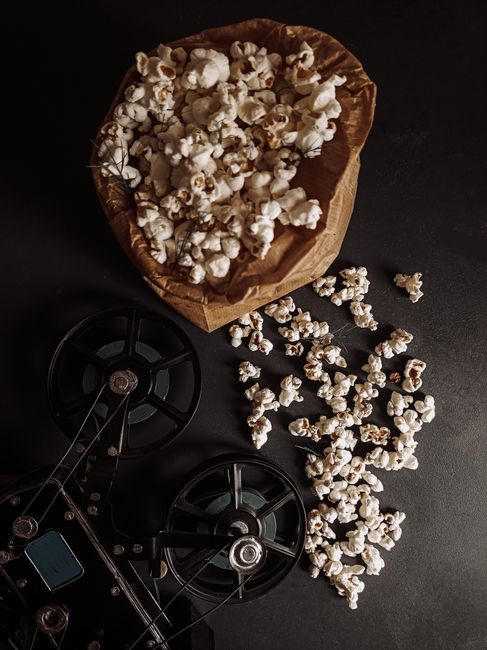
No More Popcorn Kernels: The Ultimate Guide to Kernel-Free Popping
The pervasive annoyance of unpopped popcorn kernels is a universally experienced, albeit minor, culinary frustration. These stubborn, dense seeds, resistant to the transformative heat that ignites their fluffy counterparts, represent a tangible disappointment in the otherwise joyful ritual of popcorn consumption. While the fluffy, airy popcorn is the desired outcome, the presence of these hard, unyielding kernels necessitates a careful sifting or a resigned acceptance of occasional dental peril. This comprehensive guide aims to eliminate this common culinary blight, providing a multifaceted approach to achieving a kernel-free popcorn experience, from understanding the science behind unpopped kernels to implementing effective popping techniques and exploring alternative methods.
The Science of the Unpopped Kernel
Understanding why some popcorn kernels refuse to pop is crucial to preventing them. Popcorn kernels are a specific variety of maize, characterized by their hard outer hull (pericarp) and a starchy interior containing moisture. The popping process is a result of this internal moisture turning into steam under intense heat. The hull acts as a pressure vessel. When the internal pressure of the steam exceeds the structural integrity of the hull, it ruptures, causing the starch to gelatinize and expand rapidly, creating the familiar fluffy popcorn.
Several factors contribute to a kernel’s failure to pop:
- Insufficient Moisture: The ideal moisture content for popcorn is around 13.5% to 14%. If the kernel is too dry, there isn’t enough steam generated to build sufficient pressure. Conversely, if it’s too wet, the steam escapes too easily, preventing pressure buildup. Moisture loss can occur due to improper storage, age of the popcorn, or exposure to dry air.
- Damaged Pericarp: Cracks or imperfections in the hull can allow steam to escape prematurely, preventing the kernel from reaching the critical pressure point for popping. This damage can happen during harvesting, processing, or even handling.
- Improper Heating: Uneven heating or insufficient heat can lead to partial popping or no popping at all. Some parts of the kernel may reach a sufficient temperature while others remain too cool.
- Kernel Variety: While most popcorn varieties are designed for popping, some may be inherently less efficient due to genetic predispositions in hull thickness or starch composition.
Optimizing Your Popping Environment
The method you choose for popping popcorn significantly impacts the likelihood of encountering unpopped kernels. Each method presents its own set of variables that can be controlled to minimize the problem.
Stovetop Popping: The Classic Approach, Perfected
The stovetop method, while traditional, offers a high degree of control. To achieve kernel-free popcorn:
- Use a Heavy-Bottomed Pot: A thick, heavy-bottomed pot distributes heat more evenly, reducing hot spots that can scorch kernels and lead to uneven popping. Cast iron or stainless steel pots are excellent choices.
- Adequate Oil: Use sufficient oil to coat the bottom of the pot and create a medium for heat transfer. A general guideline is 2-3 tablespoons of oil for every 1/2 cup of kernels. Healthy oils like coconut oil, canola oil, or peanut oil are suitable.
- Preheating is Key: This is arguably the most crucial step. Heat the oil over medium-high heat until it shimmers. Add 2-3 kernels to the hot oil and wait for them to pop. This indicates the oil is at the optimal temperature for the rest of the kernels.
- Add Kernels in a Single Layer: Once the test kernels have popped, add the remaining popcorn kernels. They should form a single layer on the bottom of the pot, avoiding overcrowding, which hinders even heating.
- Agitate Constantly: Once the popping begins, shake the pot gently and continuously. This movement ensures that unpopped kernels are constantly exposed to the hot oil and that popped kernels are moved away from the direct heat, preventing scorching.
- Listen Carefully and Remove from Heat: The popping will start slowly and then become rapid. As the popping slows down significantly (to 1-2 seconds between pops), immediately remove the pot from the heat. Leaving it on the heat will result in burnt popcorn and an increase in unpopped kernels.
- Pour into a Bowl Immediately: Transfer the popped popcorn to a large bowl as soon as you remove it from the heat. Any residual heat in the pot can continue to cook and potentially burn the popcorn.
Air Popper: The Healthier, But Sometimes Tricky, Alternative
Air poppers offer a fat-free popping experience, but can sometimes leave more unpopped kernels if not used correctly.
- Preheat the Popper: Ensure the air popper is fully preheated before adding kernels. Most manufacturers recommend running it for a minute or two without kernels.
- Use Fresh Popcorn: Older, drier kernels are more prone to not popping in an air popper, as there’s no oil to aid in heat transfer.
- Don’t Overfill: Overfilling the popping chamber can lead to poor air circulation and uneven heating, resulting in unpopped kernels. Follow the manufacturer’s fill line.
- Listen and Stop Promptly: Similar to the stovetop method, pay attention to the popping sound. As the popping slows to a near standstill, turn off the appliance.
- Shake Out Remaining Kernels: After popping, carefully shake the popper to dislodge any unpopped kernels that may be clinging to the sides or base.
Microwave Popcorn: Convenience with Caveats
Pre-packaged microwave popcorn is convenient but often contains higher levels of unpopped kernels and can be less healthy due to added butter, salt, and artificial flavorings.
- Read Instructions Carefully: Always follow the specific instructions for your brand of microwave popcorn.
- Use the "Popcorn" Button with Caution: The dedicated popcorn button on many microwaves is not always accurate and can lead to over- or under-popping. It’s generally better to manually set the time.
- Listen and Stop Promptly: This is paramount for microwave popcorn. Listen for the popping to slow down significantly (ideally 1-2 seconds between pops). Stop the microwave immediately. Continuing to heat will burn the popped corn and increase the chance of unpopped kernels.
- Don’t Rely on the Bag’s Indicator: Many bags have a light or indicator that’s supposed to signal when popping is complete. This is often inaccurate. Your ears are the best guide.
- Shake the Bag After Popping: After removing the bag from the microwave, give it a good shake to redistribute the popcorn and ensure any remaining kernels have a chance to pop from residual heat.
Stovetop Popping with a Lid Trick for Maximum Kernel Engagement
For those dedicated to the stovetop method, an additional trick can further minimize unpopped kernels. After adding your kernels and oil and preheating, once the first few kernels pop, place the lid on the pot, but prop it slightly ajar with a wooden spoon or a similar utensil. This allows a small amount of steam to escape, preventing excessive pressure buildup that can damage kernels. However, it still traps enough heat and steam to encourage popping. The constant agitation remains essential. This technique balances heat retention with controlled steam release, ensuring optimal conditions for the majority of kernels to reach their popping potential.
Storing Popcorn Kernels for Longevity and Popping Success
Proper storage is vital for maintaining the moisture content of your popcorn kernels, a critical factor in achieving a high pop rate.
- Airtight Containers: Store popcorn kernels in airtight containers. This prevents moisture from escaping into the dry air of your pantry. Glass jars with tight-fitting lids or sturdy plastic containers work well.
- Cool, Dry, and Dark Place: While moisture is important for popping, excessive humidity can lead to mold or spoilage. Store your kernels in a cool, dry place away from direct sunlight. A pantry or cupboard is ideal.
- Avoid Refrigeration or Freezing (Generally): While some sources suggest refrigeration or freezing, it’s generally unnecessary and can sometimes negatively impact popping if not done correctly. Rapid temperature changes can cause condensation, leading to moisture imbalance. If you do choose to freeze, ensure the kernels are completely dry and stored in a vacuum-sealed bag to prevent ice crystals.
- Buy in Smaller Quantities: Popcorn kernels don’t last forever. If you don’t consume popcorn frequently, buy smaller bags or containers to ensure you’re using fresh kernels. Aim to use them within a year or two of purchase.
Troubleshooting and What to Do with Unpopped Kernels
Despite your best efforts, a few unpopped kernels are sometimes inevitable. Instead of discarding them, here are some solutions:
- Sift and Re-Pop: The easiest method is to carefully sift the popped popcorn into a bowl, leaving the unpopped kernels behind. You can then add these kernels back to a fresh batch of oil for another popping attempt. They may not all pop, but some will.
- The "Second Chance" Microwave: If you’ve used a microwave bag and have unpopped kernels, you can try re-heating the bag for an additional 30-60 seconds, listening carefully.
- Popcorn Balls: Unpopped kernels are perfectly suitable for popcorn balls. Their hardness won’t be as noticeable when mixed with the sticky sweet binder.
- Use in Recipes: Unpopped kernels can be used as a crunchy addition to certain baked goods or savory dishes where a little bite is desired. They can also be ground into a coarse flour for unique culinary applications.
- Animal Feed (with caution): In very small quantities, and only if they are plain and unseasoned, unpopped kernels can sometimes be offered to backyard chickens or other small farm animals. However, it’s crucial to research specific dietary needs and avoid any seasoned or buttered popcorn.
Beyond the Kernel: Exploring Kernel-Free Popcorn Alternatives
For those who find even a few unpopped kernels to be too much of a hassle, several kernel-free alternatives exist. These options offer a similar satisfying crunch and mouthfeel without the problematic seeds.
- Puffed Grains: Cereals like puffed rice, puffed wheat, and puffed corn offer a light, airy crunch. While not directly derived from popcorn, they provide a similar textural experience.
- Crispy Snacks: A wide variety of crispy snacks are available, from rice crackers and corn chips to vegetable crisps and dehydrated fruit chips. These offer diverse flavors and textures that can satisfy a craving for a crunchy snack.
- Nut and Seed Mixes: Roasted nuts and seeds provide a satisfying crunch and are rich in healthy fats and protein. This offers a more nutrient-dense alternative to popcorn.
- Air-Puffed Snacks: Some manufacturers now produce snacks that are air-puffed using processes similar to air poppers but with different grains or starches. These are designed to be light, crispy, and kernel-free.
Conclusion: A Kernel-Free Future
Achieving consistently kernel-free popcorn is an attainable goal. It requires a combination of understanding the science behind the popping process, meticulously controlling your chosen popping method, and implementing proper storage techniques. By paying attention to heat distribution, oil quantity, agitation, and timing, you can significantly reduce the number of unpopped kernels. Furthermore, by embracing alternative kernel-free snacks, you can ensure a completely hassle-free crunchy experience. The days of fishing for stubborn kernels are, with the knowledge provided here, largely behind us, paving the way for pure popcorn enjoyment.
