
Manners Matter 10 Manners Every Child Should Know
Manners Matter: 10 Essential Etiquettes Every Child Should Master for a Harmonious Life
The foundation of respectful social interaction lies in a set of core manners that equip children with the tools to navigate diverse situations with grace and consideration. These essential etiquettes are not merely arbitrary rules but represent fundamental principles of empathy, consideration for others, and the building blocks of positive relationships. Mastering these 10 vital manners empowers children to be well-regarded individuals, fostering stronger connections and contributing to a more harmonious environment in their homes, schools, and communities. The development of these skills begins early and requires consistent reinforcement, making it an ongoing process of learning and practice. Understanding the "why" behind each etiquette—the impact on others and the benefits to themselves—is crucial for internalization and genuine application.
- The Power of "Please" and "Thank You": A Cornerstone of Courtesy
The ubiquitous "please" and "thank you" are far more than polite phrases; they are the bedrock of gratitude and respectful requests. Teaching children to preface requests with "please" demonstrates an understanding that they are asking for something and that the other person has the option to grant it. It acknowledges the effort or willingness involved in fulfilling their need. Conversely, "thank you" expresses appreciation for the act of giving, helping, or providing. This simple act validates the other person’s contribution and fosters a sense of being valued. Without these phrases, requests can come across as demanding, and acts of kindness can go unrecognized, leading to potential resentment or a feeling of being taken for granted. For children, consistently using "please" and "thank you" cultivates an attitude of humility and fosters a positive feedback loop where their politeness is reciprocated with more willingness to help and engage. Parents and educators play a pivotal role in modeling this behavior and gently prompting children when these words are omitted. The consistent and sincere use of these phrases signals a child’s awareness of others and their appreciation for their presence and actions, laying the groundwork for a lifetime of positive social exchanges. This early habit contributes significantly to a child’s social intelligence, making them more likable and approachable. The absence of these basic courtesies can create social barriers and hinder a child’s ability to form meaningful connections, as others may perceive them as self-centered or unappreciative. Therefore, instilling the habit of using "please" and "thank you" is a fundamental step in a child’s etiquette education.
- The Art of Listening: Engaging with Respect and Understanding
Active listening is a vital communication skill that extends beyond simply hearing words. It involves paying attention, comprehending the message, and responding thoughtfully. When children are taught to truly listen, they demonstrate respect for the speaker, valuing their thoughts and feelings. This involves making eye contact (when culturally appropriate), nodding to show comprehension, and refraining from interrupting. Interrupting not only signals a lack of respect but also disrupts the flow of conversation, preventing the speaker from fully expressing themselves and hindering the listener’s ability to grasp the complete message. Teaching children to wait for a pause before speaking, or to politely signal their desire to contribute, is essential. Active listening also involves asking clarifying questions, which shows a genuine desire to understand and engage with the topic. This not only benefits the speaker by ensuring their message is received accurately but also benefits the child by enhancing their comprehension and learning. In a world saturated with distractions, the ability to focus and truly listen is a powerful asset. Children who are good listeners are often perceived as more intelligent, empathetic, and considerate, qualities that foster stronger friendships and positive interactions in academic and social settings. Furthermore, developing this skill early helps children avoid misunderstandings and conflicts that arise from miscommunication. It’s about creating a space where everyone feels heard and understood, a cornerstone of healthy relationships.
- Saying "Excuse Me": Navigating Personal Space and Transitions Gracefully
"Excuse me" is a versatile phrase that serves multiple essential functions in social interactions. It is used to politely gain attention, to apologize for a minor intrusion or interruption, and to navigate physical spaces with consideration for others. When a child needs to get someone’s attention, especially if the person is engaged in another activity, saying "excuse me" is far more polite than simply touching them or calling out their name loudly. It acknowledges that they are interrupting and seeks permission to proceed. Similarly, if a child needs to pass through a crowded area, or inadvertently bumps into someone, a simple "excuse me" mitigates any potential offense and shows awareness of their surroundings and impact on others. This phrase also serves as a gentle way to transition out of a conversation or to ask to be excused from a situation. Mastering the use of "excuse me" demonstrates social awareness and a consideration for the comfort and space of others. It teaches children to be mindful of their physical presence and how it might affect those around them. This simple phrase contributes significantly to a child’s ability to navigate social situations smoothly and to be perceived as considerate and well-mannered. It prevents awkwardness and fosters a sense of politeness in everyday encounters. The consistent use of "excuse me" builds a reputation for being considerate, which can be a significant advantage throughout a child’s life, both personally and professionally.
- Sharing and Taking Turns: Fostering Cooperation and Empathy
Sharing and taking turns are fundamental lessons in social development, teaching children valuable principles of cooperation, fairness, and delayed gratification. In group settings, whether playing with toys, using playground equipment, or participating in activities, the ability to share and wait for one’s turn is paramount. Sharing involves allowing others to use or enjoy something that is also yours, which requires a degree of generosity and a willingness to forgo immediate personal possession. Taking turns acknowledges that resources, whether tangible or intangible, are often limited and must be distributed equitably. This teaches children patience and the understanding that not everyone can have what they want simultaneously. The practice of taking turns also instills a sense of fairness and builds anticipation, as children learn to wait for their opportunity. These behaviors are crucial for building positive peer relationships, as children who are willing to share and take turns are more likely to be included in games and activities. Conversely, children who struggle with these concepts may face social exclusion. Furthermore, the act of sharing and taking turns helps develop empathy, as children begin to understand and consider the desires and needs of others. It moves them away from a purely egocentric perspective and introduces them to the dynamics of group harmony. These early experiences lay the groundwork for understanding concepts like compromise and collaboration in more complex social and professional environments later in life.
- The Importance of "Sorry": Acknowledging Mistakes and Seeking Reconciliation
The ability to sincerely apologize is a sign of emotional maturity and accountability. When children learn to say "sorry" effectively, they acknowledge that they have made a mistake, hurt someone, or caused inconvenience. A genuine apology is not just about uttering the word; it’s about understanding the impact of their actions and expressing remorse. This involves taking responsibility, rather than making excuses or blaming others. Teaching children to say "sorry" when they have erred—whether it’s by speaking unkindly, breaking something, or causing distress—is vital for repairing relationships and fostering trust. It demonstrates that they value the other person’s feelings and are willing to make amends. This process of apologizing and seeking forgiveness is a crucial aspect of conflict resolution and helps children learn from their mistakes. It teaches them that mistakes are opportunities for growth and that acknowledging them is the first step towards positive change. A child who can offer a sincere apology is more likely to be forgiven and to maintain healthy relationships. Conversely, a child who consistently avoids responsibility or dismisses their wrongdoings may find themselves facing ongoing friction and isolation. Instilling the habit of saying "sorry" with sincerity is a powerful tool for building resilience and emotional intelligence.
- Respecting Elders and Authority Figures: A Foundation of Social Order
Respect for elders and authority figures is a cornerstone of most societal structures, teaching children to recognize and value the experience, wisdom, and roles of those in positions of authority or seniority. This includes parents, teachers, grandparents, mentors, and community leaders. Demonstrating respect often involves polite address, attentiveness when they speak, following instructions, and showing deference. This doesn’t mean blind obedience, but rather an understanding that these individuals often have a broader perspective, greater experience, and a responsibility for guidance and well-being. For children, this respect fosters a sense of order and security, as they learn to trust and rely on the guidance of others. It teaches them about hierarchy and the importance of established social norms. From a developmental perspective, learning to respect authority figures helps children navigate rules and expectations, a crucial skill for success in educational settings and later in the workplace. It also cultivates humility and a willingness to learn from those who have more knowledge or experience. When children understand the importance of respecting elders and authority figures, they are more likely to receive guidance, support, and protection, contributing to their overall safety and development. This also involves understanding appropriate ways to address these individuals, such as using titles like "Mr.," "Ms.," or "Doctor," and maintaining a polite and attentive demeanor.
- Table Manners: Grace and Consideration at Mealtime
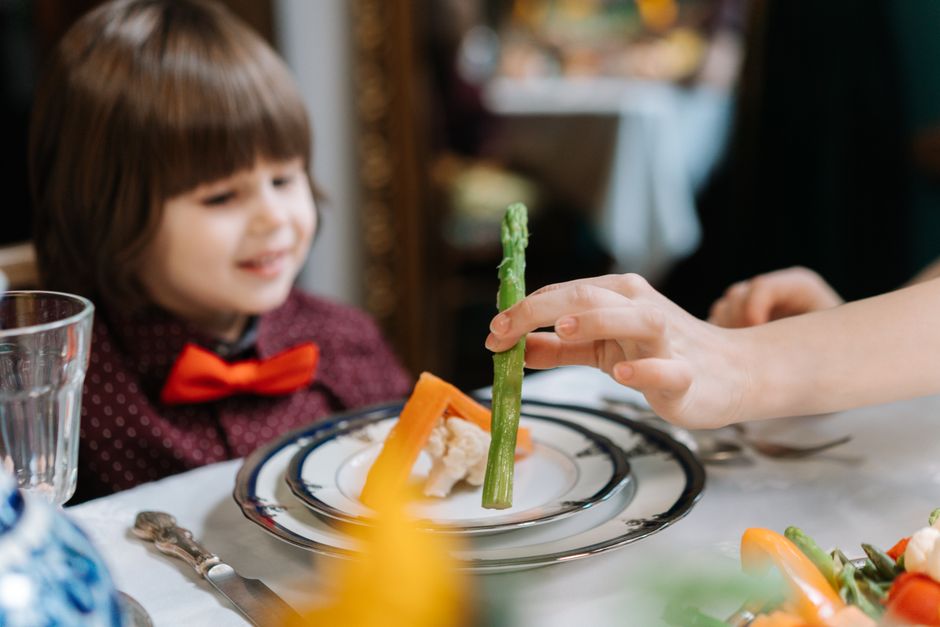
Mealtimes are often central to family and social gatherings, making good table manners essential for creating a pleasant and respectful dining experience. These manners encompass a range of behaviors, from how to sit at the table to how to eat and interact with others. Key elements include sitting up straight, keeping elbows off the table, chewing with one’s mouth closed, and avoiding talking with food in one’s mouth. These practices are not merely about aesthetics; they contribute to a more enjoyable and considerate atmosphere for everyone present. Furthermore, learning to use cutlery appropriately, asking for food to be passed rather than reaching across the table, and waiting for everyone to be served before beginning to eat are all part of a well-rounded dining etiquette. Teaching children to express gratitude for the meal, whether to the cook or to those who provided it, is also an important aspect. Good table manners demonstrate that a child is mindful of the social context and considerate of those they are dining with. They signal maturity and a willingness to adhere to social conventions, which can leave a positive impression in various settings, from family dinners to formal occasions. These practices help children feel more confident and comfortable in social situations involving food and dining, reducing potential embarrassment and fostering positive interactions.
- Saying "Good Morning," "Good Afternoon," and "Good Night": Acknowledging Presence and Marking Transitions
Simple greetings like "good morning," "good afternoon," and "good night" are powerful tools for acknowledging the presence of others and marking the transitions of the day. These greetings serve as polite ways to initiate interaction and to show that a child recognizes and values the people around them. Saying "good morning" as they enter a room or encounter someone early in the day sets a positive tone and indicates awareness. Similarly, "good afternoon" and "good night" serve similar purposes throughout the day and before retiring. These greetings contribute to a sense of community and connection, fostering a welcoming environment. They are particularly important in settings like school, where children interact with teachers and classmates throughout the day, or at home, where they acknowledge family members. The consistent use of these greetings demonstrates politeness, consideration, and social engagement. It signals that a child is present and aware of their surroundings, and that they are making an effort to be friendly and approachable. This habit can make children feel more integrated into their social groups and can lead to more positive interactions. These simple verbal cues are the building blocks of more complex social communication and contribute to a child’s overall social competence.
- Respecting Personal Property: Valuing Ownership and Trust
Teaching children to respect the personal property of others is crucial for building trust and demonstrating integrity. This involves understanding that belongings belong to individuals and should not be taken, used, or damaged without permission. This lesson extends beyond physical objects to include digital content and personal information as children grow older. When children learn to ask before borrowing, to return items in the same condition they received them, and to be mindful of not damaging or losing what belongs to others, they develop a strong sense of responsibility and trustworthiness. This respect for personal property is a fundamental aspect of maintaining healthy relationships, as it shows that a child values and honors the possessions and the trust placed in them by others. Conversely, a disregard for personal property can lead to damaged relationships, a lack of trust, and potential conflict. Encouraging children to take care of their own belongings also reinforces the concept of ownership and responsibility. This early understanding of respecting boundaries and ownership is a vital component of ethical behavior and contributes to a child’s reputation as a reliable and considerate individual.
- Knocking Before Entering: Honoring Privacy and Personal Space
The simple act of knocking before entering a room is a fundamental demonstration of respect for privacy and personal space. Whether it’s a bedroom, an office, or any enclosed area, knocking signifies an acknowledgment that the space is occupied and that the person inside has a right to their personal domain. This etiquette teaches children to be considerate of others’ need for privacy and to avoid interrupting them unexpectedly or intruding on their personal time. Even if the door is ajar or they believe the room to be empty, knocking is a crucial courtesy. It allows the occupant time to prepare for entry, whether it’s to finish a task, adjust their clothing, or simply gather their thoughts. For children, understanding and practicing this habit cultivates empathy and a recognition of social boundaries. It teaches them that not all spaces are public and that individuals have a right to be undisturbed. This practice is essential for fostering mutual respect and preventing awkward or intrusive situations. It’s a subtle but powerful way for children to show that they understand and value the personal boundaries of others, contributing to smoother and more respectful interactions in all environments.
