
Clean Your Drawers A Cheap Alternative To Those Pricey Store Bought Organizers
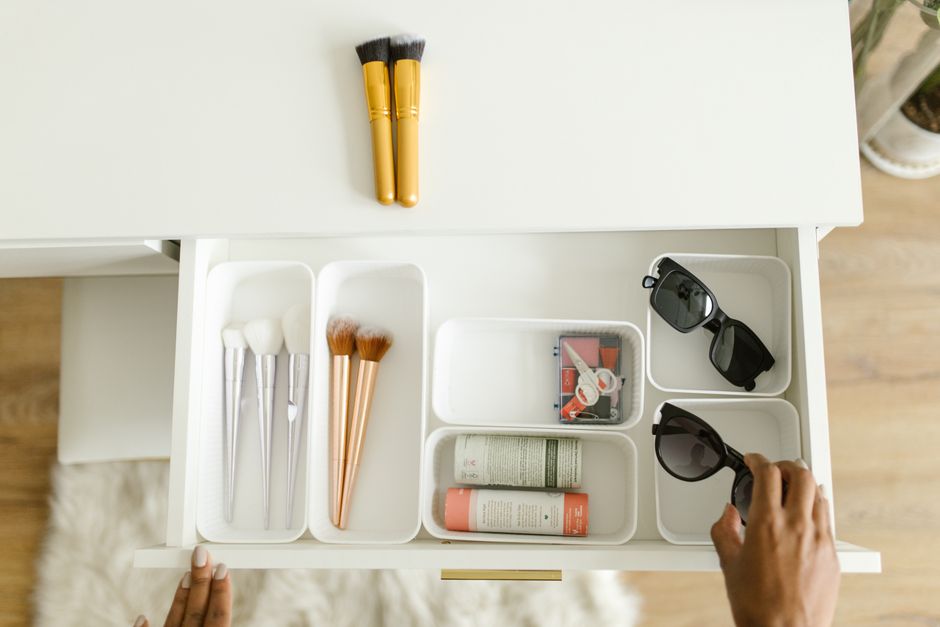
Declutter Your Life: DIY Drawer Organizers for a Fraction of the Cost
The allure of pristine, perfectly organized drawers is undeniable. Imagine effortlessly finding that stray sock, a matching pair of earrings, or that essential kitchen utensil without a frantic rummage. However, the reality of purchasing specialized drawer organizers often comes with a hefty price tag. High-end solutions, while aesthetically pleasing and often functional, can quickly deplete your budget. Fortunately, the path to an impeccably organized home doesn’t require a significant financial investment. This article will guide you through a comprehensive array of ingenious, budget-friendly DIY drawer organizer solutions, transforming cluttered chaos into streamlined efficiency, proving that effective organization can be achieved for mere pennies on the dollar compared to expensive retail alternatives.
The fundamental principle behind cheap drawer organization lies in repurposing and upcycling common household items that are often discarded or overlooked. Think beyond the neatly packaged plastic bins and cardboard dividers sold in retail stores. These readily available materials can be transformed into custom-fit solutions tailored to your specific drawer dimensions and contents. The primary advantages of DIY organizers extend beyond cost savings. They allow for unparalleled customization, ensuring a perfect fit for any drawer, regardless of size or shape. This adaptability is a significant drawback of many pre-made organizers, which often leave awkward gaps or are too large for smaller spaces. Furthermore, the act of creating your own organizers can be a satisfying and creative endeavor, fostering a sense of accomplishment and a deeper connection to your living space.
One of the most versatile and accessible materials for DIY drawer organization is cardboard. From shipping boxes to cereal boxes, the possibilities are virtually limitless. For larger drawers, consider using the sturdy corrugated cardboard from shipping boxes. Measure the internal dimensions of your drawer – the length, width, and height. Cut pieces of cardboard to create compartments of varying sizes. You can create simple rectangular dividers that slide into place, or for more robust dividers, score and fold the cardboard to create interlocking sections. For instance, to create a grid system, cut strips of cardboard to half the height of your drawer and then cut slots halfway up each strip. Interlocking these slotted strips creates a sturdy, customizable grid perfect for separating socks, undergarments, office supplies, or craft materials. For smaller drawers, like those found in desks or bathrooms, cereal boxes, tissue boxes, and even shoeboxes can be ingeniously repurposed. Cut these boxes to your desired height and then simply place them within the drawer to act as individual compartments. For a more finished look, you can cover these boxes with decorative paper, fabric scraps, or even paint them to match your decor. This approach not only organizes but also adds a touch of personal style to your drawers, a feature often lacking in generic store-bought options. The sheer adaptability of cardboard makes it an indispensable material for any budget-conscious organizer.
Another readily available and highly effective material for drawer organization is plastic. Consider repurposing plastic food containers, yogurt cups, and even old plastic cutlery trays. For kitchen drawers, thoroughly cleaned and dried plastic takeout containers are perfect for corralling utensils, gadgets, and even spices. Larger containers can house cooking oils or cleaning supplies, while smaller ones are ideal for teaspoons, bottle openers, and measuring spoons. Yogurt cups and other smaller plastic containers are excellent for organizing smaller items such as rubber bands, paper clips, coins, or loose change. These can be grouped together within a larger drawer or placed within a designated compartment for added order. If you have old plastic cutlery trays, they are already pre-segmented and can be directly placed into your kitchen drawers for immediate utensil organization. For bathroom drawers, repurposed cosmetic sample containers or travel-sized shampoo bottles can effectively store cotton swabs, cotton balls, hair ties, and bobby pins. The key with plastic containers is to ensure they are clean and free from any residue. For a more unified and aesthetically pleasing look, consider spray painting the plastic containers in a uniform color. Matte black, white, or a muted metallic can elevate the appearance of these repurposed items, making them indistinguishable from more expensive organizer solutions. This simple step can transform a collection of disparate plastic items into a cohesive and sophisticated organizational system.
Fabric and fabric scraps offer a softer, more aesthetically pleasing, and often surprisingly durable option for DIY drawer organizers. Old t-shirts, towels, or even fabric remnants from sewing projects can be transformed into custom pouches, dividers, and drawer liners. For a simple yet effective solution, consider creating fabric pouches or bags of varying sizes. Sew or even no-sew fabric tubes closed at one end and then simply place your items inside. These can be used for organizing socks, underwear, jewelry, or even charging cables. For larger drawers, like those in bedroom dressers, you can create fabric-lined dividers. Measure the internal dimensions of your drawer and cut fabric to line each compartment. You can even create removable fabric bins that fit snugly within larger drawer sections. Old towels, cut to size, can serve as excellent drawer liners, providing a soft surface for delicate items and preventing them from sliding around. For a more structured approach, you can create fabric-covered cardboard dividers. Simply cut cardboard to your desired shape and size, and then cover it with fabric using fabric glue or spray adhesive. This combines the structure of cardboard with the visual appeal of fabric. Consider using felt for a soft, non-slip surface, or a more textured fabric like linen for a sophisticated look. Upcycling old clothing is a particularly eco-friendly way to create organizers. T-shirt sleeves can be sewn shut to create small pouches, and the body of an old t-shirt can be cut into strips and braided or sewn together to create flexible dividers. The creative potential with fabric is immense, allowing for a truly personalized and comfortable organizational experience.
Beyond cardboard, plastic, and fabric, there are a multitude of other everyday items that can be repurposed for drawer organization. Empty tin cans, once thoroughly cleaned and their sharp edges filed down or covered, can be used to store pens, pencils, scissors, or even makeup brushes. Canned food lids, if they fit snugly, can act as small trays for organizing jewelry or office supplies. Even old egg cartons, cut to size, can be incredibly effective for organizing small items like earrings, rings, or beads. For larger drawers, consider using empty wine bottle boxes or other sturdy cardboard boxes as modular drawer inserts. These can be stacked and arranged to create custom compartments. For a more rustic or industrial aesthetic, consider using small wooden crates or even repurposed drawer fronts from old furniture. If you have an abundance of old magazines or newspapers, you can roll them tightly and secure them with tape or glue to create a unique and textured set of dividers. The possibilities are truly limited only by your imagination and the willingness to look at everyday objects with an organizer’s eye. The key is to assess your storage needs and then think creatively about how existing items can be adapted to fulfill those needs.
The process of creating DIY drawer organizers is straightforward and requires minimal tools. For cardboard, a sharp craft knife or box cutter and a ruler are essential for precise cutting. A scoring tool or the dull side of your knife can be used for clean folds. For fabric projects, basic sewing supplies such as a needle and thread or a sewing machine are beneficial, but no-sew options using fabric glue or strong double-sided tape are also viable. For plastic containers, a strong pair of scissors or a utility knife can be used for modifications. Hot glue guns are invaluable for securely attaching various materials, whether it’s fabric to cardboard or plastic components together. Double-sided tape can also be a useful adhesive for less demanding applications. Even simple spray adhesive can be employed for adhering fabric or paper to cardboard. The investment in these basic tools is minimal and will serve you well for countless other DIY projects, further solidifying the cost-effectiveness of this approach to organization.
When planning your DIY drawer organizer project, it’s crucial to consider the contents of each drawer. For example, kitchen drawers that house sharp utensils will require dividers that are sturdy and provide adequate separation to prevent accidents. Fabric-lined compartments might be ideal for cutlery to prevent scratching. Drawers containing delicate jewelry will benefit from soft, padded compartments to protect against damage. In a home office setting, drawers filled with pens, papers, and electronics accessories will necessitate a system that keeps items easily accessible and prevents entanglement of cables. Consider the frequency of use for items in each drawer. Frequently accessed items should be placed in easily reachable compartments, while less frequently used items can be stored in deeper or more recessed sections. Measure your drawers meticulously. Overestimating or underestimating dimensions can lead to organizers that are too large, too small, or don’t fit seamlessly. Taking the time for accurate measurements upfront will save you frustration and wasted materials later. Think about the visual appeal as well. While functionality is paramount, taking a few extra moments to cover cardboard with decorative paper or paint plastic containers can significantly enhance the aesthetic of your drawers, transforming them from utilitarian spaces to aesthetically pleasing elements of your home decor. This attention to detail elevates DIY organizers from mere functional items to decorative enhancements, a level of customization rarely achieved with mass-produced products.
The environmental benefits of choosing DIY drawer organizers over store-bought options are significant. By repurposing materials that would otherwise end up in landfills, you are actively contributing to waste reduction and promoting a more sustainable lifestyle. The production of plastic organizers, in particular, consumes considerable energy and resources. Opting for recycled cardboard or upcycled plastic diverts these materials from waste streams and gives them a new lease on life. This conscious choice aligns with the growing movement towards eco-friendly living and can provide a sense of satisfaction knowing you are making a positive impact on the planet, all while saving money. The longevity of well-constructed DIY organizers also contributes to sustainability. Unlike flimsy, cheap store-bought organizers that may quickly break or warp, thoughtfully made DIY solutions can last for years, further reducing the need for replacement and further minimizing your environmental footprint. The act of creating something useful from discarded items is inherently more sustainable than purchasing new items that often have a significant manufacturing footprint.
Beyond the practical and environmental advantages, the process of creating DIY drawer organizers can be a rewarding and even therapeutic experience. The focused nature of the task can be a welcome distraction from daily stressors, allowing you to engage in a hands-on activity that yields tangible results. For families, it can be a wonderful opportunity to involve children in a project that teaches them about organization, creativity, and the importance of reducing waste. Younger children can help with tasks like decorating boxes or sorting items, while older children can participate in the cutting and assembling of more complex organizers. This shared activity fosters teamwork and creates lasting memories, adding another layer of value to your DIY organizational endeavors. The sense of accomplishment that comes from transforming clutter into order using your own hands is a powerful motivator and can lead to a greater sense of control and peace within your living space. It’s about more than just organizing; it’s about creating a more mindful and intentional environment.
Ultimately, the decision to embrace DIY drawer organization is a pragmatic and empowering one. It offers a pathway to a more ordered and efficient living space without the financial strain of retail alternatives. By understanding the potential of everyday materials, applying a little creativity, and investing a small amount of time, you can achieve stunning organizational results that are both cost-effective and environmentally responsible. The journey from cluttered chaos to streamlined serenity is within your reach, powered by ingenuity and a few well-chosen household items. Embrace the challenge, unleash your inner organizer, and enjoy the satisfaction of a beautifully decluttered life, all on a budget. The principles outlined here provide a robust framework for tackling any drawer in your home, proving that an organized life doesn’t have to come with a premium price tag.
