
Where To Cut My Own Christmas Tree
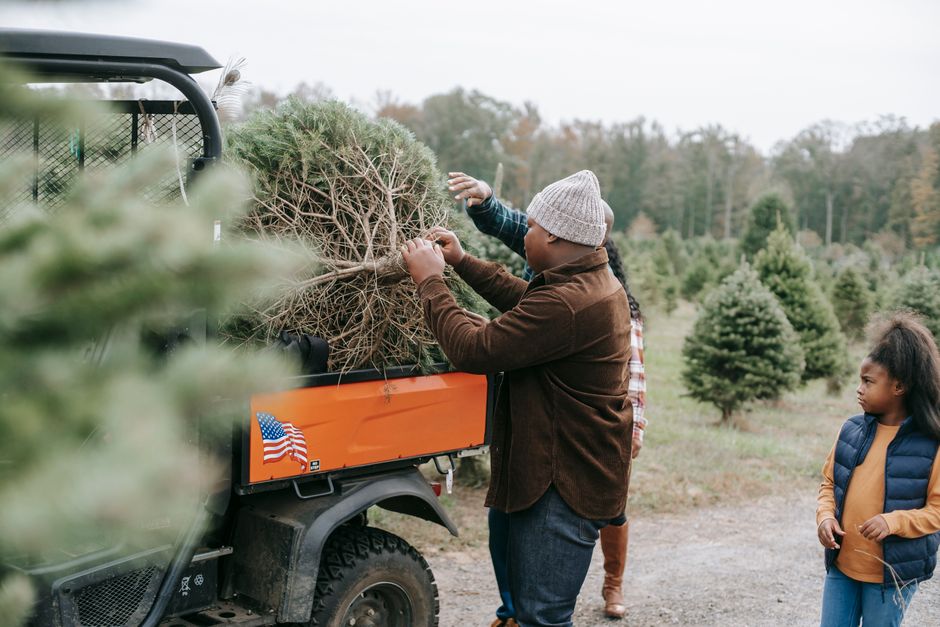
Cut Your Own Christmas Tree: A Comprehensive Guide to the Ultimate Festive Experience
The tradition of cutting your own Christmas tree offers a uniquely rewarding and authentic holiday experience. Beyond the charm of selecting and felling your own evergreen, this practice often supports local agriculture and provides a fresher, more sustainable tree than commercially harvested options. This guide will equip you with everything you need to know to successfully and safely embark on your DIY Christmas tree quest, from finding the right tree farm to ensuring your chosen fir or pine thrives throughout the season. Understanding the different types of tree farms, the specific tools you’ll need, and the best practices for tree selection and cutting are crucial for a successful outing.
Understanding Christmas Tree Farms: Choose Your Cutting Experience
Not all Christmas tree farms operate the same way. Recognizing the distinctions between different farm types will help you choose the experience that best suits your needs and preferences. The most common types are Choose and Cut farms, Pre-cut lots with U-Cut options, and Wild Tree Harvesting zones.
Choose and Cut Farms are the quintessential DIY Christmas tree destination. Here, you are given free rein to wander through rows of planted evergreen trees, select the perfect specimen, and cut it down yourself. These farms are typically family-owned and operated, offering a genuine connection to the source of your holiday centerpiece. They often provide tools like saws and twine, and some even offer assistance with loading your tree onto your vehicle. The atmosphere is usually festive, with many featuring hot cocoa, baked goods, and holiday decorations. This is the purest form of the "cut your own" experience.
Pre-cut lots with U-Cut options are a hybrid. While they primarily sell pre-cut trees displayed on their lot, they may designate specific areas or allow you to select a tree from a field and cut it yourself. This can be a good compromise if you want the option of a pre-cut tree but still desire the hands-on experience of cutting. These lots might have fewer amenities than dedicated Choose and Cut farms.
Wild Tree Harvesting zones (often found on public lands like national forests) offer a more adventurous and rustic approach. This typically involves obtaining a permit from the relevant land management agency (e.g., the U.S. Forest Service) and adhering to strict guidelines regarding where and what type of tree you can cut. These zones are not manicured like tree farms, meaning you’ll be navigating more rugged terrain. The experience is less about curated rows and more about discovery. It’s essential to thoroughly research and comply with all permit requirements, designated areas, and cutting restrictions before venturing into these zones.
Locating Your Perfect Tree Farm: Research and Resources
The first step in your cut-your-own Christmas tree adventure is finding a suitable farm or harvesting area. Several excellent resources can help you pinpoint the ideal location:
-
Online Directories and Search Engines: Websites like the National Christmas Tree Association (NCTA) offer comprehensive directories of Christmas tree farms across the country. A simple Google search for "cut your own Christmas tree near me" or "choose and cut Christmas trees [your state]" will yield numerous local results. Look for farms with active websites or social media presence, as these often provide the most up-to-date information.
-
State and Local Agricultural Departments: Many state agricultural departments maintain lists of Christmas tree farms within their borders. These can be found on their official websites. Similarly, local tourism boards or county extension offices might have information on regional farms.
-
Word-of-Mouth and Social Media: Ask friends, family, and neighbors for their favorite tree-cutting spots. Local community groups on social media can also be a valuable source of recommendations and personal experiences.
-
National Forest Service Websites: If you’re considering a wild tree harvest, visit the website for your local National Forest. They will have information on permit purchasing, designated harvesting areas, and specific regulations. Be sure to check these well in advance of your planned trip.
When researching, pay attention to details like operating hours, the types of trees available, whether they provide saws, and any special events or amenities offered.
Essential Tools for a Successful Tree Cutting Expedition
Having the right tools will make your tree-cutting experience safe, efficient, and enjoyable. While some farms provide basic equipment, it’s wise to be prepared.
-
Cutting Implement:
- Hand Saw: A sharp, sturdy handsaw is the most common and often recommended tool. A bow saw or a pruning saw with a good grip is ideal. Ensure the blade is sharp for a clean cut, which will help your tree absorb water better.
- Bow Saw: Offers excellent leverage and a relatively wide cutting area, making it efficient for thicker trunks.
- Chainsaw (Use with extreme caution and only if experienced): While faster, chainsaws are dangerous and often discouraged or prohibited by tree farms due to safety concerns and potential damage to surrounding trees. If you choose to use one, ensure you are fully trained, have proper safety gear (including chaps, eye protection, and hearing protection), and are familiar with the farm’s policies. Many farms will not permit their use.
-
Measuring Tape: Essential for ensuring the tree will fit in your home, both in terms of height and width. Measure your intended space before you go.
-
Work Gloves: Protect your hands from sap, thorns, and rough bark. Durable leather or gardening gloves are recommended.
-
Sturdy Footwear: Boots or closed-toe shoes with good traction are crucial for navigating uneven terrain and protecting your feet. Avoid sandals or open-toed shoes.
-
Warm Clothing: Tree cutting often takes place in cooler weather. Dress in layers, including a warm jacket, hat, and scarf. Waterproof outer layers are advisable.
-
Twine or Rope: For securing your tree to your vehicle after cutting. Most farms will have this available, but it’s good to have your own backup.
-
Blanket or Tarp: To protect your vehicle’s interior from sap and needles during transport.
-
Camera: To capture the memorable experience!
-
Payment Method: Cash or card, depending on the farm’s preferences.
Selecting Your Ideal Christmas Tree: From Field to Home
The process of choosing the right tree is part of the fun. Consider these factors to make an informed decision:
-
Tree Type: Different evergreen species have unique characteristics.
- Fraser Fir: Known for its excellent needle retention, pleasant scent, and strong branches that can support heavy ornaments. They have a pyramidal shape.
- Balsam Fir: Another popular choice with a strong, traditional Christmas tree fragrance and good needle retention.
- Douglas Fir: Offers a beautiful, full shape and a soft, pleasant scent. Needle retention is generally good.
- Canaan Fir: Similar to the Balsam Fir in scent and appearance, with good needle retention.
- White Pine: Has soft needles and a graceful, often layered appearance. Needle retention is excellent, but branches are more flexible.
- Scotch Pine: Possesses sturdy branches capable of holding many ornaments, with good needle retention. The needles are stiffer and grouped in bundles.
-
Size and Shape: Measure the space where your tree will stand before you leave home. Consider both height and width, ensuring there’s adequate clearance for the tree stand and any ceiling décor. Look for a tree that is full and symmetrical, with branches evenly distributed.
-
Needle Retention Test: Gently pull a branch towards you. If many needles come off, it’s not a good candidate. Healthy trees will only shed a few needles. You can also run your hand down a branch; a few needles are normal, but many coming off indicates a dry tree.
-
Branch Strength: Gently bend a few branches. They should be strong enough to hold ornaments without drooping excessively.
-
Scent: Give the tree a gentle sniff. A fresh tree will have a pleasant, piney aroma. A lack of scent can indicate a dry tree.
-
Trunk Condition: Ensure the trunk is straight and has a diameter that will fit your tree stand. A trunk that is too wide or crooked can cause problems.
The Cutting Process: Safety First, Efficiency Second
Once you’ve found your perfect tree and have your tools ready, it’s time to cut.
- Clear the Area: Ensure the area around the base of the tree is clear of debris, fallen needles, and any obstructions. This will give you ample room to work.
- Measure and Mark (Optional but Recommended): If you have a specific height requirement, use your measuring tape to ensure the tree is within your desired range. Some people like to mark the trunk at their desired cutting height.
- Position Yourself Safely: Stand in a stable position, ensuring you have good footing. If using a saw, position yourself so your body is not directly in the path of the saw blade should it slip.
- Make the Cut:
- Handsaw/Bow Saw: Begin sawing at a slight angle (about a 45-degree angle) on the side of the trunk that faces away from you. This allows the sawdust to fall away from the blade. Saw steadily and with even pressure. Don’t force the saw; let its sharpness do the work.
- Chainsaw (If permitted and experienced): Follow all safety protocols. Make a clean, straight cut.
- Support the Tree: As you near the end of the cut, the tree will start to lean. Be prepared to support it as it falls to prevent damage to surrounding trees or yourself. If possible, have someone assist you.
- Clear Debris: Once the tree is down, clear any remaining branches or needles from the trunk to make it easier to handle.
Transporting Your Christmas Tree: Getting it Home Safely
Getting your freshly cut tree home without incident is crucial.
-
Vehicle Type: The size of your vehicle will dictate how you transport your tree.
- Trucks/SUVs with Roof Racks: This is the ideal scenario. Lay the tree on the roof rack with the trunk facing forward. Secure it with strong rope or ratchet straps, tying it to both the front and rear of the vehicle. Ensure the straps are snug but not so tight that they damage the branches.
- Cars without Roof Racks: Lay the tree across the trunk and roof of the car, with the trunk extending slightly out the back. Secure it firmly with rope, again tying to both front and rear anchor points. Use a blanket or tarp underneath the tree to protect the car’s finish.
-
Securement: The tree must be tied down securely to prevent it from shifting or falling during transport. Check the tightness of the ropes periodically during the drive, especially after a few miles.
-
Visibility: If the tree extends significantly from the rear of your vehicle, attach a red flag or bright cloth to the end to make it visible to other drivers.
-
Drive Safely: Drive cautiously and at a reduced speed. Avoid sudden braking or sharp turns.
Caring for Your Cut Christmas Tree: Ensuring Longevity
Once your tree is home, proper care will keep it fresh and fragrant throughout the holiday season.
- Make a Fresh Cut: As soon as you get your tree home, make a fresh 1-2 inch cut off the bottom of the trunk. This removes any sap that may have sealed the end during transport and allows the tree to absorb water.
- Use a Quality Tree Stand: Invest in a sturdy tree stand that can hold a sufficient amount of water.
- Water Regularly: This is the single most important step. Check the water level daily and refill as needed. A tree can absorb several quarts of water in the first few days. Never let the water level drop below the cut end of the trunk.
- Keep Away from Heat Sources: Position your tree away from fireplaces, radiators, heating vents, and direct sunlight. Heat dries out the tree quickly.
- Consider a Tree Preservative (Optional): While fresh water is paramount, some people use commercial tree preservatives or homemade solutions.
- Shake Off Loose Needles: Before bringing the tree inside, give it a good shake to remove any loose needles.
By following these comprehensive steps, you can confidently embark on the rewarding tradition of cutting your own Christmas tree, creating lasting memories and bringing a truly natural and vibrant holiday centerpiece into your home.
