
Germ Warfare Quick Fixes For Your Childs Dirty Abits
Germ Warfare: Rapid Solutions for Your Child’s Dirty Habits
The persistent battle against a child’s less-than-sanitary habits is a common parental challenge. From sticky fingers smearing surfaces to unexplained grime accumulating, understanding and implementing swift, effective interventions is crucial for maintaining hygiene and fostering healthy routines. This article delves into practical, rapid-fix strategies to combat your child’s dirty habits, focusing on actionable advice that minimizes time and maximizes impact. We will explore the underlying reasons for these behaviors, providing parents with the knowledge to address the root causes while simultaneously implementing immediate solutions.
Understanding the "Why": Deciphering the Origins of Dirty Habits
Before deploying tactical germ warfare, comprehending the motivations behind your child’s unsanitary actions is paramount. Often, what appears to be deliberate dirtiness is rooted in developmental stages, exploration, or a lack of understanding. Young children, particularly toddlers and preschoolers, explore their environment through touch. Their sensory exploration naturally involves touching surfaces, objects, and then their mouths or faces. This is a critical developmental phase and not inherently malicious. They haven’t yet developed the fine motor skills or cognitive understanding to differentiate between "clean" and "dirty" in the way adults do.
Another significant factor is the role of play. Children learn and interact through imaginative play, which frequently involves mud, dirt, paint, or food. These activities, while beneficial for cognitive and social development, inevitably lead to mess. The desire for immediate gratification can also contribute. If a child is hungry, they may eat food with unwashed hands because the immediate desire outweighs the understanding of germ transmission. Similarly, if they are engrossed in an activity, the prospect of stopping to wash hands can feel like an interruption, leading to procrastination and subsequent mess.
Furthermore, habit formation plays a crucial role. If a child is not consistently guided towards hygienic practices from an early age, unhygienic habits can become ingrained. This can be due to a lack of parental oversight, inconsistent enforcement of rules, or simply an environment where cleanliness is not prioritized. Social influence can also be a factor. While less common in younger children, observing peers or older siblings engaging in less hygienic behaviors can normalize these actions. Finally, a child’s understanding of consequences is still developing. They may not grasp the link between unwashed hands and illness, making the act of washing them seem like an unnecessary chore. By understanding these underlying reasons, parents can tailor their germ warfare strategies to be more effective and less confrontational, fostering cooperation rather than resistance.
The Arsenal: Essential Tools for Rapid Hygiene Intervention
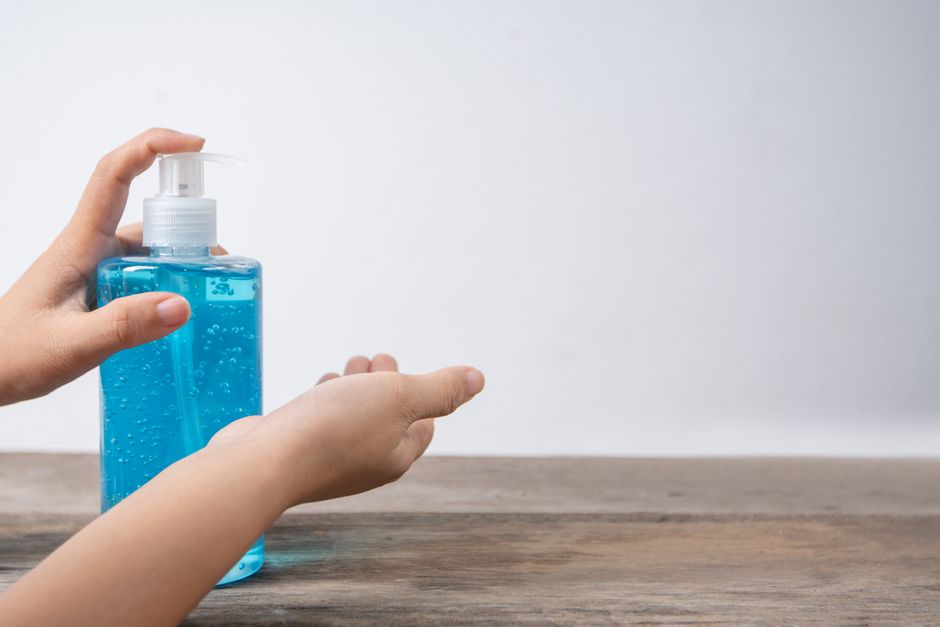
To wage effective germ warfare against your child’s dirty habits, a well-equipped arsenal is indispensable. The most potent weapon in your immediate response kit is readily accessible hand sanitizer. Opt for alcohol-based sanitizers with at least 60% alcohol content for maximum germ-killing efficacy. Keep travel-sized bottles in diaper bags, cars, and pockets for on-the-go sanitization. At home, strategically place larger dispensers in high-traffic areas like the kitchen, bathroom, and near play zones.
Next on the list are disinfecting wipes. These are invaluable for quick surface clean-ups. Choose wipes that are effective against common household germs and bacteria. They are perfect for wiping down high-touch surfaces like doorknobs, light switches, remote controls, and countertops after a messy meal or a play session. Having a dedicated container of disinfecting wipes within easy reach of the "clean-up zone" (e.g., the dining table or play mat) expedites the process.
A powerful, yet often overlooked, tool is the spray bottle filled with a mild, child-safe disinfectant solution. This is ideal for larger surfaces or areas that are not suitable for wipes, such as floors or larger toy bins. Ensure the solution is diluted according to the manufacturer’s instructions and used in a well-ventilated area. For targeted germ elimination, consider purchasing a small UV-C sanitizing wand. While more of a specialized tool, it can be incredibly effective for sanitizing frequently handled items like pacifiers, toys, or even mobile phones without the use of chemicals.
Beyond chemical agents, consider the power of effective cleaning cloths. Microfiber cloths are exceptional at trapping dirt and germs. Have a designated set of these cloths for specific cleaning tasks to prevent cross-contamination. For laundry, a good quality detergent that effectively tackles germs and odors is a must. Consider incorporating a laundry sanitizer additive for heavily soiled items or during periods of illness. Finally, having a readily available supply of fresh soap and water is the fundamental, non-negotiable cornerstone of all hygiene protocols. Ensure the soap is mild and child-friendly, and the water temperature is comfortable for your child.
Tactical Deployment: Immediate Fixes for Common Dirty Habits
The true efficacy of germ warfare lies in its swift and strategic deployment. When faced with sticky fingers post-snack, the immediate response should be a quick hand wash with soap and water, or a swipe of hand sanitizer if water isn’t immediately accessible. Don’t let the "ick factor" linger. For food-related messes on surfaces, a disinfecting wipe deployed immediately after the meal prevents germs from multiplying and stains from setting. This applies to high chairs, booster seats, and dining tables.
When toys become coated in grime or are discovered to have been in a child’s mouth, a rapid dunk in a sanitizing solution or a quick wipe-down with disinfecting wipes can be sufficient for non-porous items. For porous toys or those that cannot be easily sanitized, consider setting aside a "quarantine" area for a few days to allow airborne germs to die off. This is a passive, yet effective, germ warfare strategy.
Clothing is another battleground. Stains and dirt on clothing should be pre-treated promptly. A quick spray of stain remover or a dab of laundry detergent directly onto the soiled area before it goes into the wash can significantly improve cleaning outcomes. For particularly germ-laden clothing (e.g., from a playground encounter), consider using a laundry sanitizer additive to ensure thorough disinfection.
The bathroom floor often becomes a canvas for water splashes and errant droplets. A quick mop or wipe-down with a disinfectant solution after bath time or toilet use can prevent the spread of germs and maintain a hygienic environment. Encourage your child to participate in these quick clean-ups, turning it into a shared responsibility rather than a solitary chore.
When it comes to "accidents" on furniture or carpets, immediate action is critical. Blotting up the affected area thoroughly with paper towels and then following up with a child-safe upholstery cleaner or a diluted disinfectant solution is the fastest way to neutralize the situation and prevent lingering odors and germs. For toys that have been dropped or played with in less-than-ideal environments, a designated "toy bin cleaning day" can be implemented, where all toys are either washed, wiped, or quarantined. This proactive approach preempts a constant reactive clean-up.
Training and Reinforcement: Building a Hygiene-Savvy Generation
While immediate fixes are crucial for containing the spread of germs, long-term success in germ warfare hinges on consistent training and reinforcement. Make handwashing a non-negotiable routine before meals, after using the toilet, after playing outside, and after sneezing or coughing. Turn it into a fun activity by singing a short song or using colorful soap. Visual aids, like posters demonstrating proper handwashing technique, can be incredibly helpful for younger children.
Involve your child in the cleaning process. Even very young children can help wipe down surfaces with a damp cloth or put toys back in their designated bins. This fosters a sense of responsibility and teaches them about maintaining a clean environment. Positive reinforcement is a powerful tool. Praise your child enthusiastically when you observe them practicing good hygiene habits, like washing their hands without being asked.
Explain the "why" in simple terms. Instead of just saying "wash your hands," explain that germs are tiny creatures that can make them sick and washing their hands helps to get rid of them. Use age-appropriate language and relatable examples. For instance, you might say, "Remember when you had that sniffle? Washing our hands helps stop those sniffles from spreading."
Establish clear expectations and routines. Designate specific times for handwashing and cleaning up play areas. Consistency is key to habit formation. When rules are consistently applied, children learn what is expected of them. Consider implementing a reward system for consistent good hygiene, such as earning points towards a small privilege or toy after a week of diligent handwashing.
Lead by example. Children are keen observers and will often mirror the behaviors of their parents. Ensure you are practicing good hygiene yourself. Wash your hands regularly, clean up messes promptly, and talk about the importance of cleanliness. This modeling behavior is a fundamental aspect of effective germ warfare training. Remember that children’s attention spans can be short. Break down hygiene tasks into manageable steps and celebrate small victories. The goal is not perfection, but progress and the gradual instillation of lifelong healthy habits.
Proactive Measures: Preventing the Germ Invasion
The most effective germ warfare strategy is prevention. Implementing proactive measures significantly reduces the frequency and severity of hygiene challenges. Regularly scheduled deep cleans of high-touch surfaces, toys, and play areas are essential. This preventative maintenance minimizes the breeding grounds for germs. Establish a routine for wiping down doorknobs, light switches, remote controls, and frequently used appliances at least weekly.
Regularly wash or sanitize children’s toys, especially those that are often mouthed or handled extensively. Non-washable toys can be wiped down with disinfecting wipes. For plush toys, consider a regular cycle through the washing machine. Implement a "no food in bedrooms" or "no playing with food" rule to prevent unintended messes and germ spread. Designate specific eating areas and enforce clean-up immediately after.
Educate your child about coughing and sneezing etiquette. Teach them to cough or sneeze into their elbow rather than their hands. Provide readily accessible tissues and encourage their immediate disposal after use. Ensure your child’s vaccinations are up-to-date, as this is a crucial layer of defense against common infectious diseases.
Maintain a clean and organized living environment. Clutter can harbor dust and germs, making cleaning more difficult and less effective. Regular decluttering and tidying can contribute to a more hygienic home. When illness strikes, intensify your cleaning efforts. Disinfect all surfaces that the sick child has come into contact with frequently. This is a critical step in preventing the spread of illness within the household.
Encourage outdoor play, but with awareness. While outdoor play is vital for development, teach children to wash their hands immediately upon returning indoors, especially if they have been in contact with dirt, sand, or animals. Furthermore, ensure children have their own personal hygiene items, such as their own toothbrush and towel, to prevent the sharing of germs. Ultimately, a proactive approach to hygiene, combined with swift intervention and consistent training, creates a robust defense against the constant threat of germs and fosters a healthier environment for your child.
