
Poodle And The Toothbrush
The Poodle and the Toothbrush: A Comprehensive Guide to Dental Hygiene
The Poodle, renowned for its intelligence, distinctive appearance, and hypoallergenic coat, also demands meticulous grooming and healthcare, with dental hygiene being a cornerstone of its well-being. Just as regular brushing is essential for humans to prevent cavities, gum disease, and other oral ailments, consistent dental care is paramount for Poodles to maintain optimal health and longevity. Neglecting oral hygiene in Poodles can lead to a cascade of problems, impacting their overall quality of life and potentially leading to systemic health issues. This article delves into the critical importance of dental care for Poodles, exploring common dental problems, effective brushing techniques, the selection of appropriate tools, and the role of professional veterinary intervention, all presented with SEO in mind to empower Poodle owners with actionable knowledge.
Poodles, like all dog breeds, are susceptible to a range of dental issues that, if left unaddressed, can cause significant pain and discomfort. The most prevalent of these is periodontal disease, a progressive condition that begins with plaque accumulation and can escalate to gingivitis (inflammation of the gums) and periodontitis (destruction of the supporting structures of the teeth, including bone). Plaque, a sticky film of bacteria and food debris, forms constantly on a dog’s teeth. Without regular removal, it hardens into tartar, a calcified deposit that is significantly more difficult to dislodge and further irritates the gums. Symptoms of periodontal disease in Poodles can include bad breath (halitosis), reluctance to eat or chew, dropping food from the mouth, pawing at the mouth, bleeding gums, and tooth loss. Beyond the direct impact on the mouth, the bacteria responsible for periodontal disease can enter the bloodstream and spread to vital organs such as the heart, liver, and kidneys, leading to serious and potentially life-threatening systemic infections.
Another common dental concern for Poodles is tooth decay, or cavities. While less prevalent than in humans, Poodles can still develop caries, particularly if exposed to sugary treats or if their dental hygiene is poor. Fractured teeth are also a risk, often resulting from chewing on hard objects or accidents. A fractured tooth can expose the sensitive pulp, leading to excruciating pain and increasing the risk of infection. Dental abscesses, localized pockets of pus, can form around infected teeth or gums, causing swelling and further pain. Overcrowding of teeth, which can occur in some Poodles, can create hard-to-reach areas where food particles and bacteria can accumulate, accelerating the development of dental problems. Finally, oral tumors, though less common, are a serious concern that requires prompt veterinary diagnosis and treatment.
The cornerstone of preventing these dental ailments in Poodles is regular tooth brushing. This might seem daunting to some owners, but with patience, consistency, and the right approach, it can become a manageable and even enjoyable part of your Poodle’s grooming routine. The goal of brushing is to physically remove plaque and food debris before they can harden into tartar and cause damage. Ideally, Poodles should have their teeth brushed daily, but even brushing several times a week can make a significant difference. The frequency will depend on your individual Poodle’s predisposition to dental issues, their diet, and their overall health.
When introducing your Poodle to tooth brushing, start slowly and gradually. Begin by letting your Poodle become accustomed to you touching their mouth and muzzle. Offer positive reinforcement, such as praise and treats, for allowing you to handle their mouth. Once they are comfortable with this, introduce the dog-specific toothbrush and toothpaste. Never use human toothpaste, as it contains fluoride and xylitol, which are toxic to dogs and can cause stomach upset or more severe health problems. Dog toothpastes come in a variety of palatable flavors, such as chicken, beef, or peanut butter, which can make the experience more appealing for your Poodle.
Begin by applying a small amount of toothpaste to your finger and allowing your Poodle to lick it off. Once they associate the taste with a positive experience, you can start to gently rub it onto their teeth with your finger. Progress to using the toothbrush, starting with just a few teeth, focusing on the outer surfaces. Gently lift your Poodle’s lips to expose the teeth. Hold the brush at a 45-degree angle to the gum line, using a gentle circular or back-and-forth motion. Pay close attention to the molars and premolars, as these are the teeth most prone to tartar buildup. Don’t force your Poodle to tolerate prolonged brushing if they are showing signs of distress. Short, positive sessions are more effective than long, stressful ones.
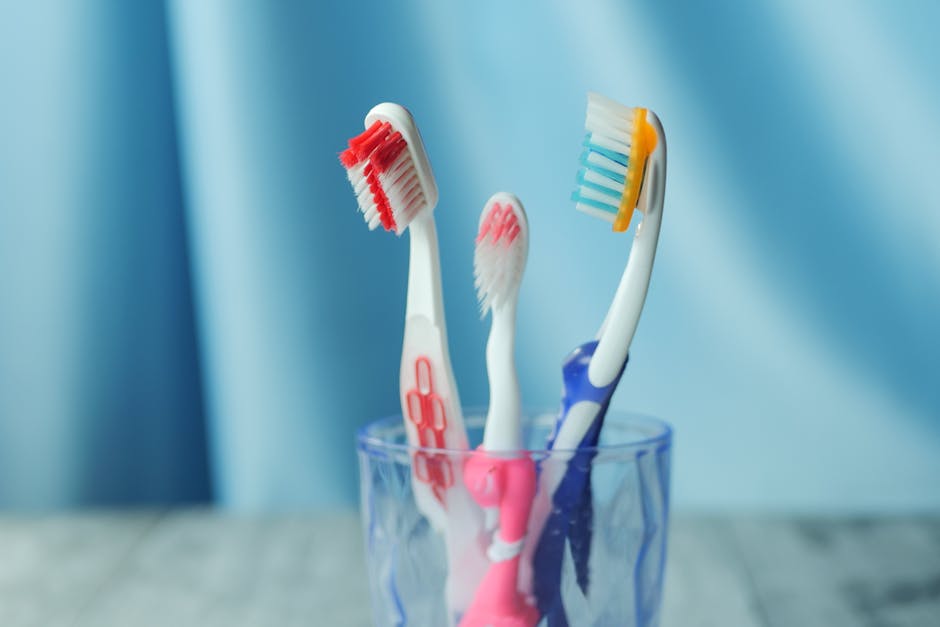
The selection of the right toothbrush and toothpaste is crucial for effective dental hygiene in Poodles. For Poodles, especially those with smaller mouths or sensitive gums, a soft-bristled toothbrush is essential. Various types of dog toothbrushes are available. Finger brushes, which slip over your fingertip, offer a good way to start and can provide a more controlled cleaning for anxious dogs. Small-headed dog toothbrushes with soft bristles are also excellent choices. Some Poodles may even tolerate electric toothbrushes designed for dogs, which can be very effective at removing plaque, but it’s vital to introduce these gradually and ensure your Poodle is comfortable with the vibration and sound.
Dog-specific enzymatic toothpastes are highly recommended. These toothpastes contain enzymes that help break down plaque and control odor-causing bacteria. They also contribute to saliva production, which naturally helps to cleanse the mouth. Again, avoid human toothpastes at all costs. Look for toothpastes that are VOHC (Veterinary Oral Health Council) accepted. The VOHC seal indicates that the product has met specific criteria for effectiveness in controlling plaque and tartar.
Beyond regular brushing, dietary choices play a significant role in maintaining your Poodle’s dental health. A high-quality, balanced dog food formulated for their life stage and breed can contribute to good oral hygiene. Some dog foods are specifically designed to help reduce plaque and tartar buildup. Kibble, with its crunchy texture, can help to mechanically scrape away some food debris and plaque. However, it’s important to note that while kibble can be beneficial, it’s not a substitute for brushing.
Dental chews and treats can also be a helpful addition to your Poodle’s dental care regimen, but they should be chosen with care. Look for veterinary-approved dental chews that are specifically designed to reduce plaque and tartar. Avoid hard chews, rawhides, or bones that can fracture teeth or cause internal blockages. Always supervise your Poodle when they are chewing on anything to prevent accidents. The VOHC also offers a list of accepted dental treats.
Despite your best efforts at home, professional veterinary dental cleanings are an indispensable part of maintaining your Poodle’s oral health. Regular veterinary check-ups should include an assessment of your Poodle’s teeth and gums. Your veterinarian can identify early signs of dental disease that you might miss. They will also recommend professional dental cleanings, which are performed under anesthesia.
During a professional dental cleaning, your veterinarian will perform a thorough oral examination, including probing the gum line to assess for periodontal pockets. They will then scale the teeth to remove plaque and tartar both above and below the gum line. After scaling, the teeth are polished to create a smooth surface that is more resistant to plaque accumulation. If necessary, dental X-rays can be taken to assess the health of the tooth roots and surrounding bone. Any diseased or damaged teeth may need to be extracted.
The frequency of professional dental cleanings will vary depending on your Poodle’s individual needs, breed predisposition, and the effectiveness of their home care. Your veterinarian will provide a personalized recommendation, but many Poodles benefit from annual or even bi-annual professional cleanings.
Recognizing the signs of dental problems in your Poodle is crucial for prompt intervention. As mentioned earlier, persistent bad breath is a significant indicator. Changes in eating habits, such as dropping food, chewing on only one side of the mouth, or seeming to struggle with chewing, warrant attention. Excessive drooling, particularly if it is thick or bloody, can also be a sign of oral pain or infection. Swelling of the gums or face, visible redness or bleeding of the gums, and loose or missing teeth are all clear indications of dental issues. If you notice any of these symptoms, schedule an appointment with your veterinarian immediately. Early detection and treatment can prevent further complications and alleviate your Poodle’s discomfort.
The long-term benefits of prioritizing dental hygiene for your Poodle are substantial. A healthy mouth contributes to a longer, happier, and healthier life. By preventing periodontal disease, you reduce the risk of systemic health problems affecting the heart, kidneys, and liver. Good oral health also means your Poodle can enjoy their food without pain, leading to better nutrition and overall well-being. Furthermore, a Poodle with a clean mouth and fresh breath is a more pleasant companion.
In conclusion, the Poodle’s health and happiness are inextricably linked to their oral hygiene. Regular tooth brushing with dog-specific toothpaste, a balanced diet, appropriate dental chews, and consistent veterinary care are essential components of a comprehensive dental care plan. By investing time and effort into maintaining your Poodle’s dental health, you are investing in their overall well-being and ensuring they can live a full and vibrant life, free from the pain and complications of dental disease. Empowering yourself with this knowledge and implementing these practices will lead to a healthier, happier Poodle.
