
Visual Journal Part Ii
Visual Journal Part II: Deepening Your Creative Practice and Unlocking New Dimensions
Visual journaling is more than just a sketchbook; it’s a dynamic, evolving space for exploration, self-discovery, and the tangible manifestation of ideas. Part I of this series laid the foundational principles: understanding the purpose, choosing your medium, and establishing a consistent practice. Visual Journal Part II delves deeper, equipping you with advanced techniques, strategies for overcoming creative blocks, and ways to integrate your visual journal into a broader creative workflow. We will explore how to move beyond initial entries and cultivate a rich, responsive practice that fuels continuous artistic growth and personal insight. This isn’t about perfection; it’s about process, experimentation, and the profound impact of consistently engaging with your inner world through visual means.
Expanding Your Toolkit: Beyond Basic Media
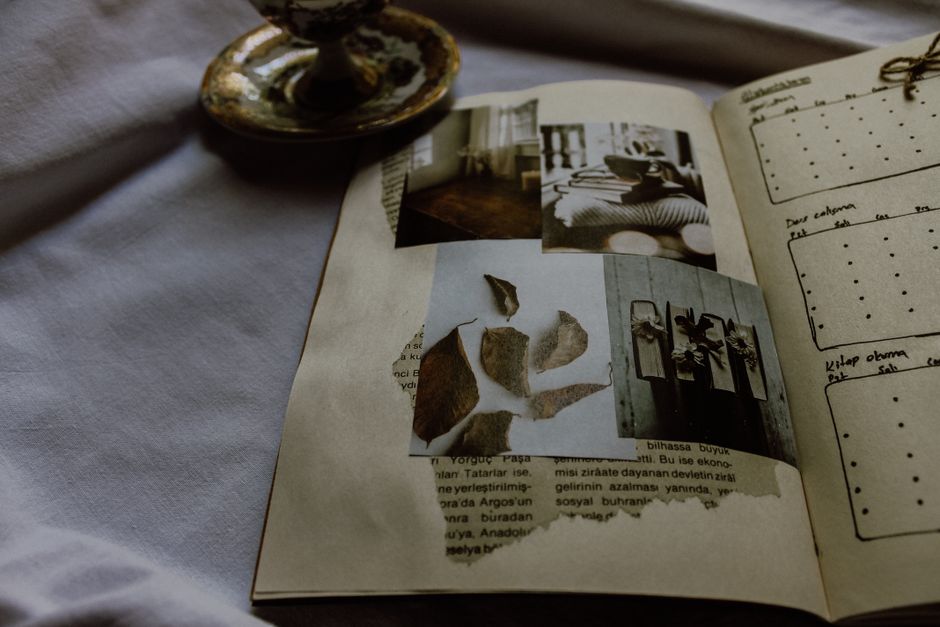
While pencils, pens, and watercolors form the bedrock of many visual journals, Part II encourages a deliberate expansion of your creative toolkit. Consider incorporating collage elements: ripped magazine pages, fabric scraps, found paper, ticket stubs, or even dried flowers. These additions bring texture, inherent meaning, and a serendipitous element to your pages. Experiment with mixed media techniques. Layering acrylics over charcoal, using gesso as a resist for ink, or applying pastels over gouache can create unexpected visual depth and complexity. Explore the tactile qualities of different papers. Textured watercolor paper offers a different feel than smooth Bristol board, and handmade papers can introduce unique surface qualities. Don’t shy away from unconventional materials. Wax crayons, oil pastels, pastels, charcoal sticks, india ink, spray inks, and even metallic markers can add distinct visual languages to your journal. The key is to view your journal as a laboratory for material exploration, where the interaction of different mediums can spark new ideas and push your aesthetic boundaries. Regularly dedicating a page or two solely to material experimentation, without the pressure of thematic content, can significantly enrich your understanding of how different elements behave and interact, which will then naturally inform your more developed entries.
Harnessing the Power of Visual Metaphor and Symbolism
Visual journaling offers a powerful avenue for exploring abstract concepts and emotions through metaphor and symbolism. Instead of directly depicting a feeling, consider how you can represent it visually. For instance, anger might be rendered as jagged lines and clashing colors, while peace could be depicted with soft gradients and flowing forms. Create your own personal lexicon of symbols. A recurring motif that represents a specific person, place, or feeling can lend significant depth and personal narrative to your journal. Don’t feel constrained by conventional meanings. The power of symbolism in visual journaling lies in its personal resonance. A simple doodle of a closed door might represent an opportunity missed, while an open window could signify hope or a new beginning. Regularly revisit past entries and observe recurring visual themes. Are there symbols you find yourself drawn to? What might they represent in the context of your current thoughts and experiences? This self-analysis can reveal subconscious patterns and provide profound insights into your inner landscape. Engaging with abstract expressionism and surrealism can offer inspiration for developing your own symbolic language. Study artists who masterfully employ metaphor, such as Georgia O’Keeffe for her evocative natural forms or René Magritte for his playful and thought-provoking juxtapositions.
Techniques for Overcoming Creative Blocks
Creative blocks are an inevitable part of any artistic practice, and visual journaling provides a potent antidote. When inspiration wanes, employ specific strategies to reignite your creative spark. Themed Prompts: Dedicate pages to responding to visual prompts. These can be as simple as a single word (e.g., "fragile," "resilience," "momentum") or a short phrase (e.g., "the feeling of being lost," "a forgotten memory"). Alternatively, use visual prompts such as a photograph, a piece of music, or even a random object. Freewriting with Images: Combine verbal freewriting with visual responses. Write for a set period without censoring yourself, then translate phrases, keywords, or the overall feeling of your writing into visual elements on the same page or a facing spread. This can create unexpected juxtapositions and unlock dormant ideas. Color Play: Sometimes, the block isn’t about content but about approach. Dedicate a session to simply exploring color. Create swatches, experiment with color combinations, or fill a page with pure, unadulterated color. This can be incredibly freeing and can indirectly stimulate ideas. Blind Contour Drawing: This exercise, where you draw an object or your hand without looking at your paper, forces you to observe closely and bypass your analytical brain. The resulting often abstract and imperfect drawings can be surprisingly evocative and spark new directions. Embrace the "Bad" Page: Give yourself permission to create pages that are intentionally "bad" or experimental. The pressure to produce aesthetically pleasing work can be a significant impediment. View these pages as practice, as learning opportunities, or simply as an exercise in letting go. Often, these uninhibited explorations can lead to unexpected breakthroughs.
Developing a Visual Narrative and Series
Visual journaling isn’t limited to standalone entries. You can foster deeper engagement by developing visual narratives and series that unfold across multiple pages. This allows for more complex explorations of themes, stories, or processes. Sequential Storytelling: If you’re inspired by a particular anecdote or experience, break it down into a series of visual "scenes" or moments. Think of it like storyboarding a film, but with the freedom of your chosen mediums. Thematic Series: Choose a concept or subject that resonates with you and dedicate a sequence of pages to exploring it from different angles. For example, a series on "light" might include studies of light filtering through leaves, the glint of metal, or the glow of a streetlamp at night. Process Journals: Document the evolution of a larger project or a skill you’re learning. This could involve sketches, material tests, reflections, and even photographs of your progress. This creates a valuable record of your creative journey. Visual Diaries of Emotions or Dreams: Dedicate a series to recurring emotions or dream imagery. Over time, patterns and connections will emerge, offering profound self-understanding. When developing series, consider how you want the pages to relate visually. Will there be a consistent color palette, recurring motifs, or a sense of flow from one page to the next? The arrangement and sequencing of your pages become an integral part of the narrative itself.
Integrating Visual Journaling into Your Creative Workflow
Your visual journal should not exist in isolation. It’s a potent tool to inform and enhance your broader creative practice, whether you’re a painter, writer, designer, or any other kind of creator. Idea Generation Hub: Treat your journal as the primary source for all your creative projects. If you’re working on a painting, your journal can be a space for color studies, compositional sketches, and thematic brainstorming. For a writer, it can be a place to sketch out characters, settings, or visualize abstract concepts related to their story. Problem-Solving Space: Encountering a creative hurdle in another project? Bring it into your visual journal. Sketch out potential solutions, explore different approaches visually, or simply use the act of drawing or painting to clear your mind and gain perspective. Mood Boards and Inspiration Collections: Beyond your own creations, your journal can be a curated space for collecting and responding to external inspiration. Cut out images from magazines, print out photographs, or jot down quotes that resonate. Respond to these with your own visual interpretations. Review and Reflection Tool: Periodically flip through your visual journal. Observe the evolution of your ideas, identify recurring themes, and note techniques you enjoyed using. This self-assessment is crucial for growth. The insights gained from your journal can directly inform your next creative endeavor, making your overall workflow more intentional and fruitful.
Mindfulness and Presence Through Visual Creation
The act of visual journaling is inherently mindful. It encourages you to slow down, observe, and be present in the moment. This aspect of visual journaling offers profound benefits beyond creative output. Sensory Awareness: Pay attention to the tactile sensations of your materials – the drag of a pencil, the smooth glide of paint, the texture of paper. Engage your sense of sight by truly observing the colors, shapes, and forms you’re creating. Emotional Regulation: The process of translating emotions into visual language can be cathartic and help you process difficult feelings. It provides a non-verbal outlet for expression, which can be incredibly freeing. Cultivating Flow State: By focusing your attention on the creative act, you can enter a state of "flow," where time seems to disappear, and you become fully immersed in the present moment. This state is not only conducive to creativity but also to overall well-being. Observational Skills Enhancement: Regularly engaging in visual journaling sharpens your observational skills. You begin to notice details in the world around you that you might have previously overlooked – the subtle shift of light, the intricate patterns in nature, the nuances of human expression. This heightened awareness enriches not only your art but also your perception of life itself. Make it a practice to intentionally engage your senses while journaling, and you’ll discover a deeper level of connection to both your inner world and the external environment.
Conclusion: The Ever-Evolving Nature of Your Visual Journal
Visual Journal Part II has explored the expansive possibilities of deepening your creative practice through advanced techniques, overcoming blocks, developing narratives, and integrating your journal into your broader workflow. Remember, your visual journal is not a static object but a living, breathing entity that evolves alongside you. There is no right or wrong way to approach it. The most important element is consistent engagement and a willingness to experiment. Continue to push your boundaries, embrace imperfections, and allow your journal to surprise you. The insights, skills, and creative momentum you gain will be invaluable, transforming your visual journal from a collection of pages into a powerful engine for continuous artistic exploration and profound personal growth. Keep creating, keep observing, and keep discovering the endless potential within your visual journey.
