
Easy Clothing Zipper Tips
Effortless Zipper Solutions: A Comprehensive Guide to Easy Clothing Zipper Tips
Zipper malfunctions are a common, yet often frustrating, household problem. From stubborn teeth to broken sliders, zippers can detract from the usability and appearance of clothing, bags, and even home furnishings. This comprehensive guide delves into practical, SEO-friendly tips for tackling a variety of zipper issues, ensuring your garments remain functional and stylish. Understanding the mechanics of a zipper and employing simple maintenance techniques can significantly extend its lifespan and prevent minor annoyances from becoming major repair jobs.
The Anatomy of a Zipper: Understanding the Components for Effective Repair
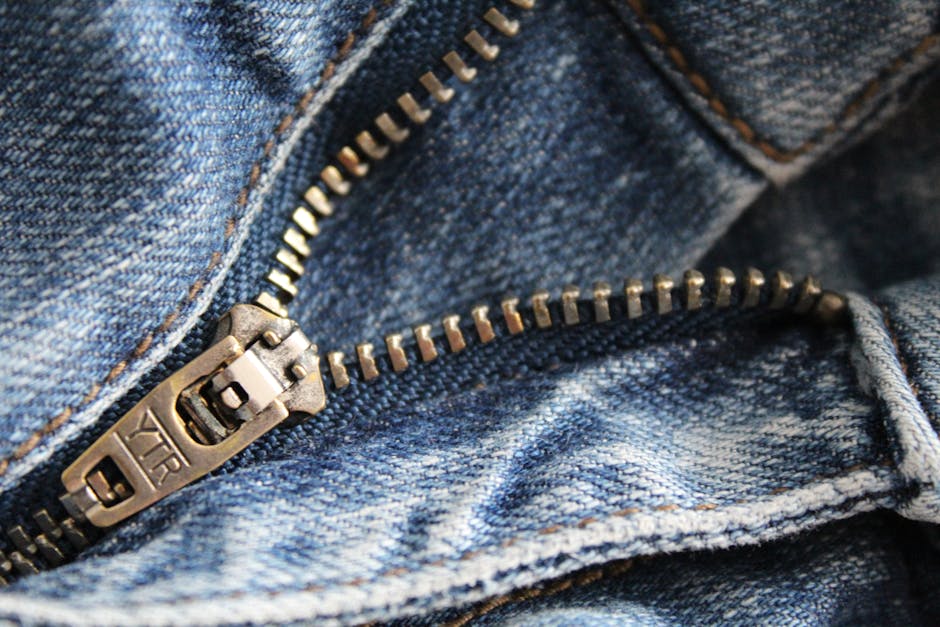
Before diving into solutions, a foundational understanding of zipper components is crucial. A typical zipper comprises several key parts: the tape, the teeth, the slider, the pull tab, and the stoppers (top and bottom). The tape, usually made of fabric or plastic, forms the base to which the teeth are attached. The teeth, typically metal or plastic, interlock when the slider moves. The slider, a metal or plastic piece, moves along the teeth, facilitating their engagement and disengagement. The pull tab is attached to the slider, providing leverage for operation. Top stoppers prevent the slider from detaching at the top of the zipper, while the bottom stopper anchors the slider at the base, preventing it from sliding off completely. Problems often arise from issues with these individual components, such as bent teeth, a loose slider, or a damaged pull tab. By identifying the specific culprit, you can apply the most effective and targeted repair.
Dealing with a Stuck Zipper: The Art of Gentle Persuasion
A stuck zipper is perhaps the most frequent and infuriating problem. Often, the issue stems from fabric snagging within the teeth or the slider itself becoming misaligned. The first and most important tip is to resist the urge to yank. Forceful pulling can bend or break teeth, exacerbating the problem. Instead, gently work the slider back and forth. If fabric is clearly caught, carefully try to dislodge it, moving the slider in the opposite direction of the snag. For persistent stiffness, lubrication is key. Graphite from a pencil is an excellent dry lubricant. Rub the pencil tip generously along the zipper teeth on both sides of the slider. The graphite will fill in microscopic imperfections and reduce friction. Alternatively, bar soap can also provide lubrication. Rub a dry bar of soap along the teeth. For stubborn cases, a tiny drop of olive oil or WD-40 can be applied sparingly with a cotton swab directly to the zipper teeth, avoiding the fabric as much as possible to prevent staining. After applying lubricant, gently try to move the slider again. Patience is paramount; allow the lubricant to work for a few minutes before attempting further movement.
Realigning a Zipper Slider: Restoring Smooth Operation
A misaligned zipper slider, where the teeth don’t properly interlock or separate unevenly, is another common issue. This often happens when the slider becomes loose over time, or after a particularly strenuous pull. The most effective solution involves slightly tightening the slider. Examine the slider’s sides. You’ll notice a small gap. Using a pair of pliers, gently squeeze the sides of the slider. Be cautious not to over-squeeze, as this can make the slider too tight to move. Apply pressure gradually and test the zipper’s movement after each slight adjustment. The goal is to create a snugger fit against the teeth, encouraging them to interlock correctly. If one side of the zipper appears to be engaging before the other, focus your tightening efforts on the corresponding side of the slider. Sometimes, a damaged slider that is bent or warped beyond repair may require replacement.
Repairing Broken or Missing Zipper Teeth: A Delicate Operation
Broken or missing zipper teeth are more challenging to fix but not always impossible, especially for minor damage. For a bent tooth, try to gently straighten it with needle-nose pliers. Be extremely delicate to avoid breaking it off entirely. If a tooth is missing, especially near the top or bottom where it doesn’t affect the overall function, you might be able to continue using the zipper. However, if a tooth is missing in the middle, it can cause the zipper to catch or separate. In such cases, a temporary fix can involve sewing a few stitches across the gap where the tooth was. This creates a barrier that prevents the slider from catching. For metal zippers, a tiny drop of super glue can sometimes reinforce a slightly damaged tooth, but this is a risky maneuver and should be attempted with extreme caution. For significant tooth damage or missing teeth, a full zipper replacement is often the most durable and aesthetically pleasing solution.
Replacing a Broken Zipper Pull Tab: Restoring Grip and Functionality
A broken or missing zipper pull tab is a simple problem with a surprisingly easy fix. The pull tab’s primary function is to provide leverage for operating the slider. Without it, many zippers become difficult or impossible to open and close. The most common and effective replacement is a paperclip. Thread a sturdy paperclip through the hole on the slider where the original pull tab was attached. For a more aesthetically pleasing or durable solution, consider using a small keyring, a loop of strong cord (like paracord), or even a specially designed zipper pull replacement available at craft or outdoor supply stores. When choosing a replacement, ensure it’s not too large, as it could snag on other clothing or accessories.
Preventative Maintenance: The Key to Longevity
The best way to deal with zipper problems is to prevent them from occurring in the first place. Regular maintenance can significantly extend the life of your zippers and keep them functioning smoothly. After washing garments with zippers, it’s advisable to inspect them. If they feel stiff, apply a graphite pencil or a small amount of wax (like beeswax or a candle stub) to the teeth. This creates a protective and lubricating barrier. When closing zippers, do so with a steady, even pressure. Avoid yanking or forcing them. If a zipper feels like it’s catching, stop and investigate the cause before continuing. Storing clothing properly can also help. Avoid cramming items into drawers or closets, which can put undue stress on zippers. When packing luggage, ensure zippers are closed smoothly and not under strain.
Dealing with Zipper Rust: Combating Corrosion
Metal zippers, especially on outdoor gear or items exposed to moisture, can be prone to rust. Rust can seize the slider and damage the teeth. To address rust, start by gently cleaning the affected area with a stiff brush (like a toothbrush) to remove loose rust particles. For light rust, a paste made from baking soda and water can be applied and left to sit for a while before being scrubbed away. For more significant rust, a specialized rust remover can be used, but always test it on an inconspicuous area first to avoid damaging the fabric. After cleaning, thoroughly dry the zipper and apply a lubricant like silicone spray or a light oil to protect against further corrosion and ensure smooth operation. Regular cleaning and drying of items with metal zippers, especially after exposure to water or salt, is crucial for prevention.
Waterproofing Zipper Issues: Protecting Against the Elements
Waterproof zippers, commonly found on outdoor apparel and bags, can sometimes develop issues with their sealing or become stiff. These zippers often have a rubberized coating or a special design to prevent water ingress. If a waterproof zipper is stiff, applying a silicone-based lubricant specifically designed for zippers can help. Avoid petroleum-based lubricants, as they can degrade the rubber coating. If the zipper is no longer effectively repelling water, the coating may be damaged or worn. In such cases, a waterproofing spray designed for fabrics and zippers can be reapplied according to the product’s instructions. Ensure the zipper is clean and dry before application for optimal adhesion.
Zipper Repair Kits: Your Go-To Solution for Common Problems
For those who prefer a more comprehensive approach or frequently encounter zipper issues, a zipper repair kit can be an invaluable investment. These kits typically contain a variety of replacement sliders, top and bottom stoppers, and sometimes even a selection of zipper teeth. They often come with instructions or a link to online tutorials, guiding you through the repair process. Having a zipper repair kit on hand means you can address most common zipper problems quickly and efficiently without needing to discard or replace the entire garment. Familiarize yourself with the contents of your kit and practice a few simple repairs on less valuable items to build confidence.
When to Seek Professional Zipper Repair or Replacement
While many zipper problems can be tackled with DIY solutions, there are instances where professional intervention is recommended. If the zipper tape is significantly torn or damaged, or if multiple teeth are missing or severely damaged, attempting a repair might be futile and could further damage the garment. High-value items or garments with intricate designs also warrant professional attention to ensure the repair is seamless and doesn’t compromise the aesthetic. Many tailors and dry cleaners offer zipper repair and replacement services. Inquire about their expertise and pricing before committing. For specialized outdoor gear or high-performance technical clothing, consider seeking out repair services that focus specifically on those types of materials and equipment, as they will have the appropriate knowledge and tools.
Conclusion: Mastering Zipper Maintenance for Lasting Garment Functionality
Mastering easy clothing zipper tips is not just about fixing problems; it’s about extending the life of your clothing, reducing waste, and ensuring your favorite items remain functional and presentable. By understanding the basic mechanics of zippers, employing simple lubrication and realignment techniques, and practicing preventative maintenance, you can significantly reduce the frustration associated with zipper malfunctions. From the simple fix of a pencil to the more involved replacement of a slider, these accessible solutions empower you to keep your zippers working smoothly, allowing you to confidently wear and use your beloved garments for years to come. Investing a small amount of time in learning these techniques can save you considerable time, money, and frustration in the long run.
