
So You Think Swearing Is Cute
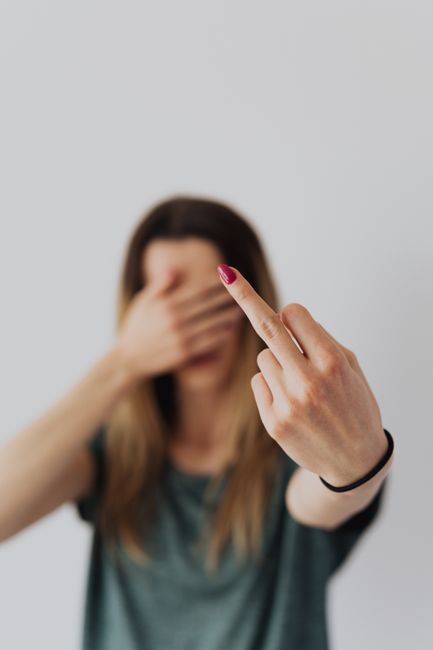
So You Think Swearing Is Cute: Deconstructing the Perceived Charm of Profanity
The notion that swearing can be "cute" is a curious psychological and social phenomenon, often born from a complex interplay of context, personality, and perceived rebellion. While the visceral impact of profanity is undeniably rooted in transgression, its perceived cuteness arises when that transgression is softened, subverted, or embraced in a manner that deviates from its aggressive or offensive intent. This article will delve into the multifaceted reasons behind this perception, exploring the psychological underpinnings, societal influences, and specific scenarios where expletives shed their harshness and acquire an unexpected, albeit often fleeting, charm. The exploration will encompass the subversion of expectations, the allure of vulnerability, the performative aspects of language, and the potential for humor, all contributing to the perplexing phenomenon of "cute" swearing.
One of the primary drivers behind the perception of swearing as cute lies in the subversion of expectations. Profanity, by its very nature, is designed to shock, offend, or express intense emotion. When these powerful words are uttered in a context where they are clearly not intended to harm or provoke, but rather to convey a lighter, more playful sentiment, the resulting incongruity can be perceived as amusing and, by extension, cute. Consider a child who, having just learned a few curse words, utters them with a bewildered innocence and a lack of understanding of their true weight. The intent is not malicious, but rather exploratory or imitative. In such instances, the shock value is mitigated by the perceived naivety of the speaker. The adult listener, recognizing the absence of malice and the presence of a nascent linguistic exploration, might find the situation endearing. This is not to say that children swearing should be encouraged, but the psychological mechanism at play highlights how context drastically alters the interpretation of even the most taboo words. Similarly, in adult interactions, a well-timed, self-deprecating curse word after a minor mishap can elicit a chuckle rather than an outcry. A stubbed toe accompanied by a mumbled "oh, shit!" delivered with a grimace and a wry smile is unlikely to be interpreted as aggressive. Instead, it becomes a relatable expression of minor pain and frustration, the profanity acting as a punctuation mark to the relatable human experience. The expectation of anger or distress is subverted by the subsequent non-aggressive reaction, rendering the utterance momentarily disarming.
The allure of vulnerability also plays a significant role in the perception of cute swearing. When individuals, particularly those who typically maintain a composed or reserved demeanor, let slip a curse word, it can signal a moment of genuine emotion or a lapse in their usual control. This perceived crack in their facade can be interpreted as a sign of authenticity and, in some cases, as disarmingly human. For instance, if a highly organized and meticulous individual makes a small error and exclaims, "Oh, for fuck’s sake!", the surprise of hearing them express such strong frustration, coupled with the understanding that it stems from genuine annoyance rather than malice, can be perceived as relatable and even endearing. It suggests that even the most controlled individuals are susceptible to moments of imperfection. This is particularly true if the swearing is followed by an immediate apology or a self-deprecating remark. The vulnerability exposed by the curse word is then further amplified by the immediate acknowledgment of its social inappropriateness, creating a cycle of perceived authenticity that can be interpreted as cute. The contrast between their usual composure and this brief outburst highlights a relatable human struggle. In a similar vein, when someone is genuinely surprised or startled, and an involuntary expletive escapes their lips, the shock itself can be seen as innocent. The word is not chosen for its offensive power but rather as an immediate, unfiltered reaction. This lack of premeditation strips the profanity of its deliberate transgression, making it appear more as a reflex, and reflexes are often seen as uncalculated and therefore less malicious.
The performative aspect of language is crucial in understanding how swearing can be framed as cute. In certain social circles, or as part of a specific persona, the deliberate and stylized use of profanity can become a form of linguistic performance. This is not about genuine anger or distress, but rather about adopting a certain attitude or expressing a particular facet of one’s personality. Think of certain comedic performances, where exaggerated curses are used for comedic effect, their outrageousness contributing to the humor. The audience understands that it is a deliberate choice, a theatrical element. The "cuteness" here arises from the skill of the performer in manipulating language to elicit a specific emotional response, often laughter, which is inherently positive. This performative swearing can also be observed in online communities, where certain expressions of frustration or exasperation, laced with profanity, are used ironically or as a way to signal camaraderie. The shared understanding of the hyperbole and the underlying sentiment creates a sense of in-group humor. The "cute" aspect emerges from the shared joke and the playful rebellion against conventional language. Furthermore, the conscious adoption of a "bad girl" or "rebellious" persona, which might include the strategic use of swear words, can be perceived as cute precisely because it is a deliberate, often self-aware, performance. The individual is not necessarily inherently rebellious, but rather playing a role, and the performative nature of this role can be seen as charmingly audacious. This taps into the allure of perceived danger or edginess that is ultimately harmless, a common theme in what society deems "cute" or appealing.
The role of humor is inextricably linked to the perception of cute swearing. Profanity, when deployed humorously, can act as a release of tension and a source of unexpected amusement. The incongruity of using a taboo word in a lighthearted or absurd context can be highly effective in generating laughter. Consider a friend who, in recounting a ridiculous story, punctuates the narrative with a surprisingly mild but contextually appropriate expletive. The humor comes from the unexpectedness of the word, the way it adds a punchline to an already funny situation, and the knowledge that the speaker is not genuinely upset. This is a conscious use of language to create amusement, and when successful, it can make the speaker appear witty and engaging, qualities often associated with attractiveness or "cuteness." The shared laughter creates a positive emotional bond, further solidifying the perception of the swearing as a charming element rather than an offensive one. Moreover, the element of surprise in humorous swearing can be particularly effective. When a word that typically carries negative connotations is used in a situation that is clearly not negative, the subversion of the expected emotional response can be genuinely funny. This is why observational humor often incorporates mild profanity to punctuate relatable absurdities of everyday life. The "cuteness" then stems from the shared understanding of the human condition and the ability to find humor in its messiness.
The specific lexicon of swear words also influences their perceived cuteness. Certain milder expletives, often referred to as "light profanity," are more likely to be categorized as cute than their more aggressive counterparts. Words like "heck," "darn," "blazes," or even euphemisms like "sugar" or "fudge" are so far removed from their original offensive intent that they have become almost quaint. When these are used, the speaker is often mimicking older forms of expression or employing them ironically, adding a layer of playful nostalgia or self-awareness. This deliberate use of mild or archaic expletives can signal a certain innocence or a disarming lack of genuine anger. On the other hand, even more potent swear words can be perceived as cute when uttered with a specific tone or intent. For example, a dramatic sigh followed by a quiet, almost whispered "Oh, god," can convey a sense of overwhelming but ultimately manageable exasperation, making it more relatable than a shouted, aggressive curse. The sheer volume and intensity of the chosen profanity can also contribute to the perception of cuteness if it is clearly disproportionate to the situation. A loud, drawn-out "Noooooo!" accompanied by a mild expletive after dropping a single potato chip can be perceived as comically over-the-top, and therefore, amusing and cute. The exaggerated reaction highlights the playful aspect of their frustration.
Ultimately, the perception of swearing as cute is a testament to the nuanced and subjective nature of human communication. It demonstrates that language, even its most taboo elements, is not static but fluid, its meaning profoundly shaped by the context in which it is used, the intentions of the speaker, and the interpretations of the listener. What one person finds offensive, another might find amusing, rebellious, or even endearing. The "cuteness" of swearing is not an inherent quality of the words themselves, but rather a construct of social and psychological factors that transform transgression into a form of relatable, humorous, or performative expression. Understanding these underlying mechanisms allows for a deeper appreciation of how language, in its most unexpected forms, can evoke a range of emotional and cognitive responses, challenging our preconceived notions about what is considered acceptable, and even charming, in our daily interactions. The perceived charm lies in the defiance of expectation, the exhibition of relatable flaws, and the masterful manipulation of linguistic boundaries to create moments of shared humanity and amusement.
