
How To Make Cantaloupe Even Sweeter 2
Unlock the Sweetest Cantaloupe: Advanced Techniques for Superior Flavor
To achieve peak cantaloupe sweetness, the journey begins long before the fruit is harvested. Soil health is paramount, acting as the foundation for nutrient uptake and subsequent flavor development. Cantaloupes thrive in well-drained, loamy soil with a pH between 6.0 and 7.0. Incorporating generous amounts of organic matter, such as compost and aged manure, in the fall prior to planting is crucial. This organic matter improves soil structure, aeration, and water retention, while also providing a slow-release source of essential nutrients like nitrogen, phosphorus, and potassium, all vital for healthy plant growth and fruit sugar accumulation. Nitrogen is critical for vegetative growth, but excessive nitrogen late in the season can lead to lush foliage at the expense of fruit sweetness. Therefore, a balanced fertilization approach is key. Phosphorus plays a significant role in flower and fruit development, while potassium is instrumental in sugar translocation and overall fruit quality. Testing soil before planting allows for targeted amendments to address any deficiencies, ensuring the cantaloupe plant has the optimal building blocks for sweetness. Furthermore, avoiding planting cantaloupes in the same spot year after year (crop rotation) is essential to prevent the buildup of soil-borne diseases and nutrient depletion, which can indirectly impact the plant’s ability to produce sweet fruit. Companion planting can also play a subtle but important role. Planting basil near cantaloupes, for instance, is believed by some gardeners to deter pests and potentially enhance flavor. While scientific evidence for flavor enhancement in this specific instance is limited, the general principle of a healthy, biodiverse garden ecosystem supporting robust plant health, and thus better fruit quality, holds true.
Sunlight exposure is another non-negotiable factor dictating cantaloupe sweetness. Cantaloupes are sun-loving plants and require a minimum of 6-8 hours of direct sunlight daily to photosynthesize efficiently. Photosynthesis is the process by which plants convert light energy into chemical energy in the form of sugars. The more efficiently a plant can photosynthesize, the more sugars it can produce, which then accumulate in the fruit. Selecting a planting location that offers unobstructed sunlight throughout the day is therefore critical. Overcast conditions or partial shade will significantly hinder sugar production, resulting in a less sweet and potentially bland cantaloupe. This also extends to the growth phase. As the fruit begins to develop and mature, adequate sunlight ensures that the sugars produced in the leaves can be effectively transported to and stored within the fruit. Even with ideal soil and variety selection, insufficient sunlight will ultimately cap the potential sweetness of the cantaloupe. In regions with shorter growing seasons or more frequent cloud cover, choosing early-maturing varieties and employing techniques like row covers or cloches during the initial growth stages can help maximize sunlight exposure and accelerate maturity, leading to sweeter fruit. Mulching with black plastic can also increase soil temperature, which in turn promotes root development and nutrient uptake, indirectly contributing to healthier plants that can better utilize sunlight.
Water management is a delicate balancing act when aiming for maximum sweetness. While cantaloupes need consistent moisture for healthy growth, overwatering, especially as the fruit ripens, can dilute the sugars and lead to a watery, less flavorful melon. The goal is to provide adequate water to support the plant’s physiological processes without saturating the soil, which can stress the roots and hinder sugar concentration. Drip irrigation or soaker hoses are ideal methods as they deliver water directly to the root zone, minimizing evaporation and leaf wetness, which can contribute to fungal diseases. The frequency and volume of watering should be adjusted based on weather conditions, soil type, and the stage of plant growth. During the initial vegetative growth and flowering stages, consistent watering is crucial. However, as the fruit approaches maturity, watering should be reduced significantly. This slight stress from reduced water availability encourages the plant to concentrate its sugars within the fruit as a survival mechanism. The soil should be allowed to dry out slightly between waterings during this ripening phase. Signs of optimal watering include firm, plump fruit, while signs of overwatering might manifest as soft spots or a lack of intense sweetness. Conversely, severe underwatering will lead to stunted growth and small, underdeveloped fruit, also negatively impacting sweetness. Therefore, understanding the plant’s water needs at each stage is paramount.
Proper pruning techniques can significantly enhance cantaloupe sweetness by directing the plant’s energy towards fruit development rather than excessive vine growth. Cantaloupe plants are vigorous growers, and if left unpruned, they can produce a large number of fruits that are small and less sweet due to a dilution of resources. The primary goal of pruning is to encourage the plant to produce fewer, larger, and sweeter fruits. For vining varieties, a common practice is to prune back the main vine once it reaches a certain length, typically after it has set a few fruits. This encourages the development of lateral branches, which are more productive in terms of fruit set. Furthermore, it’s often recommended to thin the fruits on these lateral branches, leaving only one or two of the healthiest-looking fruits per branch. This ensures that the plant’s limited resources are concentrated on developing a few prime fruits, leading to higher sugar content. For bush varieties, pruning might be less intensive but still involves removing any weak or overcrowded stems and thinning developing fruits. Identifying and removing male flowers can also be beneficial, as they do not contribute to fruit production and can consume valuable plant energy. By strategically removing excess foliage and fruit, the cantaloupe plant is essentially forced to invest more energy and resources into the remaining fruits, thereby increasing their sugar concentration. This focused energy allocation is a direct contributor to superior sweetness.
Variety selection is a cornerstone for achieving naturally sweet cantaloupes. Not all cantaloupe varieties are created equal when it comes to sugar content. Some cultivars are bred specifically for their high sugar levels (Brix ratings), while others may be more disease-resistant or have different textural qualities. When choosing seeds or seedlings, research varieties known for their sweetness. Look for terms like "high sugar," "excellent flavor," or specific Brix ratings in the seed catalog descriptions. Popular sweet varieties include ‘Honey Rock,’ ‘Super Sugar,’ ‘Minnesota Midget’ (known for its intense flavor despite its size), and several heirloom varieties that have been cultivated for centuries for their taste. Consider your growing season length and climate. Some of the sweetest varieties may require a longer growing season. If you have a shorter season, opt for early-maturing sweet varieties. Another factor to consider is the intended use. If you plan to eat the cantaloupe fresh, varieties with a high sugar content and a rich aroma are ideal. If you intend to use it for smoothies or other preparations where sweetness is a significant component, prioritizing high-sugar varieties is even more important. Reading reviews and consulting with local gardening experts or agricultural extension offices can provide valuable insights into the best-performing sweet varieties for your specific region. The genetic predisposition for sweetness is a fundamental determinant, and choosing the right variety sets the stage for success before any cultivation techniques are applied.
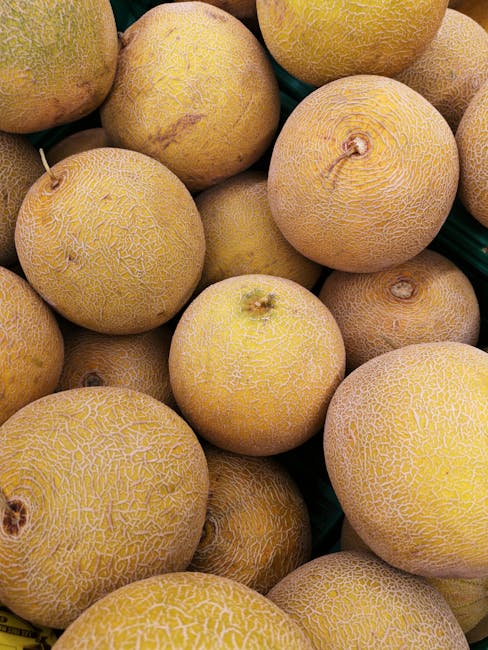
Harvest timing is perhaps the most critical factor for maximizing cantaloupe sweetness. A cantaloupe picked too early will lack its full flavor and sweetness, while one left on the vine for too long can become overripe and mushy, losing its desirable texture and developing fermented notes. The ideal harvest time is when the cantaloupe has reached its peak ripeness. Several visual and olfactory cues can help determine this. The rind color will transition from green to a creamy yellow or beige, with a distinct netting pattern that becomes more pronounced. The most reliable indicator is the "slip" – the point where the stem naturally separates from the fruit. A ripe cantaloupe will detach easily from the vine with a gentle twist or pressure. If you have to force it off, it’s likely not ready. Another crucial sign is the aroma. A ripe cantaloupe will emit a sweet, musky fragrance from the blossom end. The stronger and sweeter the smell, the riper and sweeter the fruit is likely to be. The tendril closest to the fruit should also be dry and withered. Conversely, a green rind, a firmly attached stem, and a lack of aroma indicate an underripe melon. Overripe melons may have soft spots, a dull rind color, and a less pleasant, slightly fermented smell. Regularly checking your cantaloupes in the week leading up to their expected maturity allows you to catch them at their absolute sweetest point.
Enhancing sweetness through post-harvest techniques is also possible, though these methods are best applied to cantaloupes that are already near peak ripeness. While you cannot magically make an unripe melon sweet, you can optimize the sweetness of a ripe melon. One such technique is allowing the cantaloupe to "cure" for a short period after harvesting. This involves letting the melon sit at room temperature for 1-3 days. During this time, the sugars within the fruit can further concentrate as some of the excess moisture evaporates. This curing process is particularly effective for melons that were harvested just before their absolute peak. It’s important not to cure for too long, as this can lead to overripening and a loss of texture. Another post-harvest consideration is temperature. While cantaloupes ripen best at room temperature, once fully ripe, they should be chilled for optimal flavor and to slow down the ripening process. However, chilling an underripe cantaloupe will halt the ripening process and prevent it from ever developing its full sweetness. Therefore, ensure the cantaloupe is fully ripe before refrigerating. For those seeking an even more intense sweetness, a very light drizzle of honey or a sprinkle of sugar can be added just before serving, but this is a superficial enhancement and does not alter the intrinsic sweetness of the fruit itself. The focus should always be on cultivating and harvesting a naturally sweet cantaloupe.
Fertilization strategies during the growing season play a nuanced role in sweetness. While a good start with compost is essential, targeted fertilization can further boost sugar production. As the plant begins to flower and set fruit, a shift in nutrient focus is beneficial. Reducing nitrogen levels and increasing phosphorus and potassium is recommended. Potassium is particularly crucial as it aids in the translocation of sugars from the leaves to the fruit. A fertilizer with a higher middle number (phosphorus) and a higher last number (potassium) compared to the first number (nitrogen) can be beneficial during this stage. For example, a 5-10-10 or a similar ratio fertilizer can be applied according to package directions. It’s important to avoid over-fertilization, which can lead to nutrient imbalances and potentially harm the plant or negatively impact flavor. Organic fertilizers, such as bone meal (for phosphorus) and kelp meal (for potassium and micronutrients), can provide a slow-release source of these essential elements. Monitoring the plant’s overall health and appearance can also guide fertilization decisions. Yellowing leaves might indicate a need for magnesium, which is also involved in photosynthesis. However, the primary focus for sweetness during fruit development is on potassium.
Managing pests and diseases is an often-overlooked aspect of achieving sweet cantaloupes. A stressed plant, weakened by pest infestations or disease, will divert its energy from fruit development and sugar production to defense and recovery. This can result in smaller, less sweet fruits. Proactive pest and disease management is therefore crucial. This includes practicing good garden hygiene, such as removing fallen leaves and debris where pests and diseases can overwinter. Choosing disease-resistant varieties can significantly reduce the likelihood of problems. Companion planting can deter certain pests. For example, marigolds are known to repel nematodes. Early detection and intervention are key. Inspecting plants regularly for signs of pests like aphids, spider mites, or squash bugs, and diseases like powdery mildew or downy mildew, allows for prompt treatment. Organic pest control methods, such as insecticidal soap or neem oil, can be effective against many common cantaloupe pests. For diseases, improving air circulation around the plants by proper spacing and pruning, and avoiding overhead watering, can help prevent fungal issues. A healthy, vigorous plant, free from the stresses of pests and diseases, is a plant that can dedicate its full resources to producing the sweetest possible cantaloupes.
The role of temperature and environmental conditions cannot be overstated. Cantaloupes are warm-season crops and thrive in consistently warm temperatures, ideally between 70-90°F (21-32°C). Extreme fluctuations in temperature, particularly cold snaps or prolonged periods of intense heat, can stress the plant and negatively impact sugar development. During the fruit ripening stage, warm, sunny days followed by cooler, but not cold, nights are often ideal for sugar accumulation. The cooler nights allow the plant to slow down its respiration, meaning it uses less of the sugars it has produced, leaving more to accumulate in the fruit. Conversely, extremely hot nights can lead to increased respiration, reducing the amount of sugar available for storage in the fruit. Therefore, while ample sunlight is crucial, the overall temperature profile during the ripening period plays a significant role in the final sweetness of the cantaloupe. In regions prone to extreme heat, providing some afternoon shade for the plants during the peak of summer might be beneficial, especially for young fruit. However, for ripening fruit, consistent warmth is generally preferred. Understanding your local microclimate and the typical temperature patterns during the growing season is vital for optimizing cantaloupe sweetness.
The concept of vine pulling or vine pruning as a ripeness indicator, while sometimes discussed, requires careful consideration. Some gardeners advocate for gently tugging on the vine to gauge ripeness. The theory is that as the fruit ripens and sugars concentrate, the connection to the vine becomes weaker. However, this method is subjective and can easily lead to premature harvesting if not executed with extreme care. A more reliable indicator is the natural slip mentioned earlier. Another technique sometimes employed is "vine pulling," where the main vine is bent or lightly severed a few days before harvest. The idea is that this stresses the plant, encouraging it to send all remaining sugars to the fruit. While this might have some effect, it’s crucial to be very conservative with this technique. Overdoing it can damage the plant and negatively impact the fruit quality. The primary focus should always be on understanding the natural ripening signals of the cantaloupe itself. Relying on external, potentially damaging techniques should be a last resort and approached with extreme caution. The natural processes of the plant, when nurtured, are usually the most effective path to sweetness.
Finally, the sugar content of a cantaloupe is measured using a refractometer, which measures the amount of soluble solids, primarily sugars, in the fruit’s juice. This is known as the Brix scale. A fully ripe, sweet cantaloupe will typically have a Brix reading of 10 or higher. While home gardeners may not have access to refractometers, understanding this measurement helps to contextualize the pursuit of sweetness. The techniques discussed – soil health, sunlight, water management, pruning, variety selection, harvest timing, pest control, and temperature – all directly or indirectly influence the plant’s ability to produce and accumulate sugars, ultimately impacting the Brix reading of the harvested fruit. By implementing a comprehensive approach that addresses each of these factors, the likelihood of growing exceptionally sweet cantaloupes is significantly increased. It is a holistic endeavor, where every stage of the plant’s life cycle contributes to the final flavor profile.
