
Category Beauty And Fashion
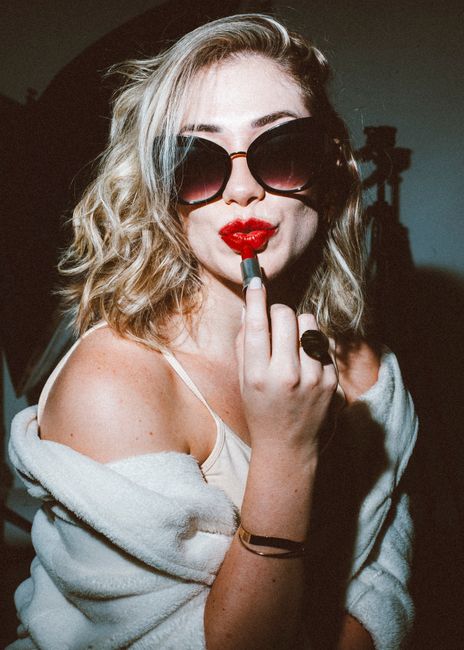
Unveiling the Nexus: Beauty and Fashion as Intertwined Expressions of Self
The realms of beauty and fashion are not discrete entities but rather deeply interconnected pillars of personal expression, societal trends, and individual identity. Fashion, in its broadest sense, encompasses the prevailing styles in clothing, footwear, accessories, and hairstyles. Beauty, conversely, refers to the aesthetic qualities of an individual, encompassing their physical appearance, makeup, skincare, and the overall presentation of their persona. These two domains, while seemingly distinct, operate in a symbiotic relationship, constantly influencing and shaping each other to reflect evolving cultural narratives, technological advancements, and individual desires. Understanding this intricate dance between what we wear and how we present ourselves is crucial for navigating the contemporary landscape of personal branding, consumerism, and the very definition of aesthetic appeal.
The historical trajectory of beauty and fashion reveals a persistent dialogue between them. For centuries, clothing served not only a functional purpose but also as a powerful indicator of social status, wealth, and occupation. Elaborate textiles, intricate embellishments, and specific silhouettes communicated a wearer’s position within society. Simultaneously, beauty practices, from ancient Egyptian kohl to Renaissance powdered wigs, were integral to this social signaling. A well-groomed appearance, a particular hairstyle, or the application of cosmetics could amplify the message conveyed by one’s attire, reinforcing or even dictating societal perceptions. The Renaissance era, for instance, saw fashion embrace opulent fabrics and voluminous silhouettes, while beauty ideals favored pale skin, rosy cheeks, and meticulously styled hair, all contributing to an image of aristocratic refinement. Similarly, the Victorian era’s restrictive corsetry and demure dresses were complemented by subtle makeup and tightly controlled hairstyles, projecting an image of modesty and social propriety.
In the modern era, the relationship between beauty and fashion has become even more dynamic and democratized. The rise of mass media, particularly fashion magazines and later, the internet and social media, has accelerated the dissemination of trends. What was once dictated by royalty and aristocracy is now influenced by designers, celebrities, influencers, and even everyday consumers who share their styles online. A runway collection presented in Paris can inspire street style in Tokyo and beauty tutorials on YouTube within days. A new lipstick shade launched by a major cosmetic brand might be paired with a particular clothing silhouette by trendsetters, quickly solidifying a cohesive aesthetic. The influence is reciprocal; a particular makeup trend, such as bold eyebrows or a dewy skin finish, can inspire designers to create clothing that complements this facial focus, perhaps with more minimalist necklines or strategically placed embellishments around the décolletage.
The fashion industry, with its seasonal collections and constant innovation, often sets the stage for beauty trends. Designers often collaborate with makeup artists and hairstylists to create a complete look for their runway shows. These curated visions, presented to a global audience, serve as powerful previews of what’s to come. For example, a collection inspired by the roaring twenties might feature flapper-style dresses and be paired with finger waves and smoky eyes, instantly signaling a revival of that era’s aesthetic in both domains. Conversely, a resurgence of vintage fashion will inevitably bring back related beauty practices, such as specific eyeliner styles or lipstick colors. The color palette of a fashion season heavily influences the beauty products that gain prominence. If a collection features an abundance of earthy tones, consumers are likely to gravitate towards bronzers, nudes, and warm-toned eyeshadows. If the fashion leans towards vibrant neons, expect to see a surge in brightly colored lipsticks and eye shadows.
The digital age has amplified this interconnectedness exponentially. Social media platforms like Instagram, TikTok, and Pinterest have become virtual runways and beauty salons, enabling rapid trend diffusion and the democratization of style. Influencers, both micro and macro, play a pivotal role in bridging the gap between high fashion and everyday consumers, showcasing how designer pieces can be integrated into daily wardrobes and how specific beauty routines can enhance their overall look. User-generated content, where individuals share their outfits and makeup looks, creates a feedback loop, allowing brands to gauge consumer preferences and adapt their offerings accordingly. A viral TikTok challenge showcasing a particular makeup technique can directly lead to a surge in sales of the featured products and inspire designers to incorporate elements that resonate with this emerging beauty trend into their next collections. This constant exchange of ideas and visuals creates a fertile ground for innovation and experimentation in both beauty and fashion.
Beyond trends, the fundamental purpose of both beauty and fashion is personal expression. Clothing and makeup are tools that individuals use to communicate their identity, mood, aspirations, and affiliations. A woman choosing a power suit for a business meeting is employing fashion to project confidence and professionalism. Her choice of subtle, polished makeup further reinforces this message. Conversely, an individual opting for brightly colored, avant-garde clothing and bold, artistic makeup is using both fashion and beauty to express creativity and individuality. The intersection of these choices allows for nuanced and multifaceted self-representation. The increasing acceptance of gender fluidity in fashion has also opened up new avenues for beauty expression, with traditional gendered norms in both makeup and clothing being challenged and redefined.
The economic impact of the beauty and fashion industries is substantial, with a significant portion of consumer spending directed towards these sectors. These industries are driven by a constant cycle of innovation, marketing, and consumption. The desire for newness, for staying current with trends, and for enhancing one’s personal aesthetic fuels demand. The rise of fast fashion and the proliferation of affordable beauty brands have made style and beauty more accessible than ever before, leading to increased purchasing power and a more frequent replenishment of wardrobes and makeup bags. However, this accessibility also raises important questions about sustainability and ethical production, which are increasingly influencing consumer choices and driving demand for eco-friendly materials and cruelty-free beauty products. The fashion industry’s move towards sustainable fabrics and ethical sourcing is often mirrored in the beauty industry’s focus on natural ingredients and responsible packaging.
The psychological impact of beauty and fashion cannot be overstated. For many, engaging with these domains is a form of self-care and empowerment. Experimenting with new makeup looks or trying on a new outfit can boost confidence and mood. The feeling of being well-dressed and well-groomed can translate into a more positive self-image and a greater sense of agency. This psychological connection is deeply rooted in the human desire for belonging and for making a positive impression on others. The choices we make in beauty and fashion are often a subconscious attempt to align ourselves with certain social groups or to project a desired persona. The aesthetic choices made in fashion and beauty are therefore intrinsically linked to our mental well-being and our perception of ourselves within the social fabric.
The concept of "personal branding" has further solidified the symbiotic relationship between beauty and fashion. In an increasingly competitive professional and social landscape, individuals are encouraged to cultivate a distinct personal brand, and this brand is heavily influenced by their aesthetic presentation. A consistent and well-defined style in both clothing and beauty can create a memorable and impactful impression. For example, a tech entrepreneur might opt for a minimalist, high-quality wardrobe paired with a clean, understated beauty routine, projecting an image of efficiency and sophistication. A creative professional, on the other hand, might embrace more expressive fashion choices and experimental makeup looks, signaling their artistic flair and innovative thinking. The deliberate curation of one’s appearance in both fashion and beauty becomes a powerful tool for career advancement and personal recognition.
The influence of global cultures on beauty and fashion is also a significant factor. As the world becomes more interconnected, so too do aesthetic sensibilities. Traditional beauty practices and fashion styles from different cultures are increasingly being adopted and adapted by global audiences. This cross-pollination leads to exciting new fusion trends, where elements from diverse cultural heritages are blended to create unique and innovative looks. For instance, the popularity of K-beauty (Korean beauty) has introduced new skincare rituals and makeup techniques worldwide, influencing Western beauty standards and product development. Similarly, traditional textiles and silhouettes from various regions are being reinterpreted in contemporary fashion, showcasing a growing appreciation for global aesthetics. This cultural exchange enriches both the beauty and fashion industries, fostering a more diverse and inclusive approach to style.
The technological advancements in both beauty and fashion are further blurring the lines between the two. In beauty, advancements in ingredient science, cosmetic formulation, and application tools have led to more sophisticated and personalized products. Think of AI-powered skincare analysis or 3D-printed makeup. In fashion, technological integration is evident in smart textiles, wearable technology, and the use of virtual reality for design and shopping experiences. These innovations not only enhance functionality and convenience but also create new possibilities for aesthetic expression. For example, the ability to virtually "try on" clothes and makeup before purchasing them is a direct integration of technology into the decision-making process for both fashion and beauty items. Furthermore, the development of sustainable and biodegradable materials in fashion is paralleled by the beauty industry’s focus on eco-friendly packaging and ethically sourced ingredients, reflecting a shared concern for environmental impact.
Ultimately, the category of beauty and fashion represents a complex and ever-evolving ecosystem of personal expression, cultural influence, and economic activity. It is a space where individuals can explore their identities, experiment with their presentation, and connect with others. The continuous interplay between what we wear and how we adorn ourselves ensures that these two domains will remain inextricably linked, constantly adapting to new trends, technologies, and the ever-changing aspirations of humanity. The future of beauty and fashion lies in their continued ability to empower individuals, celebrate diversity, and foster a sense of creative freedom. As societal norms continue to evolve, so too will the definitions and expressions of beauty and fashion, promising an exciting and dynamic future for this multifaceted category. The ongoing dialogue between designers, makeup artists, consumers, and the broader cultural landscape will undoubtedly continue to shape and redefine the boundaries of what is considered stylish and beautiful.
