
Style On The Cheap
Style on a Shoestring: Mastering Fashion Without Breaking the Bank
Acquiring a wardrobe that exudes personal style and confidence doesn’t necessitate a substantial financial investment. Smart shopping strategies, a keen eye for quality over quantity, and a commitment to extending the lifespan of your garments are the cornerstones of achieving fashionable looks affordably. The notion that high fashion is exclusive to those with deep pockets is a pervasive myth. Instead, a curated approach, focusing on versatile pieces and strategic acquisition, empowers individuals to cultivate a sophisticated and trendy aesthetic without succumbing to the pressure of constant consumerism or exorbitant prices. This article will delve into actionable techniques for building a stylish wardrobe on a budget, covering everything from smart purchasing habits to the art of styling existing pieces.
Strategic Shopping: The Foundation of Affordable Style
The most effective way to achieve style on a budget is through intelligent and deliberate shopping. This involves understanding your personal style, identifying wardrobe gaps, and knowing where and when to find the best deals. Before embarking on any shopping spree, a thorough closet audit is paramount. Take stock of what you already own. What pieces are staples? What is rarely worn? What items are damaged or ill-fitting? This inventory will prevent duplicate purchases and highlight areas where strategic additions can enhance your existing wardrobe’s versatility. Once you have a clear picture of your needs, shift your focus to mindful purchasing. Instead of impulse buys, prioritize quality pieces that will withstand trends and wear. Look for classic silhouettes in durable fabrics. A well-made blazer, a pair of dark-wash jeans, a crisp white button-down shirt, and a little black dress (or equivalent for your personal style) are foundational items that can be dressed up or down and will remain relevant for years.
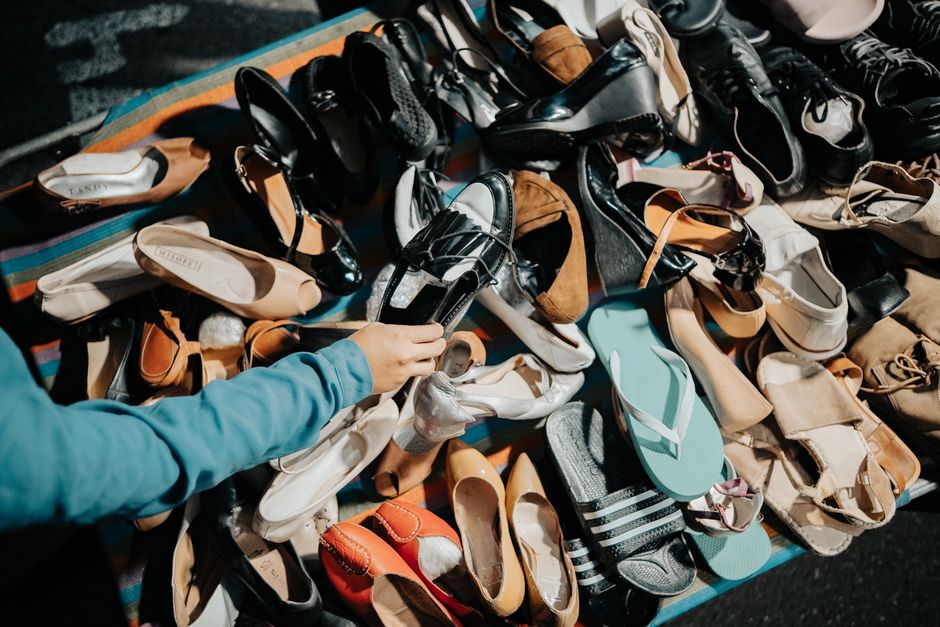
When it comes to acquiring these staples, consider the resale market. Thrift stores, consignment shops, and online marketplaces like Poshmark, Depop, and eBay are goldmines for high-quality, pre-loved clothing. These platforms often feature designer brands and contemporary pieces at a fraction of their original cost. The key is patience and persistence. Regularly browsing these sites and visiting physical thrift stores will increase your chances of unearthing hidden gems. Don’t be afraid to explore vintage sections for unique finds that can add character to your outfits. When thrifting, inspect garments meticulously for any signs of wear and tear, such as stains, holes, or loose seams. A minor repair can often be a small price to pay for a fantastic find.
Furthermore, understanding the sale cycles of your favorite retailers is crucial. Black Friday, Cyber Monday, end-of-season sales, and seasonal clearance events offer significant discounts on both trendy and classic items. Sign up for email newsletters from brands you admire to be alerted to upcoming sales. Consider using browser extensions that track price drops or offer discount codes. However, resist the urge to buy something solely because it’s on sale. It should align with your established style and fill a genuine wardrobe need. Another smart strategy is to invest in versatile "workhorse" pieces that can be styled in multiple ways. For instance, a plain black midi skirt can be paired with a t-shirt and sneakers for a casual look or a blouse and heels for a more formal occasion.
The Power of Accessories: Elevating Any Outfit
Accessories are the unsung heroes of affordable style. They possess the remarkable ability to transform a simple, inexpensive outfit into something polished and fashion-forward. A well-chosen scarf, a statement necklace, a stylish belt, or a pair of on-trend earrings can instantly elevate basic pieces and inject personality into your ensemble. Focus on a few high-impact accessories that complement your core wardrobe. For example, a collection of versatile scarves in different colors and patterns can breathe new life into a plain t-shirt and jeans or a simple sheath dress. Leather belts in classic black and brown can cinch waists, add definition to oversized tops, and tie together different elements of an outfit.
Jewelry is another powerful tool. Instead of accumulating a vast collection of cheap, easily tarnished pieces, invest in a few well-made, timeless items. A delicate gold or silver chain, a pair of classic stud earrings, or a minimalist cuff bracelet can add a touch of sophistication to any look. For more adventurous styles, consider a few statement pieces that can serve as conversation starters. Again, the resale market is an excellent resource for affordable jewelry, often featuring vintage and unique designs.
Handbags also play a significant role in styling. A versatile crossbody bag in a neutral color is a practical and stylish everyday option. A larger tote can be functional for work or travel. For evening events, a small clutch or wristlet is essential. Similar to clothing, prioritize quality over quantity. A well-made leather bag, even if purchased pre-owned, will look better and last longer than multiple cheap synthetic alternatives. Don’t underestimate the impact of shoe choices. A clean, well-maintained pair of shoes can make or break an outfit. Investing in comfortable and stylish footwear that can be worn with multiple looks is a smart financial decision. Consider classic options like white sneakers, loafers, ankle boots, and simple sandals, which form the backbone of many stylish wardrobes.
DIY Fashion: Repair, Repurpose, and Personalize
The most eco-friendly and budget-conscious approach to style is to maximize the potential of what you already own. This involves embracing a DIY (Do It Yourself) mindset. Learning basic sewing skills can be incredibly empowering. Mending a loose button, reattaching a hem, or patching a small hole can significantly extend the life of your garments, saving you money and reducing textile waste. Many online tutorials and YouTube videos offer step-by-step guides for common clothing repairs.
Beyond simple repairs, consider repurposing and upcycling old clothing. A pair of jeans that no longer fit can be transformed into shorts, a denim skirt, or even a tote bag. Old t-shirts can be cut and restyled into trendy crop tops or used as fabric for DIY accessories. Embracing customization can also add a unique flair to your wardrobe. Consider adding patches to a denim jacket, embroidering details onto a plain shirt, or dyeing fabrics to achieve a new look. These DIY projects not only save money but also result in truly unique pieces that reflect your individual creativity.
Don’t underestimate the power of alteration. A slightly ill-fitting garment can be dramatically improved with minor adjustments. Learning to take in a waist, shorten a hem, or adjust sleeve length can make off-the-rack clothing look like custom-made pieces. If sewing isn’t your forte, consider finding a local tailor. While there’s an initial cost, the investment in making your existing clothes fit perfectly will pay dividends in terms of wearability and confidence.
Building a Capsule Wardrobe: The Ultimate Budget-Saver
A capsule wardrobe is a curated collection of essential, versatile clothing items that can be mixed and matched to create a wide variety of outfits. The core principle is quality over quantity, focusing on timeless pieces that suit your personal style and lifestyle. Building a capsule wardrobe is an incredibly effective way to save money because it eliminates the need for constant new purchases and reduces the temptation of impulse buys. It encourages intentionality and ensures that every item in your closet serves a purpose and can be worn in multiple combinations.
The process of building a capsule wardrobe begins with defining your personal style and understanding your daily activities. What colors flatter you? What silhouettes are most comfortable and confidence-boosting? What are the practical requirements of your work and social life? Once these are established, identify a color palette, typically consisting of 2-3 neutral base colors (e.g., black, white, grey, navy, beige) and 2-3 accent colors. These colors should complement each other, allowing for maximum outfit creation.
Next, select your foundational pieces. This usually includes items like well-fitting trousers or skirts, classic tops (t-shirts, blouses, sweaters), a versatile jacket or blazer, and a reliable coat. The emphasis should be on neutral colors and timeless designs. For example, a pair of black tailored trousers, a white button-down shirt, a grey crewneck sweater, and a black blazer can form the basis of numerous professional and smart casual looks. Add in accessories like scarves and jewelry to further diversify your styling options. The key is to ensure that each item can be paired with at least 3-4 other items in your capsule. Regularly reassess your capsule wardrobe to ensure it still meets your needs and to identify any gaps that can be filled with strategic, high-quality purchases.
Smart Fabrics and Garment Care: Extending Your Wardrobe’s Lifespan
The fabrics you choose and the way you care for your clothing significantly impact their longevity and, consequently, your budget. Prioritize natural fibers like cotton, linen, wool, and silk. These materials are generally more durable, breathable, and comfortable than synthetic alternatives, and they tend to age more gracefully. While some natural fiber garments might have a higher initial cost, their extended lifespan often makes them a more economical choice in the long run. Look for good quality weaves and stitching, as these are indicators of a well-made garment.
Proper garment care is non-negotiable for a budget-friendly wardrobe. Always follow the care instructions on the garment’s label. Washing clothes in cold water whenever possible, using gentle detergents, and avoiding harsh chemicals will help preserve fabric integrity and color. Air-drying clothes instead of using a high-heat dryer is also a fantastic way to prevent shrinkage, fading, and damage to elastic fibers. For delicate items, consider hand-washing or using a mesh laundry bag in the washing machine.
Invest in good quality hangers to maintain the shape of your garments. Store items properly, folding sweaters to prevent stretching and hanging dresses and blouses to avoid creases. Regular cleaning of your wardrobe, including vacuuming and dusting, can also prevent pests and mildew from damaging your clothes. Promptly addressing stains before they set is crucial. A variety of stain removal techniques exist, and keeping a few common stain removers on hand can save garments from permanent damage. By treating your clothes with care and attention, you are essentially investing in their longevity, which translates directly into financial savings.
Embracing Trends Mindfully: The Art of the "Trend-Forward" Budget Shopper
While timeless pieces are the bedrock of a sustainable and affordable wardrobe, incorporating current trends can keep your style fresh and relevant. The trick to doing this on a budget is to be selective and strategic. Instead of investing heavily in fleeting fads, opt for trend-driven pieces that are relatively inexpensive and can be easily integrated into your existing wardrobe. This might include trendy tops, accessories like statement earrings or colorful scarves, or shoes in a popular silhouette.
Thrift stores and fast-fashion retailers (used judiciously) can be excellent sources for affordable trendy items. The key is to view these purchases as temporary additions to your wardrobe rather than long-term investments. Consider how a trendy item can be styled with your classic staples to create a modern look. For instance, a brightly colored cardigan in a trending hue can be paired with your favorite neutral-toned jeans and a classic white t-shirt.
Another smart approach is to adapt trends using existing items. For example, if a particular sleeve style is trending, see if you can achieve a similar look by tucking or cuffing sleeves on garments you already own. Following fashion bloggers and influencers who focus on budget-friendly style can provide inspiration for incorporating trends in an affordable way. Ultimately, the goal is to be aware of current styles but not to be dictated by them. Prioritize pieces that genuinely appeal to you and can be integrated seamlessly into your personal aesthetic without straining your finances.
Building Confidence Through Style: The Real Value of Affordable Fashion
The ultimate benefit of mastering style on a budget extends far beyond mere financial savings. It’s about cultivating self-assurance and a strong sense of personal identity. When you feel good about what you’re wearing, your confidence naturally shines through, impacting how you present yourself to the world. This empowerment is not dependent on the price tag of your clothing. It stems from the thoughtful curation of your wardrobe, the understanding of what flatters you, and the ability to express your individuality through your fashion choices.
Developing a personal style on a budget encourages creativity and resourcefulness. It teaches you to look beyond the obvious and to find beauty and value in unexpected places. The process of thrifting, upcycling, and styling existing pieces fosters a deeper connection with your clothing and a greater appreciation for craftsmanship and sustainability. This conscious approach to consumption not only benefits your wallet but also aligns with a more mindful and responsible lifestyle. Ultimately, style on the cheap is not about deprivation; it’s about intelligent choices, creative expression, and the profound satisfaction of looking and feeling your best without breaking the bank.
