Travel, in its most common manifestation, often resembles a fleeting encounter rather than a profound experience. The typical tourist arrives, navigates well-trodden paths, captures familiar landmarks, dines at guidebook-approved establishments, and frequents popular nightlife spots. While organized tours offer a curated glimpse into a destination, genuine, deep engagement with local life remains elusive for many. This superficial approach, characterized by a passive consumption of experiences, leaves travelers with a sense of detachment, a missed opportunity for true cultural immersion. Even seasoned travelers who advocate for a more authentic style often find themselves simply extending their stay without fundamentally altering their interaction with a place, primarily focusing on cost reduction rather than genuine connection.
The idealized vision of spontaneously befriending locals and embarking on cinematic adventures rarely materializes. This disconnect stems from the inherent transience of tourist interactions; travelers are, by definition, passing through. Furthermore, local populations are not universally predisposed to forming deep friendships with temporary visitors. In many instances, locals maintain a professional or polite distance, their daily lives largely uninfluenced by the transient influx of tourists. While occasional meaningful encounters do occur, they are not the norm.
Achieving a truly transformative travel experience necessitates a commitment to staying, to embedding oneself within a community. Understanding a place in its true essence requires prolonged exposure, time sufficient to cultivate genuine relationships and contribute meaningfully. The most impactful journeys I have undertaken involved actively participating in the life of a community, not merely observing it from the periphery. This commitment to contribution and extended presence fosters a deeper understanding and connection that fleeting visits cannot replicate.
The imperative for travelers to give back is increasingly recognized. Historically, identifying legitimate organizations and opportunities for meaningful volunteer work or impactful contribution was a significant challenge. Navigating the landscape of ethical initiatives and ensuring that efforts genuinely benefited local populations required extensive research and often considerable uncertainty.
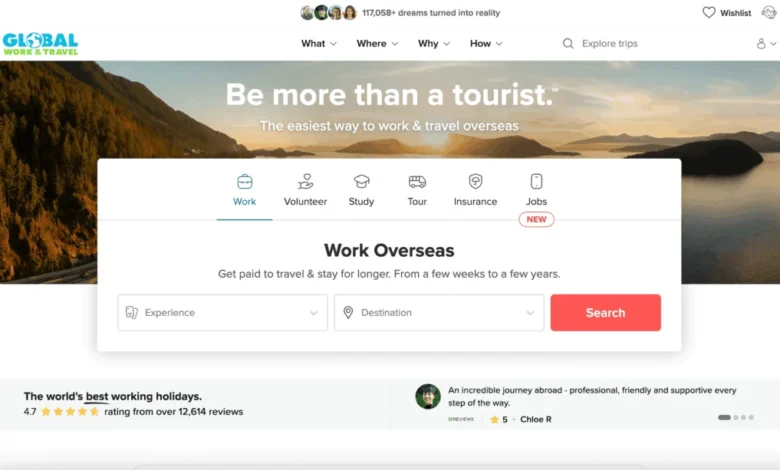
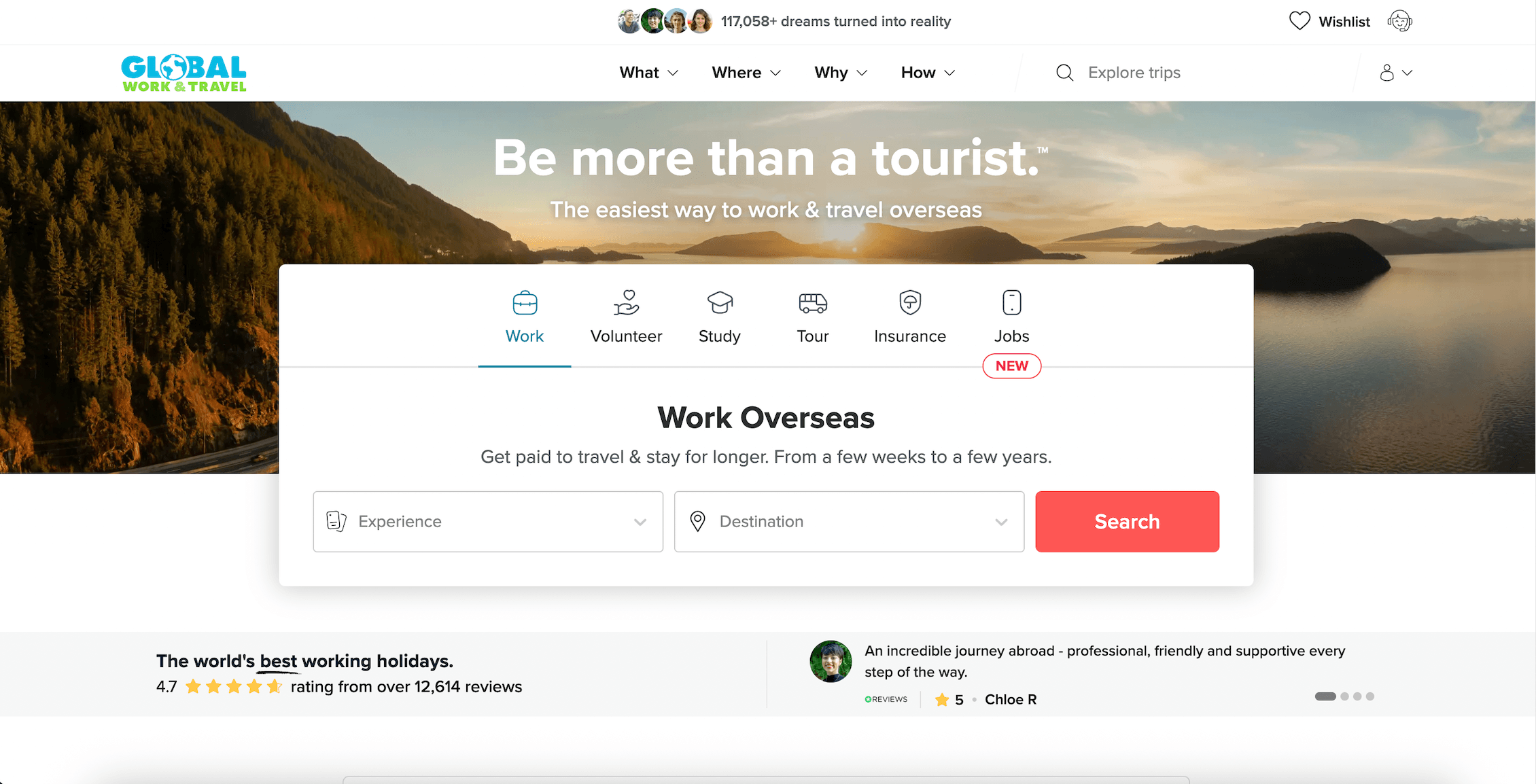
However, the contemporary travel landscape has evolved. A burgeoning ecosystem of organizations now facilitates not only meaningful volunteer opportunities but also paid employment for individuals seeking to live and work abroad. Among these, Global Work & Travel has emerged as a significant facilitator, offering a structured pathway for those aspiring to more immersive travel experiences. The company provides a comprehensive framework, simplifying the often-complex logistics of relocating and integrating into a new environment.
Global Work & Travel: Bridging the Gap for International Aspirations
Global Work & Travel stands as a prominent global gap year company, with nearly two decades of experience in placing individuals in working holiday programs, volunteer initiatives, teaching positions, internships, and a diverse array of other international opportunities. To date, the organization has facilitated the journeys of over 116,000 individuals, spanning destinations across the United Kingdom and Europe, the Americas, Asia, Africa, and the Pacific.
The prospect of relocating and establishing oneself in a foreign country presents considerable challenges, even for experienced travelers. Securing employment as a temporary resident, finding stable accommodation beyond short-term rentals, navigating the intricacies of local transportation, and competing for jobs against local candidates are just some of the initial hurdles.
Companies like Global Work & Travel provide a crucial support structure, a safety net that demystifies the process of working abroad. They streamline essential elements such as job matching, pre-departure guidance, visa assistance, placement services, and ongoing support through their proprietary gWorld portal. This integrated digital platform serves as a central hub for trip management, consolidating all necessary information and facilitating organization. For first-time participants, this robust support system can be the decisive factor between contemplating an international experience and actualizing it. The programs offered are diverse and cater to a wide range of interests and career aspirations.
The Rise of the Working Holiday Maker: A New Paradigm for Long-Term Travel
For the past decade, the "digital nomad" archetype has represented the aspirational pinnacle of long-term travel—the ability to work remotely, earn in a strong currency, and reside in more affordable locales. This model, while attractive, is inherently exclusive, catering to a specific subset of individuals possessing remote employment, a requisite income level, and often a degree of career stability that many younger travelers have yet to achieve.
Working holidays offer a compelling alternative, effectively reversing the traditional digital nomad dynamic. Instead of transplanting an existing job, participants secure employment upon arrival. This approach fosters integration into the local economy, rather than maintaining a detached presence. Social connections are forged through the workplace, diverging from the more transient interactions common in coworking spaces or hostels. Crucially, this model facilitates the building of a life in a new location, transcending the mere establishment of a temporary routine.
In essence, working holiday makers are experiencing a more grounded and accessible iteration of the idealized digital nomad lifestyle. They are not merely passing through; they are actively living in their chosen destination. This entails establishing professional relationships, adhering to a schedule, and possessing a tangible reason to remain beyond a brief sojourn, thereby cultivating the potential for genuine, enduring connections.
This approach is significantly more attainable for the majority of aspiring international residents. It negates the necessity for a remote business or extensive prior experience. All that is required is the willingness to embark on the journey and the appropriate framework to facilitate the transition. This shift in focus is palpable, moving from the question of "How can I work remotely?" to "How can I realistically live and work abroad for an extended period?"
Structured programs like those offered by Global Work & Travel are instrumental in this paradigm shift. They effectively dismantle the primary barriers—job acquisition, visa navigation, and initial setup—thereby enabling individuals to transition from aspiration to tangible reality. For a considerable number of travelers, this represents not merely an alternative to the digital nomad lifestyle but a more sustainable, accessible, and realistic pathway to experiencing life and work in a foreign country.
The Enduring Significance of Ethical Volunteering
The realm of international volunteering carries a complex reputation, and a candid acknowledgment of its challenges is essential. A significant number of volunteer programs exist that offer little genuine benefit to local communities, primarily serving to provide travelers with a perceived sense of accomplishment without tangible impact, often driven by profit motives. Global Work & Travel distinguishes itself by rigorously vetting its partner programs. These vetted initiatives span critical areas such as wildlife conservation, community development, education, and healthcare in the regions where the company operates, ensuring participants engage with legitimate and impactful projects.
The case for well-structured, ethically managed volunteerism remains robust. When individuals collaborate with local communities, such as those in Zanzibar on development priorities they themselves have identified, or participate in wildlife conservation efforts in South Africa, or contribute to elephant rehabilitation programs in Thailand, a profound shift in global perspective can occur. Such engagement not only contributes to the betterment of a place but also fosters a deep understanding of the genuine needs of local populations and ecosystems, and aids in overcoming the challenges they face. This immersive experience broadens horizons and fundamentally alters one’s worldview.
Furthermore, Global Work & Travel’s Global Animal Welfare Fund directly channels resources into conservation projects at their partner sites, amplifying the impact beyond individual volunteer placements and ensuring a sustained positive effect on environmental initiatives.
The Transformative Power of Working Holidays
Working holidays offer an unparalleled opportunity to truly experience a country, moving beyond the superficiality of a typical visit. Participants immerse themselves in the local culture by adopting the daily routines of residents. This immersion naturally leads to broader social connections, fostering friendships with both locals and fellow international travelers. A significant advantage is the ability to earn income while abroad, enabling extended stays that allow for a deeper exploration of local life, the discovery of lesser-known locales, and a genuine understanding of how people live in different parts of the world. Moreover, working holidays contribute to the development of valuable skills, enhance resumes with international experience, and make long-term travel more financially feasible by offsetting costs through earned wages. The resulting cultural understanding far surpasses that gained from any short-term vacation. Earning while traveling adds an undeniable practical benefit to this enriching experience. Ultimately, working holidays transform travel from a brief respite into a sustainable lifestyle.
Global Work & Travel’s Operational Strengths
Global Work & Travel is recognized as a global leader in facilitating extended international travel, offering a comprehensive suite of options for individuals seeking to volunteer, work, or simply spend significant time in a chosen destination. Several key aspects of their operation warrant commendation:
- Comprehensive Support System: From initial inquiry through to pre-departure preparations and ongoing in-country support, the company provides a robust framework that minimizes logistical stress for travelers. This includes assistance with visa applications, cultural orientation, and access to a dedicated support network.
- Vetted Program Quality: A stringent vetting process ensures that all volunteer and work programs align with ethical standards and deliver tangible benefits to local communities and environments. This commitment to quality assurance provides peace of mind for participants.
- Global Reach and Diversity of Opportunities: With programs available across multiple continents, Global Work & Travel caters to a wide spectrum of interests, from conservation and education to hospitality and skill-based internships. This global network allows for a truly diverse range of experiences.
- Affordability and Accessibility: The company actively works to make extended international travel more accessible. Their deposit structure, starting from as little as $1, and emphasis on earning potential through working holidays, reduce financial barriers.
- Integrated Digital Platform (gWorld): The gWorld app serves as an all-encompassing trip management tool, consolidating essential documents, communication channels, and program information, thereby enhancing the overall organizational experience.
Frequently Asked Questions
Do I need prior experience to work abroad with Global Work & Travel?
For most programs, a foundation of basic work experience is generally sufficient. Teaching programs include TEFL certification, and volunteer opportunities are often accessible with no prior experience required.
What is the minimum age requirement?
The majority of programs are open to individuals aged 18 and above. Working holiday visas typically have an upper age limit of 35, which can vary by destination country. Volunteer and teaching programs, however, are generally open to a broader age range, from 18 to 80.
How long does the entire process typically take?
The timeline varies depending on the specific program and destination. Most individuals book their trips 6 to 12 months in advance to allow ample time for planning, job matching, and securing necessary visas. Initial deposits can be as low as $1.
Is my financial investment secure if circumstances change?
Global Work & Travel’s lifetime deposit policy ensures that initial payments do not expire. Additionally, the company is affiliated with numerous consumer protection services, providing further assurance and security for travelers’ funds.
Can I participate as a solo traveler?
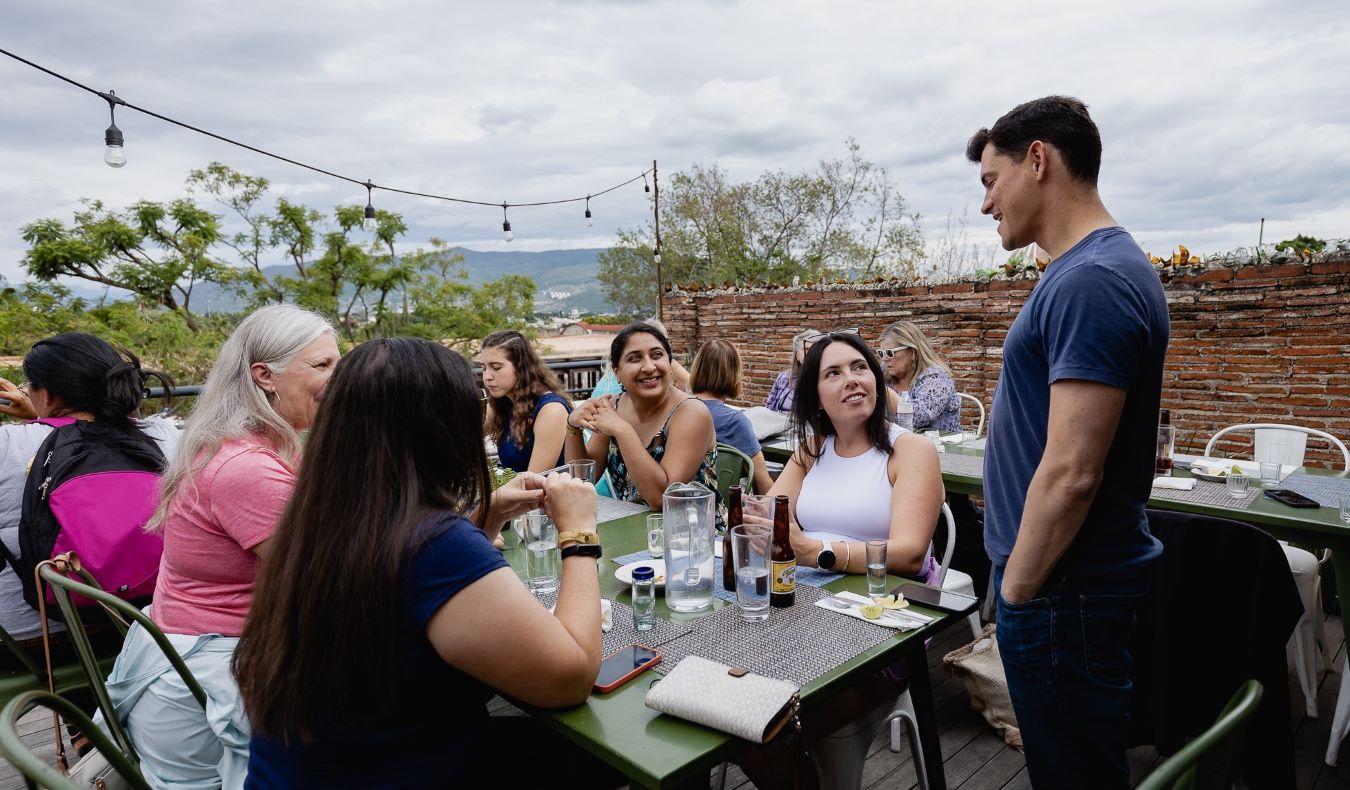
Absolutely. Solo travel is a very common scenario for participants. The gWorld Community and program group connections facilitate rapid integration and the formation of new relationships with individuals in similar situations.
True travel transcends mere tourism; it is about forging genuine connections and creating experiences that resonate long after the journey concludes. The most memorable moments are rarely those spent in queues at popular landmarks, but rather those characterized by meaningful human interaction and active participation.
Global Work & Travel democratizes the pursuit of these profound travel experiences, offering a pathway that was considerably more challenging to navigate a decade ago. For those who have contemplated such immersive journeys but have been deterred by logistical complexities, exploring the resources offered by Global Work & Travel is highly recommended. Utilizing the code NOMADICMATT can unlock a $100 discount on your next trip, making this transformative travel more accessible.
Essential Logistical Guidance for Your International Endeavors
Securing Flights: Skyscanner is a highly recommended platform for identifying cost-effective airfare. Its comprehensive search capabilities across numerous airlines and travel providers globally ensure that travelers can find optimal deals.
Accommodation Booking: For hostel stays, Hostelworld is the premier choice. For alternative accommodations such as guesthouses and hotels, Booking.com consistently offers competitive rates.
Travel Insurance: Comprehensive travel insurance is indispensable for protection against unforeseen events such as illness, injury, theft, and trip cancellations. Having relied on travel insurance on multiple occasions, I endorse companies known for their excellent service and value.
Maximizing Travel Rewards: Travel credit cards offer a strategic means to accumulate points redeemable for flights and accommodation without additional expenditure. Consulting guides on selecting the appropriate card and exploring current offers can be highly beneficial.
Rental Vehicles: Discover Cars is a budget-conscious platform for securing international car rentals, offering competitive rates across a wide array of destinations.
Activity Planning: Get Your Guide provides an extensive online marketplace for booking diverse activities, including walking tours, excursions, skip-the-line tickets, and private guided experiences.
Comprehensive Travel Resources: For a consolidated list of recommended travel companies and resources that I personally utilize, please refer to my dedicated travel resources page. These are industry-leading services that can enhance any travel itinerary.