The final session of TED2026, titled "All of Us," marked the conclusion of a significant chapter in the history of the TED organization, ending its eleven-year residency at the Vancouver Convention Centre in British Columbia. On April 17, 2026, the global ideas platform hosted its eleventh and final session of the week, bringing together a diverse assembly of 99 speakers and performers for an audience representing 61 countries. This milestone event served not only as a summation of the week’s themes—creativity, technological disruption, and human resilience—but also as a transition point as the conference prepares to relocate to its next primary stage in San Diego, California, for 2027.
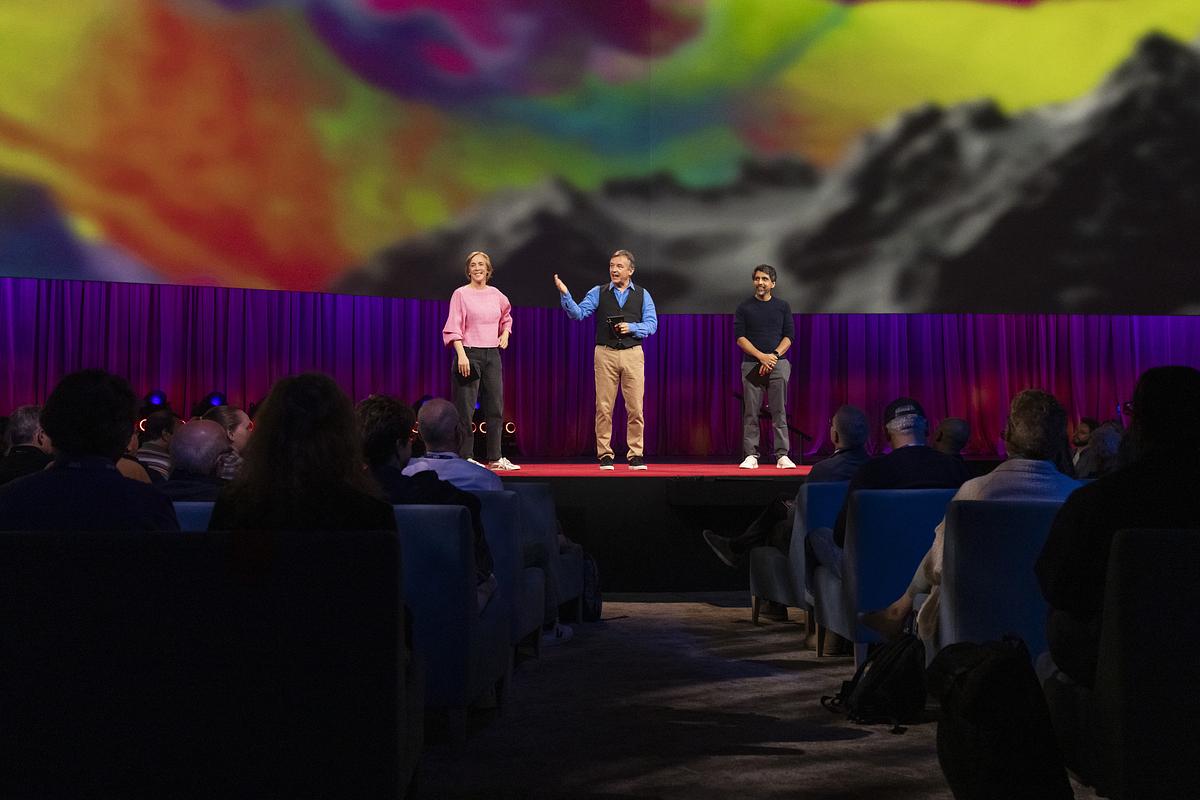
The atmosphere of the final day was characterized by a blend of nostalgia and forward-looking curiosity. Hosted by TED’s Helen Walters, Chris Anderson, and Sal Khan, the session showcased the organization’s long-standing commitment to "ideas worth spreading" while grappling with the rapid societal shifts caused by the artificial intelligence revolution. The residency in Vancouver, which began in 2014, has seen the conference grow from a niche gathering of technologists and designers into a global cultural phenomenon whose digital talks reach billions of viewers annually.
Advancements in Robotics and Real-Time Human Mirroring
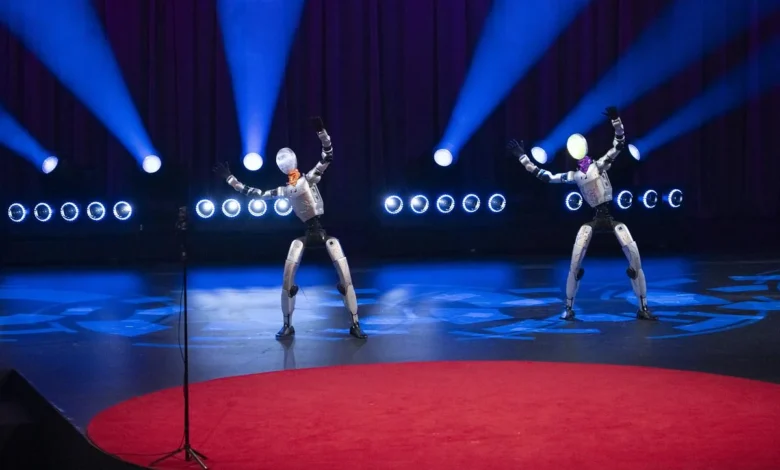
A primary highlight of the final session involved the intersection of humanoid robotics and intuitive programming. Humanoid robotics researcher David Dobáš, accompanied by technologist Bilawal Sidhu, presented a live demonstration that challenged traditional notions of robot training. Dobáš, known for his work with Ultimate Fighting Bots, introduced the concept of "direct body control," a technology that allows robots to mirror human physical movements in real-time without the need for complex, pre-written code for every specific action.
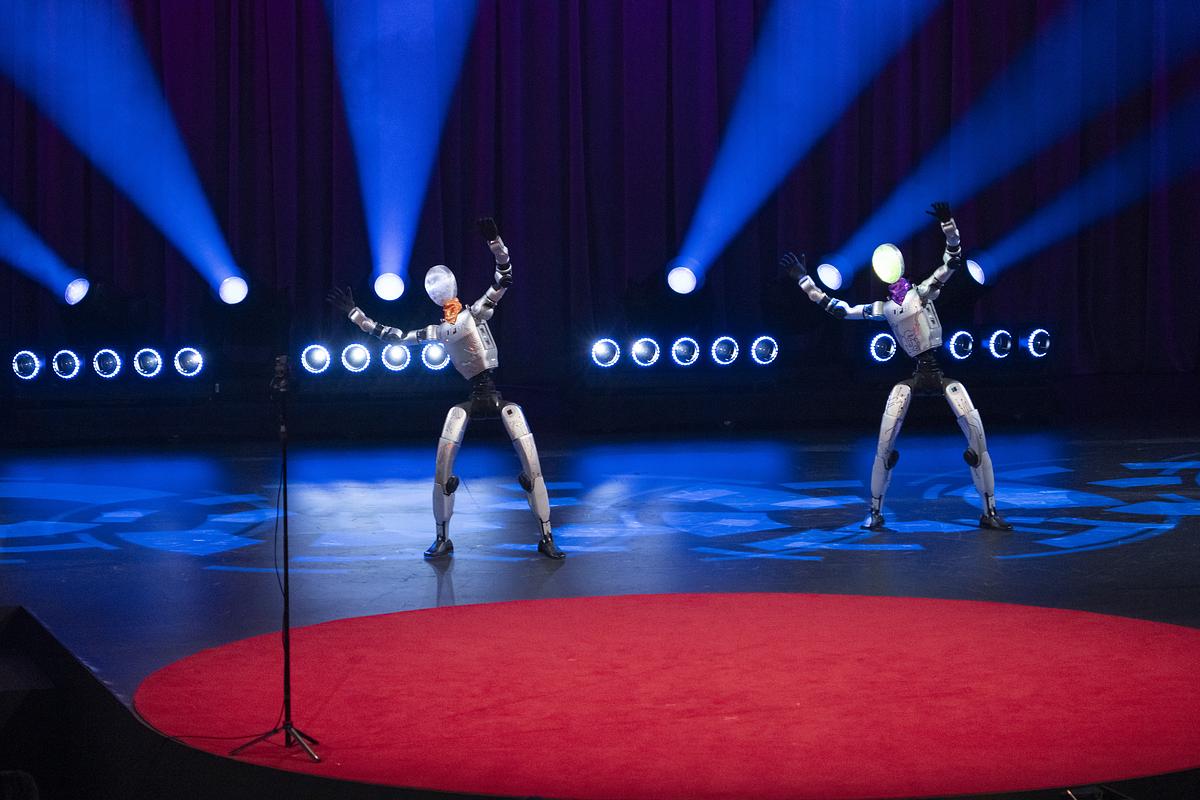
The demonstration featured two robots stepping onto the TED stage to copy sparring moves performed by humans. However, the technical breakthrough emphasized by Dobáš was a "universal training model." This model simplifies the creation of robot behavior to a process of observation; the robots were able to learn and perform a choreographed dance sequence after only a single afternoon of observation. This shift from rigid programming to observational learning suggests a future where robots can be integrated into human environments more fluidly, performing tasks by simply "watching" their human counterparts.
The Persistence of Human Connection in Education
As the conference explored high-tech solutions, it simultaneously reinforced the necessity of human interaction. Matt Wu, an education enthusiast and leader at Schoolhouse.world, addressed the growing debate regarding AI’s role in the classroom. Schoolhouse.world, a nonprofit co-founded by Wu and Sal Khan, utilizes a peer-to-peer tutoring model to connect students globally.
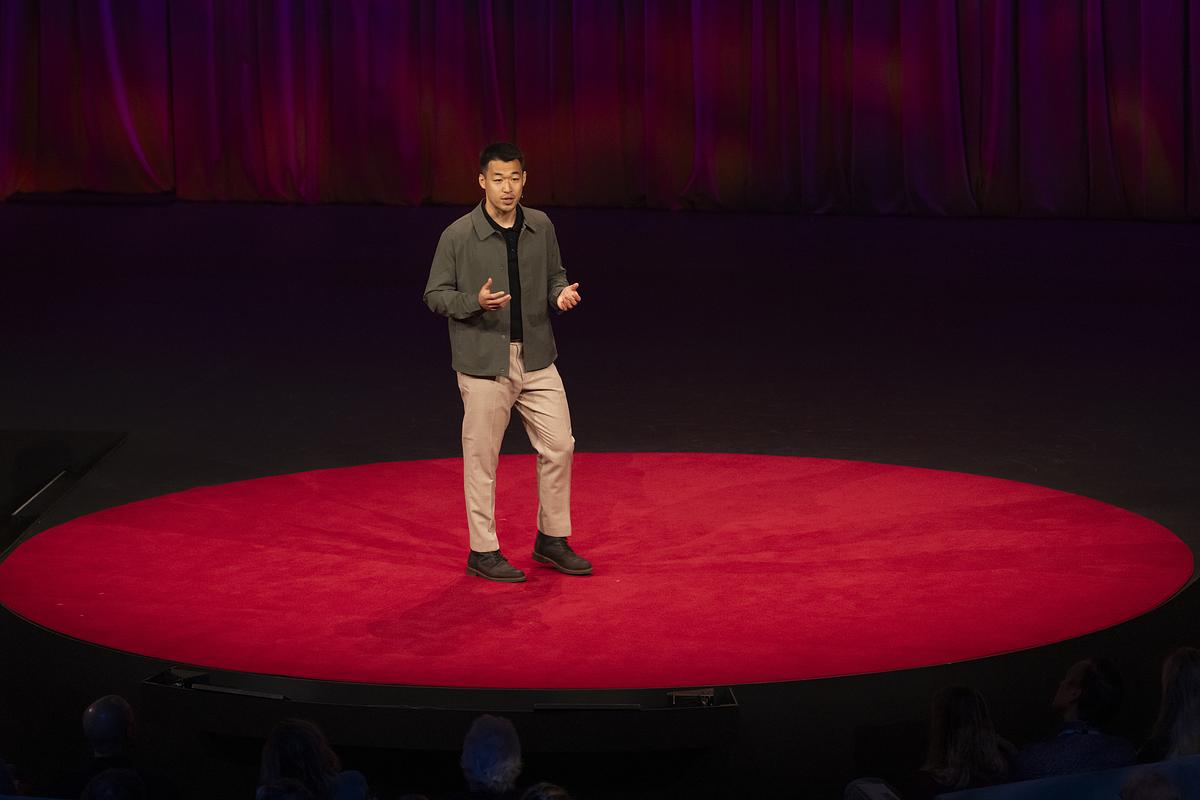
Wu argued that while AI and chatbots can provide information, they cannot replace the transformative power of a human teacher or mentor. Supporting data from the Schoolhouse.world initiative indicates that the most significant academic and personal breakthroughs occur when students feel a sense of belonging and mutual accountability. Wu’s presentation emphasized that peer tutoring teaches more than just mathematics or science; it fosters the ability to disagree with curiosity and collaborate across borders. He posited that the fundamental "educational tool" remains the human connection, asserting that students rarely attribute life-changing realizations to interactions with software, but rather to the people who believed in their potential.
Mental Health Advocacy and the Deconstruction of Success
The session took a deeply personal turn with a presentation by Blake Mycoskie, the founder of TOMS. Mycoskie, who famously pioneered the "one-for-one" business model that donated a pair of shoes for every pair sold, spoke about the hidden psychological costs of high-level entrepreneurship. He revealed that for much of his career, he was haunted by the internal question, "Am I enough?"
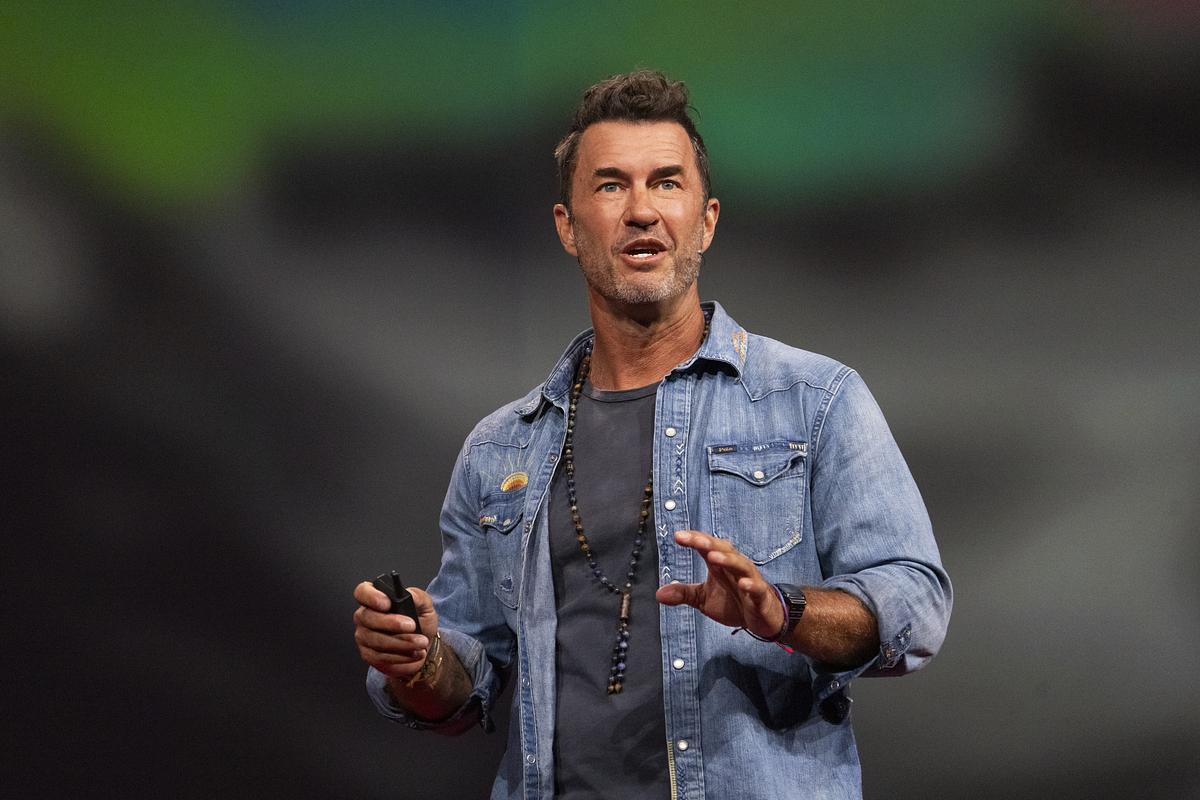
Mycoskie shared that nearly two years ago, the pressure of maintaining a successful public persona while struggling with internal feelings of inadequacy led to a personal crisis. His talk focused on the realization that his professional achievements were often a "strategy to earn worth" rather than a reflection of it. By launching a new community initiative titled "We Are Enough," Mycoskie is pivoting his focus toward mental health advocacy. He argued that the silence surrounding the struggles of successful individuals does not protect them but rather isolates them. His call to action encouraged a shift in corporate and social culture toward vulnerability and the recognition of inherent self-worth independent of productivity or profit.
Architectural Shifts in Artificial Intelligence Development
Addressing the technical and ethical challenges of modern computing, systems architect Vikash Mansinghka presented a critique of current AI development. Mansinghka argued that contemporary AI systems, which rely on massive datasets and predictive patterns, operate fundamentally differently from the human brain. While current AI attempts to predict outcomes based on probability, the human mind explores possibilities and adjusts through a process of coherence.
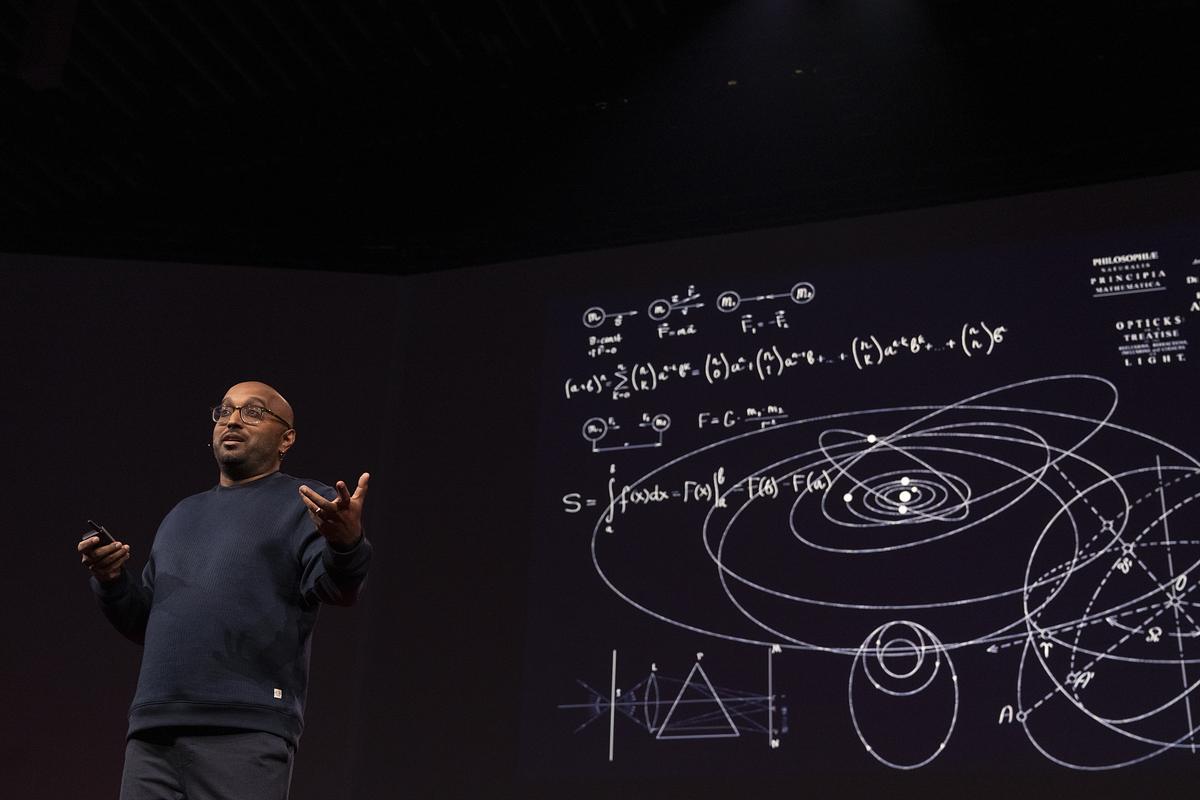
Mansinghka proposed a new vision for "brain-like" AI that is built with human values and coherence baked into its foundational architecture. This approach would require significantly less energy than the current large language models (LLMs) and would operate under principles that are more easily controlled and audited by humans. This shift in engineering could lead to machines that are not just more efficient, but more trustworthy, as their decision-making processes would more closely align with human cognitive structures.
Addressing the Socio-Economic "AI Gap"
The socio-economic implications of these technological leaps were addressed by Van Jones, a TV host, author, and social changemaker. Jones introduced a "dangerous math problem" facing modern civilization: the exponential growth of technology versus the linear rate of human adaptation. He warned that the widening gap between these two curves is a primary driver of social unrest, as AI threatens to disrupt the global economy and displace workers faster than they can be retrained.
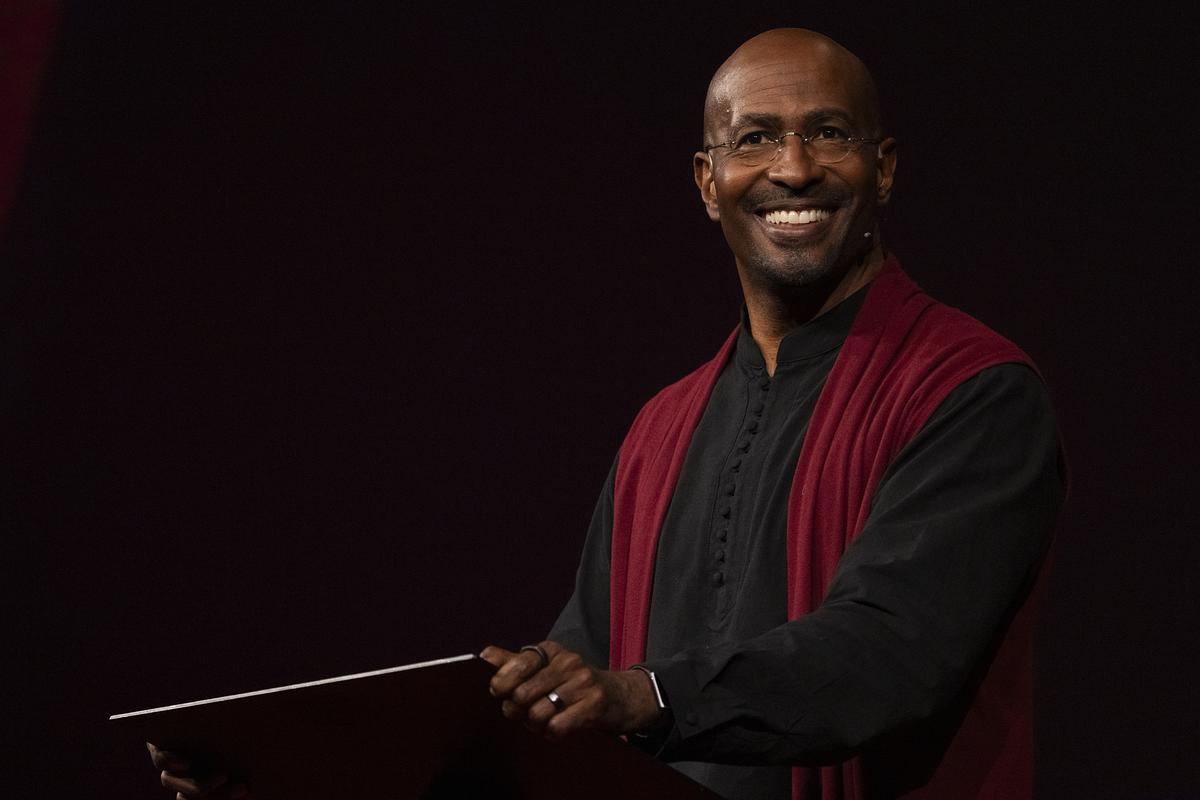
Jones advocated for a proactive strategy to close this gap by pairing AI insiders with the communities most likely to be affected by disruption. He highlighted projects that bring together technologists and "people on the ground" to find solutions for the "digital rust belt." Jones’ analysis suggested that the next generation of economic value will not come from tech hubs alone, but from the inclusive application of AI to solve problems in overlooked communities.
A Chronology of the Vancouver Era (2014–2026)
The conclusion of TED2026 marks the end of a transformative twelve-year period for both the organization and the city of Vancouver.
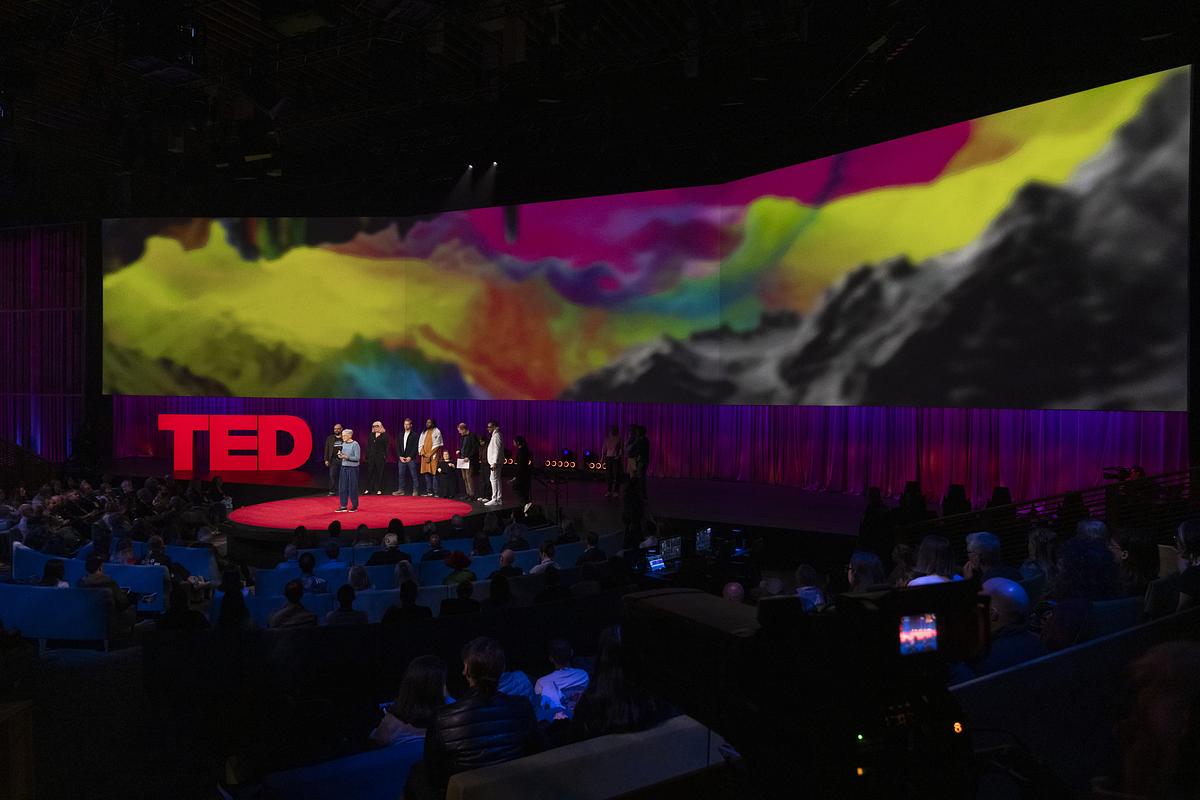
- 2014: TED moves its main annual conference from Monterey, California, to Vancouver, seeking a larger venue and a more international atmosphere.
- 2015–2019: The conference establishes itself as a fixture of the Vancouver spring season, contributing an estimated $10 million annually to the local economy.
- 2020–2021: Due to the global pandemic, the conference pivots to virtual and hybrid formats, maintaining its connection to the Vancouver base while expanding its digital reach.
- 2022: A high-profile return to in-person events sees a renewed focus on climate change and global health.
- 2024–2025: The "AI Spring" becomes a dominant theme, with the Vancouver stage serving as a primary site for the unveiling of new generative AI tools.
- 2026: The final Vancouver conference, "All of Us," celebrates the community built over the residency while announcing the move to San Diego.
Supporting Data: The Scale of TED2026
The scale of the 2026 event underscores the platform’s continued relevance. According to official figures:
- Attendance: Over 1,800 attendees were present in person, with thousands more participating via TED Live.
- Diversity: Participants hailed from 61 different nations, the highest level of international representation in the conference’s history.
- Content Volume: 99 speakers and performers contributed to the week-long program.
- Digital Impact: Content from the 2026 session is projected to garner over 500 million views across various digital platforms within its first six months of release.
Broader Impact and Future Implications
The move from Vancouver to San Diego in 2027 is viewed by analysts as a strategic effort to align the conference more closely with the burgeoning tech and biotech corridor of Southern California. However, the legacy of the Vancouver years remains significant. The city provided a backdrop that emphasized environmental sustainability and internationalism, themes that have become central to the TED brand.
The final session’s focus on the "human gap" in technology serves as a roadmap for the organization’s future. As AI continues to evolve from a specialized tool into a general-purpose utility, the discourse at TED suggests that the most critical challenges will not be technical, but ethical and social. The recurring emphasis on "enoughness," human tutoring, and community-led AI development indicates a shift away from techno-optimism toward a more grounded, "human-centric" approach to progress.
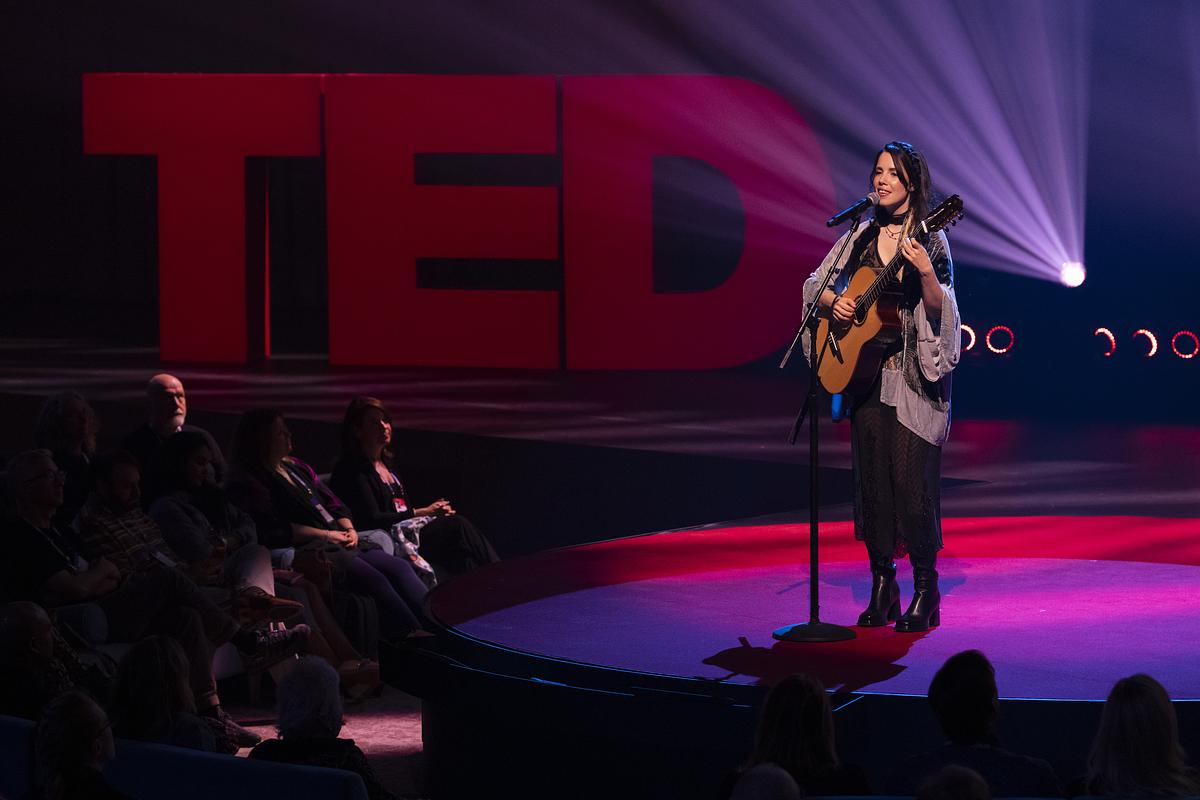
The session concluded with performances by musician Lau Noah and a closing monologue by Julia Sweeney, providing a reflective end to the week. As the stage lights dimmed on the Vancouver Convention Centre for the final time, the message of "All of Us" remained: while technology moves at an exponential pace, the survival and thriving of the human spirit depend on the linear, deliberate work of building connections, maintaining empathy, and ensuring that no community is left behind in the wake of progress.