
Theres Two Kinds Of Cats
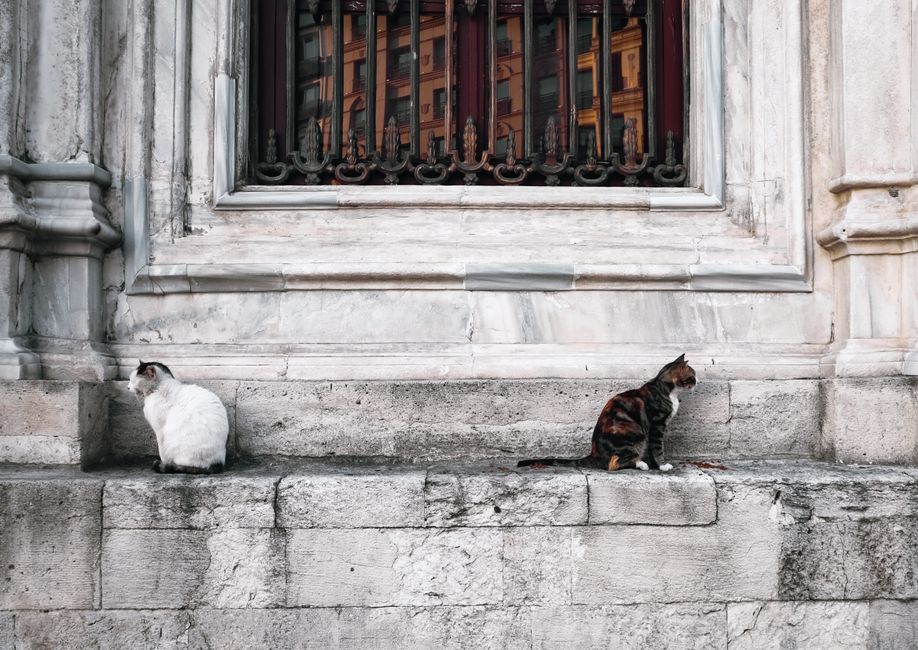
The Two Faces of Feline: Exploring the Dichotomy of Domestic Cat Temperaments
The domestic cat, Felis catus, a species woven into the fabric of human history for millennia, presents a fascinating study in behavioral diversity. While often perceived as a singular entity, a closer examination reveals a pronounced dichotomy in their fundamental temperaments, broadly categorized into two primary archetypes: the independent and self-reliant cat and the socially affectionate and attention-seeking cat. This division isn’t a rigid scientific classification but rather a spectrum representing the dominant behavioral leanings that profoundly influence their interactions with humans, other animals, and their environment. Understanding these two core temperaments is crucial for successful pet ownership, effective training, and fostering a harmonious living situation for both cats and their human companions. This article delves into the defining characteristics of each temperament, exploring their origins, manifestations, and practical implications.
The independent cat, often described as aloof, reserved, or even territorial, is characterized by a strong inherent need for autonomy and self-sufficiency. These felines are masters of their own domain, prioritizing exploration, hunting simulation, and solitary rest. Their social interactions, while not absent, are typically initiated on their own terms. They may tolerate or even enjoy petting and attention, but often for brief periods, and they are quick to signal when they have had enough. This subtle communication, often through a flick of the tail, flattened ears, or a low growl, is a hallmark of their independence; they are not shy about setting boundaries. Their play style often leans towards solitary pursuits, such as stalking imaginary prey, batting at toys, or engaging in vigorous self-grooming. Environmental enrichment for independent cats should focus on opportunities for vertical space, puzzle feeders that encourage problem-solving, and safe outdoor access if possible, allowing them to engage their innate instincts without constant human oversight. They are less likely to form intense, dependent bonds with specific individuals and may adapt more readily to changes in household composition, as their emotional well-being is less tied to constant social affirmation. This independence is deeply rooted in their evolutionary past. Wild ancestors, solitary hunters by nature, relied on their own skills for survival. While domestication has softened some of these edges, the predisposition for self-reliance remains a strong underlying trait in many domestic cats. They derive significant satisfaction from mastering their environment and solving their own problems, making them excellent candidates for homes where owners may not be able to provide constant hands-on interaction. Their quiet presence can be deeply comforting to some, offering a sense of calm and order. They are often less demanding of immediate attention and can entertain themselves for extended periods, making them suitable for individuals or families with busy schedules. However, it is a misconception to equate independence with a lack of affection. Independent cats can form deep bonds, but their expression of love is often more subtle, involving slow blinks, head nudges, or simply choosing to share your presence. They are not inherently antisocial; rather, their social needs are met in different ways and at different times than their more gregarious counterparts.
Conversely, the socially affectionate cat thrives on interaction, companionship, and a consistent flow of human attention. These felines are often described as cuddly, gregarious, and eager to please. They actively seek out human contact, initiating purrs, rubs, and prolonged petting sessions. Their presence is often felt throughout the household, as they follow their owners from room to room, often settling on laps or perching nearby. Play for these cats is often a shared experience, involving interactive toys, chasing laser pointers, or wrestling with soft toys under human guidance. They tend to form strong, often possessive, bonds with their primary caregivers, displaying signs of distress or anxiety when separated. Socially affectionate cats often respond positively to training and can be motivated by praise and treats, making them excellent candidates for learning tricks or participating in agility activities. Their need for social stimulation means they often do better in multi-cat households where they have consistent companionship, or with owners who can dedicate significant time to interaction and play. This temperament is also rooted in evolutionary history, with some evidence suggesting that certain feline lineages may have developed a greater propensity for social living, potentially through closer association with humans and the opportunities for shared resources and safety. These cats often exhibit a more overt display of contentment when their social needs are met, with loud purrs, kneading, and a relaxed body posture. They are the archetypal "lap cat" and often embody the romanticized image of a feline companion. For individuals seeking a highly engaged and demonstrative pet, the socially affectionate cat is an ideal choice. Their constant desire for connection can be incredibly rewarding, providing a sense of purpose and deep emotional connection for their owners. However, their high need for attention can also be a challenge, requiring significant time commitment and understanding. They can become anxious or stressed if left alone for extended periods or if their social needs are not consistently met, potentially leading to behavioral issues such as excessive vocalization or destructive behaviors born out of boredom and frustration. Their strong attachment can also make them more sensitive to changes in their environment or routine, requiring a more gradual and careful approach to introductions to new people or pets.
The origins of these divergent temperaments are multifaceted, likely stemming from a complex interplay of genetic predispositions, early life experiences, and the selective pressures of domestication. Research into feline genetics has begun to identify certain gene variants that may be associated with sociability and fearfulness. For instance, studies have explored the role of genes related to neurotransmitter production and receptors, which can influence an individual’s response to social stimuli and their overall anxiety levels. However, genetics is only one piece of the puzzle. The critical socialization period in kittens, typically between 2 and 7 weeks of age, plays a paramount role in shaping their future temperament. Kittens exposed to a wide variety of positive human interactions, novel sights, sounds, and gentle handling during this period are more likely to develop into well-adjusted, sociable adults, regardless of their inherent genetic leanings. Conversely, kittens who experience isolation, fear, or negative interactions during this crucial window are more prone to developing fearful, anxious, and independent temperaments, even if they possess a genetic predisposition for sociability. The specific environment in which kittens are raised also exerts a significant influence. Kittens born in a bustling, interactive household with ample positive human contact are more likely to develop into socially affectionate cats. In contrast, kittens raised in a more isolated setting, or those with less consistent human interaction, may lean towards independence. Furthermore, the ongoing human-animal bond throughout a cat’s life can further reinforce or modify these temperaments. Consistent positive reinforcement, gentle handling, and understanding of a cat’s individual needs can foster greater trust and sociability in even the most independent feline. Conversely, negative experiences or a lack of consistent positive interaction can exacerbate fearful or withdrawn tendencies. This dynamic interplay highlights the importance of recognizing that temperament is not a fixed entity but rather a malleable characteristic that can be influenced by ongoing environmental and social factors. It is not uncommon for cats to exhibit traits from both ends of the spectrum, or for their dominant temperament to shift subtly over time with consistent and appropriate care.
Manifestations of these temperaments extend beyond simple preferences for cuddles or solitude. They profoundly influence a cat’s communication style. Independent cats often employ subtle body language to convey their needs and boundaries. A slow blink can be a sign of trust and affection, but their "no thank you" signals are often more direct, involving a twitching tail, flattened ears, or even a hiss. Socially affectionate cats, on the other hand, are often more vocal, using meows, chirps, and purrs to solicit attention, express contentment, and communicate their desires. Their body language is typically more open and inviting, with relaxed postures, upright tails, and a willingness to make eye contact. This difference in communication can sometimes lead to misunderstandings. An owner accustomed to the overt affection of a socially inclined cat might misinterpret the subtle cues of an independent cat as disinterest or even dislike, when in reality, the independent cat is simply communicating in a way that is natural to its temperament. Training approaches must also be tailored to each temperament. Independent cats may respond best to positive reinforcement methods that allow them to work for rewards and feel a sense of accomplishment. They might be less motivated by direct praise and more by the successful completion of a task that yields a tangible reward. Socially affectionate cats, however, often thrive on verbal praise, petting, and a more interactive training experience. Their desire to please their human companions can be a powerful motivator. The provision of environmental enrichment also differs. Independent cats benefit from opportunities to explore, climb, and problem-solve independently. Think of complex puzzle feeders, vertical cat trees, and secure access to outdoor spaces. Socially affectionate cats often enjoy interactive play with their owners, toys that mimic prey, and opportunities for shared activities that reinforce their bond with their human. This could involve feather wands, laser pointers (used responsibly), and even simple games of fetch.
Understanding these two primary feline temperaments is paramount for responsible pet ownership. It allows prospective owners to make informed decisions about which cat might be the best fit for their lifestyle and expectations. A person seeking a constant companion to share their every moment might find an independent cat frustrating, while someone who appreciates a more reserved and self-sufficient animal might find the constant demands of a highly affectionate cat overwhelming. Conversely, someone who is frequently away from home might struggle with the anxieties of a socially dependent cat who thrives on constant interaction. For existing owners, recognizing their cat’s dominant temperament can lead to more effective training, better management of behavioral issues, and a deeper, more fulfilling bond. For example, an owner struggling with an independent cat who seems uninterested in toys might realize that the cat simply prefers solitary puzzle-solving and provide accordingly. Similarly, an owner of a socially affectionate cat who is exhibiting anxiety when left alone might implement strategies to provide more stimulating environments and gradual desensitization techniques to help the cat cope with separation. It’s also vital to remember that these are broad categories, and individual cats will exist on a spectrum, exhibiting a blend of traits. Furthermore, a cat’s temperament can be influenced by age, health, and life experiences. A senior cat might become more reclusive due to age-related discomfort, while a previously independent cat might become more affectionate after experiencing a period of significant illness and receiving intensive care. Ultimately, appreciating and understanding the two faces of feline temperament allows us to better cater to the unique needs of each individual cat, fostering a harmonious coexistence and a truly enriching companionship for both species. The key lies in observation, patience, and a willingness to adapt our understanding and expectations to the individual feline in our care.
