
Strawberry Christmas Tree Cupcake
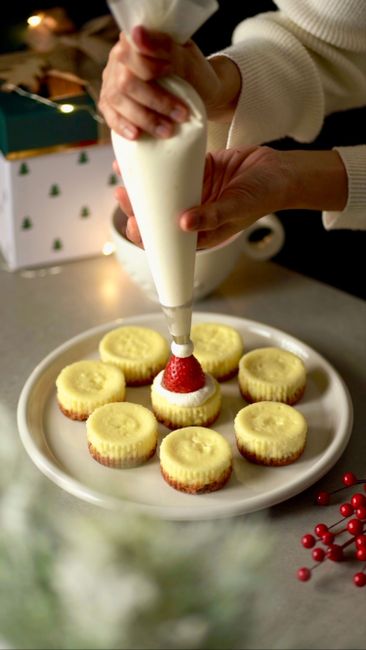
The Ultimate Guide to Crafting Festive Strawberry Christmas Tree Cupcakes: A Flavorful and Visually Stunning Holiday Treat
The holiday season is synonymous with joyous gatherings, heartwarming traditions, and, of course, delectable treats. Among the myriad of festive confections, the strawberry Christmas tree cupcake stands out as a delightful fusion of classic holiday imagery and vibrant, fruity flavor. This article provides a comprehensive, SEO-friendly guide to creating these visually stunning and incredibly tasty cupcakes, covering everything from ingredient selection and foundational baking techniques to intricate decorating strategies and flavor enhancement. Whether you’re a seasoned baker or a novice looking to impress, this guide will equip you with the knowledge and inspiration to bring these miniature edible Christmas trees to life, perfect for holiday parties, school functions, or simply a sweet indulgence during the festive period.
I. Foundation: The Perfect Strawberry Cupcake Base
The success of any decorated cupcake begins with a superior base. For strawberry Christmas tree cupcakes, the cupcake itself should embody the essence of the flavor. This means aiming for a moist, tender crumb with an authentic strawberry taste.
-
Key Ingredients for a Superior Strawberry Cupcake:
- Fresh or Freeze-Dried Strawberries: The cornerstone of authentic strawberry flavor. Fresh strawberries, pureed and strained to remove excess water, offer a bright, natural taste. Freeze-dried strawberries, on the other hand, provide an intensely concentrated flavor when ground into a powder. A combination of both can yield the most complex and satisfying result.
- Buttermilk or Sour Cream: These acidic dairy products tenderize the gluten in the flour, resulting in a softer, more delicate crumb. They also contribute to moisture, preventing the cupcakes from drying out.
- Butter vs. Oil: While butter provides a rich, buttery flavor, oil contributes to superior moistness and a lighter texture, often preferred for fruit-based cakes. For strawberry cupcakes, a blend of both or a focus on oil can be beneficial.
- Cake Flour: Using cake flour, with its lower protein content, will further enhance the tenderness of the cupcake crumb.
- Leavening Agents: A precise balance of baking soda and baking powder is crucial for optimal rise and a light texture. Baking soda reacts with acidic ingredients (like buttermilk), while baking powder provides a double lift.
- Vanilla Extract and a Pinch of Salt: These are essential flavor enhancers that elevate the overall taste profile, allowing the strawberry notes to shine without being overpowering.
-
Optimal Baking Techniques:
- Room Temperature Ingredients: Ensuring butter, eggs, and dairy are at room temperature allows them to emulsify more effectively, leading to a smoother batter and a more consistent bake.
- Creaming Method (for butter-based recipes): Properly creaming butter and sugar until light and fluffy incorporates air, contributing to a lighter cake.
- Alternating Dry and Wet Ingredients: Adding dry and wet ingredients in alternating stages prevents overmixing, which can develop gluten and result in a tough cake. Begin and end with the dry ingredients.
- Gentle Folding of Puree/Powder: When incorporating the strawberry element, fold it gently to maintain the air incorporated during creaming and to avoid deflating the batter.
- Accurate Oven Temperature and Baking Time: Use an oven thermometer to ensure your oven is calibrated correctly. Overbaking is the primary culprit for dry cupcakes. Bake until a toothpick inserted into the center comes out with moist crumbs, not wet batter.
- Cooling Process: Allow cupcakes to cool in the pan for a few minutes before transferring them to a wire rack to cool completely. This prevents them from steaming and becoming soggy.
II. The Icing: A Verdant Canvas for Festive Flair
The frosting for your strawberry Christmas tree cupcakes plays a dual role: it acts as the structural base for the "tree" and provides a delicious counterpoint to the strawberry cake. A classic buttercream is a popular choice, but variations can add depth and interest.
-
Classic Vanilla or Cream Cheese Buttercream:
- Ingredients: Unsalted butter, confectioners’ sugar, a touch of milk or cream, vanilla extract, and a pinch of salt. Cream cheese frosting adds a delightful tanginess that complements the sweetness of strawberries.
- Method: Cream softened butter until smooth. Gradually add confectioners’ sugar, alternating with liquid, until the desired consistency is reached. Beat in vanilla and salt. For cream cheese frosting, ensure cream cheese is softened and beat it with butter before adding sugar.
- Achieving Tree-Like Consistency: The buttercream needs to be firm enough to hold its shape when piped into a tree form but soft enough to pipe smoothly. Adjust the amount of liquid and confectioners’ sugar to achieve this.
-
Green Food Coloring:
- Natural vs. Artificial: For a truly festive look, the frosting needs to be green. Gel food coloring is recommended as it’s concentrated and won’t dilute the frosting’s consistency. Gel colors offer vibrant hues with minimal liquid. Alternatively, natural green coloring can be achieved using spinach puree (though this may subtly affect flavor and color intensity) or matcha powder for a more earthy, sophisticated green and a hint of flavor.
- Shades of Green: Consider using different shades of green. A deeper forest green can represent traditional fir trees, while a lighter, brighter green can evoke a more whimsical, frosted look.
-
Flavor Infusions for the Frosting:
- Strawberry Extract: For an intensified strawberry flavor throughout, a touch of strawberry extract can be added to the frosting.
- Mint Extract: A hint of peppermint or spearmint extract can evoke a classic holiday flavor combination with strawberry. Use sparingly to avoid overpowering the strawberry.
- Citrus Zest: Lemon or lime zest can brighten the frosting and complement the strawberry notes.
III. The Art of Decoration: Transforming Cupcakes into Edible Evergreen Wonders
This is where the magic truly happens. Transforming a plain cupcake into a miniature Christmas tree requires simple yet effective piping techniques and thoughtful embellishments.
-
Piping Techniques for the "Tree":
- Star Tip (Piping Bag Attachment): The most popular and effective tool for creating a Christmas tree shape. A large, open star tip (like a Wilton 1M or 2D) is ideal.
- The "Twirl" Method: Start piping at the base of the cupcake, working your way upwards in a continuous motion. Overlap each stroke slightly, creating layers that resemble pine needles. Continue this process until the entire cupcake is covered in a cone of green frosting, tapering to a point at the top.
- Building Layers: For a fuller, more realistic tree, you can pipe in stages. Start with a base layer, then add subsequent layers, slightly smaller in circumference, as you move upwards.
- Alternative: Spatula Application: While piping is preferred for distinct "needles," a small offset spatula can be used to spread and shape green frosting into a conical tree shape, then textured with a fork or toothpick for a needle-like effect.
-
Embellishments: Ornaments and Accents:
- "Ornaments": These are the festive elements that bring your trees to life.
- Candy Sprinkles: Tiny spherical candies in red, gold, and silver mimic Christmas baubles. Use various sizes for added dimension.
- Edible Glitter or Luster Dust: Adds a magical shimmer, evoking a frosted or snow-dusted appearance.
- Small Candies: Mini M&Ms, gumdrops cut into small pieces, or even red-hot cinnamon candies can serve as vibrant ornaments.
- Edible Pearls: Small, round edible pearls in festive colors add a sophisticated touch.
- Fondant Stars/Globes: For a more intricate design, small, pre-made fondant stars or tiny fondant balls can be used as toppers or ornaments.
- "Star on Top": The crowning glory of any Christmas tree.
- Yellow Star Sprinkles: The simplest and most effective option.
- Fondant Stars: Cut from yellow fondant for a more structured star.
- White Chocolate Stars: Melted white chocolate piped into star shapes and allowed to set.
- Yellow Candy Melts: Melted yellow candy melts piped into stars.
- "Snow" Effect:
- Powdered Sugar: A light dusting of powdered sugar over the frosted tree can simulate snow.
- Shredded Coconut: Fine shredded coconut can also create a snowy effect.
- White Sprinkles: Tiny white nonpareil sprinkles can add a frosty touch.
- "Garland" Effect:
- Red or White Icing: Using a thin tip, pipe thin lines of contrasting colored icing in a draped pattern around the tree.
- Edible Sequins or Jimmies: Long, thin edible sprinkles can also mimic garland.
- "Ornaments": These are the festive elements that bring your trees to life.
IV. Flavor Variations and Seasonal Pairings
While the strawberry base is classic, consider elevating the flavor profile for an even more memorable holiday treat.
- Strawberry-White Chocolate Fusion: Incorporate white chocolate chips into the cupcake batter or add a swirl of melted white chocolate to the frosting for a creamy, indulgent note.
- Strawberry-Mint Delight: As mentioned, a hint of mint extract in the frosting complements strawberry beautifully, offering a refreshing holiday twist.
- Strawberry-Orange Zest: The bright citrus notes of orange zest can amplify the fruitiness of the strawberries and add a subtle complexity. Add zest to the cake batter or frosting.
- Spiced Strawberry: For a warmer, more complex flavor, a touch of cinnamon or nutmeg can be added to the strawberry cupcake batter.
V. Presentation and Serving Suggestions
The way you present your strawberry Christmas tree cupcakes can significantly enhance their festive appeal.
- Cupcake Liners: Opt for festive cupcake liners in red, green, gold, or with holiday patterns.
- Display: Arrange the cupcakes on a tiered cake stand, a festive platter, or within individual cupcake boxes for a charming presentation.
- Grouping: Cluster cupcakes together to create a miniature "forest" on your dessert table.
- Pairings: These cupcakes pair wonderfully with hot chocolate, mulled wine, or a festive eggnog.
VI. Troubleshooting Common Issues
Even experienced bakers encounter challenges. Here are some common issues and their solutions:
- Dry Cupcakes: Overbaking is the most frequent cause. Check for doneness slightly earlier. Ensure your oven temperature is accurate. Using oil or buttermilk/sour cream in the batter contributes to moisture.
- Flat Cupcakes: Insufficient leavening or overmixing the batter can lead to flat cupcakes. Ensure your baking soda and baking powder are fresh. Use the creaming method effectively if applicable.
- Frosting Too Soft to Pipe: Gradually add more confectioners’ sugar to stiffen the buttercream. Refrigerate the frosting for a short period if it’s too soft from ambient temperature.
- Frosting Too Stiff: Add a teaspoon of milk or cream at a time until the desired piping consistency is reached.
- Color Inconsistency: Use gel food coloring for the most vibrant and consistent green. If using natural methods, be prepared for variations.
VII. SEO Considerations and Keyword Integration
To ensure this article is easily discoverable by those searching for festive baking ideas, strategic keyword integration is crucial. Keywords such as "strawberry Christmas tree cupcakes," "holiday cupcakes," "festive dessert ideas," "easy Christmas baking," "DIY Christmas treats," "how to make Christmas tree cupcakes," "strawberry cupcake recipe," "buttercream frosting," "piped Christmas tree cupcakes," and "seasonal baking" should be naturally woven throughout the text. The use of clear headings and subheadings (like I, II, III, etc.) also improves readability and SEO by breaking down the content logically for both users and search engines. The comprehensive nature of the article, covering ingredients, techniques, decoration, and troubleshooting, aims to answer a wide range of user queries, further boosting its SEO value. High-quality images accompanying this content would also be beneficial for visual appeal and SEO.
By following this detailed guide, you can confidently create stunning and delicious strawberry Christmas tree cupcakes that will be the highlight of your holiday celebrations. The combination of moist, flavorful strawberry cake and festive, beautifully decorated frosting ensures a treat that is as delightful to behold as it is to consume, embodying the true spirit of the holiday season.
