
Fighting Fire With Fire The Complex Debate Over Prescribed Burns In A Record Year For Nebraska Wildfires
Fighting Fire with Fire: The Complex Debate Over Prescribed Burns in a Record Year for Nebraska Wildfires
Nebraska, a state often synonymous with rolling prairies and agricultural abundance, found itself battling an unprecedented surge in wildfires in a recent record year. The images of scorched earth and smoke-filled skies became a stark reminder of the state’s vulnerability to fire. Amidst this crisis, a contentious yet crucial debate intensified: the efficacy and potential of prescribed burns, also known as controlled burns, as a vital tool in wildfire management. While seemingly counterintuitive – employing fire to combat fire – this practice holds significant promise in mitigating future infernos, but it is not without its complexities, risks, and public perception challenges.
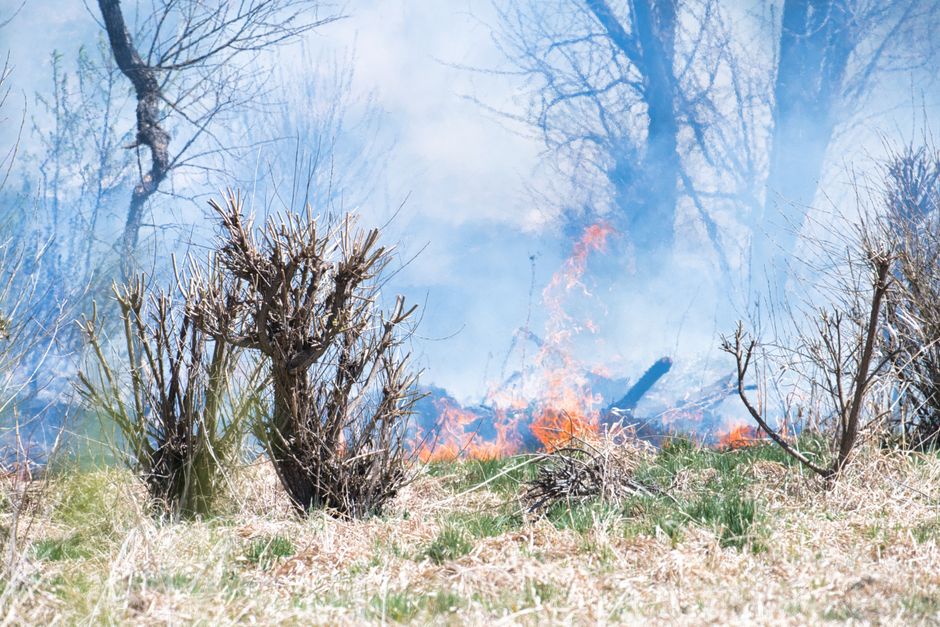
Prescribed burns are meticulously planned and executed fires ignited under specific weather conditions, in designated areas, and with trained professionals overseeing every aspect. The primary objective is not to eradicate fire entirely but to manage the landscape in a way that reduces the severity of future wildfires. This is achieved by consuming the accumulated dead vegetation, often referred to as fuel load, which would otherwise become a ready source for uncontrolled blazes. In Nebraska’s context, this primarily involves managing grasslands, forests in the Sandhills and Pine Ridge regions, and agricultural edges where dry grasses and crop residue can quickly ignite and spread. The record wildfire year underscored the urgency of exploring and expanding these proactive strategies.
The science behind prescribed burning is rooted in ecological principles. Many ecosystems, including Nebraska’s native prairies, have evolved with fire as a natural disturbance. Regular, low-intensity fires promote biodiversity by clearing out older, less vigorous vegetation, allowing new growth to flourish. This process also recycles nutrients back into the soil, contributing to a healthier and more resilient ecosystem. Furthermore, prescribed burns can help control invasive species that often thrive in areas with reduced fire frequency, outcompeting native plants. By selectively removing fuel, prescribed burns create natural firebreaks, interrupting the continuous chain of flammable material that fuels large, destructive wildfires. This proactive fuel reduction is, in essence, fighting fire with fire by creating a landscape less susceptible to uncontrollable spread.
However, the implementation of prescribed burns is fraught with challenges, especially in a state like Nebraska with its agricultural heritage and growing population. Public perception is a significant hurdle. The sight of smoke, even from a controlled event, can trigger anxiety and fear, reminiscent of the uncontrolled blazes that caused widespread damage. Educating the public about the purpose and safety protocols of prescribed burns is paramount. Transparency in planning, clear communication about burn windows, and demonstrating the benefits of reduced wildfire risk are crucial to building trust and gaining community support. Misinformation and a lack of understanding can lead to opposition that hinders necessary land management practices.
The weather dependency of prescribed burns adds another layer of complexity. Ideal conditions – specific wind speeds and directions, humidity levels, and fuel moisture content – are required for safe and effective burns. These windows of opportunity can be narrow and unpredictable, making scheduling difficult. In a record wildfire year, the very conditions that make burns ideal (dryness, wind) can also make them more risky if not managed with extreme precision. This necessitates a highly skilled and adaptable workforce capable of seizing fleeting opportunities while meticulously assessing and mitigating potential risks.
The economic and logistical aspects are also considerable. Prescribed burns require trained personnel, specialized equipment, and careful planning. While the long-term cost savings from preventing large wildfires are substantial, the upfront investment in personnel and resources can be a barrier for some landowners and agencies. Grant programs, collaborative efforts between state agencies, federal partners like the U.S. Forest Service and Natural Resources Conservation Service, and private landowners are essential to overcome these financial and logistical challenges. Developing regional burn teams and facilitating interagency cooperation can streamline operations and increase the capacity for prescribed burning across the state.
Furthermore, liability concerns are a persistent issue. While regulations and best practices are in place to minimize risks, the potential for a prescribed burn to escape control and cause damage cannot be entirely eliminated. This can deter some landowners from undertaking burns on their property. Robust insurance programs, clear legal frameworks, and comprehensive risk assessment protocols are necessary to address these concerns and encourage wider adoption of prescribed burning. The focus should be on proactive risk reduction and establishing clear lines of responsibility, rather than solely on punitive measures.
The record wildfire year in Nebraska highlighted the urgent need to re-evaluate current wildfire management strategies. While traditional firefighting tactics remain essential for responding to active fires, a paradigm shift towards more proactive, preventative measures is increasingly recognized as vital. Prescribed burning, when executed effectively, is a powerful tool in this preventative arsenal. It directly addresses the root cause of many severe wildfires: the excessive accumulation of flammable vegetation. By strategically reducing fuel loads, prescribed burns create a more resilient landscape that can better withstand and resist the spread of uncontrolled fires.
The state of Nebraska has made strides in promoting prescribed burning, with agencies like the Nebraska Forest Service and the Nebraska Department of Environment and Energy offering resources and guidance. However, the scale of the recent wildfire events suggests that these efforts need to be significantly amplified. This could involve expanding educational outreach programs for landowners, providing greater financial incentives for conducting burns, and investing in the training and certification of more prescribed burn managers. Creating a statewide network of experienced burn crews would ensure that this vital resource is readily available when opportunities arise.
The debate surrounding fighting fire with fire is not a simple one. It involves balancing the ecological benefits of fire with the inherent risks of its intentional use. It requires overcoming public skepticism and building consensus among diverse stakeholders, including farmers, ranchers, environmental groups, and government agencies. It demands a commitment to scientific understanding, meticulous planning, and continuous adaptation of best practices.
In the aftermath of a devastating wildfire season, Nebraska is at a critical juncture. Continuing to rely solely on reactive firefighting measures is a demonstrably unsustainable approach. Embracing and expanding the practice of prescribed burning, while diligently addressing its complexities and challenges, offers a pragmatic and scientifically sound path towards a more resilient future. It is a strategy that acknowledges the inherent role of fire in natural systems and harnesses its power, under controlled conditions, to protect communities and ecosystems from the devastating consequences of uncontrolled infernos. The record wildfire year served as a stark, irrefutable call to action, urging Nebraska to strategically embrace the paradox of fighting fire with fire.
