
Snake Braid Hair Style
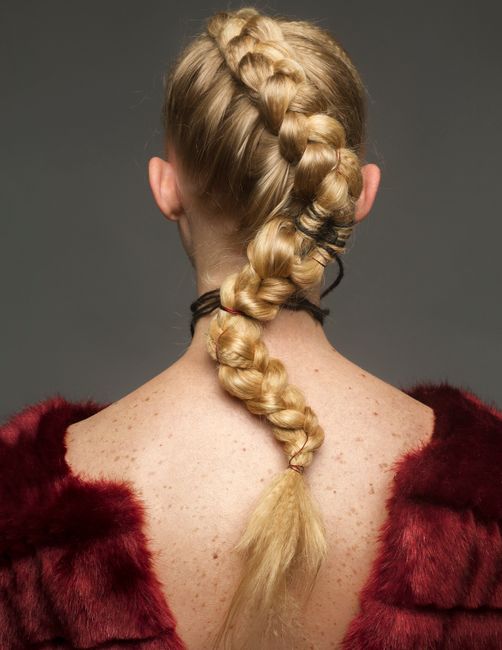
The Ultimate Guide to the Snake Braid Hairstyle: From Beginner to Advanced Techniques
The snake braid, a captivating and intricate hairstyle, offers a unique blend of elegance and edginess. Characterized by its distinctive woven pattern that mimics the scales of a serpent, this style has gained significant traction for its versatility and head-turning appeal. Far from being a single, rigid technique, the snake braid encompasses a spectrum of variations, from simpler, accessible versions to complex, multi-dimensional creations. This comprehensive guide delves deep into the art of the snake braid, providing step-by-step instructions, styling tips, and essential knowledge for anyone looking to master this striking hairdo. Whether you’re a novice braider seeking your first intricate style or an experienced stylist looking to expand your repertoire, understanding the nuances of the snake braid will unlock a world of creative possibilities. The core principle behind the snake braid lies in its diagonal or staggered weaving pattern. Unlike traditional braids where strands are consistently interwoven in a straight line, the snake braid involves bringing sections of hair across and under in a more dynamic, overlapping fashion. This overlapping creates the illusion of scales, giving the braid its signature texture and depth. The complexity can be adjusted by the number of strands used and the tightness of the weave, allowing for a personalized aesthetic.
Understanding the Fundamentals: Basic Snake Braid Techniques
Before diving into advanced iterations, mastering the foundational snake braid is crucial. The most common and accessible version is often a variation of a three-strand braid, but with a distinct directional approach. To begin, divide the section of hair you wish to braid into three equal strands: left, middle, and right. The key difference here is the direction of the weave. Instead of passing the left strand over the middle and then the right over the middle, you’ll be strategically placing strands in a more diagonal or staggered manner.
For a simple snake braid, imagine you are creating a French braid, but with a twist. Start with the left strand. Instead of crossing it directly over the middle strand, you will cross it under the middle strand. Then, take the right strand and cross it over the left strand. Now, the original middle strand is on the right. Take the new middle strand (which was originally the right strand) and cross it under the left strand. This creates an “underhand” technique for one of the crossings, followed by an “overhand” for the next, or a consistent diagonal movement. Another way to conceptualize it is to think of bringing one outer strand under the center and then the other outer strand over the center, but with a specific intent to create that overlapping, scaled effect.
A common method involves taking the right strand and crossing it over the middle strand. Then, take the left strand and cross it under the new middle strand. This creates a basic, slightly angled braid. To enhance the snake-like appearance, the tension is key. Applying slightly more tension to one side of the braid than the other can help pull the strands together and emphasize the overlapping pattern. Another popular beginner-friendly method is the "fishtail variation" that mimics snake scales. While technically a two-strand braid, the way you incorporate new hair and cross the strands creates a scaled look. Take two sections of hair. Take a small piece from the outer edge of the left section and cross it over to the right section, incorporating it into the right section. Then, take a small piece from the outer edge of the right section and cross it over to the left section, incorporating it into the left section. This continuous process of taking small outer pieces and crossing them over to the opposite side is a very effective way to achieve a snake-like scale texture. The tightness and width of the small pieces you take will dictate the scale’s size and density.
Step-by-Step: Achieving a Classic Snake Braid
Let’s break down a more structured approach to a popular snake braid variation, often incorporated into updos or as a standalone statement style. This method is akin to a Dutch braid but with a staggered, diagonal weaving pattern to achieve the snake scale effect.
- Preparation: Start with dry or slightly damp hair. For better grip and to minimize flyaways, a light styling product like a texturizing spray or mousse can be beneficial. Brush out any knots.
- Sectioning: Decide where you want your snake braid to begin. This could be at the nape of the neck for a horizontal braid, along the hairline for a frontal effect, or from the crown for a more vertical design. For a classic horizontal or diagonal braid, section off a clean, even portion of hair where you want the braid to start.
- Initial Strands: Divide this initial section into three equal strands: left, middle, and right.
- The Weave – Diagonal Focus: This is where the snake braid deviates from a standard braid. Instead of a direct over-under pattern, think diagonally.
- Take the right strand and cross it diagonally under the middle strand. This is a key difference.
- Now, the former middle strand is on the right. Take the left strand and cross it diagonally over the new middle strand.
- This creates an initial diagonal flow. To continue the "scale" effect, you’ll want to alternate or maintain a consistent diagonal direction.
- Incorporating Hair (French/Dutch Style for a Fuller Braid): If you want a braid that incorporates more hair and sits close to the scalp, you’ll use a French or Dutch braiding technique within the snake weave.
- Before crossing the right strand under the middle, pick up a small section of loose hair from the right side and add it to the right strand. Then, cross this combined strand diagonally under the middle.
- Before crossing the left strand over the middle, pick up a small section of loose hair from the left side and add it to the left strand. Then, cross this combined strand diagonally over the new middle.
- The crucial element for the snake effect is the direction of these diagonal crosses. Experiment with consistently crossing one strand under and the other over in a staggered manner, or by consciously pulling one strand slightly tighter than the other during the weave to create that overlapping texture.
- Maintaining the Pattern: Continue this process, picking up small sections of hair from the sides and weaving them diagonally. Pay attention to the visual. You are aiming for strands that seem to overlap and sit slightly on top of each other, creating the segmented look. The tighter you pull the hair diagonally, the more pronounced the "scales" will be.
- Finishing the Braid: Once you’ve incorporated all the loose hair and reached the end of the section, continue with a regular three-strand braid (or continue the diagonal weave if possible) until you reach the ends. Secure with a hair tie.
- Pancaking for Volume (Optional): For a softer, more voluminous snake braid that emphasizes the scale texture, gently pull apart the loops of the braid. Start from the bottom and work your way up, gently tugging on each loop. This will widen the braid and make the individual "scales" more apparent. Be careful not to pull too hard and unravel the braid.
Variations to Elevate Your Snake Braid Game
The true beauty of the snake braid lies in its adaptability. Once you’ve mastered the basic technique, you can explore numerous variations:
- The Fishtail Snake Braid: As mentioned earlier, a fishtail braid can inherently create a scaled effect. By using slightly larger outer strands to cross over, or by varying the tension, you can further enhance this resemblance. Imagine a fishtail where the "scales" are more pronounced and layered.
- The Diagonal Snake Braid: This is perhaps the most literal interpretation, where the braid travels diagonally across the head, often from hairline to crown or from ear to opposite ear. The staggered weaving pattern is crucial here to maintain the diagonal flow while creating the scaled texture.
- The Circular Snake Braid: This involves weaving the braid in a circular motion around the head, creating a crown-like effect. The challenge lies in maintaining consistent tension and stitch direction to ensure the circular pattern is smooth and the scales are defined throughout.
- The Multi-Strand Snake Braid: For the truly adventurous, incorporating more than three strands (e.g., four or five) can lead to incredibly intricate and unique snake braid designs. This requires a more advanced understanding of braiding mechanics and careful sectioning to maintain clarity in the weave. Each additional strand allows for more complex overlapping and layering, amplifying the scaled illusion.
- The Braided Snake Braid (Double or Triple): This involves creating multiple snake braids and then weaving them together. For instance, two smaller snake braids can be twisted or woven around each other to create a thicker, more complex scaled effect. This is a fantastic way to add drama and texture.
- The Undone Snake Braid: This variation embraces a more relaxed and bohemian aesthetic. After creating a snake braid (either basic or a more complex version), you can gently loosen it, pull out pieces of hair around the hairline and temples, and perhaps even incorporate delicate hair accessories like pearls or small charms. The contrast between the intricate braid and the softer, undone elements is key.
Styling and Occasions: Where to Wear Your Snake Braid
The snake braid is surprisingly versatile and can transition from casual to formal with ease:
- Everyday Chic: A simple, well-executed snake braid along the hairline or as a side braid can elevate a basic ponytail or a simple bun. The texture adds an immediate visual interest to an otherwise ordinary hairstyle.
- Bohemian Vibes: Paired with loose waves or a slightly messy finish, the snake braid embodies a bohemian spirit. This is perfect for festivals, beach days, or casual outings.
- Wedding and Formal Events: The intricate nature of the snake braid makes it an ideal choice for bridal hairstyles or formal events. It can be incorporated into elegant updos, worn as a standalone statement braid, or used to frame the face for a sophisticated look. Consider adding delicate hairpins or sparkling accessories to complement the braid.
- Edgy and Fashion-Forward: For a more daring look, experiment with neon hair colors or incorporate the snake braid into a dramatic undercut style. The sharp lines and textured pattern of the braid lend themselves well to avant-garde fashion.
- Athletic Performance: While appearing intricate, a well-secured snake braid can be surprisingly practical for sports. It keeps hair out of the face and, when braided tightly, offers good hold.
Tips for Achieving and Maintaining the Perfect Snake Braid
- Practice Makes Perfect: The snake braid, especially its more intricate variations, requires dexterity and patience. Don’t get discouraged if your first few attempts aren’t flawless. Regular practice will improve your speed and precision.
- Hair Texture is Key: While snake braids can be done on most hair types, finer hair might benefit from texturizing products to add grip and volume. Coarser hair might need a bit of smoothing product to prevent excessive frizz.
- Use the Right Tools: A good comb for sectioning, a tail comb for precision, and strong, but thin, hair ties are essential. Bobby pins that match your hair color are crucial for securing any loose ends or sections in updos.
- Mastering Tension: The snake braid relies heavily on tension to create its signature look. Experiment with how tight you pull each strand. Too loose, and the scales will be indistinct; too tight, and the braid might appear stiff or unravel easily.
- "Pancaking" with Caution: While "pancaking" (gently pulling apart the braid loops) adds volume and definition, be careful not to overdo it, especially with thinner hair, as it can lead to a frizzy or unraveled appearance.
- Product Placement: Use styling products judiciously. Too much product can make hair slippery and difficult to braid, while too little can lead to flyaways that detract from the clean lines of the braid.
- Consider Your Hair Length: Longer hair is generally easier to work with for more complex snake braid designs. If you have shorter hair, focus on smaller, sectioned braids or incorporate them into updos.
- Secure Loose Ends: Always ensure that the end of the braid is securely fastened with a hair tie. For updos, use bobby pins to secure any stray sections of the braid to the underlying style.
- Maintenance: Snake braids, particularly those that are tightly woven, can hold their shape for several days. To refresh the style, you can lightly mist with hairspray or re-pancake the braid if needed. If it’s starting to loosen, consider adding a few strategically placed bobby pins.
The Snake Braid: A Symbol of Intricacy and Style
The snake braid is more than just a hairstyle; it’s a testament to skill, creativity, and attention to detail. Its visually striking appearance, combined with its inherent versatility, ensures its continued popularity in the world of hair styling. From the beginner looking to master a new technique to the seasoned stylist seeking to push creative boundaries, the snake braid offers a rewarding and impactful avenue for hair expression. By understanding the fundamental weaving patterns, exploring the various iterations, and applying the right styling techniques, anyone can harness the power of the snake braid to create stunning and memorable looks. The meticulous process of interlacing strands to mimic the organic, segmented beauty of a snake’s scales results in a hairstyle that is both intricate and undeniably captivating, making it a perennial favorite for those who appreciate the art of hair.
