
The Climate Driven Surge Of Tick Populations And The Proliferation Of Biological Warfare Conspiracy Theories
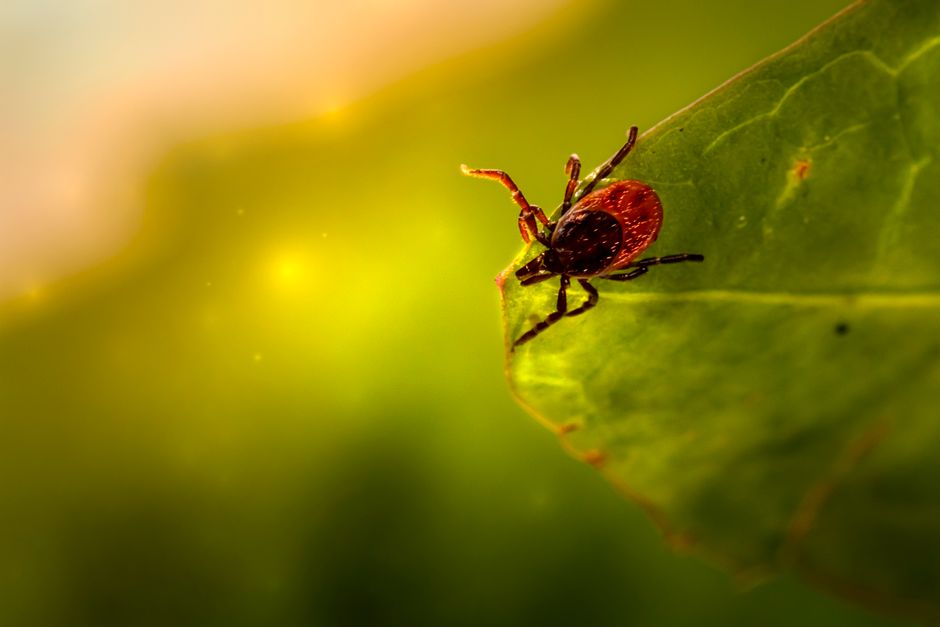
The Tick Tide and The Tremors of Trepidation: Climate Change Fuels Insect Surge and Conspiracy’s Crawl
The burgeoning populations of ticks, a phenomenon directly attributable to shifting climate patterns, have become an increasingly visible and concerning ecological disruption. As global temperatures rise and weather systems become more erratic, the geographical range and seasonal activity of various tick species are expanding at an unprecedented rate. This expansion is not merely an inconvenience; it represents a significant public health challenge, amplifying the risk of tick-borne diseases like Lyme disease, anaplasmosis, babesiosis, and Powassan virus. Warmer winters mean fewer ticks succumb to freezing, allowing larger overwintering populations to emerge in the spring. Longer, warmer summers provide extended periods for tick reproduction and activity. Furthermore, changes in precipitation patterns can influence vegetation growth, creating more favorable habitats for both ticks and their animal hosts, such as deer and small mammals. This ecological domino effect directly translates to increased human exposure and a greater probability of encountering infected vectors. Simultaneously, this heightened anxiety surrounding tick-borne illnesses and the perceived uncontrollability of nature’s resurgence has created fertile ground for the proliferation of biological warfare conspiracy theories. These narratives, often fueled by a lack of scientific understanding, societal anxieties, and the echo chambers of online platforms, posit that the surge in ticks and the diseases they carry are not natural occurrences but rather the result of deliberate, malicious human intervention. This confluence of a genuine ecological crisis and the viral spread of misinformation demands a comprehensive examination of both phenomena.
The scientific consensus on the climate-driven expansion of tick populations is robust and multifaceted. Studies consistently demonstrate a direct correlation between rising average temperatures and the northward and upward altitudinal migration of tick species. For instance, the blacklegged tick (Ixodes scapularis), the primary vector for Lyme disease in North America, has significantly expanded its range into previously unaffected northern regions. This is directly linked to milder winters that enable survival and earlier spring thaws that promote activity. Research published in journals like Emerging Infectious Diseases and The Lancet Planetary Health provides extensive data on these range expansions, often accompanied by increasing incidence rates of tick-borne diseases in these newly colonized areas. The Intergovernmental Panel on Climate Change (IPCC) reports have repeatedly highlighted the impact of climate change on vector-borne diseases, with ticks being a prominent example. Changes in humidity and rainfall also play a role. While extreme droughts can reduce tick survival, moderate increases in rainfall, coupled with warmer temperatures, can lead to denser vegetation, offering more protection and foraging opportunities for tick hosts. The disruption of natural predator-prey relationships due to climate change can also contribute to the unchecked proliferation of tick hosts. For example, populations of animals that prey on small rodents, which are significant reservoirs for tick pathogens, might be declining in certain areas, further exacerbating the tick problem. The adaptability of ticks to various environmental conditions, coupled with their relatively short life cycles, makes them particularly adept at exploiting the new niches created by a changing climate.
In stark contrast to the evidence-based understanding of ecological shifts, biological warfare conspiracy theories surrounding ticks often rely on speculative narratives and a distrust of established scientific and governmental institutions. These theories can manifest in various forms, but a common thread involves the assertion that ticks are not naturally occurring but are instead genetically engineered or intentionally released biological agents. These narratives often emerge during periods of heightened public concern, such as during outbreaks of novel diseases or when existing health threats become more prevalent. The COVID-19 pandemic, for example, saw a surge in various conspiracy theories, and the anxieties surrounding it provided a fertile ground for the expansion of existing fringe beliefs. In the context of ticks, these theories might suggest that governments or clandestine organizations are deliberately spreading infected ticks to control populations, weaken adversaries, or for other nefarious purposes. The lack of readily apparent cause-and-effect in the complex ecological dynamics of tick populations, combined with the invisible nature of pathogens, can lend itself to such misinterpretations. The “unknown” becomes a canvas for imaginative, albeit unfounded, explanations.
The dissemination of these conspiracy theories is amplified by the architecture of the digital age. Social media platforms, with their algorithms designed to prioritize engagement, can inadvertently create echo chambers where misinformation thrives. Users who express skepticism towards conventional explanations or show interest in alternative narratives are often fed more content that aligns with those viewpoints, reinforcing their beliefs and isolating them from dissenting perspectives. Fringe websites, anonymous forums, and unmoderated online communities serve as incubators and broadcast stations for these unverified claims. The language used in these online spaces is often emotive and conspiratorial, employing terms like “plandemic,” “weaponized,” and “depopulation agenda” to evoke fear and distrust. These platforms can bypass traditional media gatekeepers, allowing unsubstantiated claims to reach vast audiences rapidly, often before credible scientific information can counter them. The anonymity afforded by some online spaces also emboldens individuals to express extreme viewpoints without fear of immediate repercussions.
The scientific community faces a significant challenge in combating the rise of these unsubstantiated narratives. While many scientists are dedicated to communicating their research clearly and effectively, the sheer volume of misinformation and the deeply entrenched nature of some conspiracy beliefs make direct refutation difficult. The scientific method, with its emphasis on evidence, peer review, and gradual accumulation of knowledge, can seem slow and nuanced compared to the sensationalist and definitive pronouncements of conspiracy theorists. Furthermore, the deliberate obfuscation and misrepresentation of scientific data by those promoting conspiracy theories can further confuse the public. Tactics such as cherry-picking data, misinterpreting studies, and attributing malicious intent to researchers are common. The emotional appeal of conspiracy theories, which often offer simple answers to complex problems and identify clear villains, can be more persuasive to some individuals than the more complex and often uncertain realities presented by scientific inquiry.
From a public health perspective, the implications of both the tick surge and the conspiracy theories are profound. The increased prevalence of ticks and tick-borne diseases necessitates greater public awareness campaigns regarding prevention, such as proper tick avoidance, regular tick checks, and prompt removal. However, these efforts can be undermined by conspiracy narratives that discourage trust in public health recommendations or promote unproven and potentially harmful remedies. If individuals believe ticks are being deliberately released, they may be less inclined to engage with established preventative measures, viewing them as part of a larger deception. Moreover, the spread of misinformation can divert attention and resources away from genuine scientific research and public health interventions aimed at understanding and mitigating the actual threat posed by tick-borne diseases. The focus on fabricated threats can obscure the real and present danger.
The intersection of climate change, ecological disruption, and the rise of conspiracy theories presents a complex societal challenge. Addressing the former requires robust scientific research, effective environmental policies, and international cooperation to mitigate climate change. Addressing the latter demands enhanced scientific literacy, critical thinking skills, and a concerted effort to combat misinformation online and offline. Public health initiatives must not only focus on the practical aspects of tick-borne disease prevention but also on fostering an environment where evidence-based information is valued and accessible. This includes promoting open dialogue, addressing public anxieties with empathy, and clearly communicating the scientific consensus on environmental issues and public health threats. The “tick tide” is a tangible consequence of a changing planet, and the “tremors of trepidation” surrounding conspiracy theories highlight the need for a more informed and resilient society. Ignoring either aspect of this dual challenge leaves us vulnerable to both ecological harm and the erosion of public trust. The scientific community must continue to be a beacon of accurate information, while educational institutions and media outlets have a crucial role to play in fostering critical engagement with information, ensuring that facts prevail over fear-mongering and unfounded speculation.
