
Firecrackers That Pack A Fun Bang
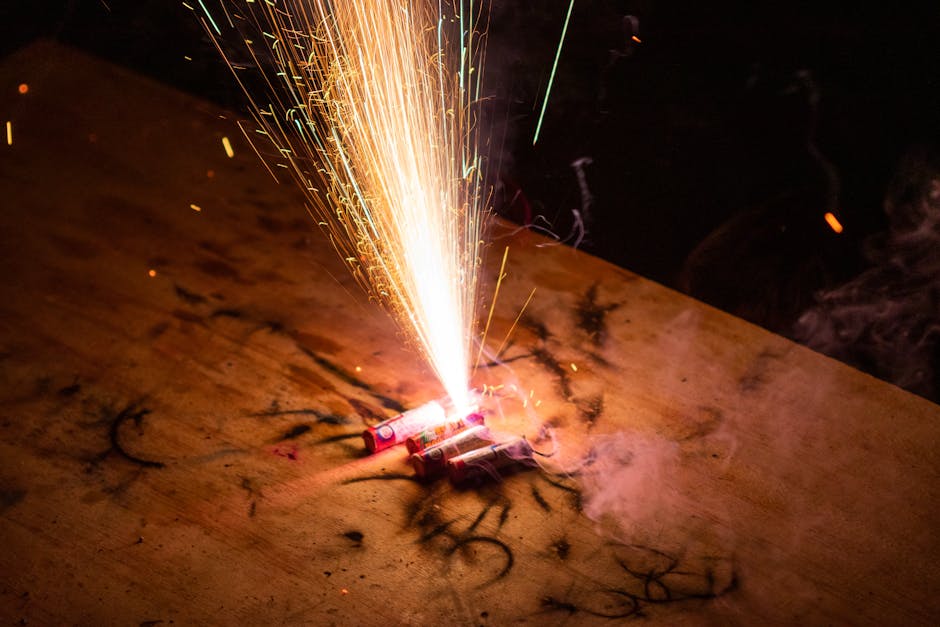
The Ultimate Guide to High-Impact Firecrackers: Maximum Bang for Your Buck
The thrill of a firecracker’s explosive finale is undeniable. For those seeking an exhilarating auditory experience, a precisely engineered firecracker offers a satisfying punctuation mark to any celebration. This guide delves into the world of high-impact firecrackers, focusing on those that deliver a potent “bang” while adhering to safety guidelines and responsible use. We’ll explore the factors contributing to a firecracker’s power, the types of mechanisms that produce significant sound, and considerations for selecting the most impressive options available for legal purchase. Understanding the science behind these pyrotechnic marvels, from chemical composition to casing design, is key to appreciating their impact and ensuring a safe and memorable experience.
The "bang" of a firecracker is essentially the result of a rapid chemical reaction that produces a sudden expansion of gases, creating a pressure wave. The primary components responsible for this are the explosive powder and the ignition system. The explosive powder, typically a black powder mixture, is a carefully calibrated blend of potassium nitrate, charcoal, and sulfur. The proportions of these ingredients dictate the speed and intensity of the combustion. A higher concentration of oxidizer (potassium nitrate) generally leads to a more vigorous burn. The sulfur acts as a fuel and stabilizer, while charcoal is the primary fuel. When ignited, this mixture undergoes rapid deflagration, a form of combustion that propagates through the material as a surface phenomenon. The speed of this deflagration, combined with the confinement provided by the firecracker’s casing, determines the magnitude of the pressure wave – the “bang.”
The casing of a firecracker plays a crucial role in amplifying the sound. Traditionally, firecrackers are wrapped in paper or cardboard. This material, when subjected to the rapidly expanding gases, ruptures in a manner that directs the sound wave outwards. The thickness and type of paper, as well as how tightly the powder is packed within, influence the distinctiveness and loudness of the explosion. More robust casings, designed to withstand higher internal pressures before bursting, can contribute to a sharper, more pronounced report. Some advanced firecrackers utilize more resilient casing materials or incorporate internal structures that enhance acoustic resonance. The way the casing is sealed is also critical. A well-sealed casing ensures that the pressure builds effectively before the rupture, leading to a more powerful release of energy.
When considering firecrackers that "pack a fun bang," the concept of "maximum bang" often translates to higher decibel levels and a more resonant sound. While specific decibel ratings are not always publicly available for consumer-grade firecrackers due to varying regulations and testing methodologies, certain design features and classifications are indicative of greater auditory impact. Larger sizes generally correlate with more powder, and thus a potentially louder bang. However, size alone is not the sole determinant. The internal composition and the engineering of the casing are equally, if not more, important. Firecrackers designed for professional use or those categorized as "consumer fireworks" (where legal) often undergo more rigorous development to achieve specific sound profiles.
The term "M-class" fireworks is sometimes used in the industry to denote items that are specifically designed for noise and visual effect, with a strong emphasis on the audible report. While direct consumer access to M-class items may be restricted in some jurisdictions, understanding this classification helps identify firecrackers that prioritize a significant bang. When legally available, these types of firecrackers often feature a more potent powder composition and a casing engineered for maximum sound projection. It’s imperative to research local regulations regarding the purchase and use of any firecracker classified for its sound output, as these can vary significantly.
The igniter system is another often-overlooked component contributing to the bang. A reliable and efficient fuse or igniter ensures that the entire charge of powder ignites quickly and uniformly. A fast-burning fuse means a swift transition from ignition to detonation, resulting in a sharper, more immediate bang. Conversely, a slow or inconsistent fuse can lead to a less satisfying or even muted explosion. Modern firecrackers often incorporate advanced fuse materials for predictable and rapid ignition, further enhancing the sonic experience. The color of the fuse can sometimes indicate its burn rate, with brighter colors often signifying faster burning.
For those seeking the loudest and most satisfying "bangs," understanding different categories of consumer fireworks, where permitted, is essential. Certain types of aerial fireworks, even if they produce visual effects, also generate significant audible reports as part of their performance. However, focusing purely on firecrackers implies a device primarily designed for its sound. In jurisdictions where larger, more powerful pyrotechnics are legal for consumer use, specific firecracker varieties might be designated by their intended effect. Look for terms that suggest a powerful report or a loud crack.
The legal landscape surrounding firecrackers is a crucial consideration for anyone seeking a significant bang. Regulations vary drastically by country, state, and even municipality. In some regions, only specific types of novelty noisemakers or very low-power firecrackers are permitted. In others, a wider array of consumer fireworks, including those with a pronounced bang, can be legally purchased and used. It is paramount to research and strictly adhere to local laws and ordinances. The Consumer Product Safety Commission (CPSC) in the United States, for instance, sets standards for consumer fireworks. These standards often focus on safety, and a firecracker that meets CPSC guidelines may not necessarily be the most powerful in terms of sound. However, it’s the legal benchmark for safe consumer products.
When exploring options for a potent bang, consider the packaging and labeling. Reputable manufacturers will often provide clear information about the product’s intended effect. While direct decibel ratings are rare, descriptive language might hint at the loudness. Terms like "powerful report," "loud crack," or indications of being "consumer-grade" (implying a certain level of performance beyond basic novelty items) can be indicators. However, always prioritize safety and legality over sheer volume. The excitement of a bang should never come at the expense of safety or legal compliance.
The quality of the powder mixture is paramount. Not all black powder is created equal. Higher quality ingredients and precise blending ratios contribute to a more efficient and powerful burn. Manufacturers known for their pyrotechnic expertise are more likely to utilize superior powder formulations. This can translate to a cleaner burn, a more consistent ignition, and ultimately, a more impactful bang. Beware of overly cheap or generic brands, as they may compromise on the quality of the explosive composition.
The design of the "burst" within the firecracker is another factor. While many firecrackers simply rely on the rupture of the casing, some might incorporate internal features to enhance the sound. This could include a small internal charge that ignites a fraction of a second after the main charge, creating a multi-stage effect, or a specific internal structure that amplifies the sound wave. These are less common in basic firecrackers but can be found in more sophisticated consumer pyrotechnics where legal.
The concept of "maximum bang" also necessitates responsible handling and storage. Even the most powerful firecracker, when misused or stored improperly, can become a significant hazard. Always store fireworks in a cool, dry place, away from ignition sources. Never attempt to modify or combine firecrackers or other pyrotechnic devices. Follow all instructions on the packaging regarding use, ignition, and disposal. A truly enjoyable and impactful firecracker experience is one that is both exhilarating and entirely safe.
When purchasing firecrackers for their auditory impact, consider the different types available. "Bangers" are a classic example, specifically designed for their loud report. "Cherry bombs," though illegal in many places due to their potency, historically represented a pinnacle of firecracker bang. While direct replacements are unlikely to be legally available, understanding the history of such devices can inform what to look for within the legal framework. Modern legal alternatives often focus on replicating a strong, sharp crack.
The shape and construction of the firecracker also play a role. Cylindrical firecrackers are common and effective. However, some designs might utilize different shapes or arrangements of powder to influence the sound. The density of the powder packing is also crucial. Overly loose powder might burn too quickly and weakly, while overly packed powder could lead to an inconsistent burn or even a failure to ignite properly. Manufacturers carefully calibrate this for optimal performance.
The aftermath of the bang can also be a consideration. A clean-burning powder will leave less residue. This contributes to a more satisfying experience overall. Some higher-quality firecrackers might use specialized additives to ensure a cleaner detonation and a more distinct sound.
Ultimately, seeking firecrackers that "pack a fun bang" involves a combination of understanding the underlying pyrotechnics, being aware of legal restrictions, and prioritizing safety. While the allure of a truly thunderous explosion is strong, responsible consumer choices within legal boundaries will yield the most satisfying and enjoyable experiences. Always err on the side of caution, consult local laws, and purchase from reputable sources to ensure that your pursuit of a powerful bang is both legal and safe. The thrill of a well-executed firecracker is in its dramatic punctuation, and when achieved responsibly, it can add an unforgettable element to any permissible celebration.
