
Freeze Dried Or Dehydrated Foods 3
Freeze-Dried vs. Dehydrated Foods: A Deep Dive into Preservation, Nutrition, and Practicality
The enduring human quest for food preservation has led to two dominant modern methodologies: freeze-drying and dehydration. While both aim to extend shelf life by removing moisture, the processes, outcomes, and ideal applications of freeze-dried and dehydrated foods differ significantly. Understanding these distinctions is crucial for consumers, preppers, outdoor enthusiasts, and anyone seeking resilient, nutritious, and convenient food storage solutions. This article will dissect the scientific principles behind each method, analyze their impact on nutritional content, explore their diverse applications, and ultimately equip readers with the knowledge to make informed choices.
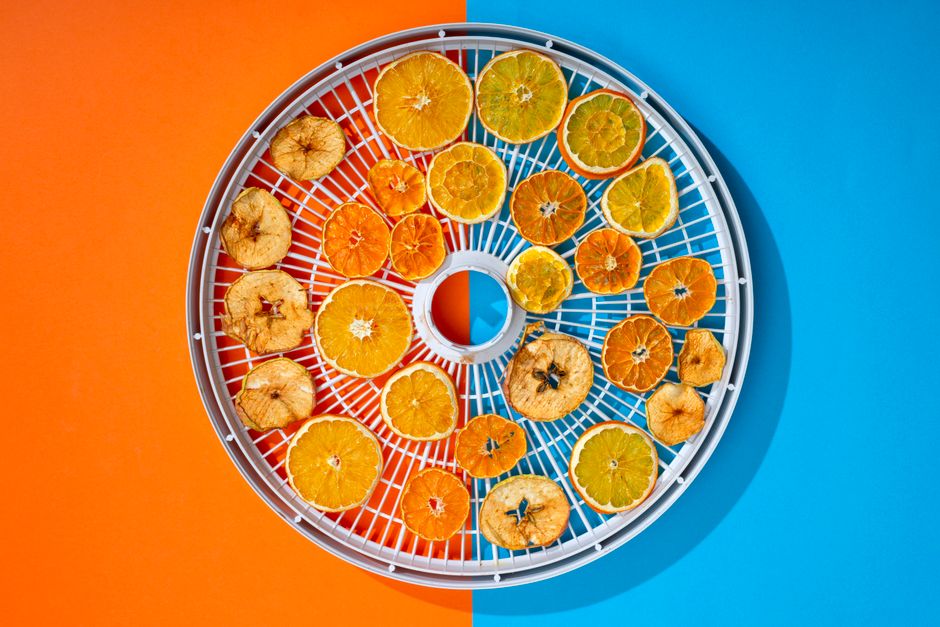
Dehydration, the elder of the two techniques, relies on the application of heat to evaporate water from food. This can be achieved through various methods, including sun-drying, oven dehydration, or specialized food dehydrators. The fundamental principle is to reduce the water activity of the food to a level that inhibits the growth of microorganisms – bacteria, yeasts, and molds – which require moisture to thrive. As water molecules are removed, the physical structure of the food changes, resulting in a shrunken, leathery, or crispy texture. Common examples of dehydrated foods include dried fruits (raisins, apricots, apples), jerky, dried herbs, and sun-dried tomatoes. The process typically involves temperatures ranging from 110°F to 160°F (43°C to 71°C), depending on the food type. The lower the temperature, the longer the drying time, but generally, the better the retention of heat-sensitive nutrients. However, even at lower temperatures, some degradation of vitamins, particularly Vitamin C and some B vitamins, is inevitable due to prolonged exposure to heat. The mineral content, being more heat-stable, is largely preserved. The enzymatic activity within the food is also significantly slowed but not entirely halted, which can contribute to gradual changes in color and flavor over extended storage. The shelf life of dehydrated foods varies depending on the moisture content, packaging, and storage conditions, but generally ranges from several months to a few years. Proper airtight packaging is paramount to prevent rehydration from ambient humidity and contamination.
Freeze-drying, also known as lyophilization, represents a more sophisticated and generally superior method of food preservation. This process involves three distinct stages: freezing, primary drying (sublimation), and secondary drying (desorption). First, the food is frozen solid. This is a critical step as it transforms the water content within the food into ice crystals. Next, the frozen food is placed in a vacuum chamber. Under this low pressure, the ice crystals are directly converted from a solid state to a gaseous state (water vapor) without passing through a liquid phase. This phenomenon is called sublimation. The vacuum environment and controlled temperature conditions allow for the efficient removal of ice, effectively dehydrating the food. Finally, a secondary drying phase is employed to remove any remaining unbound water molecules, ensuring a very low moisture content, typically between 1% and 4%. This residual moisture is adsorbed onto the surface of the food. The entire process is carried out at temperatures well below freezing, usually between -40°C and -60°C (-40°F and -76°F) during the sublimation stage. The primary advantage of freeze-drying lies in its ability to preserve the food’s original structure, color, flavor, and, most importantly, its nutritional profile. Because the water is removed as ice directly into vapor, it minimizes cellular damage and oxidation. The ice crystals create pores within the food’s matrix, which are then left behind as empty spaces after sublimation, contributing to the characteristic lightweight and porous texture of freeze-dried foods. This structure also facilitates rapid rehydration.
The nutritional impact of both processes is a key differentiator. Dehydration, due to its reliance on heat, can lead to a noticeable loss of certain heat-sensitive vitamins. Vitamin C, known for its vulnerability to heat and oxidation, can be significantly reduced. Water-soluble vitamins like thiamine (B1) and folate (B9) can also experience losses, especially if prolonged exposure to higher temperatures occurs. Fat-soluble vitamins (A, D, E, K) are generally more stable, as are minerals like calcium, iron, and potassium. The concentration of nutrients in dehydrated foods increases as water is removed. For example, dried fruits will have a higher sugar concentration per unit weight than their fresh counterparts, which can be both an advantage (for calorie density) and a disadvantage (for sugar intake). Freeze-drying, by contrast, is lauded for its exceptional nutrient retention. The low temperatures and vacuum conditions minimize the degradation of vitamins and other sensitive compounds. Studies have consistently shown that freeze-dried foods retain a significantly higher percentage of their original vitamins, particularly Vitamin C and B vitamins, compared to dehydrated foods. Minerals are virtually unaffected. The structure of the food is preserved, meaning that the proportion of macronutrients (proteins, carbohydrates, fats) remains largely unchanged, though their concentration increases as water is removed. This makes freeze-dried options particularly appealing for individuals prioritizing maximum nutritional intake from their preserved foods.
Beyond nutritional considerations, the practical applications and sensory experience of freeze-dried and dehydrated foods offer distinct advantages and disadvantages. Dehydrated foods, due to their often leathery or crispy texture and more concentrated flavors, are well-suited for snacking (fruit leather, jerky) and as flavor enhancers in cooking (dried herbs, sun-dried tomatoes). They are generally more affordable and widely available. However, their rehydration can sometimes be incomplete or result in a texture that is not identical to the fresh product. Some dehydrated items, like vegetables, can become tough or mushy if not rehydrated carefully. Their shelf life, while good, is generally shorter than freeze-dried equivalents, and they are more susceptible to spoilage if not stored properly.
Freeze-dried foods, with their remarkably light weight and rapid rehydration capabilities, excel in applications where weight and preparation time are critical. This makes them the gold standard for backpacking, camping, and emergency food kits. A small packet of freeze-dried meal can reconstitute into a substantial, flavorful dish by simply adding hot water. The preserved structure means they rehydrate to closely resemble their original form, offering a more appealing texture and taste profile for many consumers. Freeze-dried fruits and vegetables retain their vibrant colors and crispness even after rehydration, making them excellent additions to cereals, salads, and baked goods. The extended shelf life of freeze-dried foods, often exceeding 20-25 years under optimal conditions, makes them an indispensable component of long-term emergency preparedness. However, freeze-drying is a more energy-intensive and costly process, which translates to a higher price point for freeze-dried products compared to their dehydrated counterparts. The initial investment for freeze-dried foods is typically higher.
The process of rehydration for each type of food also differs. Dehydrated foods often require a longer soaking period, and sometimes simmering or cooking, to fully rehydrate and soften. The amount of water needed can vary considerably depending on the food and the degree of dehydration. For example, dried beans need to be soaked for many hours, while dried herbs simply require a brief immersion. Freeze-dried foods, on the other hand, are designed for rapid rehydration. Typically, adding hot water and allowing them to sit for a few minutes is sufficient for complete reconstitution. The porous structure created during sublimation allows water to penetrate the food quickly and efficiently. This speed and simplicity are major advantages for those on the go.
In terms of packaging and storage, both methods benefit from airtight, moisture-proof containers to maximize shelf life. For dehydrated foods, oxygen absorbers can further extend freshness by removing residual oxygen that can contribute to oxidation and spoilage. For freeze-dried foods, the very low moisture content and the inherent stability of the process mean they are less susceptible to degradation. However, exposure to light and humidity can still degrade quality over time. Mylar bags with oxygen absorbers are a popular choice for long-term storage of both types of preserved foods, but freeze-dried products often come in pre-packaged, sealed pouches that offer excellent protection.
When considering specific food categories, the benefits of each method become clearer. Fruits: Dehydrated fruits are a popular, energy-dense snack. Freeze-dried fruits, however, retain a superior texture and flavor, making them ideal for cereals and desserts, and they are less prone to becoming overly chewy or sticky. Vegetables: Dehydrated vegetables can become tough or lose their vibrancy. Freeze-dried vegetables generally rehydrate better, preserving more of their original color, texture, and flavor, making them more suitable for meals where vegetable integrity is important. Meats: Dehydrated jerky is a common and popular protein source. Freeze-dried meats are often used in emergency meals and can be rehydrated to a texture closer to cooked meat. Dairy: Freeze-dried dairy products, like milk and cheese, maintain a remarkably similar texture and taste profile to their fresh counterparts, making them valuable for reconstitution.
The cost-benefit analysis also plays a significant role in consumer choice. Dehydration is a less complex and energy-intensive process, leading to lower production costs and, consequently, lower retail prices. This makes dehydrated foods a more accessible option for everyday snacking and for those on a tighter budget for food storage. Freeze-drying, with its specialized equipment and multi-stage process, is more expensive. This higher cost is reflected in the price of freeze-dried products. However, for applications where nutritional integrity, rapid rehydration, and maximum shelf life are paramount, the higher cost of freeze-dried foods can be justified by their superior performance and longevity. For example, in a long-term survival scenario, the investment in freeze-dried foods for their extended shelf life and preserved nutrition might outweigh the initial cost savings of dehydrated alternatives.
In conclusion, both freeze-dried and dehydrated foods offer valuable solutions for extending the shelf life of food. Dehydration is a heat-based process that is generally more affordable and suitable for snacks and flavoring agents, though some nutrient loss and textural changes can occur. Freeze-drying, a low-temperature process involving sublimation, excels in preserving the original nutritional content, structure, and flavor of foods, making it ideal for emergency preparedness, outdoor activities, and situations where rapid rehydration and maximum nutrient density are prioritized, albeit at a higher cost. The choice between the two depends on individual needs, priorities, and the specific application for which the food is intended. Understanding the scientific underpinnings and practical implications of each method empowers consumers to make the most informed decisions for their food storage and consumption needs.
