
Memories Saved In Seconds Keep A Memory Box
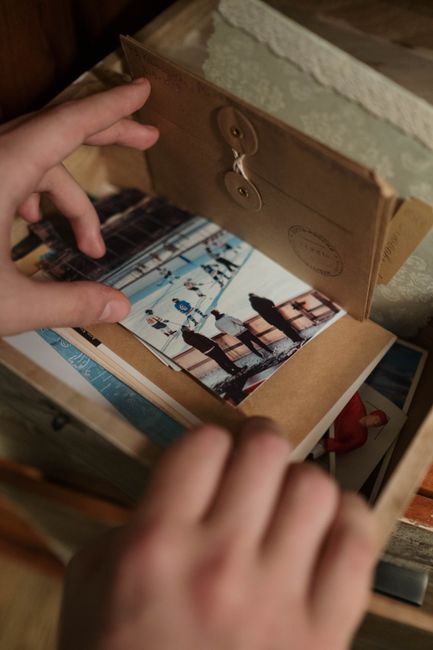
Memories Saved in Seconds: Curating Your Life’s Story with a Memory Box
The human experience is a tapestry woven with moments, both grand and seemingly insignificant. These fragments of time, etched into our minds, form the unique narrative of our lives. Yet, our memories, while precious, can be surprisingly ephemeral. The scent of a childhood summer, the nervous flutter before a first date, the triumphant roar of a crowd – these sensations and emotions can fade, leaving behind only ghost-like impressions. This is where the concept of a memory box, a tangible repository for these fleeting recollections, becomes not just a sentimental endeavor, but a vital tool for preserving our personal history. A memory box isn’t about hoarding clutter; it’s about intentionally curating and safeguarding the artifacts that evoke powerful emotions and significant life events, allowing us to revisit and reconnect with our past in a deeply personal way. By actively engaging in the process of collecting and organizing these items, we are essentially creating a physical anchor for our memories, ensuring that the essence of those seconds, minutes, and days is not lost to the relentless march of time.
The power of a memory box lies in its direct connection to sensory experience. Unlike a purely digital archive, a physical object carries weight, texture, and even scent. A ticket stub from a concert isn’t just data; it’s the crinkled paper, the faded ink, and the faint lingering smell of popcorn or exhaust fumes from the journey. A child’s first crayon drawing is more than an image; it’s the waxy texture, the vibrant, imperfect lines, and the tangible proof of burgeoning creativity. These sensory details act as powerful triggers, unlocking a cascade of associated memories and emotions that a flat digital image might struggle to replicate. Think about the difference between seeing a photograph of a seashell and holding that actual seashell, feeling its smooth, cool surface, its intricate ridges, and perhaps even catching a faint whisper of the ocean breeze. This tactile and sensory engagement is fundamental to the enduring power of a memory box. It allows us to not just remember an event, but to re-experience it on a deeper, more visceral level. Each item within the box becomes a key, unlocking a vault of personal history, offering a portal back to specific times, places, and feelings.
The items we choose to place in our memory boxes often reflect pivotal moments and significant milestones. A baby’s first lock of hair, a dried corsage from a school dance, a handwritten letter from a loved one, a passport stamped with a memorable trip, or even a small pebble collected from a significant beach – these are the anchors that hold our life’s narrative. They represent graduations, weddings, births, first jobs, unforgettable vacations, periods of personal growth, and cherished friendships. The selection process itself is a form of self-reflection, forcing us to identify what truly holds meaning for us. It’s about recognizing the profound impact that seemingly small objects can have on our emotional landscape. For instance, a worn-out t-shirt from a beloved band’s concert might evoke the exhilarating energy of the crowd, the camaraderie of friends, and the pure joy of the music. A small, chipped teacup could represent countless hours of intimate conversations with a grandparent. These aren’t just random possessions; they are tangible fragments of lived experience, imbued with the emotional residue of those times.
The act of creating and curating a memory box offers numerous psychological benefits. It provides a tangible way to process experiences, especially significant or challenging ones. By choosing to preserve an item related to a difficult time, such as a hospital bracelet from an illness or a letter from a period of significant personal struggle, we acknowledge that we have overcome those challenges. This act of preservation can be incredibly empowering, serving as a testament to our resilience and growth. Furthermore, the process of reminiscing through a memory box can be a powerful tool for maintaining a sense of self, especially as we age. It allows us to revisit our past selves, to reconnect with the dreams, aspirations, and values that shaped us. This can be particularly beneficial for individuals experiencing memory loss, as the physical objects can act as prompts for conversation and recollection, offering comfort and a sense of continuity. The tactile nature of the items can bypass cognitive blocks, triggering emotional memories that verbal recall might fail to access.
The beauty of a memory box lies in its inherent flexibility and personalization. There are no strict rules, no right or wrong way to assemble one. The ideal memory box is one that resonates deeply with the individual who creates it. Some might opt for a formal wooden chest, while others might prefer a simple shoebox or a decorative trunk. The container itself can even hold sentimental value, perhaps being a gift or an item that was present during a significant life event. The contents are equally fluid. Beyond the obvious keepsakes, consider incorporating items that capture specific sensory details. A small vial of sand from a favorite beach, a pressed flower from a special occasion, a dried sprig of lavender from a memorable garden – these elements add depth and sensory richness. Think about including photographs, of course, but also go beyond the expected. Consider printing out screenshots of meaningful conversations, concert ticket stubs, event programs, children’s artwork, small trinkets picked up on travels, even fabric swatches from favorite clothing items that are no longer wearable but evoke strong memories. The key is intentionality – each item should have a story, a purpose, a connection to a cherished memory.
The SEO benefits of discussing memory boxes are rooted in the inherent human desire for connection, preservation, and storytelling. Keywords such as "memory box," "keepsake box," "preserving memories," "personal history," "sentimental items," "life story," "cherished memories," "nostalgia," and "family heirlooms" are all highly searchable. Furthermore, the concept appeals to a broad audience, from young adults starting to build their lives to older individuals seeking to document their legacy. Individuals are actively searching for ways to organize their personal belongings, to make sense of their past, and to create tangible connections to their lived experiences. The article’s focus on the "seconds" aspect speaks to the increasing speed of modern life and the desire to intentionally capture fleeting moments. This resonates with people seeking to slow down and appreciate the present by actively preserving its essence for the future. By using relevant keywords naturally throughout the text, and by providing valuable, actionable information on how to create and utilize a memory box, this article can attract significant organic traffic from individuals seeking inspiration and guidance.
The process of building a memory box can be approached in several ways. Some prefer to create it gradually, adding items as they acquire them. Others might dedicate specific times, perhaps during seasonal decluttering or before significant life transitions, to curate their collection. A proactive approach involves setting aside a designated box from the outset and consciously deciding what merits a place within it. This preventative measure ensures that meaningful items are not lost or discarded in the flow of everyday life. Consider dedicating specific areas of your home or digital space to capturing potential memory box items. This could be a physical shelf for incoming treasures or a dedicated digital folder for screenshots and saved messages. Regularly reviewing these designated areas will help maintain the momentum and ensure that the memory box remains a vibrant, evolving chronicle.
The long-term value of a memory box extends far beyond the initial act of collection. It becomes an invaluable resource for personal reflection, a source of comfort during difficult times, and a powerful tool for intergenerational connection. Imagine sharing your memory box with your children or grandchildren, not just showing them photos, but holding out a dried flower from your wedding bouquet, a ticket stub from a concert that defined your youth, or a child’s first scribbled drawing. This allows you to share the feeling of those moments, to transmit not just information, but emotion and personal narrative. These tangible artifacts can spark conversations, bridge generational gaps, and offer a unique window into the lives and experiences of those who came before. The memory box transforms from a collection of objects into a living testament to love, resilience, and the richness of human experience, providing a tangible legacy that can be cherished for generations.
In essence, a memory box is an investment in your personal narrative. It’s a conscious effort to capture and preserve the ephemeral, to transform fleeting seconds into enduring stories. By embracing the power of tangible keepsakes, we create a rich tapestry of our lives, accessible not just to our minds, but to our senses. This intentional act of preservation ensures that the essence of our journey – its joys, its challenges, its lessons learned, and its profound moments of connection – remains a vibrant and accessible part of our present and future. It is a testament to the enduring power of the individual human story, a story that is built, second by second, and preserved for all time.
