
Make A Cheap And Easy Phone Case
DIY Phone Case: Craft a Stylish and Affordable Protective Cover
Creating a custom phone case at home offers a unique blend of personalization and cost-effectiveness. This guide explores various methods for making a cheap and easy phone case, catering to different skill levels and available materials. The primary goal is to provide a functional protective layer for your device without the expense of commercially manufactured alternatives. We will delve into methods utilizing common household items, simple craft supplies, and readily available online materials. The focus remains on accessibility, ease of execution, and achieving a satisfactory aesthetic while prioritizing protection. Whether you’re looking for a temporary solution, a fun craft project, or a way to express your creativity, these DIY approaches offer a compelling alternative to purchasing a new phone case.
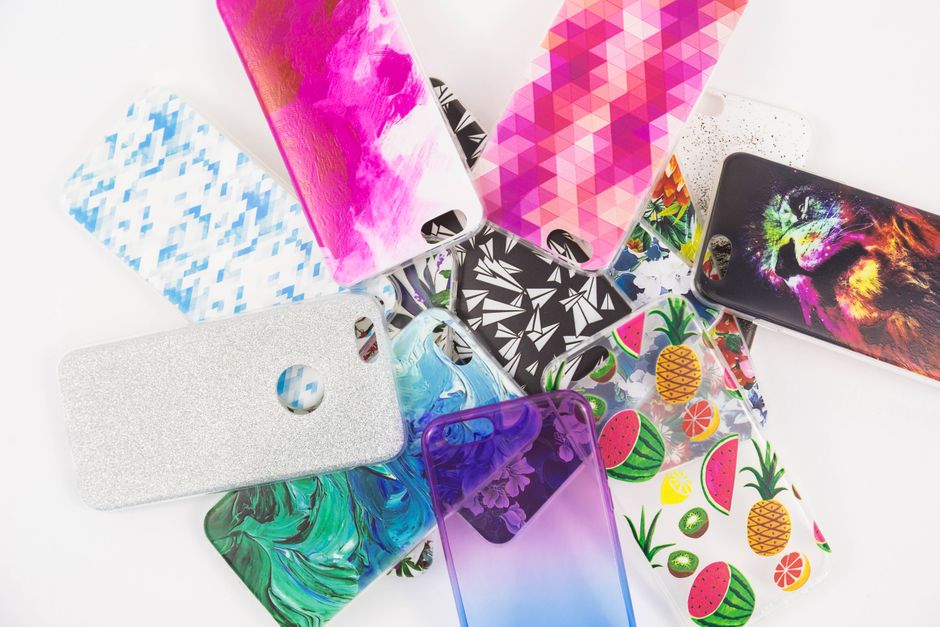
One of the simplest and most readily available methods for creating a DIY phone case involves the use of a clear, pre-existing phone case as a base. These clear cases are inexpensive and can be purchased from online retailers or electronics stores for a few dollars. The beauty of this method lies in its versatility. Once you have a clear case, you can adorn it with a wide array of materials. For a quick and graphic design, consider using permanent markers. Draw intricate patterns, bold geometric shapes, or even replicate your favorite artwork directly onto the back of the clear case. Ensure the marker ink is fully dry before snapping the case onto your phone to prevent smudging. Another effective technique is to use paper cutouts. Print out images, photos, or patterned paper from your computer. Carefully cut these to fit the dimensions of your phone case, paying attention to any camera or button cutouts. You can then secure these paper designs to the inside of the clear case using a thin layer of clear-drying craft glue or double-sided tape. For added durability and a professional finish, consider laminating the paper design before inserting it into the case. This prevents wear and tear and gives it a smooth, glossy appearance. Glitter is another popular embellishment. Apply a thin, even layer of clear craft glue to the inside of the case and sprinkle generously with your chosen glitter. Tap off any excess and allow it to dry completely. For a more contained glitter effect, you can also mix glitter directly into clear glue and then spread it onto the case. Fabric scraps can also be incorporated. Cut a piece of fabric to size, apply fabric glue to the inside of the clear case, and carefully press the fabric into place. Trim any excess fabric and allow the glue to cure fully. This method allows for a wide range of textures and patterns, from subtle linen to vibrant floral prints.
For those seeking a more substantial and molded case, duct tape offers a surprisingly effective and robust solution. Duct tape is incredibly durable, water-resistant, and comes in an almost endless variety of colors and patterns. To begin, you’ll need a template of your phone’s dimensions. You can trace your phone onto a piece of paper, or if you have an old, unwanted case, you can use that as a guide for the shape. Start by creating a base layer of duct tape, covering the entire back of your phone or template with overlapping strips of tape. Ensure the tape is pulled taut to avoid wrinkles. For the sides, cut strips of tape and carefully adhere them, folding them over the edges to create a seamless wrap. This will form the outer shell of your case. For added thickness and shock absorption, you can add multiple layers of duct tape. Once the basic shape is formed, use a sharp craft knife or scissors to carefully cut out openings for the camera, charging port, and any buttons. Be precise to ensure full functionality. For a cleaner finish, you can trim the edges with a craft knife. To create a "lip" around the screen for added protection, you can fold the tape over the edges of the front of the case. Experiment with different color combinations and patterns to create a truly unique and eye-catching design. You can even create stripes, checkered patterns, or abstract designs by layering different colored tapes.
Another accessible and customizable option involves utilizing felt or craft foam. These materials are soft, easy to cut, and provide a reasonable level of padding. For a simple felt case, you’ll need two pieces of felt cut to the dimensions of your phone, with a slight overlap to create a pocket. You’ll also need a slightly larger piece for the front flap if you desire one. Sew the two main pieces together along three sides, leaving the top open. You can use a simple running stitch or a decorative whip stitch for a more finished look. If you’re not comfortable with sewing, fabric glue can be used as an alternative, though it may not be as durable. For added embellishment, you can cut out shapes from different colored felt or embroidery thread and stitch or glue them onto the front of the case. Craft foam can be used in a similar manner, offering more rigidity. Cut out two pieces of foam to the size of your phone and a strip for the sides. Glue the sides to the back piece, then carefully slot your phone in. You can then glue the front piece on top, ensuring the edges are aligned. To create a closure for a flap-style case, you can add a button and a loop made from felt or elastic. The flexibility of felt and foam allows for creative applications, such as adding pockets for cards or headphones.
For a more durable and water-resistant option, consider using silicone sealant or hot glue. This method requires a bit more care and a controlled environment. First, you’ll need a mold. You can use an existing phone case as a mold, or you can create a makeshift mold using cardboard or thick plastic, ensuring it fits your phone snugly. Apply a thin, even layer of clear silicone sealant or hot glue into the mold, working it into the corners and edges. You can embed objects like small beads, glitter, or even dried flowers into the silicone while it’s still wet. If using hot glue, work quickly before it cools. Allow the sealant or glue to dry completely, which can take several hours for silicone. Once dried, carefully remove the case from the mold. You may need to trim any excess material with a craft knife. This method provides a flexible yet protective case, and the clear nature of silicone allows for highly personalized designs with embedded elements. For added grip, you can also texture the surface of the silicone with a fork or toothpick before it fully cures.
Mod Podge, a popular craft adhesive and sealant, offers another versatile avenue for DIY phone case creation. This water-based glue can be used to adhere various materials to a base case, and then it acts as a protective sealant. Start with a plain, inexpensive case – plastic, wood, or even a pre-made clear case will work. Tear or cut out images from magazines, print custom designs, or use fabric scraps. Apply a thin layer of Mod Podge to the back of your chosen material and carefully press it onto the case, smoothing out any bubbles or wrinkles. Continue layering your chosen embellishments until you achieve your desired design. Once all your decorative elements are in place, apply several thin, even coats of Mod Podge over the entire case, allowing each coat to dry completely before applying the next. This will create a durable, water-resistant, and glossy finish. For a matte finish, opt for Mod Podge Matte. Experiment with different textures by layering fabric, paper, and even thin layers of paint. This method is particularly effective for creating decoupage effects and allows for a high degree of artistic freedom.
Beyond these core methods, there are numerous ways to personalize and enhance your DIY phone case. Consider adding grip to your case by strategically applying textured paint or small rubber stoppers to the sides. For a minimalist approach, a single bold color of spray paint applied to a plain case can be highly effective. If you’re working with a clear case and want to add color without permanent markers, consider painting the inside of the case. This protects the paint from scratching and gives a smooth, uniform color. For those with a sewing machine, a fabric case can be made more structured by interfacing the fabric before sewing. Ultimately, the key to a successful DIY phone case lies in creativity, patience, and a willingness to experiment. By utilizing readily available materials and simple techniques, you can craft a protective and stylish phone case that reflects your personality without breaking the bank. The process itself can be a rewarding and enjoyable experience, transforming everyday items into functional art. Remember to always prioritize the protection of your device; while aesthetics are important, the primary function of a phone case is to safeguard it from damage. Test the functionality of all ports and buttons after completion to ensure your case doesn’t impede usability.
