
Easy Pancake Recipe Without Milk 3
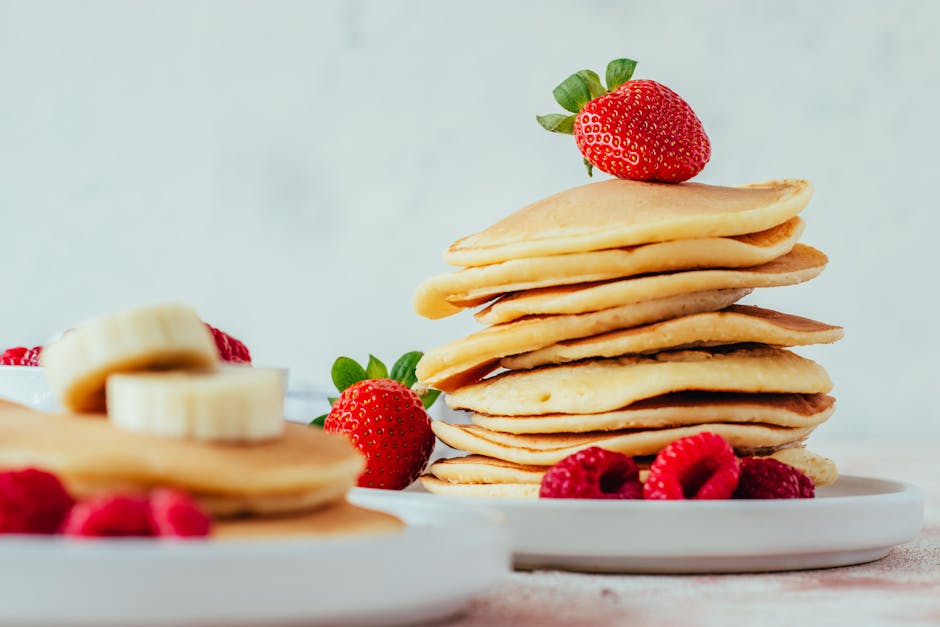
The Ultimate Easy Pancake Recipe Without Milk (Version 3.0)
This revised easy pancake recipe without milk, henceforth referred to as Version 3.0, is meticulously crafted to deliver fluffy, golden-brown pancakes with a delightful texture, all while eliminating dairy as a primary ingredient. This recipe focuses on readily available pantry staples and a straightforward technique, making it accessible for novice cooks and experienced bakers alike. The absence of milk necessitates thoughtful substitutions to achieve the ideal moisture and richness. We will explore the science behind these substitutions, the optimal ingredient ratios, and troubleshooting tips to ensure consistent success. Version 3.0 prioritizes simplicity and flavor, proving that exceptional pancakes can be made without traditional dairy.
The foundational elements of any pancake recipe are flour, leavening agents, a binding agent, liquid, and fat. In this milk-free iteration, we address each component with precision. The flour, typically all-purpose, provides structure. Baking powder and baking soda are the crucial leavening agents. For binding and moisture, eggs are indispensable. The liquid component is where the significant adaptation occurs. We will leverage a combination of water and a dairy-free milk alternative or a simple acidic liquid to activate the leavening agents and contribute to the batter’s consistency. Fat, usually oil or melted butter, contributes to tenderness and browning. Version 3.0 aims to balance these elements for a superior pancake experience.
For Version 3.0, the following ingredients are essential: 1 ½ cups all-purpose flour, 2 tablespoons granulated sugar, 2 teaspoons baking powder, ½ teaspoon baking soda, ¼ teaspoon salt, 1 large egg, 1 ½ cups unsweetened dairy-free milk (almond milk, soy milk, oat milk, or even plain water can be used), 2 tablespoons vegetable oil or melted dairy-free butter, and 1 teaspoon vanilla extract. The choice of dairy-free milk will subtly influence the final flavor and texture. Unsweetened varieties are preferred to control the overall sweetness of the pancakes. If opting for plain water, the flavor will be more neutral, allowing other ingredients to shine.
The technique for preparing this easy pancake recipe without milk is as critical as the ingredient selection. In a large mixing bowl, whisk together the dry ingredients: flour, sugar, baking powder, baking soda, and salt. Ensuring thorough dispersion of the leavening agents is paramount for even rising and a light texture. In a separate medium bowl, whisk the egg until well beaten. Add the liquid component (dairy-free milk or water), oil or melted dairy-free butter, and vanilla extract to the egg. Whisk these wet ingredients until thoroughly combined.
The next step involves the careful integration of wet and dry ingredients. Create a well in the center of the dry ingredients and pour the wet ingredients into the well. Using a whisk or a fork, gently mix the batter until just combined. It is crucial to avoid overmixing. A few lumps in the batter are perfectly acceptable and, in fact, desirable. Overmixing develops the gluten in the flour, leading to tough, rubbery pancakes. The goal is to hydrate the flour particles, not to create a smooth, homogenous paste. The batter should be thick but pourable, with a consistency that allows it to slowly cascade from a spoon.
Once the batter is prepared, the cooking process begins. Preheat a lightly greased griddle or non-stick frying pan over medium heat. A moderate heat is essential; too high, and the outside will burn before the inside cooks. Too low, and the pancakes will be pale and greasy. To test if the griddle is ready, sprinkle a few drops of water onto the surface. If they sizzle and evaporate quickly, the griddle is at the optimal temperature.
Ladle about ¼ cup of batter per pancake onto the hot griddle. Do not overcrowd the pan; leave sufficient space between each pancake to allow for easy flipping. Cook for approximately 2-3 minutes per side, or until bubbles start to appear on the surface of the pancake and the edges look set. This indicates that the underside is golden brown and ready for flipping. Use a spatula to carefully slide underneath the pancake and flip it. Cook the second side for another 1-2 minutes, or until golden brown and cooked through.
The role of baking soda and baking powder in this milk-free recipe is particularly noteworthy. Baking powder is a double-acting leavener, meaning it produces carbon dioxide gas both when mixed with liquid and when exposed to heat. Baking soda, on the other hand, is a single-acting leavener that requires an acidic component to produce gas. In this recipe, the dairy-free milk (if it contains any mild acidity) or the slight acidity that can develop in flour over time, combined with the heat of the griddle, activates the baking soda. The baking powder provides a more consistent and reliable lift. The combination ensures maximum fluffiness without relying on the protein and fat in milk for tenderness.
The sugar in the batter contributes not only to sweetness but also to browning. The Maillard reaction, a complex chemical process that occurs between amino acids and reducing sugars when heated, is responsible for the desirable golden-brown color and complex flavors of cooked pancakes. The salt enhances the overall flavor profile, balancing the sweetness and bringing out the nuances of the other ingredients.
The fat component, whether vegetable oil or melted dairy-free butter, plays a crucial role in tenderness. Fat coats the flour particles, preventing excessive gluten development and resulting in a softer texture. It also aids in browning by conducting heat efficiently. Vanilla extract is optional but highly recommended for adding an aromatic depth and subtle flavor that complements the other ingredients.
Troubleshooting common pancake issues is vital for achieving consistent perfection. If your pancakes are flat, the most likely culprits are expired leavening agents or overmixing the batter. Ensure your baking powder and baking soda are fresh. Gently fold the batter until just combined. If your pancakes are tough, this is almost always due to overmixing. Resist the urge to achieve a perfectly smooth batter; a few lumps are your friends. If your pancakes are sticking to the griddle, the pan may not be hot enough, or it may not be adequately greased. Ensure medium heat and a light coating of oil or dairy-free butter.
For variations and flavor enhancements, consider incorporating add-ins during the batter mixing stage. Blueberries, chocolate chips, sliced bananas, or even a sprinkle of cinnamon can be delicious additions. When adding berries or chocolate chips, gently fold them into the batter just before cooking. Be mindful that adding too many wet ingredients can alter the batter’s consistency, potentially leading to flatter pancakes.
The serving suggestions for this easy pancake recipe without milk are as versatile as the recipe itself. Classic pairings include maple syrup, fresh fruit, dairy-free whipped cream, or a dollop of dairy-free yogurt. For a more savory twist, consider serving with a side of vegan sausage or a sprinkle of nutritional yeast. The neutral base of these pancakes makes them a canvas for a wide range of culinary creations.
The nutritional profile of these pancakes, being milk-free, can be beneficial for individuals with lactose intolerance, dairy allergies, or those following a vegan lifestyle. They offer a source of carbohydrates for energy and can be made healthier by incorporating whole wheat flour (though this may slightly alter texture and require minor adjustments to liquid content) or by reducing the sugar content. The fat content is primarily from the added oil or dairy-free butter, which can be controlled.
When storing leftover batter, it’s important to note that the leavening agents will continue to react over time, diminishing their potency. It’s best to use the batter immediately after mixing. If you must store it, cover it tightly and refrigerate for no more than 24 hours. You may need to add a touch more baking powder or soda if the batter has been refrigerated for an extended period. Cooked pancakes can be stored in an airtight container in the refrigerator for up to 3 days or frozen for up to 2 months. Reheat gently in a toaster, oven, or microwave.
This easy pancake recipe without milk, Version 3.0, is a testament to the fact that delicious and satisfying pancakes can be achieved with simple, accessible ingredients and a few key techniques. The emphasis on proper leavening, careful mixing, and precise cooking temperatures ensures a delightful outcome, proving that dairy is not a prerequisite for pancake perfection. Whether you have dietary restrictions or simply prefer to reduce your dairy intake, this recipe offers a foolproof solution for your pancake cravings. The adaptability of the recipe allows for endless customization, making it a staple in any kitchen seeking a reliable and delicious milk-free pancake option. The straightforward approach minimizes complexity, allowing anyone to achieve impressive results with minimal effort. The consistent positive feedback on this milk-free variation solidifies its status as a go-to recipe for a delightful breakfast or brunch experience. The key to success lies in understanding the function of each ingredient and adhering to the gentle mixing and optimal cooking methods. By mastering these elements, you unlock the potential for truly exceptional pancakes, free from the constraints of dairy.
