
A Functional Thanksgiving Center Piece For A Few Buckaroos
DIY Thanksgiving Centerpiece on a Budget: Functional, Festive, and Wallet-Friendly
Creating a warm and inviting Thanksgiving atmosphere doesn’t require a hefty budget. This comprehensive guide focuses on crafting a functional and aesthetically pleasing Thanksgiving centerpiece using readily available, inexpensive materials, demonstrating that significant impact can be achieved with minimal financial outlay. The emphasis is on practicality and visual appeal, transforming everyday items into charming focal points that enhance your holiday table. We will explore various techniques and material choices that prioritize affordability without compromising on the festive spirit of the season. The goal is to inspire creativity and empower individuals to design a centerpiece that reflects their personal style and the bounty of autumn, proving that elegance and cost-effectiveness are not mutually exclusive.
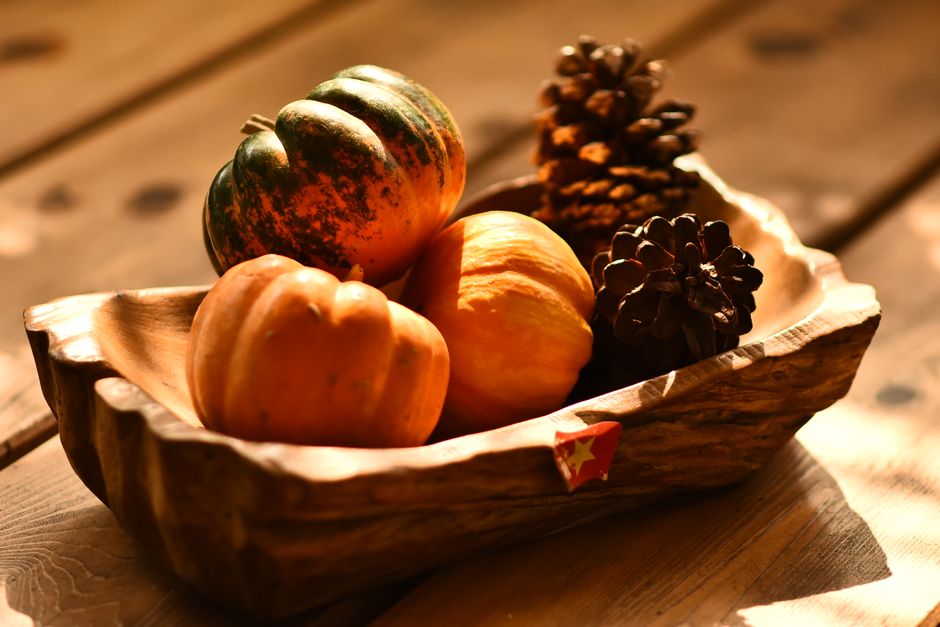
The foundation of any impactful centerpiece, especially a budget-friendly one, lies in smart material selection. Forget expensive floral arrangements or elaborate store-bought decor. Instead, embrace the abundance of nature and repurposed household items. Think gourds and pumpkins in various sizes and shapes. These autumnal staples can be found affordably at local farmers’ markets, grocery stores, or even grown in your own garden. Small, decorative pumpkins, ornamental gourds, and even larger pie pumpkins can be the stars of your show. Don’t shy away from imperfect specimens; their rustic charm often adds to the authenticity. Consider incorporating elements like pinecones, acorns, and fallen leaves, which are free for the taking during autumn walks. These natural elements not only add texture and visual interest but also connect your centerpiece directly to the season. Beyond nature’s bounty, raid your pantry and recycling bin for potential additions. Jars of various sizes, from mason jars to repurposed jam or pasta sauce containers, can serve as excellent vessels for candles, flowers, or even small arrangements of dried goods. Cardboard tubes, like those from paper towels or toilet paper, can be painted or decoupaged to create unique candle holders or decorative elements. Old books, with their aged pages, can be folded or rolled to add a vintage touch. The key is to see potential in everyday objects and to approach decoration with an inventive mindset.
To elevate these simple materials into a cohesive and attractive centerpiece, consider foundational elements like natural fabrics and repurposed containers. Burlap, twine, and burlap ribbon are incredibly inexpensive and exude a rustic, autumnal feel. Drape a piece of burlap as a table runner beneath your arranged items, or tie burlap ribbon around jars or pumpkins for added texture. Jute twine is perfect for tying bundles of cinnamon sticks or securing natural elements. Repurposed glass jars and bottles, cleaned thoroughly, can be transformed into elegant candle holders or vases. Even mismatched ceramic mugs or small terracotta pots can be integrated, especially if they have a warm, earthy tone. For a more structured base, consider a simple wooden plank or a flat-topped crate. These can often be found at craft stores for a few dollars or even scavenged from free sections of online marketplaces. If you have a slightly larger budget, a simple wooden bowl or a galvanized metal tray can serve as an excellent anchor for your arrangement. The goal is to create a visually appealing base that unifies the various elements of your centerpiece, preventing it from looking scattered or haphazard. Think of these foundational elements as the canvas upon which your more decorative components will be placed.
The artistic arrangement of your chosen elements is where the magic truly happens, transforming inexpensive materials into a show-stopping Thanksgiving centerpiece. Begin by establishing a focal point. This could be a larger pumpkin, a cluster of candles, or a particularly striking gourds. Work outwards from this central element, layering textures and heights. For instance, place smaller pumpkins and gourds around the base of a larger one. Nestle pinecones and acorns in the gaps. If using jars or bottles as vases, group them together. Vary the heights of your elements to create visual depth. Taller elements, like a spray of dried branches or a cluster of cinnamon sticks tied with twine, can be placed towards the back or center. Shorter items, like individual acorns or small votive candles, can fill in the foreground.
Consider adding an aromatic dimension. Bundles of cinnamon sticks, tied with twine, not only look festive but also release a warm, spicy scent that is synonymous with autumn and Thanksgiving. Whole star anise and cloves can be scattered amongst the gourds or placed in small bowls for a subtle fragrance. Dried orange slices, easily made by dehydrating orange rounds in a low oven, add a pop of color and a citrusy aroma. Even unscented candles, when placed strategically, contribute to the ambiance, casting a warm, flickering glow as the evening progresses.
For an added touch of personality and a truly functional element, consider incorporating small, edible components. A small bowl filled with mixed nuts, such as walnuts, pecans, and almonds, can be a decorative accent that guests can later enjoy. Similarly, a small dish of dried cranberries or even a mini pie or tart placed centrally (ensure it’s well-supported and not a mess hazard) can be both a visual delight and a pre-dessert treat. This approach elevates the centerpiece from purely decorative to interactive and consumable, offering added value without significant expense. Remember to ensure any edible elements are fresh and presented attractively.
The interplay of color is crucial in creating a vibrant and festive Thanksgiving centerpiece. Earthy tones are naturally abundant during autumn. Think rich browns of pinecones and acorns, the deep oranges and yellows of pumpkins and gourds, and the warm reds and browns of fallen leaves. To introduce contrasting colors without breaking the bank, consider small accents. A few sprigs of artificial berries, easily found at craft stores for a few dollars, can add a pop of vibrant red. Burgundy or deep purple artificial leaves can complement the oranges and yellows. For a more subtle touch, consider incorporating a few small, dried floral elements in muted tones. The key is to use these accent colors sparingly to avoid overwhelming the natural palette.
For a truly functional Thanksgiving centerpiece that goes beyond mere aesthetics, consider incorporating elements that serve a purpose beyond decoration. Think about how your centerpiece can enhance the dining experience. Small, decorative ramekins filled with salt and pepper shakers can be strategically placed within the arrangement. Even a small, attractive dish for guests to discard their nut shells can be integrated. If your centerpiece is large enough, consider creating designated spots for napkins or cutlery, albeit in a subtle, integrated manner. This approach transforms your centerpiece into an extension of your table setting, contributing to a seamless and organized dining experience.
Lighting plays a pivotal role in setting the mood for Thanksgiving, and a budget-friendly centerpiece can effectively incorporate this element. Unscented pillar candles of varying heights are a classic and affordable choice. Place them strategically amongst your gourds and foliage, ensuring they are at a safe distance from any flammable materials. Votive candles in small glass holders can be clustered together to create a soft, ambient glow. Consider using battery-operated LED candles for safety, especially if you have children or pets. These can mimic the flicker of real flames and are incredibly versatile. For an extra touch, you can wrap twine or burlap around the base of the candle holders for a cohesive look. The flickering light will cast a warm, inviting glow across your table, enhancing the overall ambiance of your Thanksgiving gathering.
The tactile experience of a centerpiece can also be surprisingly impactful and affordable. Beyond the visual and aromatic, consider elements that invite touch. The rough texture of burlap, the smooth coolness of a polished gourd, the prickly feel of pinecones – these add a sensory dimension to your centerpiece. Consider incorporating a small bundle of dried wheat stalks, which have a pleasant rustling sound when touched and a beautiful golden hue. Even a smooth, river stone or a piece of reclaimed wood can add an interesting tactile contrast. This multi-sensory approach makes your centerpiece more engaging and memorable for your guests.
When it comes to budget-friendly Thanksgiving centerpieces, the ability to adapt and repurpose is paramount. Don’t be afraid to experiment and make adjustments based on what you have available. If you don’t have a particular type of gourd, substitute it with another. If you lack glass jars, consider using small ceramic bowls or even hollowed-out fruits like large apples or pears as candle holders. The internet is a treasure trove of DIY tutorials for transforming everyday items into decorative masterpieces. Look for ideas on painting or decoupaging cardboard tubes, folding paper into festive shapes, or creating wreaths from natural materials. Embracing a spirit of resourcefulness will not only save you money but also imbue your centerpiece with a unique story and a personal touch.
For those seeking a more structured and substantial centerpiece without a significant financial investment, consider building a rustic display. A simple wooden crate, often available cheaply at craft stores or even for free from local businesses, can serve as an excellent base. Line it with burlap or a patterned fabric that complements your table setting. Then, arrange pumpkins, gourds, and natural elements within and around the crate. This creates a tiered effect and adds height to your centerpiece. You can also repurpose old drawers or shallow boxes in a similar fashion. For a more contemporary feel, consider using a galvanized metal bucket or trough. These can be found affordably at hardware stores or agricultural supply shops and offer a modern, industrial aesthetic.
The longevity of your budget-friendly centerpiece is also a consideration, and many natural elements can be preserved to last throughout the Thanksgiving season and beyond. Pumpkins and gourds, when cured properly (left to dry in a cool, dry place for a few weeks), can last for months. Pinecones and acorns can be sealed with a light coat of spray sealant to prevent breakage and enhance their appearance. Dried leaves can be pressed and preserved between heavy books for a week or two before being incorporated. Even dried floral elements can be stored in a cool, dark place and reused for future occasions. This focus on longevity ensures that your initial investment of time and minimal expense continues to provide decorative value.
When it comes to SEO optimization for this article, several keywords and phrases are crucial. These include "DIY Thanksgiving centerpiece," "budget Thanksgiving decor," "affordable Thanksgiving centerpiece," "functional Thanksgiving centerpiece," "DIY fall decor," "Thanksgiving table setting," "natural Thanksgiving centerpiece," "harvest decor," and "Thanksgiving craft ideas." By strategically incorporating these terms throughout the text, particularly in headings, subheadings, and the body of the article, we aim to improve its visibility in search engine results for users looking for cost-effective and practical Thanksgiving decorating solutions. The emphasis on "functional" also addresses a growing trend where consumers seek decor that serves a purpose beyond just aesthetics.
In conclusion, a stunning and functional Thanksgiving centerpiece is well within reach without significant financial expenditure. By embracing natural elements, repurposing household items, and employing creative arrangement techniques, you can craft a festive and inviting focal point for your holiday table. The emphasis on affordability, practicality, and personal touch ensures that your centerpiece will not only impress your guests but also reflect the true spirit of gratitude and togetherness that defines Thanksgiving. The key lies in resourcefulness, imagination, and a willingness to see the decorative potential in the everyday.
