
And A Little Child Shall Lead Them
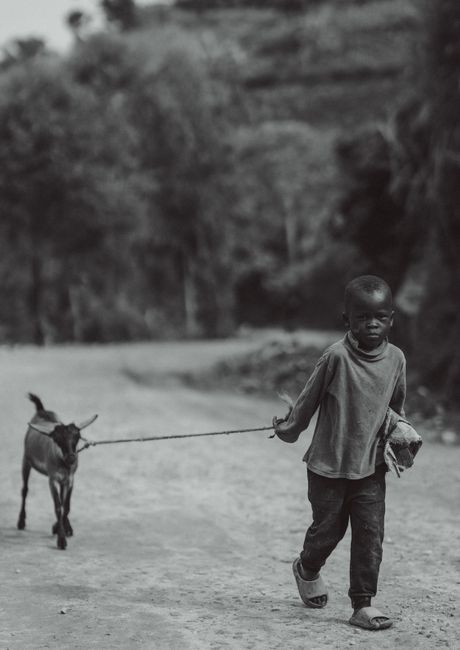
And a Little Child Shall Lead Them: Unveiling Prophetic Wisdom and Transformative Power
The seemingly innocuous phrase, "And a little child shall lead them," drawn from the prophetic verses of Isaiah 11:6, transcends its biblical origins to offer profound insights into leadership, societal transformation, and the very nature of wisdom. This prophetic utterance, often cited and interpreted through various lenses, speaks of a future era characterized by radical shifts in power dynamics, where innocence, purity, and an uncorrupted perspective become the guiding force. It suggests a dismantling of conventional hierarchies and an elevation of qualities often overlooked in adult-dominated leadership paradigms. The essence of this prophecy lies not in a literal child assuming a governmental or societal role in a conventional sense, but rather in the embodiment of childlike virtues – humility, vulnerability, unconditionality, and an inherent connection to truth – becoming the bedrock upon which a more just and harmonious world is built.
Understanding the prophetic context of Isaiah 11:6 is crucial for grasping its full import. The passage is situated within a broader vision of a redeemed Israel and a transformed world, brought about by the coming of a righteous ruler, a descendant of Jesse, who will possess the Spirit of the Lord. This ruler will establish an era of peace, justice, and reconciliation, where even the most formidable adversaries will coexist harmoniously. Within this idyllic future, the lion will lie down with the lamb, and a little child will be their keeper. This imagery is deeply symbolic. The juxtaposition of the powerful, dangerous lion with the vulnerable, innocent child underscores a fundamental reordering of the natural order, not through force, but through a transformative influence that disarms aggression and fosters trust. The child, in this prophetic landscape, is not a mere spectator but an active agent of change, their presence and nature instrumental in maintaining this unprecedented peace.
The "leading" of the child is not a command-and-control leadership style but a passive yet potent influence. It is leadership through example, through embodying a state of being that naturally calms and unifies. This unmediated connection to truth and goodness inherent in a child’s spirit, unburdened by the cynicism, ego, and learned prejudices of adulthood, becomes a beacon. It is the power of purity that cannot be corrupted, the unfeigned sincerity that cannot be manipulated, and the inherent capacity for love and forgiveness that can overcome generations of conflict. In this prophetic vision, the child’s innocence acts as a mirror, reflecting back the distorted realities of the adult world and prompting a re-evaluation of values and behaviors. The "leading" is thus a gentle persuasion, a testament to the power of unadulterated goodness to inspire change in those who have become hardened by experience.
From a modern leadership perspective, the prophecy of the child leading offers a radical critique of traditional power structures. Many contemporary leadership models are built on principles of authority, assertiveness, and strategic maneuvering. While these can be effective in certain contexts, they often perpetuate cycles of competition and division. The prophetic vision, however, suggests that true, sustainable leadership arises from a place of humility and service, qualities that are often nascent in childhood. It calls for leaders to cultivate a childlike openness to learning, a willingness to admit mistakes, and an ability to connect with others on a fundamental human level, unencumbered by hierarchical barriers. The "childlike" leader, therefore, is not immature, but possesses the wisdom to shed the complexities and defenses that often hinder authentic connection and effective collaboration.
Furthermore, the prophecy speaks to the importance of nurturing and protecting the vulnerable. In a world that often prioritizes strength and self-preservation, the child represents the ultimate vulnerability. The fact that this vulnerable being is entrusted with the care of even the most fearsome creatures highlights a societal commitment to safeguarding its most defenseless members. This has profound implications for social policy, economic development, and ethical decision-making. When a society prioritizes the well-being of its children, it inherently addresses issues of poverty, inequality, and violence, as these are often root causes of suffering and instability. The "child shall lead them" implies that a society that truly values and elevates its children will naturally create a more equitable and compassionate environment for all.
The transformative power of this prophecy can be observed in various spheres. In education, a child-centered approach, which prioritizes individual needs, curiosity, and intrinsic motivation, often yields more profound and lasting learning than rigid, adult-dictated curricula. Teachers who embody a childlike enthusiasm for discovery and a genuine connection with their students can inspire a love of learning that extends far beyond academic achievement. In parenting, a shift towards listening to and valuing a child’s perspective, rather than solely dictating rules, can foster stronger family bonds and more resilient individuals. Children often possess a raw honesty and an intuitive understanding of emotional needs that adults, burdened by societal conditioning, may have lost.
On a global scale, the prophecy challenges us to re-examine our approaches to conflict resolution and international relations. Instead of relying on power politics and military might, a "childlike" approach would emphasize empathy, understanding, and a shared commitment to the well-being of all. This involves actively listening to the voices of those who have been historically marginalized and disempowered, recognizing that their perspectives, often forged in the crucible of suffering, can offer unique insights into pathways towards peace and reconciliation. The willingness to set aside pride and ego, akin to a child’s unburdened nature, becomes paramount in fostering genuine dialogue and building lasting trust between nations and communities.
The concept of "leading" by a child also has profound implications for spiritual growth. Many spiritual traditions emphasize the importance of childlike faith – a trust that is unquestioning, unanalytical, and deeply felt. This type of faith allows for a more direct and unhindered connection to the divine. The prophecy suggests that as individuals and societies become more attuned to these childlike qualities of faith and wonder, they will be guided towards a more authentic and fulfilling existence. It is about rediscovering a primal connection to truth, a connection that is often obscured by the complexities and distractions of adult life. This rediscovery is not a regression, but a return to a foundational wisdom that can inform and elevate our understanding of ourselves and our place in the universe.
The "leading" is not about relinquishing responsibility but about re-framing it. It is about understanding that true leadership often involves creating an environment where others feel empowered to contribute their unique gifts and perspectives. When a leader fosters a sense of safety and trust, akin to the security a child feels in the presence of a loving caregiver, it allows for greater creativity, innovation, and collaboration. The "childlike" leader is not afraid to be vulnerable, to ask for help, or to admit when they don’t have all the answers. This authenticity can be incredibly disarming and can foster a deeper sense of connection and loyalty among those they lead.
The prophecy’s relevance extends to the realm of environmental stewardship. Children often possess an innate sense of wonder and respect for the natural world, unburdened by the anthropocentric biases that often lead to environmental degradation. A "childlike" approach to environmentalism would involve prioritizing the health of the planet not just for human benefit, but for the intrinsic value of all living things. This means listening to the wisdom of indigenous communities who have long understood the interconnectedness of all life, and adopting a stance of humility and reverence towards the Earth. The child’s untainted awe for nature can serve as a powerful reminder of what we stand to lose if we fail to act with greater care and responsibility.
In essence, "And a little child shall lead them" is a profound call to embrace a different kind of wisdom, a wisdom that is found not in accumulation of knowledge or in the exercise of power, but in the cultivation of innocence, humility, and an unadulterated connection to truth. It is a prophecy that challenges us to re-evaluate our understanding of leadership, societal progress, and our own spiritual journeys. By embracing the lessons embodied in this prophetic utterance, we can move towards a future where peace, justice, and harmony are not distant ideals, but tangible realities, guided by the gentle yet transformative power of the child. The prophecy encourages a reawakening of our own inner child, a rediscovery of the innate goodness and wonder that resides within us, and through this rediscovery, we can become agents of positive change in the world. The call is to recognize that the most profound and lasting transformations often originate from the most unexpected and seemingly insignificant sources, reminding us that true power lies not in domination, but in the simple, unadorned force of love and truth.
