
Category Digital Photography And Cameras
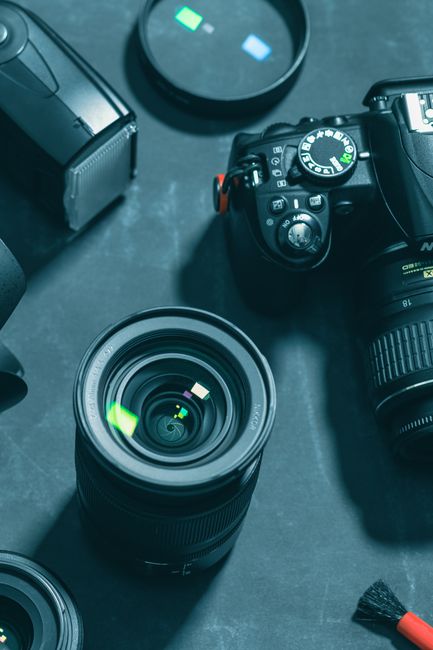
Digital Photography and Cameras: A Comprehensive Guide to Capturing the World
Digital photography represents a monumental shift in how we capture, store, and manipulate images. At its core, it’s the process of taking photographs using a digital camera, a device that records images as digital data rather than on film. This fundamental difference opens up a universe of possibilities for photographers of all levels, from casual smartphone users to seasoned professionals. The transition from analog film to digital sensors has democratized photography, making high-quality image creation accessible and versatile. Digital cameras employ an electronic image sensor, typically a CCD (Charge-Coupled Device) or CMOS (Complementary Metal-Oxide Semiconductor) sensor, to convert light into electrical signals. These signals are then processed and stored as digital files, usually in formats like JPEG or RAW. The absence of film processing, the ability to review images instantly, and the ease of digital manipulation have revolutionized the creative and practical aspects of photography. Understanding the underlying technology of digital cameras and the principles of digital photography is crucial for anyone looking to elevate their imaging skills and make informed purchasing decisions.
The evolution of digital cameras has been rapid and relentless, leading to a diverse array of devices catering to specific needs and budgets. At the entry-level, smartphone cameras have become incredibly sophisticated, offering impressive image quality and a user-friendly experience for everyday snapshots and social media sharing. Moving up, point-and-shoot cameras provide a balance of portability and advanced features, often incorporating larger sensors and more optical zoom than smartphones, making them ideal for travel and casual photography. For enthusiasts and professionals seeking greater control and image quality, DSLR (Digital Single-Lens Reflex) and mirrorless interchangeable-lens cameras are the dominant forces. DSLRs utilize a mirror system to reflect light from the lens to an optical viewfinder, while mirrorless cameras, as their name suggests, omit this mirror, offering a more compact design and often faster autofocus systems. The choice between DSLR and mirrorless depends on individual preferences regarding ergonomics, viewfinder experience, and technological advancements. Beyond these mainstream categories, specialized cameras like action cameras (e.g., GoPro) are built for durability and wide-angle capture in extreme environments, while medium and large format digital cameras offer unparalleled image resolution and dynamic range for the most demanding professional applications. Each type of digital camera comes with its own set of advantages and disadvantages, influencing its suitability for different photographic genres and user skill levels.
Central to the digital photography experience is the image sensor, the heart of any digital camera. Its size, resolution, and type significantly impact image quality. Sensor size, often measured in inches (e.g., 1-inch type, APS-C, full-frame), is a critical factor. Larger sensors can capture more light, leading to better low-light performance, shallower depth of field (for background blur), and wider dynamic range (the ability to capture detail in both bright highlights and dark shadows). Resolution, measured in megapixels (millions of pixels), refers to the number of pixels on the sensor. While higher megapixels can allow for larger prints and more cropping flexibility, they are not the sole determinant of image quality. Pixel density on smaller sensors can lead to increased noise in low light. CMOS sensors are more prevalent in modern cameras due to their lower power consumption and faster read-out speeds compared to CCD sensors. The choice of sensor technology and its specifications directly influences the camera’s ability to render detail, manage noise, and perform in challenging lighting conditions. Understanding these sensor characteristics is fundamental to appreciating the capabilities of different digital cameras and selecting one that aligns with your photographic goals.
Lenses are the eyes of a digital camera, and their quality and type are as crucial as the camera body itself. For interchangeable-lens cameras (DSLRs and mirrorless), a vast ecosystem of lenses offers immense creative potential. Lenses are categorized by their focal length, which determines the field of view and magnification. Wide-angle lenses (short focal lengths, e.g., 14-35mm) capture a broad scene, ideal for landscapes and architecture. Standard or prime lenses (e.g., 35mm, 50mm, 85mm) offer a natural perspective and are often very sharp. Telephoto lenses (long focal lengths, e.g., 70-200mm, 100-400mm) magnify distant subjects, making them suitable for wildlife and sports photography. Zoom lenses offer a range of focal lengths, providing versatility, while prime lenses typically offer superior image quality and wider apertures. Aperture, denoted by f-numbers (e.g., f/1.8, f/5.6), controls the amount of light entering the lens and influences depth of field. Wider apertures (smaller f-numbers) create a shallow depth of field, isolating the subject from its background, while narrower apertures (larger f-numbers) keep more of the scene in focus. Lens construction, glass quality, and coatings all contribute to sharpness, contrast, and the absence of aberrations like chromatic aberration and distortion. Investing in high-quality lenses can significantly elevate the image output of even a mid-range camera body.
The digital photography workflow encompasses more than just taking the picture; it involves image capture, storage, and post-processing. Image capture involves understanding exposure settings (aperture, shutter speed, ISO) to achieve well-exposed photographs. Aperture controls depth of field, shutter speed dictates motion blur and exposure duration, and ISO determines the sensor’s sensitivity to light, influencing noise levels. Most digital cameras offer manual, semi-automatic, and automatic modes to allow users to control these parameters to varying degrees. Image storage is primarily handled by memory cards (e.g., SD cards, CFexpress cards), with varying capacities and speeds crucial for burst shooting and video recording. RAW file format is preferred by many serious photographers because it captures unprocessed sensor data, offering maximum flexibility in post-processing. JPEG files are compressed and processed in-camera, providing smaller file sizes but with less editing latitude. Post-processing, typically done using software like Adobe Lightroom, Photoshop, or Capture One, allows photographers to adjust exposure, contrast, color balance, sharpness, and remove blemishes, ultimately refining the image to its full potential. Understanding these aspects of the digital workflow is essential for producing professional-quality results.
Focusing on specific genres of digital photography reveals how camera and lens choices, along with technique, are tailored to achieve distinct results. Landscape photography often demands wide-angle lenses to capture expansive vistas and a deep depth of field to keep the entire scene sharp. Tripods are essential for long exposures in low light and to ensure maximum sharpness. Portrait photography typically benefits from prime lenses with wide apertures (f/1.4 to f/2.8) to achieve pleasing background blur (bokeh) and isolate the subject. Careful attention to lighting, posing, and expression is paramount. Wildlife photography requires telephoto lenses to capture distant animals and often fast burst shooting modes to freeze action. Image stabilization in both lenses and camera bodies is highly beneficial to counteract camera shake when shooting handheld with long lenses. Sports photography emphasizes high frame rates, fast autofocus, and robust build quality to withstand demanding conditions. Macro photography involves specialized macro lenses that allow for extreme close-ups of small subjects, revealing intricate details. Each genre presents unique challenges and opportunities, necessitating a specific set of tools and techniques within the realm of digital photography and cameras.
The technological advancements in digital cameras continue to push the boundaries of what is possible. Features like in-body image stabilization (IBIS) provide shake reduction across all lenses, enhancing handheld shooting capabilities. Advanced autofocus systems, including eye-detection and subject tracking, ensure that even fast-moving subjects remain sharp. High-resolution electronic viewfinders (EVFs) on mirrorless cameras offer a real-time preview of exposure and white balance, mimicking the experience of an optical viewfinder with added digital benefits. Improved sensor technology leads to better dynamic range and higher native ISO performance, enabling cleaner images in challenging light. Connectivity features, such as Wi-Fi and Bluetooth, facilitate seamless image transfer to smartphones and remote camera control. Video capabilities are also increasingly sophisticated, with many cameras offering high-resolution video recording (4K, 8K) and advanced video features like Log profiles for professional color grading. The ongoing innovation in digital camera technology means that the tools available to photographers are constantly evolving, offering new avenues for creative expression and improved imaging performance.
When selecting a digital camera, several key factors should be considered to ensure the purchase aligns with individual needs and aspirations. Budget is often the primary constraint, but it’s important to consider the long-term investment in lenses and accessories. The intended use of the camera is paramount: is it for casual snapshots, travel, specific hobbies like sports or wildlife, or professional work? Sensor size is a significant differentiator, with larger sensors generally offering superior image quality, especially in low light. Interchangeable lenses vs. fixed lenses is another crucial decision; interchangeable lens systems offer greater flexibility but come with the added cost and complexity of multiple lenses. Ergonomics and handling are subjective but vital for comfortable use, especially during extended shooting sessions. Finally, researching specific camera models, reading reviews, and understanding the pros and cons of different brands and their respective lens ecosystems will guide an informed decision. The digital photography landscape is vast, and finding the right camera is the first step in embarking on a rewarding photographic journey.
