
Diy Christmas Trees For A Couple Bucks
DIY Christmas Trees on a Budget: Festive Decor for Pennies
Creating a magical Christmas atmosphere doesn’t require a hefty budget. This article explores numerous DIY Christmas tree ideas that can be crafted for just a couple of bucks, transforming ordinary materials into festive centerpieces. From repurposed household items to natural elements, these budget-friendly approaches prove that creativity is the most valuable ingredient in holiday decorating. We’ll delve into various styles, from minimalist chic to rustic charm, ensuring there’s a DIY tree to suit every taste and skill level. The focus remains on affordability and accessibility, making it possible for anyone to enjoy a personalized, handcrafted Christmas tree.
Repurposed Pallet Wood Christmas Tree: The ubiquitous wooden pallet offers a wealth of free or very low-cost building material, perfect for a rustic and sturdy DIY Christmas tree. Pallets can often be found discarded behind businesses or advertised for free on online marketplaces. The first step is to carefully dismantle the pallet, removing nails and inspecting the wood for any damage or rot. Safety is paramount, so wear gloves and eye protection during this process. Once dismantled, you’ll have a collection of planks that can be cut to size to create the tree’s silhouette. The simplest design involves cutting planks into progressively shorter lengths, creating a triangular shape. For a more visually interesting tree, you can arrange the planks at angles, resembling branches. Sanding the wood is recommended to remove splinters and create a smoother finish, though leaving it slightly rough can enhance the rustic aesthetic. For a natural look, the wood can be left unfinished or lightly stained. Alternatively, a coat of white or green paint can lend a more traditional feel. Assembly can be achieved using wood glue and small nails or screws. A sturdy base is crucial, and this can be fashioned from thicker pallet wood or even a repurposed wooden crate. The beauty of a pallet wood tree lies in its versatility; it can be decorated with simple fairy lights, handmade ornaments, or even painted with seasonal motifs. This project is ideal for those who enjoy working with their hands and appreciate the character of reclaimed materials. The cost is minimal, primarily comprising the fasteners and any finishing supplies, easily falling within the "couple of bucks" criterion.
Cardboard Box Christmas Tree: Cardboard boxes, a readily available and free resource, offer a surprisingly elegant canvas for DIY Christmas trees. This method is particularly well-suited for creating lightweight, decorative trees that can be hung or placed on shelves. The most straightforward approach involves cutting circular or hexagonal shapes from large cardboard boxes, progressively decreasing in size to form a tiered effect. These shapes can then be slotted together using pre-cut notches to create a freestanding tree. Another popular method is to cut a tree shape from a large piece of cardboard and then create multiple slits from the bottom upwards. Smaller, pre-cut cardboard shapes can then be inserted into these slits to create a layered, branched appearance. For a more sophisticated look, consider using brown kraft paper boxes, which offer a natural, earthy aesthetic. The cardboard can be painted, glittered, or covered in fabric scraps. For a minimalist tree, simply leave the cardboard natural and focus on silhouette. To add dimension and visual interest, use a craft knife to create small cut-outs or patterns in the cardboard. The assembly is typically done using glue or by cleverly interlocking the cardboard pieces. This DIY project is incredibly forgiving and allows for a high degree of customization. The primary cost will be any adhesive or decorative materials, keeping the budget exceptionally low. This option is excellent for families with young children, as it’s safe and adaptable for various skill levels.
Book Christmas Tree: For bibliophiles, a Christmas tree constructed entirely from books is a charming and meaningful display. This method requires no cutting or adhesives, making it a truly ephemeral and eco-friendly option. Simply stack books in a conical shape, starting with the largest at the base and gradually decreasing in size towards the top. Different colored book spines can be arranged to create visual patterns and depth. For a more uniform look, consider using books of similar sizes or binding colors. To enhance the festive spirit, you can intersperse small ornaments or fairy lights among the book pages. A vintage or antique book collection can lend an air of nostalgic charm. This DIY tree is a testament to the idea that beautiful decorations can be found in unexpected places. The cost is virtually zero if you already own a collection of books. If not, consider visiting local thrift stores or flea markets where books are often sold for very little. This is an ideal project for a small accent tree or for a mantelpiece display. The visual impact of a book tree is significant, offering a sophisticated and intellectual take on holiday decor.
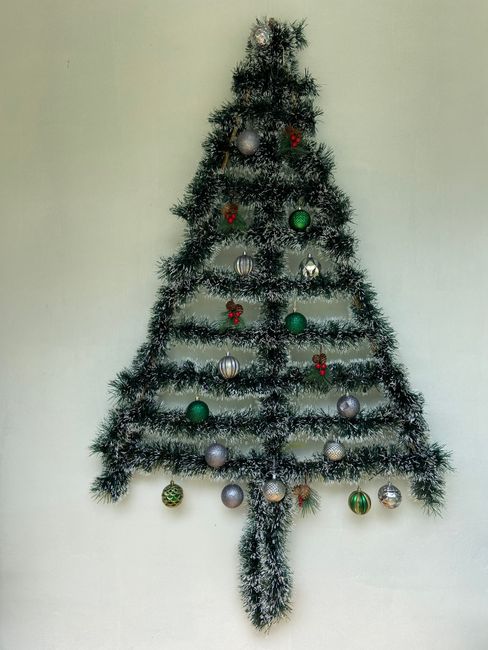
Tinsel Garland Christmas Tree: Repurposed tinsel garland, often found at discount stores or even salvaged from previous years, can be fashioned into a dazzling DIY Christmas tree. This method creates a shimmering, lightweight tree that is perfect for smaller spaces or as a playful accent. You’ll need a sturdy base, such as a cardboard cone, a wire frame, or even a thick dowel rod. Begin by securing the end of the tinsel garland to the top of the base and then spiral it downwards, gradually widening the coils to create a tree shape. For a fuller tree, use multiple strands of tinsel. Different colors of tinsel can be combined for a more vibrant effect. Once the tree shape is established, you can add small, lightweight ornaments or even Christmas-themed stickers. Fairy lights can be woven through the tinsel for an extra sparkle. The beauty of this method lies in its simplicity and the dramatic visual impact of the shimmering tinsel. The cost is extremely low, as tinsel garland is very inexpensive, especially during post-holiday sales. This DIY tree is quick to assemble and offers a fun, retro aesthetic.
Paper and Cardstock Christmas Tree: Intricate and delicate, paper and cardstock Christmas trees offer a surprisingly elegant and affordable decorative option. Utilizing construction paper, cardstock, or even old magazines and newspapers, you can create a variety of stunning tree designs. One popular technique involves cutting numerous identical leaf-like shapes from paper, folding them in half, and then gluing them together in concentric layers around a central cone or dowel to create a full, textured tree. Another method involves rolling strips of paper into various-sized coils and then gluing these coils together to form a three-dimensional tree shape. For a more geometric approach, cut out triangular shapes from cardstock and layer them on top of each other, graduating in size, to create a flat, silhouette-style tree. You can also fold paper repeatedly and cut out branch-like shapes to create a more traditional tree form. Embellishments can include glitter, paint, small beads, or even punched-out paper shapes. The cost is virtually negligible if using recycled paper or craft scraps. This project is perfect for those with a knack for paper crafts and allows for endless design possibilities. The delicate nature of paper trees makes them ideal for hanging or for display on surfaces where they won’t be bumped.
Natural Branch Christmas Tree: Embracing the beauty of nature, a DIY Christmas tree can be fashioned from found branches. This rustic and eco-friendly option brings an organic touch to your holiday decor. Collect fallen branches from your yard or local park after ensuring they are clean and free of pests. You’ll need a variety of lengths and thicknesses to create a visually appealing tree. A sturdy base is essential, and this can be a heavy pot filled with rocks, a wooden planter, or even a thick log. Arrange the branches in a conical shape, starting with the longest and thickest at the base and progressively using shorter and thinner branches towards the top. You can secure the branches to the base using wire or strong twine. For added stability, you might consider creating a simple wooden cross for the branches to rest on. Decorate with natural elements like pinecones, dried berries, and wooden ornaments. Fairy lights add a warm glow. This DIY tree is the epitome of budget-friendly, with the only potential cost being any securing materials. The natural texture and organic form of the branches provide a unique and charming alternative to traditional trees.
Fabric Scrap Christmas Tree: For the sewing enthusiast or anyone with a stash of leftover fabric, a fabric scrap Christmas tree offers a soft, textured, and highly customizable decorative piece. Similar to the paper leaf technique, you can cut numerous fabric shapes, such as leaves or simple petal forms, and then attach them in overlapping layers around a central cone or dowel. The type of fabric will greatly influence the final aesthetic – think cozy flannel for a rustic feel, or shimmering satin for a more elegant look. Alternatively, you can create small fabric "ornaments" and attach them to a fabric-covered base or even directly onto a wire frame tree. Burlap, felt, and cotton prints are all excellent choices for this project. Consider incorporating small embellishments like buttons, embroidery, or ribbon. The cost is minimal if you’re utilizing existing fabric scraps. This DIY tree is a wonderful way to add a pop of color and texture to your holiday display and is a great way to reduce fabric waste.
Wire Hanger Christmas Tree: This incredibly simple and surprisingly effective DIY tree utilizes wire clothes hangers. Bend and shape multiple wire hangers to create a conical frame. You can then wrap this frame with string, yarn, tinsel, or even small artificial greenery to create a full tree shape. For a minimalist look, the wire frame itself, decorated with a few small ornaments, can be the focal point. Another approach involves straightening several wire hangers and then arranging them in a tiered, starburst pattern radiating from a central point, creating a more abstract tree form. This is an excellent option for a small, decorative tree that can be hung on a wall or placed on a tabletop. The cost is virtually zero if you have old wire hangers on hand.
Cinnamon Stick Christmas Tree: For a wonderfully fragrant and unique DIY tree, consider using cinnamon sticks. This method is perfect for creating small, decorative trees that can be hung on a larger tree, used as part of a centerpiece, or even given as handmade gifts. Glue together three cinnamon sticks to form a triangle. Then, glue additional cinnamon sticks to the sides of this triangle to create a layered effect, graduating in size from bottom to top. You can also arrange cinnamon sticks in a star shape and then build outwards. A touch of glitter or a small ribbon bow can add festive flair. The aroma of cinnamon will naturally enhance the holiday atmosphere. The cost is minimal, primarily comprising the cinnamon sticks, which are widely available and inexpensive.
Wine Cork Christmas Tree: For a unique and eco-friendly DIY tree, collect wine corks. Glue corks together in a conical shape, starting with a wider base and tapering towards the top. You can create different patterns and textures by varying the orientation of the corks. For a more visually interesting tree, consider staining or painting some of the corks. Small ornaments or fairy lights can be added to enhance the festive look. This DIY project is ideal for those who appreciate sustainable decorating and enjoy collecting natural materials. The cost is minimal, especially if you’re a regular wine drinker or can collect corks from friends and family.
DIY Christmas Tree Decoration Ideas (for any of the above trees):
- Pinecones: Found in nature, pinecones can be painted, glittered, or left natural for a rustic charm.
- Dried Citrus Slices: Dehydrated orange, lemon, or grapefruit slices offer a beautiful, fragrant, and colorful natural decoration.
- Cinnamon Sticks and Star Anise: These spices can be bundled, strung, or glued to create aromatic and visually appealing ornaments.
- Paper Chains: A classic, incredibly cheap, and fun craft for all ages, made from strips of colorful paper.
- Salt Dough Ornaments: Easily made with flour, salt, and water, these can be cut into various shapes, baked, and painted.
- Felt Scraps: Cut into simple shapes like stars, hearts, or mittens, and embellished with embroidery or buttons.
- Buttons: Old buttons can be glued together to create intricate patterns or individual ornaments.
- Beads: Various sizes and colors of beads can be strung together to create garlands or individual ornaments.
- Upcycled Jar Lids: Painted or decorated jar lids can become festive tree ornaments.
- Twine and Yarn: Wrapped around shapes, braided into garlands, or used to create textured ornaments.
- Fairy Lights: The ultimate budget-friendly way to add sparkle and warmth to any DIY tree.
By embracing these DIY Christmas tree ideas, you can create a festive and personalized holiday display without breaking the bank. The emphasis is on creativity, resourcefulness, and the joy of crafting, proving that the most meaningful decorations are often the ones made with love and a few spare dollars. These budget-friendly options empower anyone to enjoy the magic of a handcrafted Christmas tree.
