
Every Baby Needs A Dog 4
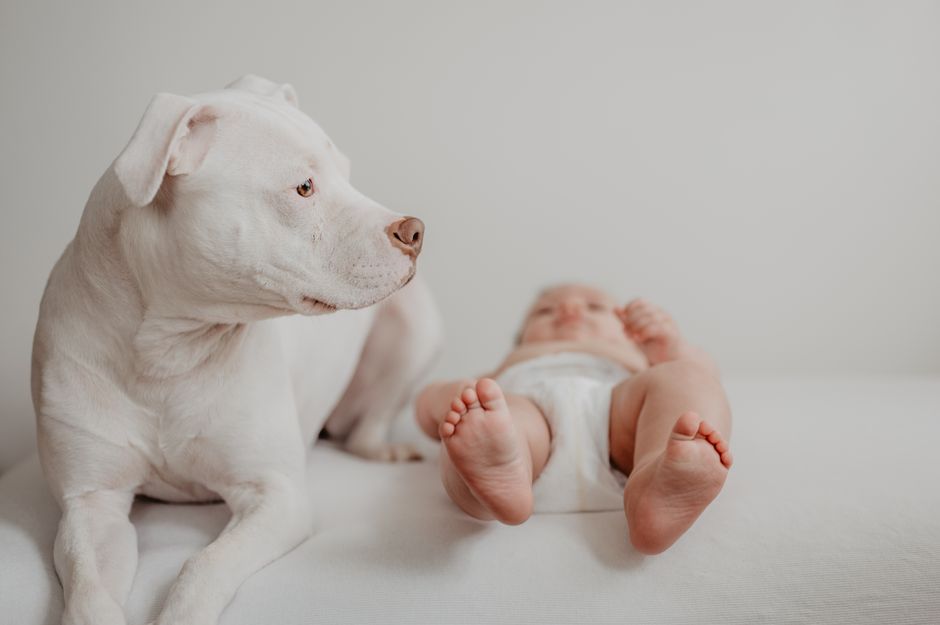
Every Baby Needs a Dog: The Unseen Benefits of Canine Companionship for Infants
The adage "every baby needs a dog" transcends simple sentimentality; it represents a profound understanding of the multifaceted developmental advantages a canine companion offers to infants. While the immediate appeal lies in the adorable interaction, the long-term implications for a child’s physical, emotional, cognitive, and social growth are substantial and often underestimated. This article delves into the comprehensive benefits of introducing a dog into a baby’s life, exploring the scientific rationale and practical advantages that make this companionship an invaluable asset during the most formative years.
From a purely physical standpoint, the presence of a dog can significantly contribute to a baby’s developing immune system. Research indicates that early exposure to pets, including dogs, can reduce the likelihood of developing allergies and asthma later in childhood. This phenomenon, known as the "hygiene hypothesis," suggests that exposure to a wider range of microbes from a dog’s environment can help train the immune system to distinguish between harmful pathogens and harmless allergens. Infants who grow up in dog-owning households are often exposed to a greater diversity of bacteria and other microorganisms, which can strengthen their immune defenses and lead to a more robust response to environmental triggers. This early desensitization can have a lasting impact, potentially preventing chronic respiratory conditions and reducing the severity of allergic reactions throughout a child’s life. Furthermore, the simple act of a baby interacting with a dog, even at a very young age, can involve physical contact. While supervision is paramount, the gentle touch and proprioceptive input received during these interactions can contribute to the development of fine and gross motor skills. As babies begin to crawl or walk, a dog’s presence can offer a playful incentive for movement and exploration, encouraging physical activity in a safe and engaging manner. The anticipation of playing with the dog can motivate a baby to reach milestones faster.
Beyond the physiological, the emotional and psychological benefits are equally profound. Dogs offer unconditional love and affection, creating a secure and nurturing environment for babies. This unwavering support can contribute to a sense of emotional security and stability, crucial for healthy emotional development. The simple act of a dog’s presence can have a calming effect on an infant, helping to soothe distress and reduce anxiety. Studies have shown that the heartbeat of a dog can be rhythmically calming, and the gentle petting of a dog can release oxytocin, a hormone associated with bonding and stress reduction, in both the dog and the infant. This early exposure to a loving and consistent emotional bond with a non-human companion can lay the groundwork for healthy attachment styles and foster empathy. As babies grow, the dog can become a confidant, a silent listener to their gurgles and cries, offering a non-judgmental presence that allows for uninhibited emotional expression. This early experience of being "heard" and accepted, even by a pet, can be incredibly validating for a developing infant. The sheer joy and laughter that a dog can elicit from a baby are powerful indicators of the positive emotional impact they have. These moments of pure happiness contribute to a positive outlook and can help babies develop coping mechanisms for stress later in life.
Cognitively, dogs can act as catalysts for learning and development. The interaction with a dog stimulates a baby’s senses – sight, sound, smell, and touch. Observing the dog’s behaviors, its movements, and its vocalizations can encourage cognitive engagement and the development of observational skills. Babies can learn to associate certain sounds with specific actions or even recognize their dog’s name, demonstrating early language comprehension and memory retention. The dog’s playful antics can spark curiosity and encourage exploration, leading to a deeper understanding of cause and effect. For instance, a baby might learn that wagging their finger can elicit a playful bark from the dog, reinforcing the concept of action and reaction. As language develops, the dog can become a tool for vocabulary expansion. Parents can point to the dog and say its name, or describe its actions, thereby introducing new words and concepts in a highly engaging context. The dog’s predictable routines and responses can also help babies develop a sense of order and predictability in their environment, which is important for cognitive development. Furthermore, the problem-solving skills can be indirectly fostered as babies learn to interact with their canine companions. For example, a baby might try different approaches to get the dog’s attention, learning through trial and error.
Socially, dogs are exceptional facilitators of social development for infants. The presence of a dog can bridge gaps in social interaction, especially for babies who may have limited exposure to other children or adults. The dog acts as a social bridge, offering a common point of interest and interaction for all members of the family. As the baby grows and begins to interact with the dog, they learn valuable social cues. They observe how the dog responds to different stimuli and how it interacts with others, thereby developing an understanding of social norms and expectations. This early exposure to non-verbal communication and responsive interaction is fundamental to developing social intelligence. Moreover, having a dog in the household often encourages more family interaction. Playing with the dog becomes a shared activity, fostering a stronger family bond and providing opportunities for the baby to observe and participate in social dynamics. The dog’s presence can also make visits from friends and family more engaging, as the dog can break the ice and create a more relaxed and playful atmosphere. This can lead to the baby being more comfortable and confident in social situations. The learned behavior of gentleness and respect towards the dog can translate into how the baby interacts with other babies and children, promoting a more empathetic and considerate approach to social relationships.
The responsibilities associated with dog ownership, even indirectly for an infant, also contribute to the family dynamic. While parents are primarily responsible for the dog’s care, the presence of the dog can instill a sense of shared responsibility and teamwork within the family unit. This can be subtly modeled for the infant as they grow, and eventually, as they mature, they can participate in age-appropriate tasks related to the dog’s care, fostering a sense of accomplishment and belonging. The act of caring for another living being, even from a distance in infancy, can contribute to the development of nurturing instincts. The family’s commitment to the dog’s well-being creates a tangible example of compassion and dedication that the infant will absorb. This shared responsibility within the family unit around the dog’s needs can strengthen familial bonds and create a more cohesive household environment. The dog becomes a living embodiment of the family’s commitment to love and care, a lesson that will resonate deeply with the developing infant.
The practical aspects of introducing a dog to an infant’s life require careful consideration, emphasizing safety and appropriate management. From the outset, selecting a dog with a gentle and patient temperament is paramount. Breeds known for their family-friendly nature, such as Golden Retrievers, Labrador Retrievers, and Beagles, are often excellent choices. However, individual temperament is more crucial than breed alone. Thorough socialization of the dog from a young age, exposing them to various people, environments, and sounds, is essential to ensure they are well-adjusted and comfortable around an infant. Gradual introductions are key. Initially, supervised interactions should be brief and positive, allowing both the baby and the dog to acclimate to each other’s presence. Always supervise interactions closely, ensuring the baby’s safety and preventing any rough play from the dog. Teaching the dog to be gentle with the baby, using positive reinforcement, is a critical component of this process. This involves rewarding the dog for calm behavior around the infant and redirecting any boisterousness. Creating designated safe spaces for both the baby and the dog is also important. A separate area for the dog to retreat to when they need space, and a secure crib or playpen for the baby, ensures that both have personal sanctuary. The dog should never be left unsupervised with the infant, regardless of how trustworthy the dog may seem. Regular veterinary check-ups for the dog, including vaccinations and parasite control, are vital to ensure the infant’s health and safety. This includes maintaining a clean environment for both the dog and the baby, with regular grooming of the dog and frequent cleaning of their living spaces.
In conclusion, the notion that "every baby needs a dog" is far more than a heartwarming sentiment; it is a testament to the profound and enduring benefits that canine companionship offers to infants. From bolstering the immune system and fostering emotional security to stimulating cognitive development and nurturing social skills, dogs play an integral role in shaping a child’s healthy and holistic growth. The unconditional love, unwavering presence, and playful interactions provided by a dog contribute to a rich and enriching environment for babies, equipping them with the foundational skills and emotional resilience necessary to thrive. While responsible ownership and careful management are essential to ensure safety and well-being, the investment in introducing a dog into a baby’s life yields immeasurable rewards, creating a bond that extends far beyond the confines of childhood, shaping individuals into more empathetic, secure, and well-rounded human beings. The integration of a dog into the family unit serves as a powerful catalyst for positive development, underscoring the profound truth that a baby’s life is immeasurably enhanced by the wagging tail and loving heart of a canine friend. The long-term impact of this unique companionship is a testament to the inherent wisdom embedded in this age-old observation, highlighting the indispensable role dogs play in the flourishing of human life from its very beginnings.
