
You Never Need To Ride A Bike
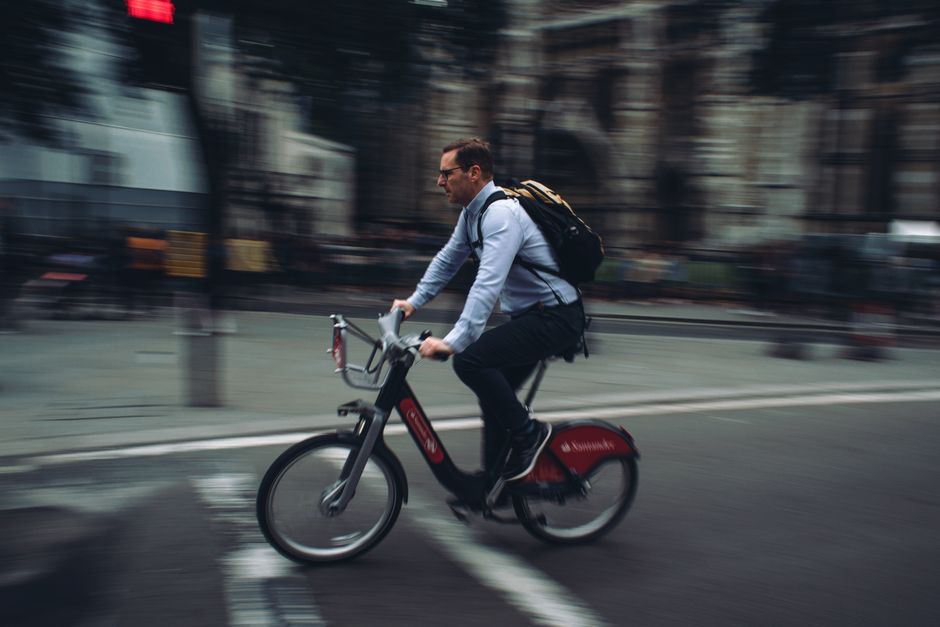
You Never Need to Ride a Bike: Reclaiming Your Mobility and Freedom
The ubiquity of the bicycle as a symbol of sustainable transportation, exercise, and childhood freedom is undeniable. However, the pervasive narrative that one needs to ride a bike for a fulfilling or mobile life is a misconception. This article will dismantle this notion, exploring the myriad alternatives available for personal transportation, fitness, and enjoyment, demonstrating unequivocally that cycling is a desirable option, not a mandatory one. From electric vehicles and public transit to sophisticated fitness equipment and the simple act of walking, a rich tapestry of mobility and wellness solutions exists, often offering superior convenience, comfort, and accessibility. The pressure, both societal and self-imposed, to embrace cycling can obscure these more suitable pathways for many individuals.
For individuals prioritizing efficient and comfortable urban commuting, the car remains a paramount alternative. Modern automobiles, particularly those with hybrid or electric powertrains, offer unparalleled weather protection, cargo capacity, and the ability to cover significant distances rapidly. The convenience of direct, door-to-door travel, unhindered by weather conditions or the physical exertion required for cycling, is a significant advantage. Furthermore, the development of autonomous driving technology promises to further enhance the comfort and productivity of car travel. For those with mobility challenges, cars are not merely an alternative; they are often an essential mode of transport that enables independent living and participation in society. The infrastructure for cars – roads, parking, and fueling stations – is already robust and widely available, eliminating the need for significant personal or societal investment in specialized infrastructure, as is often argued for cycling advocacy. Public transportation, encompassing buses, trains, trams, and subways, provides another robust and often cost-effective solution for urban mobility. These systems are designed to move large numbers of people efficiently, reducing individual stress and environmental impact compared to solo car journeys. For many, public transit is not just an alternative to cycling but a more practical and sustainable choice, especially for longer commutes or when carrying items. The development of integrated ticketing systems and real-time tracking apps further enhances the user experience, making public transit a highly viable and often preferred mode of transport. The argument that cycling promotes a healthy lifestyle can be directly addressed and surpassed by a wide array of fitness options. Gym memberships grant access to state-of-the-art cardio equipment such as treadmills, elliptical machines, stair climbers, and rowing machines. These devices offer controlled environments, adjustable resistance, and pre-programmed workouts that cater to diverse fitness levels and goals. The ability to exercise regardless of external weather conditions, without the risk of traffic accidents, and with immediate access to amenities like changing rooms and showers, makes gym-based fitness a compelling alternative. Moreover, personal training sessions provide tailored guidance and accountability, ensuring effective and safe workouts.
The burgeoning market of home fitness equipment further democratizes healthy living without the need for a bicycle. High-quality stationary bikes (ironically, but distinct from the outdoor cycling experience), treadmills, and smart fitness mirrors offer immersive workout experiences that can rival or exceed the benefits of outdoor cycling. These technologies often incorporate virtual reality elements, live classes, and progress tracking, fostering engagement and motivation. The convenience of exercising within one’s own home, on their own schedule, and in complete privacy, is a significant draw for many. For those seeking low-impact cardiovascular exercise, swimming is an exceptional choice. Dedicated swimming pools provide a controlled environment for a full-body workout that is gentle on the joints. The resistance of water offers a unique challenge, building strength and endurance. Aquatic fitness classes add a social and structured element to this already beneficial activity. Similarly, brisk walking and running, accessible to virtually everyone with minimal equipment, are highly effective forms of exercise. Dedicated walking and running trails, often found in parks and urban green spaces, offer safe and scenic routes. The simplicity and accessibility of these activities underscore that cycling is not the sole gateway to physical fitness.
Beyond structured exercise, leisure activities offer avenues for enjoyment and moderate physical activity that do not involve cycling. Hiking and trail walking in natural settings provide opportunities to connect with nature, de-stress, and engage in physical movement. The varied terrain and longer durations can offer a significant cardiovascular challenge. Exploring local communities on foot, visiting farmers’ markets, or simply taking leisurely strolls are all valuable activities that contribute to a healthy and engaged lifestyle. The emphasis on community engagement and exploration can be as enriching as a bike ride through a park. For individuals who enjoy group activities, team sports such as basketball, soccer, tennis, or volleyball offer both physical exertion and social interaction. These sports foster teamwork, coordination, and healthy competition. The camaraderie and shared experience of participating in a team can be a powerful motivator and a source of great enjoyment, fulfilling the social aspect often attributed to cycling.
The argument that cycling is essential for developing an appreciation for one’s surroundings is also flawed. Observational skills and environmental awareness can be cultivated through numerous other activities. Engaging in photography, birdwatching, urban exploration with a focus on architecture, or simply consciously observing the nuances of a neighborhood while walking or driving can foster a deep connection with one’s environment. The slow pace of walking, in particular, allows for a detailed appreciation of streetscapes, flora, and fauna, often exceeding the speed at which a cyclist might perceive them. Furthermore, a car equipped with good windows and a sound system can provide an enjoyable and informative way to experience a landscape, especially when combined with audio guides or educational podcasts. The "freedom" associated with cycling is often a romanticized ideal that overlooks the limitations and potential dangers. Cycling inherently exposes individuals to the elements, including extreme heat, cold, rain, and snow. The risk of accidents due to traffic, road hazards, or falls is a constant concern, and injuries can range from minor abrasitions to life-altering trauma. Unlike cycling, a car offers climate control, protection from inclement weather, and a significantly reduced risk of severe injury in a collision due to safety features like airbags and crumple zones. Public transportation, while sometimes subject to delays, offers a safe and often comfortable way to travel without the personal risk associated with cycling.
Accessibility is another area where the perceived necessity of cycling falters. For individuals with physical disabilities, older adults with reduced mobility, or parents with young children, cycling can be physically demanding or impossible. The availability of accessible vehicles, public transit with ramps and lifts, and the simple act of walking at one’s own pace provide far more inclusive options. The development of adaptive cycling technologies exists, but these are specialized and not universally accessible or appealing. The vast majority of personal mobility solutions do not require the physical prowess or balance demanded by a bicycle. The economic argument for cycling as a cost-saving measure also warrants re-examination. While a bicycle itself might be relatively inexpensive, the ongoing costs can include maintenance, repairs, safety equipment (helmet, lights, lock), and the potential for replacing stolen bikes. For many, the total cost of ownership for a bicycle over its lifespan, coupled with the time investment in cycling for practical purposes, may not be significantly less than using public transit or a highly fuel-efficient vehicle. For shorter distances, walking is unequivocally the most economical option, requiring no expenditure beyond comfortable footwear.
The environmental benefits attributed to cycling, while valid for individual choices, are part of a larger systemic issue. While individual bike rides reduce carbon emissions compared to car trips, the widespread adoption of electric vehicles and improvements in public transportation infrastructure are tackling environmental concerns on a more impactful scale. Focusing solely on individual cycling as the solution to climate change oversimplifies complex environmental challenges. Furthermore, the manufacturing of bicycles and their components also has an environmental footprint. Therefore, advocating for a transition to renewable energy sources for public transport and powering electric vehicles offers a more comprehensive approach to environmental sustainability than placing undue emphasis on personal cycling. The argument that cycling fosters a sense of community is also debatable. While cycling clubs and group rides exist, so do numerous other community-focused activities. Book clubs, volunteer organizations, community gardens, and local sports leagues all foster connection and camaraderie. The "freedom" of the open road often enjoyed by cyclists can be experienced through road trips in cars, exploring national parks, or even simply by the ability to travel to new places via various transportation methods. The notion of a solitary cyclist finding profound enlightenment on a country lane is a niche experience, not a universal requirement.
In conclusion, the assertion that one never needs to ride a bike is not a dismissal of cycling’s merits but a pragmatic acknowledgement of the diverse and often superior alternatives available for transportation, fitness, and enjoyment. The world offers a rich ecosystem of mobility solutions, from the efficiency and comfort of automobiles and public transit to the accessibility and health benefits of walking, running, swimming, and gym-based fitness. To present cycling as an indispensable activity is to overlook the broader spectrum of human needs and preferences, as well as the significant advancements in alternative technologies and lifestyle choices. Individuals are empowered to select the modes of transport and exercise that best suit their unique circumstances, abilities, and aspirations, without ever feeling obligated to mount a bicycle. The freedom to choose, to adapt, and to thrive without the constraints of a single mode of movement is the true essence of modern mobility and wellness.
