
Gluten Free Holiday Treats
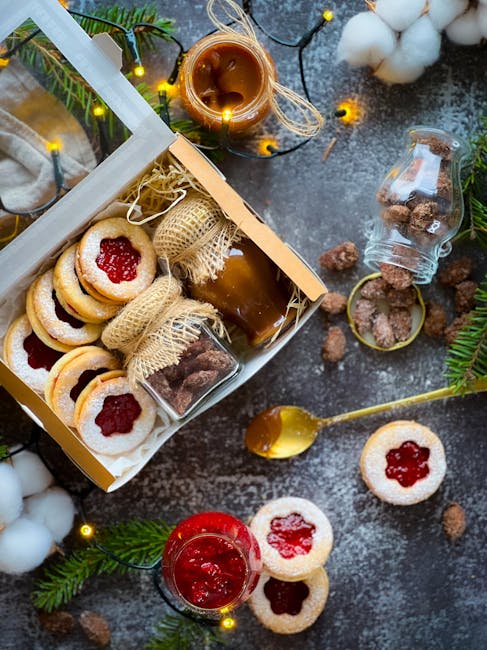
Gluten-Free Holiday Delights: Mastering Festive Baking Without Wheat
The holiday season is synonymous with sweet indulgence, from rich cookies to decadent cakes. For individuals navigating a gluten-free lifestyle, this festive period can present a unique challenge: how to enjoy traditional holiday treats without the wheat. Fortunately, the world of gluten-free baking has evolved dramatically, offering a plethora of delicious and satisfying alternatives. This comprehensive guide delves into the art and science of gluten-free holiday treats, providing practical advice, ingredient insights, and recipe inspirations to ensure your celebrations are merry and bright, and undeniably delicious.
Understanding gluten-free baking begins with recognizing that gluten, a protein found in wheat, barley, and rye, provides structure, elasticity, and chewiness to baked goods. Replicating these qualities without gluten requires a thoughtful combination of alternative flours and binders. The most common gluten-free flour blends consist of a mix of starches and whole-grain flours. Rice flour (white and brown), tapioca starch, potato starch, and cornstarch are often used for their thickening and binding properties. Almond flour and coconut flour contribute richness, moisture, and a subtle nutty flavor, making them excellent bases for cookies and cakes. Oat flour, derived from certified gluten-free oats, offers a slightly heartier texture and a pleasant, mild flavor. Sorghum flour, buckwheat flour, and millet flour are also valuable additions, providing distinct flavor profiles and improved texture. The key to successful gluten-free baking lies in finding the right balance of these flours. Many commercially available gluten-free flour blends are formulated to mimic the properties of all-purpose wheat flour, simplifying the process for home bakers. However, experimenting with custom blends can often yield superior results, allowing for finer control over texture and flavor. For instance, a blend of brown rice flour, tapioca starch, and potato starch can create a versatile base for cookies and muffins, while a mix incorporating almond flour might be ideal for a richer, more tender cake.
Binders are another crucial component in gluten-free baking. Without gluten’s natural binding capabilities, additional ingredients are needed to hold the dough or batter together and prevent crumbling. Xanthan gum is the most widely used binder in gluten-free recipes. It’s a polysaccharide produced by bacterial fermentation and effectively mimics gluten’s elasticity. A little goes a long way; typically, ½ to 1 teaspoon of xanthan gum is sufficient for most recipes. Psyllium husk powder is another excellent natural binder, particularly beneficial for yeast-leavened breads and doughs, as it absorbs liquid and forms a gel-like structure that aids in dough rise and texture. Guar gum, derived from guar beans, also functions as a binder and thickener, though it can sometimes impart a slightly gummy texture if used in excess. Egg is a natural binder in many recipes, and in gluten-free baking, its role is amplified. For vegan gluten-free options, flax eggs (ground flaxseed mixed with water) or chia eggs (ground chia seeds mixed with water) are excellent substitutes, providing binding and moisture.
When it comes to specific gluten-free holiday treats, cookies are often the first to come to mind. Classic sugar cookies, gingerbread cookies, and shortbread are perennial favorites. For sugar cookies, a blend of almond flour and a gluten-free all-purpose flour mix can create a wonderfully tender cookie that holds its shape well for decorating. Adding a touch of xanthan gum ensures they don’t crumble. Gingerbread cookies benefit from the addition of molasses and warm spices like cinnamon, ginger, and cloves. Using a combination of sorghum flour and tapioca starch can provide a pleasing chewiness. For shortbread, the key is a high butter-to-flour ratio. Almond flour or a finely ground gluten-free oat flour can be used alongside a gluten-free blend to achieve that signature crumbly texture. Don’t underestimate the power of simple additions like chopped nuts (pecans, walnuts, almonds) or dried fruit (cranberries, raisins) to elevate gluten-free cookies.
Cakes and cupcakes are also central to holiday celebrations. A classic chocolate cake is a crowd-pleaser, and gluten-free versions can be just as moist and rich. A blend of cocoa powder, almond flour, and a gluten-free flour mix, coupled with a good binder like xanthan gum, will yield a decadent result. For vanilla cakes, a combination of white rice flour, potato starch, and tapioca starch, along with a touch of extra moisture from ingredients like sour cream or yogurt, can prevent dryness. Red velvet cake, a holiday staple, can be successfully recreated using gluten-free flours and a touch of food coloring for that iconic hue. The cream cheese frosting, naturally gluten-free, is the perfect complement. Bundt cakes and loaf cakes, such as lemon poppy seed or cranberry orange, are also excellent candidates for gluten-free adaptations, offering elegant yet approachable dessert options.
No holiday table is complete without pies and tarts. The crust is often the most challenging component to make gluten-free. A flaky, tender gluten-free pie crust can be achieved by using a blend of rice flour, almond flour, and a bit of tapioca starch, bound together with cold butter or shortening and a touch of ice water. Psyllium husk powder can also be a valuable addition to gluten-free pie crusts, providing structure and preventing it from becoming too crumbly. For fruit pies, the fruit filling is naturally gluten-free, so the focus is entirely on the crust. Pumpkin pie, pecan pie, and apple pie all translate beautifully into gluten-free versions. For cream-based pies like chocolate cream or banana cream, the filling is typically gluten-free, so again, the crust is the primary consideration. Tart shells can be made using similar techniques to pie crusts, offering a more refined presentation for desserts like fruit tarts or chocolate ganache tarts.
Beyond cookies, cakes, and pies, a host of other gluten-free holiday treats are waiting to be discovered. Fudge is a naturally gluten-free confection that is incredibly easy to make, requiring just a few simple ingredients like chocolate, condensed milk, and butter. Variations can include adding nuts, peppermint extract, or swirls of caramel. Truffles, rich chocolate balls rolled in cocoa powder, nuts, or sprinkles, are another delightful gluten-free option. Meringues, made from whipped egg whites and sugar, are inherently gluten-free and can be flavored with vanilla, citrus zest, or even dipped in chocolate. Candied nuts, such as pecans or almonds coated in sugar and spices, offer a crunchy and satisfying snack. And for those who enjoy a more traditional approach, consider gluten-free gingerbread houses. These require a sturdy gingerbread cookie recipe designed for structural integrity, often achieved with a higher proportion of gluten-free flour to starch and the use of binders like psyllium husk.
When embarking on gluten-free holiday baking, it’s essential to be mindful of ingredient sourcing and cross-contamination. Always opt for certified gluten-free ingredients, especially for flours, oats, and any processed items like chocolate chips or sprinkles, to avoid accidental gluten exposure. Dedicate clean baking tools and surfaces for gluten-free preparations. This means washing bowls, spatulas, baking sheets, and countertops thoroughly to remove any residual gluten from previous baking. If you share your kitchen with gluten-containing products, consider using separate baking sheets and pans for your gluten-free creations, or line them with parchment paper to create a barrier. Understanding the nuances of gluten-free flours and binders will unlock a world of festive possibilities. Experimentation is key; don’t be discouraged if your first attempt isn’t perfect. With practice and a few key adjustments, you can create gluten-free holiday treats that are as delicious and impressive as their gluten-containing counterparts, ensuring everyone at your table can partake in the sweet traditions of the season. Remember to store your gluten-free baked goods properly, often in airtight containers at room temperature or in the refrigerator, to maintain their freshness and texture. Many gluten-free baked goods can also be frozen, allowing you to prepare treats in advance of the busy holiday rush. Planning ahead can significantly reduce stress and ensure you have a delightful array of gluten-free options ready to share.
