
How Do You Like Your Fries
The Unadulterated Joy of Fried Potatoes: Exploring "How Do You Like Your Fries?"
The humble potato, transformed by the alchemical magic of hot oil, emerges as one of humanity’s most beloved culinary creations: the french fry. This ubiquitous side dish transcends cultural boundaries and dietary preferences, eliciting a near-universal sigh of satisfaction. Yet, the question "how do you like your fries?" is not a simple inquiry for a mere adjective; it opens a portal into a world of textures, flavors, and personal rituals. Understanding the nuanced preferences surrounding french fries reveals a fascinating interplay of technique, ingredient choice, and individual palate development. This article delves deep into the multifaceted world of fried potatoes, exploring the critical factors that dictate the perfect fry for every aficionado, from the fundamental preparation methods to the subtle influences of seasonings and accompaniments.
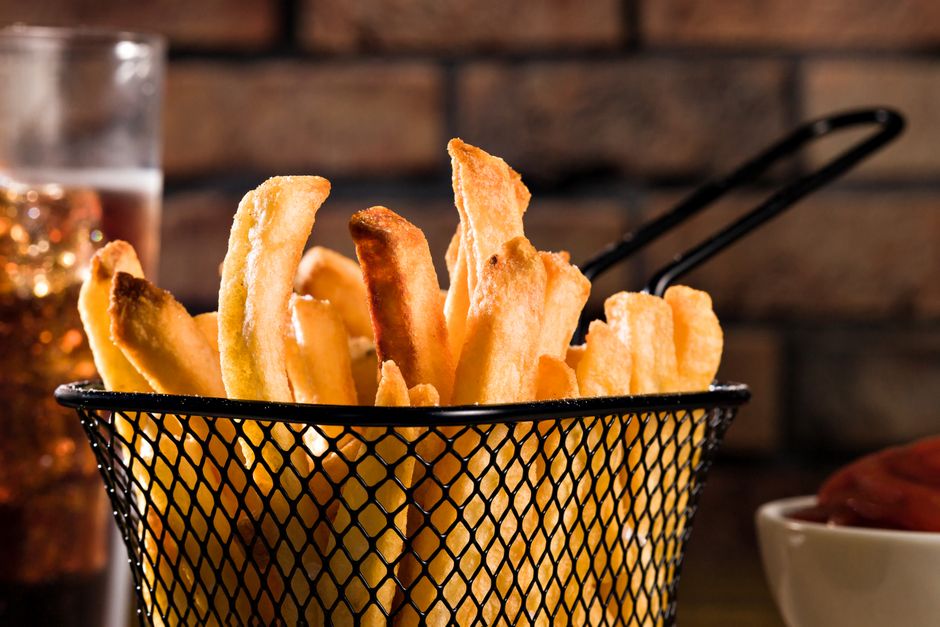
At the very foundation of fry preference lies the cut and shape. This is not merely an aesthetic consideration; the thickness and form of the potato dramatically impact its surface area to volume ratio, which in turn dictates the crispiness and internal fluffiness achieved during frying. The classic straight-cut fry, often around ¼ to ½ inch thick, represents a widely accepted compromise. This dimension allows for a satisfyingly crispy exterior while ensuring the interior remains tender and yielding. Achieving this requires careful knife skills or a consistent slicing tool, as uneven cuts lead to inconsistent cooking, with some fries burning while others remain undercooked. The popularity of the straight-cut is undeniable, adorning countless menus worldwide.
Venturing beyond the standard, the shoestring fry, or julienne cut, takes thinness to an extreme. These delicate strands, often less than ¼ inch thick, prioritize surface area above all else. The result is an almost exclusively crispy experience. Each bite offers a satisfying crunch, a delightful shatter that appeals to those who crave an intense textural sensation. However, shoestring fries are notoriously difficult to cook perfectly. They demand precise temperature control and vigilant attention to prevent them from becoming greasy or brittle. Their fragility means they are best enjoyed immediately after frying, as their structural integrity diminishes rapidly. This ephemeral perfection is precisely what draws many to them.
Conversely, the steak fry or thick-cut fry embraces the potato’s inherent starchiness and substantial form. Cut into wedges or substantial batons, these fries boast a significantly larger volume. The goal here is not uniform crispiness, but rather a delightful contrast: a deeply browned, flavorful crust giving way to a soft, fluffy, almost mashed potato-like interior. This requires a lower frying temperature for a longer duration, or a double-frying technique where the fries are cooked at a lower temperature initially to cook through, then briefly at a higher temperature to crisp the exterior. Steak fries are a more robust and comforting offering, often associated with hearty meals and a more rustic dining experience.
The crinkle-cut fry, with its characteristic wavy surface, introduces a playful complexity. The ridges increase the surface area, promoting crispiness, while the deeper valleys can trap seasoning more effectively. This unique shape is achieved with a specialized crimped blade and offers a textural experience distinct from straight cuts. The crinkle-cut is often favored for its ability to hold dips and sauces, its irregular edges creating pockets for flavorful interaction. This cut often strikes a balance between the crispiness of thinner fries and the softer interior of thicker ones, making it a versatile choice.
Moving beyond the fundamental shape, the type of potato plays a crucial, albeit often overlooked, role. Starchy potatoes, such as Russets (also known as Idaho potatoes), are the undisputed champions for classic french fries. Their high starch content and low moisture content contribute to a fluffy interior and a light, crispy exterior when fried correctly. The starch gelatinizes during cooking, creating that desirable soft texture, while the limited water content allows for rapid moisture evaporation, leading to a crisper finish. Other suitable varieties include Yukon Golds, which offer a slightly creamier texture and a more buttery flavor, though they can sometimes be a bit softer than Russets. Waxy potatoes, like red or fingerling potatoes, are generally less ideal for fries as their higher moisture content can result in a greasier, less crispy outcome.
The frying method itself is paramount. The most common and beloved method is deep-frying. This involves submerging the potato pieces in hot oil, typically between 325°F (160°C) and 375°F (190°C). The choice of oil significantly impacts the flavor and quality of the fries. Peanut oil is a popular choice for its high smoke point, neutral flavor, and ability to produce a very crispy fry. Canola oil is another common and economical option, offering a relatively neutral taste. Beef tallow or lard can lend a richer, more savory flavor to the fries, reminiscent of traditional fast-food preparations, though these are less common in home cooking due to health perceptions and availability.
A critical technique for achieving superior fries, particularly for home cooks, is double-frying. This involves frying the potatoes in two stages. First, they are fried at a lower temperature (around 300°F-325°F or 150°C-160°C) until they are cooked through and slightly tender, but not yet browned. They are then removed from the oil and allowed to cool. This initial fry renders some of the moisture and cooks the interior. After cooling, they are fried again at a higher temperature (around 350°F-375°F or 175°C-190°C) until golden brown and crispy. This second fry creates the desirable crisp exterior without overcooking the interior. This method is a game-changer for achieving restaurant-quality fries at home.
Beyond deep-frying, air frying has emerged as a popular alternative, catering to health-conscious consumers. Air fryers utilize hot air circulation to mimic the crisping effect of deep-frying with significantly less oil. While air-fried fries can achieve a commendable crispness, they often lack the same rich, unctuous mouthfeel and deep browning that comes from immersion in oil. The texture can be drier, and the flavor profile can be less intense. However, for those prioritizing reduced fat intake, air frying offers a viable and convenient solution.
For the truly adventurous or those seeking a specific artisanal quality, oven-baking is an option. Tossed with oil and seasonings, potatoes are spread on a baking sheet and roasted at high temperatures, typically 400°F (200°C) or higher. Oven-baked fries can achieve a good level of crispiness, especially if they are cut thin and flipped regularly. However, they often lack the uniform crispness of fried varieties and can sometimes lean towards a more roasted potato texture rather than a truly "fried" one.
The question of seasoning is where personal preference truly takes center stage. The default seasoning, and arguably the most iconic, is salt. The type of salt can even make a difference; fine sea salt dissolves quickly and evenly, while flaky sea salt offers a more pronounced salty burst and textural crunch. Beyond basic salt, the possibilities are endless. Black pepper is a classic addition, providing a subtle heat and aromatic complexity. Garlic powder or onion powder can elevate the savory notes, creating a more robust flavor profile.
For those with a penchant for spice, paprika (sweet or smoked) adds color and a mild warmth. Cayenne pepper or chili flakes introduce a more significant kick, transforming fries into a fiery indulgence. Herbs, such as rosemary or thyme, can impart an aromatic freshness. Beyond individual spices, seasoning blends are widely popular. Many pre-made blends offer complex flavor profiles, from smoky barbecue to zesty lemon-herb. Creating a custom blend allows for ultimate control over the flavor symphony.
The role of sauces and dips cannot be overstated in the discussion of how one likes their fries. This is where the fry acts as a canvas for further culinary exploration. The undisputed king of french fry accompaniments is ketchup. Its sweet and tangy profile is a classic pairing that has stood the test of time. The debate over whether ketchup is a condiment or a sauce, and whether it is acceptable to dip fries into it, is a perennial one, but its popularity is undeniable.
Mayonnaise offers a creamy, rich counterpoint. Its smooth texture and subtle tang provide a different kind of indulgence. In some cultures, particularly in Europe, mayonnaise is the default and preferred dip for fries. Aioli, a flavored mayonnaise, takes this a step further, often infused with garlic, herbs, or chili, offering a more complex and nuanced dipping experience.
Mustard, in its various forms (yellow, Dijon, honey mustard), provides a sharp, vinegary bite that can cut through the richness of the fries. Ranch dressing, with its creamy herb base, is another popular American choice, offering a cooling and savory contrast. For those seeking heat, sriracha, hot sauce, or spicy mayo are excellent options. The trend towards gourmet dipping sauces also includes creations like truffle aioli, chimichurri, and various cheese sauces, demonstrating the evolving landscape of fry accompaniments.
The concept of "loaded fries" represents the ultimate expression of personal preference, where the fries are not merely a side but the foundation for a complete dish. This can range from simple toppings like cheese and bacon bits to more elaborate creations like poutine (fries with cheese curds and gravy), chili cheese fries, or even pulled pork fries. These variations transform the humble fry into a substantial meal, allowing for an even greater degree of customization and flavor layering.
Finally, the context in which fries are consumed can also influence preference. The quick, crispy fry from a fast-food establishment, enjoyed on the go, is a different experience from the thick-cut, seasoned steak fries served as a side in a sit-down restaurant. The desire for a perfectly crispy, no-fuss fry often accompanies casual dining or takeout, while a more robust, flavorful, and potentially sauce-laden fry might be sought after in a more leisurely setting.
Ultimately, "how do you like your fries?" is a question that invites a deeply personal answer, informed by a lifetime of culinary experiences, cultural influences, and individual taste. Whether one favors the delicate crunch of shoestring fries, the comforting fluffiness of steak fries, the simple perfection of salt and pepper, or the complex indulgence of loaded fries, the universal appeal of this fried potato wonder remains unwavering. The joy of fries lies not just in their taste and texture, but in the freedom to customize and savor them precisely to one’s own unique liking.
