
Lets Go Fly A Kite Diy Kite And Kid Workout
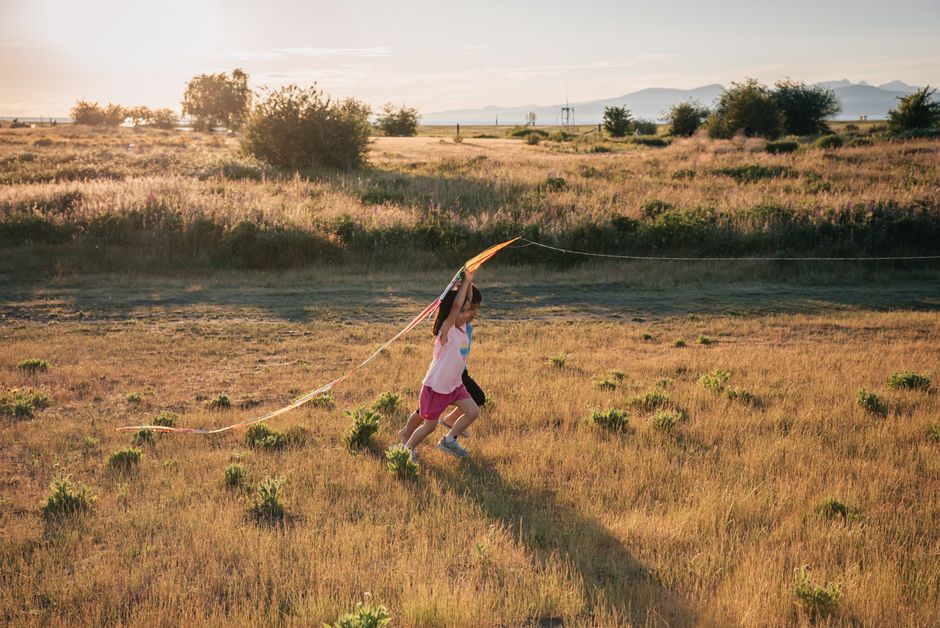
DIY Kite Making & Kid Workout: Fun, Fitness, and Flying
Creating a DIY kite offers a tangible, hands-on project that fosters creativity and problem-solving skills in children. The process of designing, cutting, assembling, and decorating a kite provides valuable fine motor practice, introduces basic geometry concepts (shapes, symmetry), and teaches patience and perseverance. Beyond the crafting aspect, the subsequent act of flying the kite transforms it into a gateway for physical activity and outdoor exploration. This combination of DIY kite making and a targeted kid workout regimen provides a holistic approach to child development, blending cognitive, creative, and physical benefits. The satisfaction derived from building something that actually works – that catches the wind and soars – is immense and serves as a powerful motivator for further engagement.
Choosing Your DIY Kite Design: Simplicity Meets Success
For a successful DIY kite project, particularly with children, prioritizing simplicity is key. The classic diamond kite is an excellent starting point. It’s relatively easy to construct, requires minimal materials, and flies exceptionally well in a variety of wind conditions. Other beginner-friendly options include the delta kite, which is known for its stability, or the box kite, which offers a more intricate construction but provides a unique visual appeal and excellent flight characteristics. Avoid overly complex designs with multiple spars or intricate control systems for initial attempts. The goal is to achieve a functional and enjoyable flying experience, not to build a competition-grade kite. Consider the age and dexterity of the child when selecting a design. Younger children will benefit from simpler shapes and fewer steps, while older children can tackle more challenging designs. Online resources abound with free templates and step-by-step instructions for various kite types. Look for designs that clearly illustrate each stage and use readily available materials.
Materials for Your DIY Kite: Accessible & Affordable
The beauty of DIY kite making lies in its affordability and the accessibility of materials. For a basic diamond kite, you’ll need lightweight but strong material for the sail. Ripstop nylon is ideal for durability and wind resistance, but even sturdy garbage bags, old bedsheets, or large sheets of craft paper can work for a simpler, less durable kite. You’ll also need dowel rods or thin wooden spars for the frame. Ensure these are lightweight and straight. Common household items like bamboo skewers or even sturdy cardboard tubes can be adapted. String or kite line is essential for the bridle and flying line. Choose a strong, thin line that won’t easily break. Craft glue, strong tape (packing tape or duct tape), scissors, a ruler or measuring tape, and a marker are standard tools. For decoration, consider paints, markers, stickers, ribbons, or fabric scraps. Personalization is a crucial element for children, making their kite truly their own. Remember to supervise children when using sharp tools like scissors or when applying glue.
Step-by-Step DIY Kite Construction: A Guided Process
Let’s detail the construction of a classic diamond kite, a popular and effective design for beginners.
1. Preparing the Sail:
- Lay out your chosen sail material (e.g., ripstop nylon, sturdy garbage bag).
- You’ll need two identical diamond shapes. You can fold your material in half and draw one half of the diamond, then cut to create a symmetrical shape. Alternatively, you can draw a full diamond. A common size for a beginner kite is around 24-30 inches tall and 18-24 inches wide at its widest point.
- Ensure the points of the diamond are sharp.
2. Creating the Frame:
- You’ll need two spars: a longer vertical spar and a shorter horizontal spar.
- The vertical spar should be slightly longer than the height of your diamond sail.
- The horizontal spar should be slightly shorter than the width of your diamond sail.
- The horizontal spar should be positioned roughly one-third of the way down from the top point of the diamond.
3. Assembling the Frame to the Sail:
- Lay one of the diamond sails flat.
- Place the vertical spar along the center line of the diamond, from top to bottom point.
- Place the horizontal spar across the diamond, intersecting the vertical spar at the one-third mark.
- Secure the spars to the sail using strong tape. Wrap the tape around the spar and onto the sail on both sides to ensure a firm bond. Pay special attention to reinforcing the points where the spars cross.
- If using a single piece of material, you can fold the edges over the spars and tape them down. Alternatively, if you’ve cut two identical diamonds, place one on top of the other, with the spars sandwiched between them, and tape the edges securely all the way around.
4. Attaching the Bridle:
- The bridle is crucial for controlling the kite’s angle to the wind. For a diamond kite, a two-point bridle is standard.
- Tie one end of a strong string to the top of the vertical spar.
- Tie the other end of this string to the bottom of the vertical spar. This string should be taut.
- Now, tie one end of another string to where the horizontal spar crosses the vertical spar.
- Tie the other end of this string to the top of the vertical spar.
- You will eventually tie your flying line to the point where these two bridle strings meet. Experimentation with the precise knot placement might be needed for optimal flight.
5. Adding the Flying Line:
- Attach your main flying line to the bridle knot. Use a sturdy swivel if desired to prevent the line from tangling.
- Wind the excess flying line onto a spool or winder for easy handling.
6. Decorating Your Kite:
- This is where creativity truly shines! Let children decorate their kite using paints, markers, stickers, ribbons, or fabric scraps.
- Ensure decorations are lightweight and don’t weigh down the kite excessively.
- Encourage them to draw designs, add their name, or create patterns.
The Kid Workout: Energizing Activities for the Skies
Once your DIY kite is built and ready for flight, it’s time to transition into active play. A comprehensive kid workout should incorporate activities that improve cardiovascular health, build strength, enhance coordination, and promote flexibility, all while being fun and engaging.
1. Pre-Flight Warm-up (5-10 minutes):
- Jumping Jacks: A classic cardio starter. Aim for 30-60 seconds of continuous jumping.
- High Knees: Marching or running in place, bringing knees up towards the chest. This increases heart rate and warms up leg muscles. Perform for 30 seconds.
- Arm Circles: Forward and backward arm circles to loosen up the shoulder and upper body. 10-15 circles in each direction.
- Leg Swings: Forward and backward, and side to side leg swings to improve hip flexibility and balance. 10 swings per leg, per direction.
- Torso Twists: Standing with feet shoulder-width apart, gently twist the upper body from side to side. 10-15 twists per side.
2. Kite Flying Endurance & Coordination (20-30 minutes):
- Running & Chasing the Kite: Encourage children to run with the kite, letting out more line as they gain speed. This is excellent for cardiovascular fitness and building leg strength. The goal is to keep the kite airborne by running, not just standing still.
- Sprinting Bursts: When the wind picks up, have them do short, sharp sprints to launch the kite higher.
- Kite-Controlled Agility: Designate "safe zones" or "obstacles" (e.g., trees, cones) to run around while maintaining kite control. This improves agility and spatial awareness.
- "Kite Tag": A fun variation where one child tries to "tag" another using the kite’s tail (gently, of course!). This promotes quick reflexes and evasive maneuvers.
3. Strength & Balance Challenges (10-15 minutes):
- Squat Jumps: While waiting for the wind, have them perform squat jumps. This builds lower body power and explosiveness. Aim for 3 sets of 8-10 repetitions.
- Lunges: Forward, backward, or walking lunges. Excellent for leg strength and balance. 3 sets of 8-10 repetitions per leg.
- Plank Holds: Encourage them to hold a plank position (on elbows and toes, or on knees for beginners). This builds core strength. Aim for 30-60 second holds.
- One-Legged Stands: Challenge their balance by having them stand on one leg for 30 seconds. Switch legs.
- "Kite Push-ups": For a variation, they can perform modified push-ups where they lie down and then push up, extending their arms as if to catch the kite.
4. Cool-down & Flexibility (5-10 minutes):
- Deep Breathing Exercises: Focus on slow, deep breaths to bring the heart rate down.
- Static Stretches: Hold each stretch for 20-30 seconds.
- Quad Stretch: Grasp ankle and pull heel towards glutes.
- Hamstring Stretch: Sit with one leg extended, reach towards toes.
- Calf Stretch: Lean against a wall with one leg back, heel on the ground.
- Triceps Stretch: Reach one arm overhead, bend elbow, and gently pull elbow with the other hand.
- Shoulder Stretch: Cross one arm across the chest, gently pull with the other arm.
Tips for Maximizing Fun & Safety:
- Choose the Right Location: Select an open area away from trees, power lines, buildings, and busy roads. Large parks or empty fields are ideal.
- Wind Conditions: Optimal kite flying occurs in light to moderate winds (around 5-15 mph). Too little wind and the kite won’t fly; too much wind can make it difficult to control and potentially damage the kite.
- Supervision: Always supervise children during DIY activities and outdoor play.
- Hydration: Ensure children drink plenty of water, especially during physical activity.
- Sun Protection: Use sunscreen and hats when playing outdoors.
- Repair Kit: Keep a small repair kit (tape, string, scissors) handy for minor kite mishaps.
- Variety is Key: Rotate through different workout exercises to keep things fresh and engaging.
- Positive Reinforcement: Praise effort and participation, focusing on fun rather than performance.
- Adaptability: Adjust exercises based on the child’s age, skill level, and physical capabilities.
- Make it a Family Affair: Engage in the kite making and workout yourself to model healthy habits and create shared memories.
SEO Considerations:
This article is optimized for search engines by incorporating relevant keywords naturally throughout the text. Phrases like "DIY kite," "kite making for kids," "kid workout," "outdoor activities for children," "family fun," "crafts for kids," "physical fitness for children," and "how to make a kite" are strategically placed. The comprehensive nature of the content, covering both the craft and the exercise, aims to attract a broad audience searching for related topics. The structured format with clear headings and bullet points enhances readability and scannability, which are also favored by search algorithms. The detailed step-by-step instructions and specific workout routines provide valuable, actionable information that users are likely to seek. The inclusion of safety tips and best practices further enhances the article’s authority and helpfulness.
