
Photoshop Real Women Into Cover Models
Photoshop Real Women into Cover Models: Redefining Beauty Standards Through Digital Manipulation
The pervasive use of Photoshop and other digital editing tools in the fashion and beauty industries has long been a subject of debate. While these tools can undoubtedly enhance images, their application to create idealized and often unattainable body types for cover models has contributed to unrealistic beauty standards and negatively impacted self-esteem. This article explores the ethical and aesthetic implications of photoshopping real women into cover models, examining the techniques involved, the societal impact, and the growing movement towards authenticity in media representation. It will delve into the "why" behind this practice – the commercial drivers and aesthetic preferences – as well as the "how," detailing common editing techniques, and crucially, the growing "what now," addressing the call for inclusivity and the ethical considerations surrounding digital alteration.
The primary motivation behind photoshopping real women into idealized cover models is deeply rooted in commercial interests and a long-held, albeit evolving, perception of what constitutes a marketable aesthetic. For decades, magazine covers and advertising campaigns have relied on images that project an aspirational ideal, often synonymous with youth, flawless skin, and specific body proportions. This ideal has been shaped by a confluence of cultural norms, historical trends in art and fashion, and the economic imperative to sell products. Brands believe that by presenting models who embody these perceived ideals, they can attract a wider audience and, consequently, increase sales. The "cover model" archetype, therefore, became a standardized representation of beauty, carefully constructed through digital manipulation to eliminate perceived imperfections and sculpt an "ideal" physique. This process, while often efficient in achieving a specific visual outcome, bypasses the inherent diversity and complexity of real human bodies. The economic incentive to conform to these established, albeit artificial, beauty standards has historically outweighed concerns about authenticity, leading to a cycle where digital alteration becomes the norm rather than the exception. This reliance on a manufactured ideal reinforces a narrow definition of attractiveness, creating a feedback loop that influences consumer desires and perpetuates the very standards it seeks to uphold.
The technical processes involved in photoshopping real women into cover models are varied and can range from subtle enhancements to complete transformations. Basic adjustments often include color correction and exposure balancing to ensure a consistent and appealing look. Skin retouching is a staple, involving the removal of blemishes, wrinkles, and pores to achieve a smooth, porcelain-like complexion. This can be achieved through techniques like frequency separation, dodge and burn, and healing brushes. Body reshaping is another significant aspect, where algorithms and manual adjustments are used to slim waists, lengthen legs, enhance curves, and alter facial features like cheekbones and jawlines. Liquify tools are instrumental in these modifications, allowing editors to push and pull pixels to create desired silhouettes. Eye enhancement is common, involving brightening irises, adding catchlights, and even changing eye color. Teeth whitening and reshaping are also frequently employed to create a perfect smile. The goal is often to create an image that is not merely polished, but fundamentally altered to align with pre-defined aesthetic conventions, moving the subject further away from their authentic appearance and closer to a digital fabrication. This meticulous digital sculpting aims to erase individuality and replace it with a universally appealing, yet ultimately manufactured, ideal. The layering of these techniques creates a composite image that often bears little resemblance to the original subject.
The societal impact of this pervasive digital alteration is profound and multifaceted. On one hand, it contributes to body image issues, eating disorders, and low self-esteem, particularly among young women and girls who are constantly bombarded with images of unattainable perfection. The constant exposure to these idealized bodies creates a sense of inadequacy and pressure to conform, leading to a disconnect between self-perception and the manufactured reality presented in media. This can foster unhealthy obsessions with appearance and a pursuit of often impossible physical standards. Furthermore, the lack of diversity in representation on magazine covers reinforces a narrow definition of beauty, marginalizing those who do not fit the dominant archetype. This can lead to feelings of invisibility and alienation for individuals whose bodies, ethnicities, or ages deviate from the norm. The long-term psychological consequences of this constant comparison are significant, impacting mental well-being and contributing to a pervasive culture of dissatisfaction with one’s own appearance. The normalization of such extreme retouching has also eroded trust in media imagery, leading to a general skepticism about the authenticity of what is presented to the public.
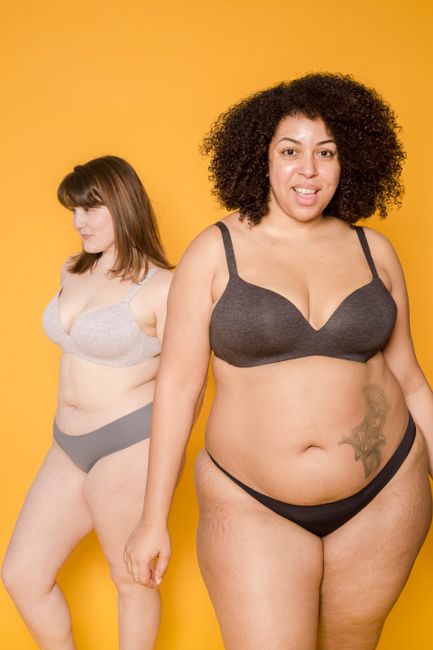
However, a significant and growing counter-movement is challenging these long-standing practices. The call for authenticity and inclusivity in media representation is gaining momentum, driven by consumer demand and a greater awareness of the negative consequences of unrealistic beauty standards. Many brands and publications are now actively seeking to feature real women with diverse body types, ages, ethnicities, and abilities. This shift is not just about ethical considerations; it also represents a recognition that authenticity resonates with consumers and can foster a stronger connection with brands. Initiatives promoting body positivity and self-acceptance are becoming increasingly visible, encouraging a more nuanced and inclusive understanding of beauty. This movement is not about abandoning creative expression or visual appeal but rather about ensuring that representation reflects the reality of the world and celebrates the inherent beauty in diversity. The rise of social media has played a crucial role in this shift, providing platforms for individuals to share their stories and challenge dominant beauty narratives.
The ethical considerations surrounding the photoshopping of real women into cover models are complex and warrant careful examination. While artistic license is inherent in photography and visual media, the extent to which images are altered to create an entirely different reality raises questions of deception and manipulation. When an image is so heavily retouched that it no longer represents the subject’s actual appearance, it can be argued that it constitutes a form of misrepresentation. This can be particularly problematic when these altered images are used to promote products or lifestyles that are presented as attainable through the use of those products, when in reality, the aspirational image is a fabrication. Transparency about the extent of digital alteration is becoming an increasingly important ethical consideration. Some argue for mandatory disclosure of significant retouching, similar to the labeling required for advertisements. This would empower consumers to critically engage with media imagery and understand the difference between reality and digital enhancement. The debate centers on finding a balance between creative freedom and the responsibility to present accurate, or at least not intentionally deceptive, representations of individuals.
The future of cover models and beauty representation is likely to involve a more nuanced and ethical approach to digital manipulation. While some level of retouching may persist for aesthetic purposes, the focus is shifting towards celebrating natural beauty and embracing diversity. Publications and brands that prioritize authenticity are likely to gain a competitive edge by connecting with consumers on a more genuine level. This evolution will require a continued dialogue between industry professionals, consumers, and advocacy groups to establish a new set of standards that promote inclusivity and challenge unrealistic beauty ideals. The ongoing cultural conversation about beauty and representation is a crucial step towards fostering a media landscape that is both visually compelling and ethically responsible, ultimately contributing to a healthier and more self-accepting society. This progressive trajectory signifies a move away from the homogenizing effects of extreme digital alteration towards a more representative and empowering visual culture.
