
Re Working A Dress
Revamping Your Wardrobe: A Comprehensive Guide to Reworking a Dress
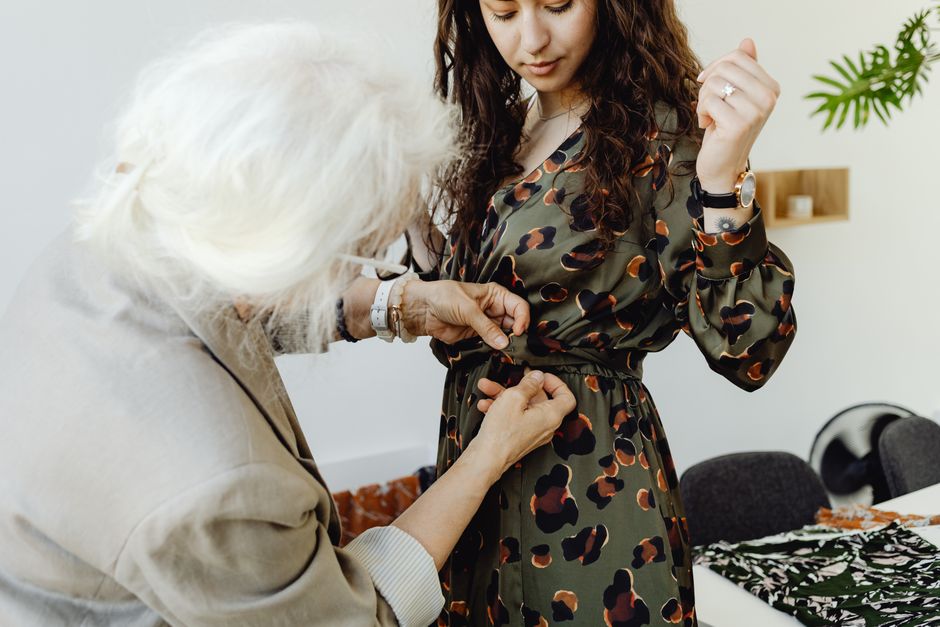
Reworking a dress offers a sustainable and cost-effective alternative to purchasing new garments, allowing for creative expression and a personalized fit. This process involves altering an existing dress to update its style, improve its silhouette, or transform it into an entirely new piece. From simple hem adjustments and dart additions to more complex transformations like converting a maxi dress into a skirt and top, the possibilities are extensive. Understanding basic sewing techniques, pattern manipulation, and fabric properties is crucial for successful dress reworking. The initial step involves a thorough assessment of the existing dress. Examine the fabric type, construction, and current style. Consider the desired outcome: is it a subtle update, a dramatic change, or simply a better fit? Take precise measurements of your body and compare them to the dress’s dimensions. Identify areas of concern, such as tightness, looseness, outdated hemlines, or unflattering necklines. Pinning and marking alterations directly on the garment can be invaluable for visualizing the final result.
The most common and straightforward dress rework is altering the length. Hemming a dress can dramatically change its perceived style. A floor-length gown can be transformed into a chic midi or a playful mini. To do this, ensure the dress is laid flat and even. Mark the desired hemline with pins or chalk, ensuring it’s parallel to the floor. Use a measuring tape to maintain an consistent distance from the floor. For most fabrics, a double-fold hem is recommended for a clean finish and durability. This involves folding the raw edge up twice before stitching. The width of the fold depends on the fabric and desired aesthetic, typically ranging from 1/2 inch to 2 inches. For delicate fabrics, a rolled hem or a French seam might be more appropriate. If the original hem is particularly bulky or has intricate detailing, consider carefully removing it and re-hemming with a simpler finish or incorporating the original detailing into the new hem. For invisible hems, use a blind stitch sewing machine foot or a hand-stitched blind hem. Consider the fabric’s drape and weight when deciding on the new length. A heavier fabric might look unbalanced as a very short hem, while a lightweight fabric can create beautiful movement at a longer length.
Adjusting the fit is another fundamental aspect of dress reworking. Dresses that are too large can be taken in at the sides or back. This often involves adding darts. Darts are triangular folds stitched into fabric to shape it to the body. Locate the areas where the dress needs to be slimmer, typically under the bust, at the waist, and at the hips. Measure the excess fabric and mark the center point of the dart. Draw a straight line from this point to the fabric edge or seam line. For waist adjustments, consider both front and back darts. If a dress is too small, the reverse process of letting out seams can be attempted, but this is often limited by the existing seam allowances. Carefully inspect the internal seams for extra fabric that can be released. If there is insufficient seam allowance, consider adding panels of matching or contrasting fabric to the sides or back. This can be a stylistic choice as well, adding visual interest. For bust adjustments, consider adding darts or altering the bust cups if the dress has them. Shoulder seams are another common area for fit adjustments, especially if the garment is slipping off the shoulders or feels too tight across the upper back. Removing and resewing shoulder seams allows for significant changes to the overall fit.
Transforming the neckline of a dress can significantly update its style. A boat neck can be lowered, a V-neck can be deepened or shallowed, and a high neckline can be opened up. Carefully unpick the existing neckline seam. Measure and mark the new neckline shape, ensuring symmetry. For curves, consider using a pattern piece to guide your marking. If the original fabric is fraying easily, a facing or a binding will be necessary to create a clean and durable edge. A facing is a separate piece of fabric cut to the shape of the neckline that is attached and turned to the inside. A binding is a strip of fabric that encases the raw edge. Bias tape, whether pre-made or self-fabric, is excellent for binding curved necklines. Consider the fabric’s thickness when choosing the binding width; a wider binding can help tame heavier fabrics. For more dramatic changes, like creating an off-the-shoulder neckline from a standard one, more extensive pattern manipulation and potentially adding elastic may be required. Be mindful of the original garment’s construction; some necklines are integrated with the bodice in ways that make alteration more challenging.
Sleeves offer another prime opportunity for reworking. Long sleeves can be shortened to 3/4 length or elbow length, or entirely removed to create a sleeveless dress. Short sleeves can be lengthened by adding cuffs or extending them with contrasting fabric. Removing sleeves involves carefully unpicking the armhole seam and finishing the raw edge. This often requires creating a new facing or binding for the armhole to ensure a neat and comfortable finish. When shortening sleeves, consider the original cuff or hem. If it’s a simple hem, you can shorten it and re-hem. If it has a button closure or other detailing, you may need to incorporate that into the new length or remove it and create a new finish. Adding sleeves to a sleeveless dress is a more advanced alteration, typically involving drafting a new sleeve pattern and carefully setting it into the armhole. This requires precision to avoid puckering and ensure a smooth transition. Consider the fabric weight and drape of the original dress when deciding on sleeve modifications. A very thin fabric might not support the weight of a heavily structured sleeve, for instance.
Beyond basic alterations, creative transformations can breathe entirely new life into a dress. A long, flowing maxi dress can be divided into a separate skirt and top. Measure and mark the desired division point, usually at the natural waist or slightly below. Carefully cut along this line. The top portion can be hemmed at the bottom edge, and the skirt can be hemmed at its new, shorter length. Alternatively, the top can be further altered by removing sleeves, changing the neckline, or adding embellishments. The skirt can be given a new waistband, or elastic can be inserted for comfort. This type of rework can yield two distinct garments from one, maximizing the value and versatility of the original piece. Consider the fabric’s print and how it will look on separate pieces. A large, bold print might work better on a skirt than a fitted top, for example.
Adding or altering design details can also significantly update a dress. Zippers can be replaced with more stylish alternatives, like decorative exposed zippers or button plackets. Buttons can be swapped for statement pieces. Pockets can be added to dresses that lack them, or existing pockets can be modified or embellished. Lace panels can be inserted into seams or used to create overlays. Fabric manipulation techniques like ruching or gathering can add texture and visual interest. Embellishments such as beads, sequins, embroidery, or fabric paint can completely transform the aesthetic of a plain dress. When adding new elements, consider the original fabric’s weight and drape to ensure the additions complement rather than overwhelm the garment. Test any new techniques on scrap fabric first.
For dresses with structural issues or outdated silhouettes, more significant modifications might be necessary. A shapeless shift dress can be given more definition by adding a drawstring waist or by inserting darts. A-line dresses can be tapered, or full skirts can be gathered. If a dress has too much fabric in the bodice, it can be taken in significantly through the side seams and potentially the center back. This might involve unpicking the lining and carefully resewing. For dresses with shoulder straps that are too wide or too narrow, they can be adjusted by unpicking and resewing, or entirely new straps can be created. Consider the overall balance of the garment after making significant structural changes.
When reworking dresses, the choice of fabric is paramount. Natural fibers like cotton and linen are generally easier to work with, press well, and are breathable. Synthetic fabrics can be more slippery and prone to melting under high heat, requiring careful attention to ironing temperatures. Stretchy fabrics like knits require specific techniques, such as using a ballpoint needle and a zigzag stitch, to avoid stretching out of shape. Understanding how a fabric behaves when cut, sewn, and pressed is essential for a successful outcome. If you’re unsure about a fabric, always test your sewing machine’s tension and stitch settings on a scrap piece.
The tools and equipment required for dress reworking are relatively standard for sewing. A sewing machine is essential for most alterations, though some hand-sewing can achieve excellent results. Sharp fabric scissors are critical for clean cuts. Measuring tapes, pins, chalk or fabric markers, seam rippers, and an iron and ironing board are all indispensable. For more advanced techniques, specialized sewing machine feet, such as a zipper foot or a blind hem foot, can be beneficial. A rotary cutter and cutting mat can be helpful for precise straight cuts, especially when dividing a dress into multiple pieces.
The process of dress reworking is iterative. It often involves trial and error. Don’t be afraid to unpick seams and try again if something isn’t quite right. Take your time, especially with more complex alterations. Patience and attention to detail will lead to a more professional and satisfying result. Documenting your process, perhaps with before-and-after photos or notes on your modifications, can be helpful for future projects and for learning from your experiences. Online tutorials, sewing books, and classes can provide valuable guidance and inspiration for specific techniques. Ultimately, reworking a dress is a rewarding endeavor that allows for creativity, sustainability, and the creation of truly unique garments.
