
Stunning Hand Dyed Scarf
Unveiling the Artistry: A Comprehensive Guide to Stunning Hand-Dyed Scarves
The hand-dyed scarf is more than just an accessory; it’s a wearable piece of art, a testament to meticulous craftsmanship, and a unique expression of individual style. Unlike mass-produced textiles, each hand-dyed scarf possesses an inherent soul, a story woven into its fibers through the deliberate and often intuitive application of color. This article delves deep into the captivating world of these artisanal creations, exploring their diverse techniques, the myriad benefits they offer, and how to best appreciate and care for them, ensuring you understand their true value and can confidently incorporate them into your wardrobe.
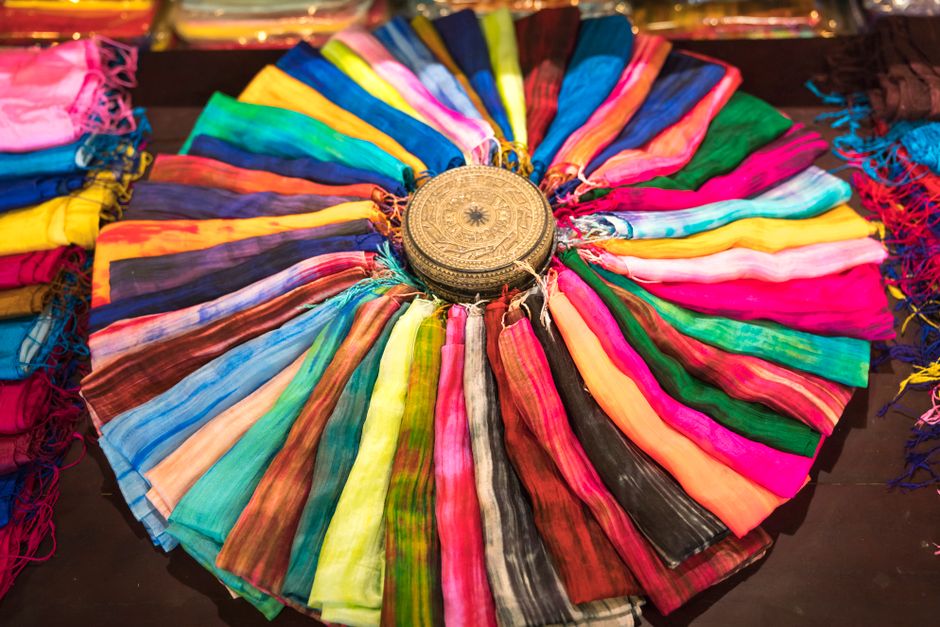
The process of hand-dying fabric is as ancient as civilization itself, with roots stretching back to natural dyes derived from plants, minerals, and even insects. Modern hand-dyeing, while often employing synthetic dyes for their vibrancy and permanence, retains the spirit of this traditional art form. At its core, hand-dyeing involves immersing fabric in a dyebath, meticulously controlling the temperature, dye concentration, and immersion time to achieve specific color outcomes. However, the true magic lies in the variations and improvisations that elevate a simple dyeing process into an artistic endeavor. Techniques such as tie-dye, batik, shibori, and immersion dyeing each yield distinct visual effects. Tie-dye, perhaps the most widely recognized, involves binding sections of the fabric before dyeing, creating patterns of un-dyed white interspersed with vibrant hues. Shibori, a Japanese dyeing technique, offers a broader spectrum of binding, folding, and stitching methods, resulting in intricate and often geometric designs. Batik, originating from Indonesia, utilizes wax to resist dye application, creating detailed and layered patterns. Immersion dyeing, while seemingly straightforward, can be manipulated through repeated dips, gradual submersion, or varying dye strengths to create subtle gradients and ombré effects. The beauty of hand-dyed scarves lies in the inherent unpredictability, the happy accidents, and the artist’s ability to harness these elements into a cohesive and breathtaking design. The subtle variations in color saturation, the organic flow of hues, and the unique placement of patterns are all hallmarks of this artisanal process.
The appeal of hand-dyed scarves extends far beyond their aesthetic beauty. They represent a conscious choice for quality, individuality, and sustainability. In an era dominated by fast fashion, the slow and deliberate creation of a hand-dyed scarf stands in stark contrast. This meticulous process often involves higher quality fibers, such as silk, wool, or fine cotton, chosen for their ability to absorb and showcase color beautifully. The durability and longevity of these scarves are often superior to mass-produced alternatives, making them a sound investment rather than a fleeting trend. Furthermore, hand-dyed scarves offer an unparalleled level of individuality. No two scarves are ever exactly alike. Even when using the same techniques and colors, the subtle nuances of the dyeing process ensure that each scarf is a unique masterpiece. This means your hand-dyed scarf will be a true reflection of your personal style, a way to stand out from the crowd and express your creativity. For those seeking to cultivate a more sustainable wardrobe, hand-dyed scarves often align with eco-conscious principles. While the use of synthetic dyes requires careful handling to minimize environmental impact, many artisans are increasingly exploring natural dyes derived from renewable resources, further enhancing the sustainability of their creations. The reduced production volume and the emphasis on quality over quantity also contribute to a more mindful approach to consumption.
The sheer diversity of hand-dyed scarves available is astounding, catering to every taste and occasion. For the minimalist, subtle ombré scarves in muted tones offer an understated elegance. A soft gradient from cream to pale grey on a silk crepe de chine can elevate a simple blouse and tailored trousers. For those who embrace bold statements, vibrant shibori patterns in electric blues and magentas on a larger wool blend scarf can inject personality into a monochrome outfit. Consider a striking tie-dye piece in jewel tones on a linen blend for a bohemian flair, perfect for a summer festival or a casual weekend outing. The choice of fabric significantly impacts the scarf’s drape, texture, and how the dye manifests. Silk, with its luxurious sheen and smooth texture, allows for incredibly vibrant and detailed color saturation, making it ideal for intricate patterns and rich hues. Wool, with its natural warmth and depth, lends itself to more textured and organic dyeing effects, creating beautiful, subtle variations in color. Cotton, a versatile and breathable option, can be dyed in a wide range of colors and patterns, offering a more casual and everyday appeal. Blends of these fibers can offer unique properties, combining the best of each material.
The artistic techniques employed are what truly define the visual narrative of a hand-dyed scarf. Shibori, with its myriad of binding and stitching methods, can produce an array of mesmerizing patterns. Kumo shibori (spiderweb shibori) creates radial patterns, while itajime shibori uses folded fabric and clamps to create geometric shapes. The depth and complexity achievable with shibori are truly remarkable, transforming a simple square of fabric into a complex visual tapestry. Batik, with its controlled application of wax, allows for incredibly fine detail and intricate storytelling. Imagine a batik scarf depicting a serene landscape or a whimsical motif, each element meticulously rendered through layers of wax and dye. Tie-dye, often associated with its more psychedelic roots, can also be incredibly sophisticated. Modern tie-dye artists employ precise folding and binding techniques to create sophisticated marbled effects, abstract swirls, and even recognizable imagery. The subtle bleed of dye around the tied areas, the unexpected color combinations, and the overall flow of the design contribute to the unique charm of each tie-dyed piece.
When it comes to styling, hand-dyed scarves are incredibly versatile. Their inherent artistry means they can be the focal point of an outfit or a subtle yet impactful accent. A larger, more boldly patterned scarf can be worn as a statement piece, draped over the shoulders with a simple dress or as a headscarf. Smaller, more subtly dyed scarves can be tied around the neck, adding a pop of color and texture to a classic shirt or sweater. They can also be incorporated into your bag as a stylish accent, tied around the handle of a tote or a handbag. Experiment with different knotting techniques to further enhance their visual appeal. A simple loop, a loose cascade, or a more intricate twist can dramatically alter the overall look. Consider the color palette of the scarf in relation to your existing wardrobe. A scarf with complementary colors can create a harmonious and sophisticated ensemble, while a scarf with contrasting colors can inject a playful and energetic element. The texture of the scarf also plays a role in styling. A flowing silk scarf will drape differently than a chunkier wool scarf, influencing the overall silhouette of your outfit.
Caring for your hand-dyed scarf is crucial to preserving its beauty and longevity. Because of the delicate nature of the dyeing process and the often natural fibers used, specific care instructions are essential. Always refer to the care label provided by the artisan. Generally, hand-dyed scarves, especially those made from silk or fine wool, should be hand-washed in cold water with a mild, pH-neutral detergent. Avoid harsh chemicals, bleach, and fabric softeners, as these can strip the color and damage the fibers. Rinse thoroughly, ensuring all soap residue is removed. For dyeing materials that are known to bleed, it is often recommended to rinse them separately for the first few washes. To dry, gently squeeze out excess water without wringing, which can stretch or distort the fabric. Lay the scarf flat on a clean, dry towel or a mesh drying rack, away from direct sunlight and heat, which can cause fading. Never put hand-dyed scarves in a tumble dryer, as the heat can cause shrinkage and damage the dyes. Ironing should be done with extreme caution. If ironing is necessary, use the lowest heat setting suitable for the fabric, preferably while the scarf is still slightly damp, and always iron on the reverse side. For particularly delicate fabrics like silk, a steam iron held at a distance can be a safer option. Storing your hand-dyed scarves properly is also important. Roll them instead of folding them to prevent creases. Store them in a cool, dry place, away from direct sunlight, which can cause fading over time. Consider using acid-free tissue paper to protect them.
The appreciation of hand-dyed scarves is an appreciation of artistry, tradition, and individuality. Each scarf represents countless hours of skill, experimentation, and passion. When you purchase a hand-dyed scarf, you are not just buying an accessory; you are investing in a piece of art and supporting an artisan’s craft. The subtle variations in color, the organic flow of the patterns, and the unique texture of the fibers all contribute to the undeniable allure of these special garments. They offer a way to infuse your personal style with a touch of individuality and a commitment to quality. Understanding the techniques, the benefits, and the care involved allows you to not only choose the perfect hand-dyed scarf but also to cherish it for years to come, ensuring its beauty continues to enhance your wardrobe and your life. As you explore the world of hand-dyed textiles, you will discover an endless spectrum of color, texture, and design, each scarf a testament to the enduring power of human creativity and the timeless appeal of artisanal craftsmanship. Embrace the uniqueness, the imperfections, and the sheer beauty of hand-dyed scarves, and let them become a cherished part of your personal narrative.
