
Tag Diy Laundry Detergent
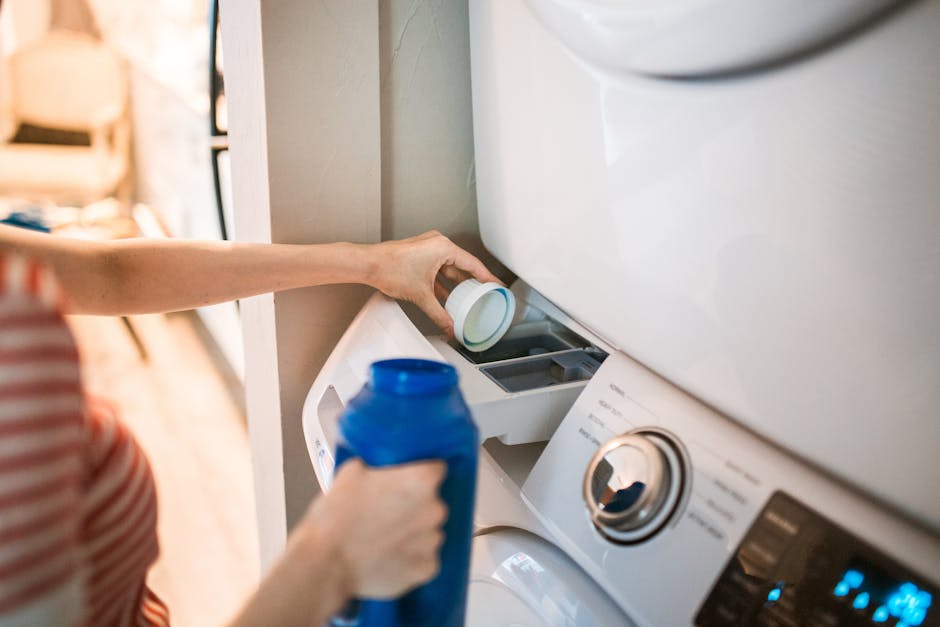
DIY Laundry Detergent: A Comprehensive Guide to Eco-Friendly and Cost-Effective Cleaning
Crafting your own laundry detergent offers a compelling combination of environmental consciousness and significant cost savings. By eschewing the complex chemical cocktails found in commercial cleaners, you gain control over ingredients, reduce your household’s chemical footprint, and often achieve equally effective cleaning results. This in-depth guide explores the benefits, essential ingredients, various DIY detergent recipes, and practical tips for making and using your homemade laundry soap, ensuring your clothes are clean and your conscience is clear.
The benefits of DIY laundry detergent are multifaceted and impactful. Firstly, cost-effectiveness is a major draw. Commercial laundry detergents, particularly specialty or eco-friendly varieties, can be expensive. By purchasing raw ingredients in bulk, such as washing soda, borax, and bar soap, you can drastically reduce your per-load laundry cost. For example, a single bar of castile soap, costing a few dollars, can yield enough detergent for dozens, if not hundreds, of loads. This long-term saving is a significant advantage for households of all sizes.
Secondly, environmental responsibility is a primary driver for many DIYers. Commercial detergents often contain phosphates, optical brighteners, synthetic fragrances, and petroleum-derived surfactants. These chemicals can contribute to water pollution, harming aquatic life and potentially impacting human health through contaminated water sources. By using natural and biodegradable ingredients, you significantly lessen your environmental impact. You also reduce plastic waste associated with detergent bottles, opting instead for reusable containers for your homemade concoction.
Thirdly, ingredient control and customization empower consumers. Many individuals suffer from sensitive skin, allergies, or sensitivities to specific fragrances and chemicals commonly found in store-bought detergents. DIY laundry detergent allows you to meticulously select each ingredient, avoiding potential irritants. This is particularly beneficial for families with infants, young children, or individuals with dermatological conditions. Furthermore, you can customize the scent profile by incorporating natural essential oils, catering to personal preferences without relying on artificial perfumes.
Fourthly, simplicity and effectiveness are often underestimated. The notion that complex chemical formulations are necessary for effective cleaning is a misconception. Simple, powerful cleaning agents like washing soda and borax have been used for centuries to tackle dirt, grease, and stains. When combined with a good surfactant like castile soap, these ingredients can effectively lift grime and leave clothes fresh. Many users report their clothes feeling softer and their whites appearing brighter with homemade detergents, a testament to their efficacy.
The cornerstone ingredients for most DIY laundry detergent recipes are readily available at grocery stores, pharmacies, and online retailers. Understanding their functions is crucial for successful formulation.
Washing Soda (Sodium Carbonate): This is a powerful alkaline salt that acts as a water softener and a grease cutter. It helps to lift and suspend dirt and grime from fabrics, making them easier to rinse away. Washing soda also helps to boost the performance of soap by increasing its alkalinity. It’s crucial to distinguish washing soda from baking soda (sodium bicarbonate), though they are related. Washing soda is more alkaline and therefore a more effective cleaning agent for laundry. It’s important to handle washing soda with care as it can be a skin irritant for some individuals.
Borax (Sodium Tetraborate): Borax is a naturally occurring mineral that has been used as a cleaning agent for generations. It acts as a natural whitener, deodorizer, and stain remover. Borax helps to boost the effectiveness of soap by breaking down oils and greases. It also has mild disinfectant properties, contributing to a more hygienic clean. Like washing soda, borax is a mild irritant and should be handled with gloves, especially if you have sensitive skin.
Bar Soap (Grated or Powdered): This is the primary surfactant in most DIY laundry detergent recipes. Surfactants are molecules that reduce the surface tension of water, allowing it to penetrate fabrics more effectively and lift dirt and oils. Common choices include:
- Castile Soap: Made from vegetable oils (traditionally olive oil), castile soap is a gentle, biodegradable, and highly effective surfactant. Dr. Bronner’s is a popular and widely available brand. It’s ideal for sensitive skin and is a good all-around choice.
- Fels-Naptha: A traditional laundry bar soap known for its stain-fighting abilities. It’s effective but contains some synthetic fragrance and dyes, making it less ideal for those with extreme sensitivities.
- Zote: Another traditional laundry bar soap, often pink or white. It’s generally milder than Fels-Naptha but still effective.
When choosing a bar soap, opt for unscented varieties if you plan to add your own essential oils for fragrance.
Optional but Beneficial Ingredients:
- Baking Soda (Sodium Bicarbonate): While not as alkaline as washing soda, baking soda is a gentle deodorizer and can help to boost cleaning power. It’s a good addition for neutralizing odors and providing a mild softening effect.
- Oxygen Bleach (Sodium Percarbonate): This eco-friendly bleaching agent is a good alternative to chlorine bleach. It releases hydrogen peroxide when mixed with water, which helps to lift stains and brighten whites and colors. It’s effective at moderate temperatures.
- Essential Oils: For fragrance, natural essential oils like lavender, lemon, tea tree, or eucalyptus can be added. Tea tree oil also possesses antimicrobial properties. Use sparingly, as a little goes a long way.
Understanding the various forms of DIY laundry detergent allows you to choose the method that best suits your lifestyle and needs.
Powdered Laundry Detergent: This is the most common and often the simplest form of DIY laundry detergent. It’s easy to store and has a long shelf life.
-
Basic Powdered Recipe:
- 1 cup Borax
- 1 cup Washing Soda
- 1 bar (5-6 oz) Castile Soap (finely grated or pulverized into powder)
Instructions:
- Grate the bar of castile soap using a fine grater. Alternatively, you can process it in a food processor until it resembles fine crumbs or powder. If you’re using a pre-powdered soap like a soap-making soap sliver, this step is simplified.
- In a large bowl or container, combine the grated soap, borax, and washing soda.
- Mix thoroughly to ensure all ingredients are evenly distributed. A whisk or a sturdy spoon works well.
- If you prefer a finer powder, you can pulse the mixture in a food processor a few times, but be careful not to over-process and create dust.
- Store in an airtight container to prevent clumping.
-
Enhanced Powdered Recipe (with Oxygen Bleach):
- 1 cup Borax
- 1 cup Washing Soda
- 1/2 cup Oxygen Bleach
- 1 bar (5-6 oz) Castile Soap (finely grated or pulverized into powder)
Instructions: Follow the same instructions as the basic powdered recipe, adding the oxygen bleach along with the borax and washing soda.
-
Usage for Powdered Detergent: Use 1-2 tablespoons per standard load of laundry. For heavily soiled items or larger loads, you may need slightly more. Adjust based on your machine’s capacity and the level of dirtiness.
Liquid Laundry Detergent: Liquid detergents can be convenient for some, but they typically require more active preparation and may have a shorter shelf life due to the water content.
-
Basic Liquid Recipe:
- 1 bar (5-6 oz) Castile Soap (grated)
- 1/2 cup Borax
- 1/2 cup Washing Soda
- 8 cups (2 quarts) Water (divided)
- Optional: 10-20 drops Essential Oil
Instructions:
- In a saucepan, combine the grated castile soap with 4 cups of water. Heat over medium-low heat, stirring constantly, until the soap is completely dissolved. Do not boil.
- Once the soap is dissolved, remove the saucepan from the heat. Stir in the borax and washing soda until they are fully dissolved.
- In a separate large container (like a gallon jug or bucket), add the remaining 4 cups of water.
- Pour the warm soap mixture into the large container with the cool water. Stir well to combine.
- Allow the mixture to sit for 12-24 hours. It will likely thicken and gel to a pudding-like consistency.
- Stir or whisk the gel vigorously to break it down into a more pourable liquid. You may need to add a little warm water if it’s too thick.
- If using essential oils, stir them in at this stage.
- Pour the liquid detergent into storage containers (old detergent bottles or jars).
-
Usage for Liquid Detergent: Use 1/4 to 1/2 cup per standard load. Shake well before each use as separation can occur.
Detergent Pods/Pacs: For a pre-portioned and convenient option, you can create DIY detergent pods.
-
DIY Detergent Pod Recipe:
- 1 cup Washing Soda
- 1 cup Borax
- 1/2 cup Grated Castile Soap
- 1-2 tablespoons Water (as needed)
- Optional: 10-15 drops Essential Oil
- Silicone Muffin Liners or Ice Cube Trays (silicone is best for easy removal)
Instructions:
- In a bowl, combine the washing soda, borax, and grated castile soap. Mix thoroughly.
- Gradually add a tiny amount of water (a teaspoon at a time) and mix until the mixture starts to clump together, resembling wet sand or cookie dough. You want it cohesive enough to hold its shape but not overly wet.
- If using essential oils, add them now and mix well.
- Press the mixture firmly into the cavities of your silicone muffin liners or ice cube trays. Ensure they are packed tightly.
- Allow the pods to dry completely in a well-ventilated area for at least 24-48 hours. They should be hard to the touch.
- Once fully dry, carefully pop the pods out of the silicone molds.
- Store in an airtight container.
-
Usage for Detergent Pods: Use 1-2 pods per load, depending on the size and soil level.
Important Considerations for Using DIY Laundry Detergent:
- Water Hardness: If you have very hard water, your DIY detergent may not perform as effectively. Hard water minerals can react with soap to form soap scum. In such cases, you may need to increase the amount of detergent used or consider adding a water softener like Calgon to your wash cycle.
- High-Efficiency (HE) Machines: DIY detergents are generally safe for HE machines, especially the powdered and pod varieties, as they are low-sudsing. However, it’s always wise to start with a smaller amount (e.g., 1 tablespoon of powder) to ensure it doesn’t cause excessive suds. The liquid recipe is also generally low-sudsing once it gels.
- Stain Treatment: For stubborn stains, pre-treating is often necessary, regardless of the detergent used. Natural stain removers like hydrogen peroxide, baking soda paste, or a diluted solution of dish soap can be effective.
- Fabric Types: DIY laundry detergent is generally safe for most fabrics. However, always check care labels, especially for delicate items like silk or wool, where a specialized detergent might be preferable.
- Storage: Store your homemade detergent in airtight containers to prevent moisture absorption, which can lead to clumping and reduced effectiveness. Keep them out of reach of children and pets.
- Shelf Life: Powdered detergents have a very long shelf life, often years, if kept dry. Liquid detergents, due to their water content, are best used within 6-12 months.
- Adjusting Ratios: Don’t be afraid to experiment with the ratios of ingredients to find what works best for your specific water conditions and washing machine. If clothes aren’t coming clean, try adding a bit more washing soda or borax. If they feel stiff, a little less soap or an extra rinse cycle might help.
- Residue: Occasionally, you might notice a slight powdery residue on dark clothes. This is usually from the washing soda or borax and can be prevented by ensuring the detergent is fully dissolved before the wash cycle or by adding an extra rinse cycle.
By embracing the practice of making your own laundry detergent, you are not only simplifying your cleaning routine but also making a conscious choice to reduce your environmental impact and save money. The journey of crafting your own cleaning solutions is empowering, leading to a more sustainable and health-conscious household. The straightforward ingredients, adaptable recipes, and tangible benefits make DIY laundry detergent a practical and rewarding endeavor for anyone seeking a cleaner, greener, and more economical approach to laundry.
