San Francisco’s Sleeping Pod Boom: Innovation or Dystopian Necessity in the Age of AI?

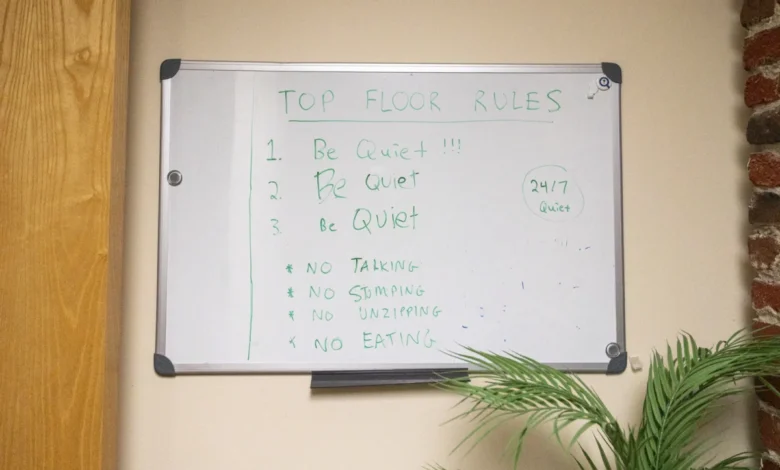
In the heart of San Francisco’s downtown, at 12 Mint Plaza, a former bank building now serves as a laboratory for a radical experiment in urban survival. Here, thirty adults share a single room, each retreating to a twin-sized wooden box stacked two-high. For $700 a month, residents of Brownstone Shared Housing forgo traditional notions of privacy and personal space in exchange for a foothold in one of the most expensive real estate markets on the planet. As the city experiences a fresh surge of tech workers driven by the artificial intelligence boom, these "sleeping pods" have transitioned from a niche curiosity to a central, if controversial, fixture of the San Francisco housing debate.
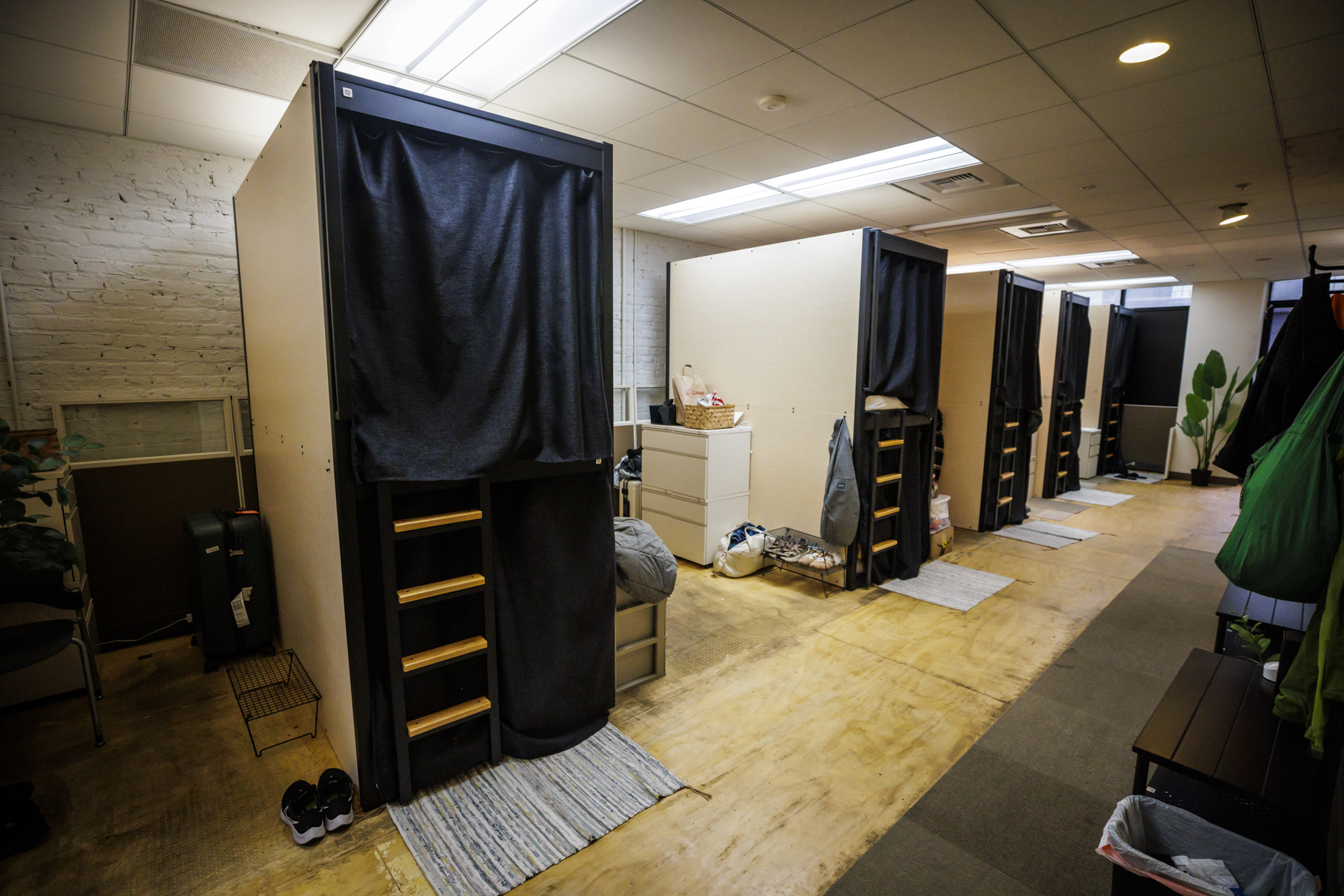
The rise of pod living represents the latest iteration of a city-wide struggle to accommodate a workforce that is increasingly transient and priced out of traditional housing. While proponents view these units as a necessary "utility" for the modern age, skeptics and housing advocates warn that they may simply be a high-tech rebranding of the single-room occupancy (SRO) hotels that have housed the city’s poorest residents for over a century.
The Economics of Micro-Living
The financial logic driving the popularity of sleeping pods is grounded in the harsh reality of San Francisco’s rental market. According to 2025 data from Zillow, the average monthly rent for an apartment in the city stands at $3,650. Meanwhile, a study by RentCafe notes that while the average apartment size has grown slightly to 716 square feet, the price per square foot remains prohibitive for many entry-level professionals.
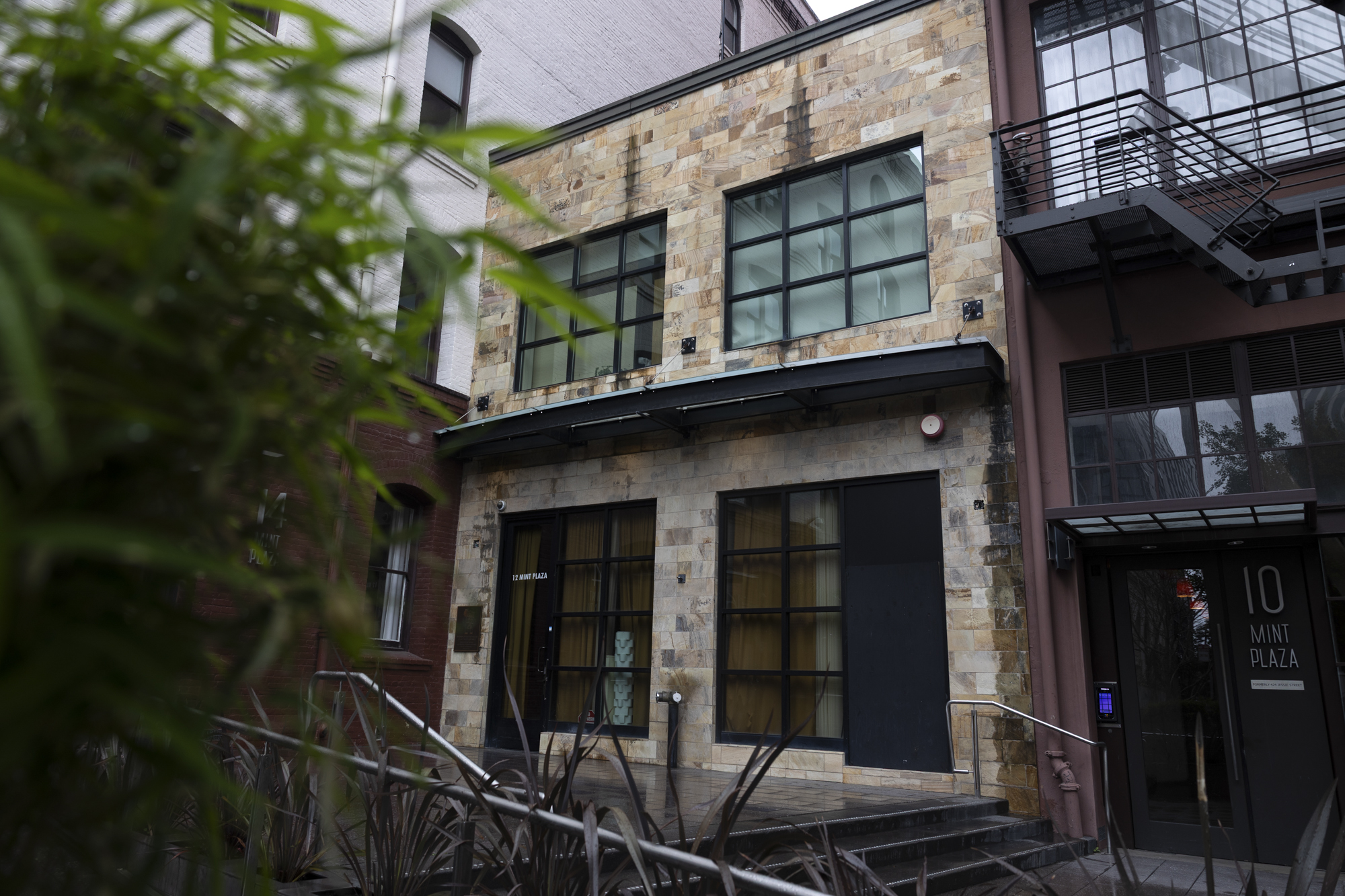
Brownstone’s model disrupts the traditional rental process by removing the barriers that typically exclude young or low-income residents. There are no security deposits, no one-year lease commitments, and no intensive background or credit checks. For a flat fee of $700, a resident receives a pod equipped with a privacy curtain, a dedicated thermostat, and integrated lighting. Access to communal bathrooms, a small kitchenette, and shared workspaces is included.
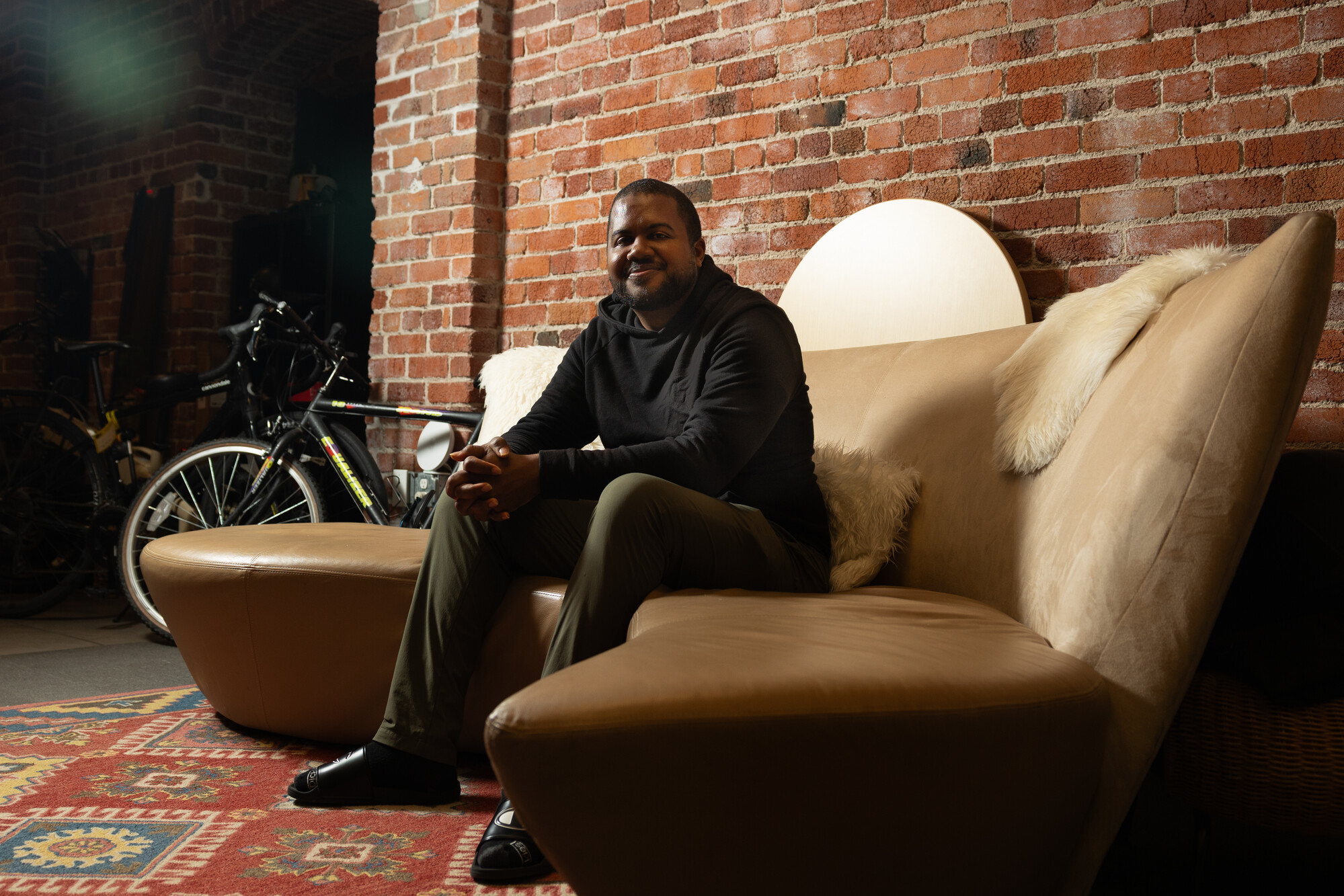
James Stallworth, the 34-year-old CEO of Brownstone, argues that the pods are not meant to be permanent residences but rather a tool to navigate specific life stages. "It’s kind of silly to think we’re going to need a single-family home at every point of our life, from birth ‘til death," Stallworth said. He views the pods as a way to "fill in the gaps," providing immediate shelter for those chasing opportunities in Silicon Valley’s meritocracy.

From Hacker Houses to Pod Clusters: A Chronology
The concept of group living is deeply embedded in San Francisco’s cultural DNA, but the specific form it takes has evolved alongside the city’s economy.
- The Pre-Digital Era: San Francisco was historically defined by residential hotels and boarding houses that catered to sailors, seasonal workers, and new immigrants.
- The 2010s: The first tech boom popularized "hacker houses"—group homes where aspiring entrepreneurs shared bunk beds and ideas. Companies like PodShare, founded in 2012, began formalizing this into a business model across California.
- The Pandemic Pivot (2020–2022): As remote work emptied downtown offices, some co-living spaces struggled, while others saw an opportunity to repurpose commercial real estate.
- The AI Resurgence (2023–Present): A new wave of founders and engineers has returned to the city. Brownstone emerged during this period, capitalizing on the need for immediate, flexible housing for the "AI wave."
- 2025–2026 Expansion: Despite legal challenges and a brief eviction scare at the Mint Plaza location over alleged unpaid rent, Brownstone has announced plans for a 400-bed "super dorm" on Market Street.
The global market for sleeping pods is currently valued at approximately $2.7 billion in 2026, according to Business Research Insights, suggesting that the "pod-ification" of urban centers is a worldwide trend driven by rising density and costs.
Life Inside the Box: Resident Perspectives
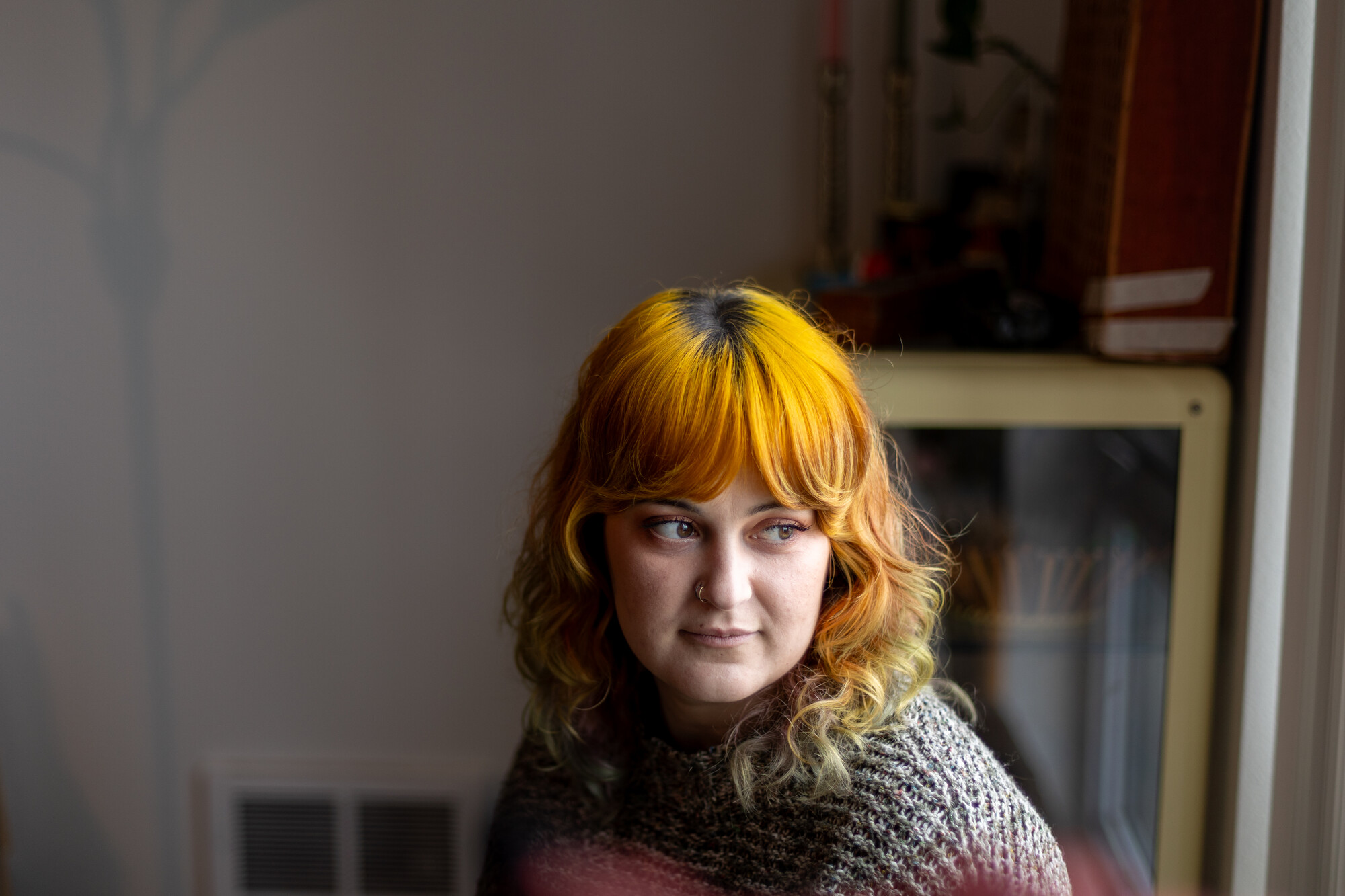
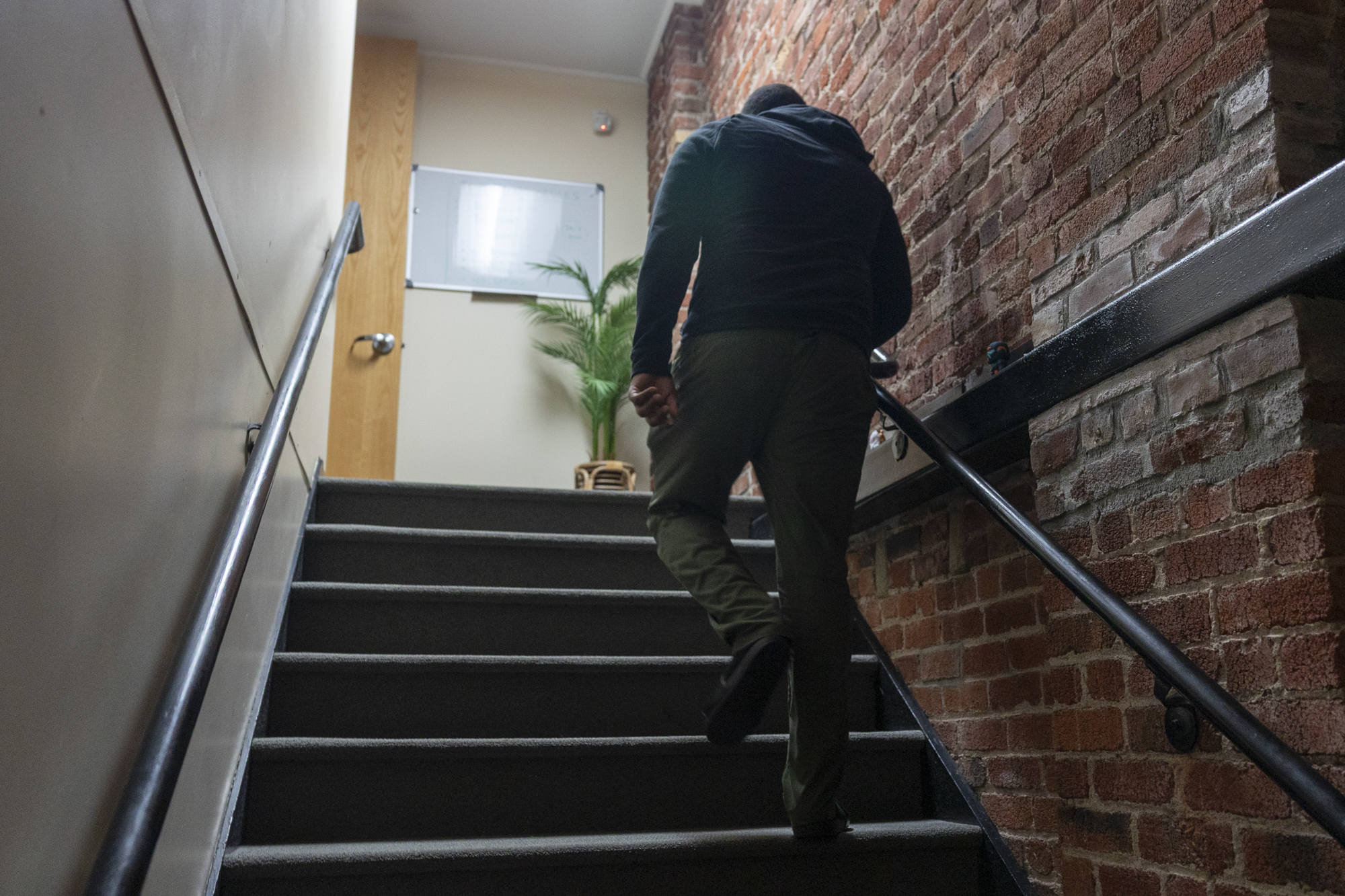
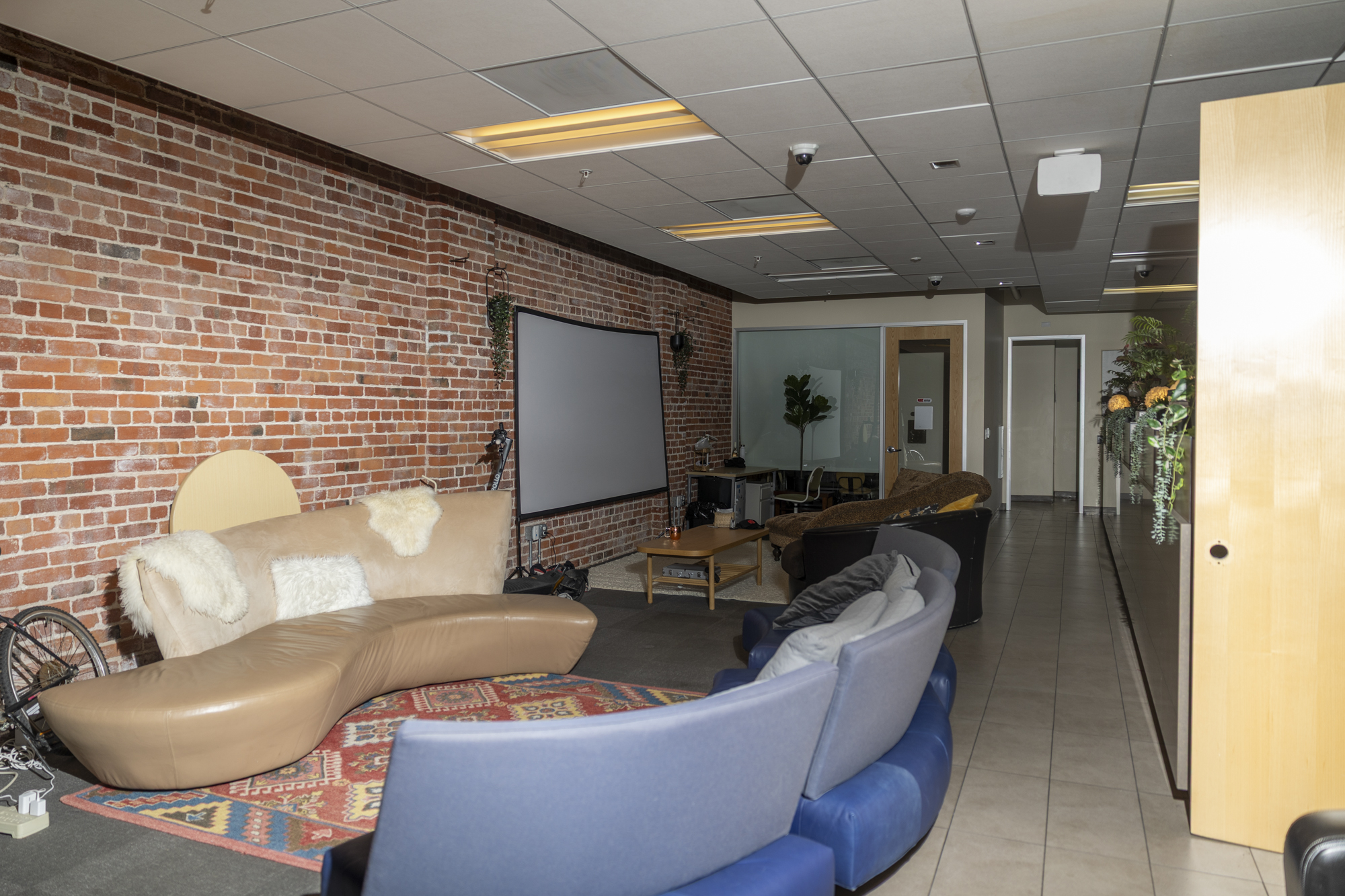
For residents like Haseab Ullah, the pods are a strategic compromise. A tech professional who moved from Toronto to participate in an incubator program, Ullah has lived at the Mint Plaza site for nearly two years. He describes his decision as a matter of efficiency. "I had an aversion to spending the money I earned inefficiently," he said. For him, the communal common area—a modern space with exposed brick and workstations converted from old bank teller counters—provides enough utility to offset the lack of a private bedroom.
However, the reality of living in a space where you cannot fully extend both arms is not for everyone. Charlotte Sarfati, a former pod resident who eventually moved to a one-bedroom apartment in Oakland, reached her limit after nine months. She noted that the "drain of working a 9-to-5" made the lack of privacy unbearable. "It starts kind of getting to you just being around people and wanting privacy," she said.
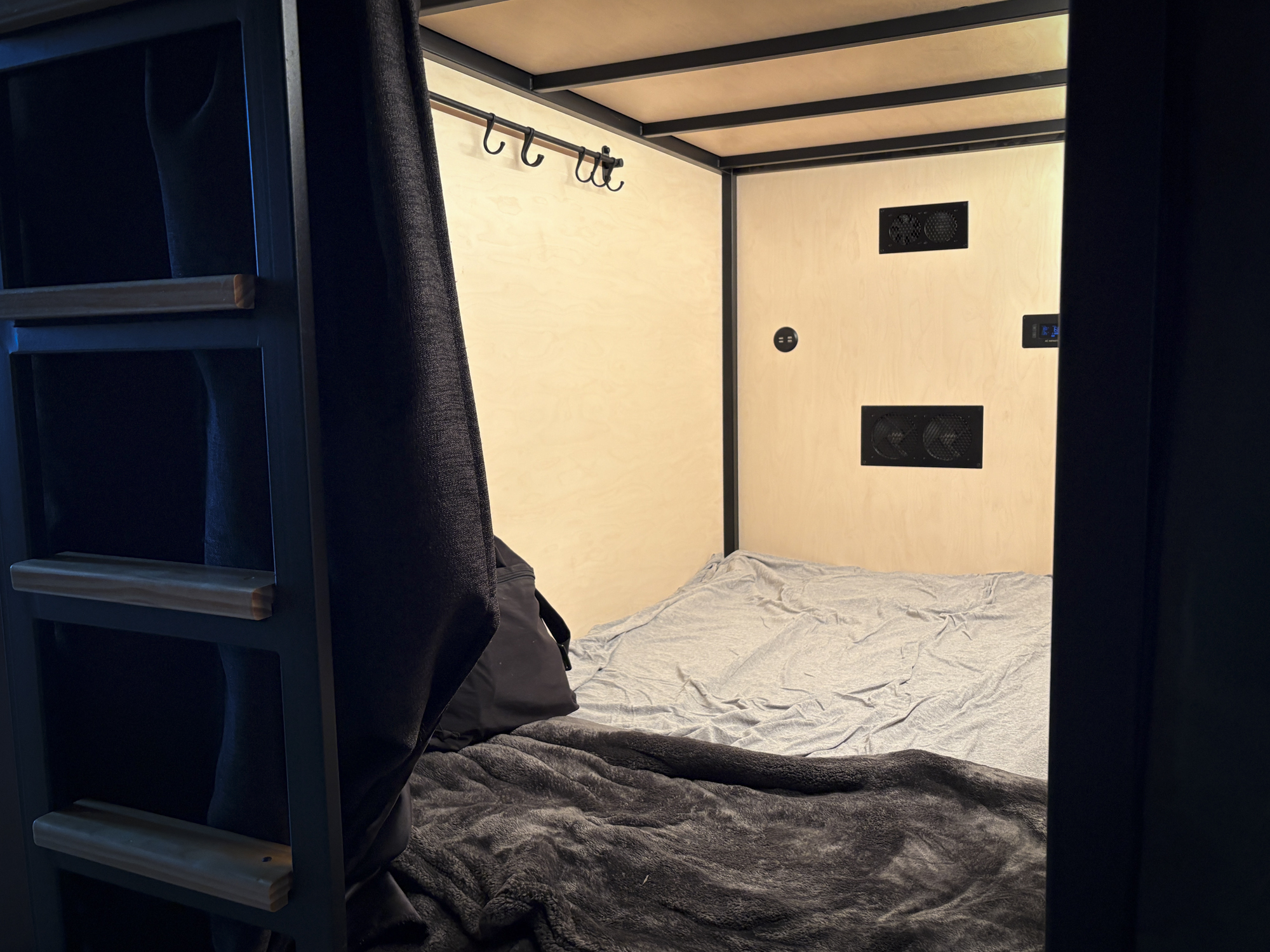
The lack of traditional amenities also presents daily challenges. The "kitchenette" at Mint Plaza consists of a countertop burner, a toaster oven, and an air fryer. Storage operates on an "honor system," which frequently leads to missing food or personal items. For those with disabilities, partners, or pets, the model is entirely non-viable, further narrowing the demographic that can utilize this housing "utility."
Rebranding the SRO: Expert Reactions and Analysis
Housing activists and academics are quick to point out that while the pods look futuristic, the underlying concept is ancient. Fernando Martí, a housing activist and lecturer, notes that big cities have always had residential hotels. "I don’t think it’s anything new, other than the branding and the cost," Martí said.
The comparison to Single Room Occupancy (SRO) hotels is particularly poignant. Historically, SROs were the lowest-cost housing option in America, often renting for the equivalent of $100 to $300 in today’s dollars. In contemporary San Francisco, SRO rents have climbed to an average of $900 per month. While SROs often serve as permanent housing for seniors on fixed incomes and low-income families, Brownstone is targeting a higher-income demographic: tech workers who can afford $700 to $1,200 but choose the pod for its flexibility and location.
Carolina Reid, a professor of affordable housing and urban policy at UC Berkeley, suggests that the "affordability pressure" is moving up the income ladder. Households making close to $100,000 are now considered "cost-burdened" in San Francisco. This economic shift has created a market where even relatively well-paid professionals are willing to live in a warehouse-like setting to avoid the $3,650 average rent.

Regulatory Hurdles and the "Super Dorm" Proposal
Brownstone’s path forward is fraught with regulatory complexity. The company is currently operating the Mint Plaza location without official approval from the San Francisco Planning Department. Dan Sider, the department’s chief of staff, noted that while the city supports the activation of underused buildings, Brownstone initially used an "ask for forgiveness rather than permission" approach.
The proposed 400-pod facility on Market Street represents a significant scale-up. Renderings show cavernous office spaces filled with rows of rectangular bunk beds. At this location, pods are expected to rent for $1,200—a 70% increase over the Mint Plaza price. Stallworth attributes this to market rates and the rising costs of residential adaptive reuse.
New city legislation has recently waived impact fees for projects that convert commercial spaces into residential units, a move intended to revitalize the downtown core. This means Brownstone can expand without contributing to the city’s general affordable housing fund, a policy choice that highlights the city’s desperation to fill vacant office buildings.
Broader Impact and Future Implications
The debate over sleeping pods is ultimately a debate over the future of the American city. If pods become a normalized tier of housing, it signals a shift toward a "gig economy" model of shelter—transient, modular, and stripped of the legal protections afforded by traditional leases.
While the AI boom provides a steady stream of young workers willing to live in pods, the sustainability of the model is tied to the volatility of the tech industry. If the current AI bubble pops, the demand for $1,200 bunk beds may evaporate as quickly as it appeared. Furthermore, as Malcolm Yeung, CEO of the Chinatown Community Development Center, points out, there is a fundamental question of whether a pod can ever truly be considered a "primary residence."
For now, the pods at Mint Plaza remain near capacity. They serve as a stark visual reminder of the city’s failure to produce traditional affordable housing and its reliance on private-sector "hacks" to fill the void. As long as the gap between wages and rent remains a chasm, San Franciscans will continue to look for creative, and increasingly cramped, ways to get by. For residents like Ullah, the trade-off remains clear: "Will I compromise on my housing right now, temporarily, in order to be successful in the future? Absolutely."
Related posts: