Tim Cook Steps Down as Apple CEO, John Ternus Named Successor After Transformative 15-Year Tenure

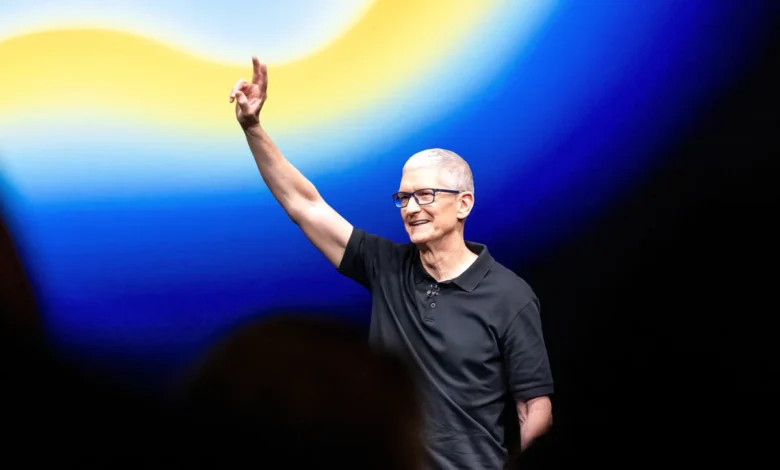
CUPERTINO, CA – April 20, 2026 – In a landmark announcement that marks a significant generational shift at the helm of one of the world’s most influential corporations, Tim Cook today confirmed his decision to step down as Chief Executive Officer of Apple Inc. effective September 2026. After nearly 15 years leading the technology giant, Cook, 65, will transition into a new capacity as executive chairman, a strategic move designed to ensure continuity and provide seasoned counsel to his successor, John Ternus, Apple’s 50-year-old head of hardware engineering. This carefully orchestrated succession plan concludes a tenure widely regarded as one of the most successful leadership runs in modern American business history, transforming Apple into an unprecedented $4 trillion market valuation behemoth.
A Legacy of Unprecedented Growth: Tim Cook’s Transformative Years
Tim Cook’s leadership at Apple began under immense scrutiny and pressure, taking the reins from the iconic co-founder Steve Jobs in August 2011, just weeks before Jobs’ passing. Many analysts and industry observers questioned whether anyone could sustain Apple’s innovative momentum and unique corporate culture without its visionary founder. Cook, however, defied all expectations, not only preserving Apple’s core identity but also propelling it to stratospheric new heights through strategic expansion, operational mastery, and a keen understanding of global markets.
Stepping into a Giant’s Shoes: The Post-Jobs Era
When Cook assumed the CEO role, Apple was already a formidable force, largely thanks to the revolutionary iPhone, which had debuted in 2007. The challenge was not just to maintain this success but to evolve beyond it. Cook, with his deep background in operations and supply chain management, brought a different, yet equally effective, leadership style. He focused on refining Apple’s existing product lines, optimizing its global manufacturing and distribution networks, and meticulously expanding its ecosystem. This approach allowed Apple to capitalize fully on the iPhone’s immense popularity, turning it into a sustained revenue engine rather than a fleeting phenomenon. Critics who initially feared a decline in innovation under Cook’s more pragmatic leadership were gradually silenced by consistent product excellence and strategic diversification.
Financial Milestones and Market Dominance
The financial achievements under Cook’s watch are staggering. Over his nearly 15-year tenure, Apple’s annual profit quadrupled, soaring from approximately $26 billion in 2011 to more than $110 billion by 2025. This remarkable growth was mirrored in the company’s market capitalization, which ballooned more than tenfold, from roughly $350 billion at the time of his ascension to an astounding $4 trillion today. This makes Apple not just the most valuable company globally but also a significant economic force in its own right, surpassing the GDP of many nations. The consistent upward trajectory of its stock price has made it a darling of institutional and individual investors alike, reflecting deep confidence in Cook’s strategic direction and Apple’s enduring brand power.
Diversification Beyond the iPhone: Services and New Horizons
While the iPhone remained a cornerstone, Cook masterminded a crucial pivot towards services, recognizing the immense potential for recurring revenue and deeper customer engagement within Apple’s vast ecosystem. Under his leadership, Apple significantly expanded its services portfolio to include Apple Music, iCloud, Apple TV+, Apple Arcade, Apple Fitness+, and the App Store, which has grown into a multi-billion dollar economy for developers. This strategic diversification not only added new revenue streams but also strengthened the "stickiness" of the Apple ecosystem, making it harder for users to switch to competing platforms. By 2025, services revenue had become a critical growth driver, demonstrating the success of Cook’s vision to balance hardware innovation with software and content offerings.
Beyond services, Cook also oversaw the introduction of entirely new product categories that expanded Apple’s reach into wearables and spatial computing. The Apple Watch, launched in 2015, quickly became the best-selling smartwatch globally, revolutionizing personal health and fitness tracking. AirPods, introduced in 2016, redefined wireless audio and became an instant cultural phenomenon. More recently, the highly anticipated Vision Pro, Apple’s entry into spatial computing, has set the stage for future innovation, demonstrating that under Cook, Apple retained its capacity for groundbreaking product launches that capture the public imagination.
Operational Brilliance and Ethical Stance
Cook’s operational acumen, honed during his years leading Apple’s worldwide operations, was instrumental in building the most efficient and resilient supply chain in the technology industry. This mastery allowed Apple to scale production of its immensely popular devices globally, navigate complex geopolitical landscapes, and maintain high-profit margins. His focus on lean manufacturing, strategic sourcing, and logistics provided a competitive advantage that few rivals could match.
Beyond financial metrics, Cook also championed a more socially conscious Apple. He spearheaded initiatives around privacy, making it a core tenet of Apple’s product design and marketing. Environmental sustainability became a major focus, with Apple committing to 100% renewable energy for its global operations and pushing for closed-loop supply chains. Cook also became an outspoken advocate for human rights, diversity, and accessibility, reflecting a broader commitment to corporate social responsibility that resonated with a new generation of consumers and employees.
John Ternus: The Engineer at the Helm
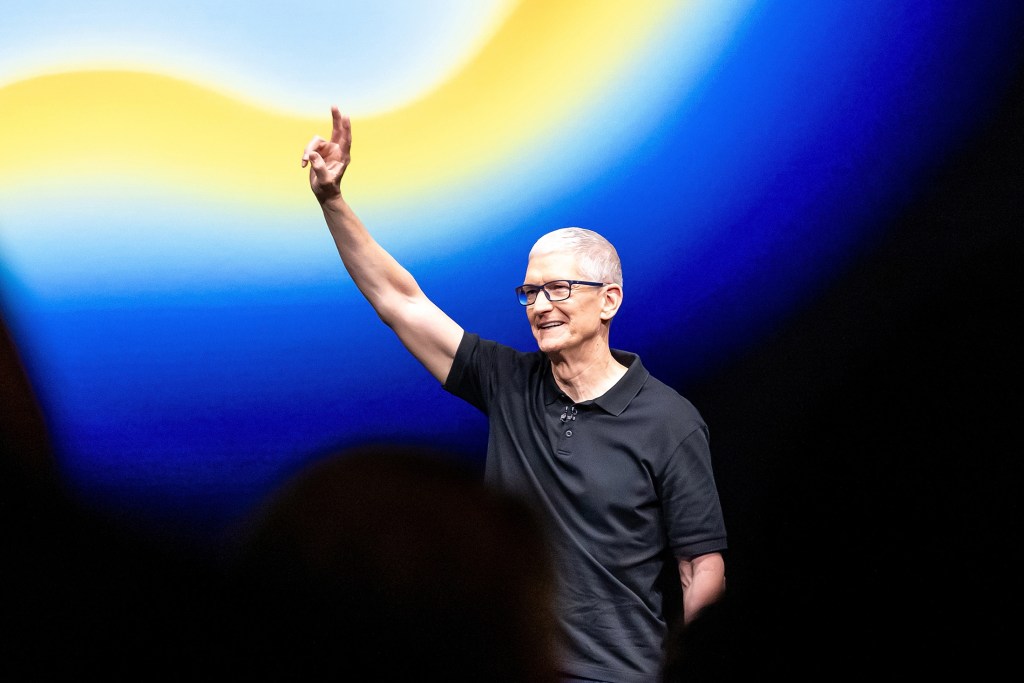
The appointment of John Ternus as the next CEO signals a strategic choice for continuity and a renewed emphasis on Apple’s foundational strength in hardware engineering. Ternus, who has been with Apple since 2001, is a respected veteran within the company, known for his deep technical expertise, meticulous attention to detail, and collaborative leadership style.
A Seasoned Veteran Rises
Ternus’s career at Apple spans over two decades, during which he has played pivotal roles in the development of nearly every major hardware product line. As the head of hardware engineering, a position he has held since 2021, he has been directly responsible for overseeing the design and development of critical products including the iPhone, iPad, Mac, AirPods, and more recently, the Vision Pro. His tenure in this role has given him an intimate understanding of Apple’s product roadmap, engineering processes, and global supply chain intricacies. He is known for his calm demeanor, his ability to manage complex engineering teams, and his commitment to Apple’s design philosophy and quality standards. Insiders describe Ternus as a "product person" through and through, deeply ingrained in the culture of innovation and perfection that defines Apple.
The Road Ahead: Challenges and Opportunities for the New CEO
Ternus steps into one of the most high-profile CEO roles in the tech industry with a mix of formidable challenges and exciting opportunities.
- Maintaining Innovation: The primary challenge will be to sustain Apple’s reputation for groundbreaking innovation in increasingly mature markets, particularly for the iPhone. This will require pushing the boundaries of existing technologies and successfully introducing new product categories that capture market imagination, potentially in areas like augmented reality, artificial intelligence, and autonomous systems.
- Navigating Regulatory Headwinds: Apple faces intensifying antitrust scrutiny globally, from governments and regulatory bodies concerned about its App Store policies, market dominance, and data practices. Ternus will need to expertly navigate these complex legal and political landscapes while protecting Apple’s business model.
- Geopolitical Complexities: Managing Apple’s vast global supply chain, heavily reliant on manufacturing in Asia, will continue to be a significant challenge amid ongoing trade tensions and geopolitical shifts. Diversification and risk mitigation strategies will be paramount.
- Balancing Hardware and Services: While Cook successfully diversified into services, Ternus will need to ensure continued growth in both hardware sales and the services ecosystem, finding new synergies and revenue streams.
- Succession from an Iconic Leader: Although Cook will remain as executive chairman, Ternus will still face the psychological challenge of stepping out of the shadow of a highly successful and beloved CEO. His leadership style and strategic decisions will inevitably be compared to his predecessor.
Conversely, Ternus inherits a company with immense resources, a fiercely loyal customer base, and a powerful brand. Opportunities abound in expanding the Vision Pro platform, integrating AI more deeply across Apple’s ecosystem, and exploring new growth markets. His engineering background positions him well to lead Apple’s next phase of technological advancements.
The Transition and Cook’s New Role
The five-month transition period, from April to September 2026, is crucial. It provides Ternus ample time to prepare for the immense responsibilities of the CEO role, working closely with Cook and the executive leadership team. This structured handover is characteristic of Apple’s methodical approach to major corporate changes, minimizing disruption and ensuring a smooth transfer of authority.
Executive Chairman: Continuity and Counsel
Tim Cook’s move to executive chairman is not merely a ceremonial retirement but a strategic appointment designed to provide ongoing leadership and institutional memory. In this role, Cook will likely focus on high-level strategic initiatives, board governance, investor relations, and mentorship for Ternus. His continued presence on the board will offer invaluable guidance, particularly in navigating complex industry challenges and maintaining Apple’s long-term vision. This arrangement suggests a desire for both continuity and measured evolution, allowing Ternus the autonomy to lead while benefiting from Cook’s unparalleled experience. It ensures that Apple’s strategic direction remains aligned with the principles that have driven its success over the past decade and a half.
Market Sentiment and Industry Impact
The announcement has been met with a largely positive and confident reaction from financial markets and industry analysts. The planned nature of the transition, coupled with Cook’s continued involvement as executive chairman, has assuaged fears of instability. Apple’s stock price showed resilience, reflecting investor confidence in both Cook’s legacy and Ternus’s capabilities.
Investor Confidence and Analyst Perspectives
Many analysts view Ternus as a safe and logical choice, given his long tenure, deep product knowledge, and alignment with Apple’s core values. Analysts from major financial institutions quickly issued notes emphasizing Apple’s robust financial health, strong product pipeline, and the smooth transition plan. They project that while Ternus might bring a slightly different emphasis, particularly on hardware innovation and engineering excellence, the fundamental strategic direction of Apple is unlikely to undergo radical shifts in the immediate future. The services segment and new product categories like Vision Pro are expected to remain key pillars of growth.
Shaping the Future of Tech Leadership
This transition also has broader implications for the tech industry. It underscores the challenges of succession planning in founder-driven companies and how to successfully transition leadership while maintaining a culture of innovation. Cook’s successful tenure, following Jobs, provides a powerful case study in how a CEO can build upon a visionary founder’s legacy and drive a company to even greater heights. Ternus’s appointment, an internal promotion of a seasoned engineer, reinforces Apple’s commitment to nurturing talent from within and prioritizing deep product expertise in its leadership. This move could influence other tech giants grappling with similar succession dilemmas, favoring internal candidates with proven track records over external hires.
A Brief Chronology of Key Events
- 2001: John Ternus joins Apple.
- August 24, 2011: Tim Cook assumes the role of CEO from co-founder Steve Jobs.
- 2015: Apple Watch is launched, marking a significant entry into wearables.
- 2016: AirPods are introduced, redefining the wireless earbud market.
- 2019: Apple TV+ and Apple Arcade launch, significantly expanding Apple’s services offerings.
- 2021: John Ternus is promoted to Senior Vice President of Hardware Engineering.
- 2023: Apple unveils the Vision Pro, its first major new product category in years.
- April 20, 2026: Tim Cook announces his decision to step down as CEO.
- September 2026: John Ternus officially assumes the role of Apple CEO; Tim Cook transitions to Executive Chairman.
The changing of the guard at Apple is more than just a corporate leadership transition; it is a moment that reflects the evolution of a company that has consistently shaped the digital world. Tim Cook’s departure from the CEO role marks the end of an extraordinary era of growth, diversification, and responsible corporate citizenship. As John Ternus prepares to take the helm, the technology world watches keenly, anticipating how Apple will continue to innovate and influence global markets under its new, yet deeply familiar, leadership. The stage is set for the next chapter of Apple’s remarkable journey, guided by a blend of continuity and a fresh perspective from its engineering core.