
Teen Skin Care Tips
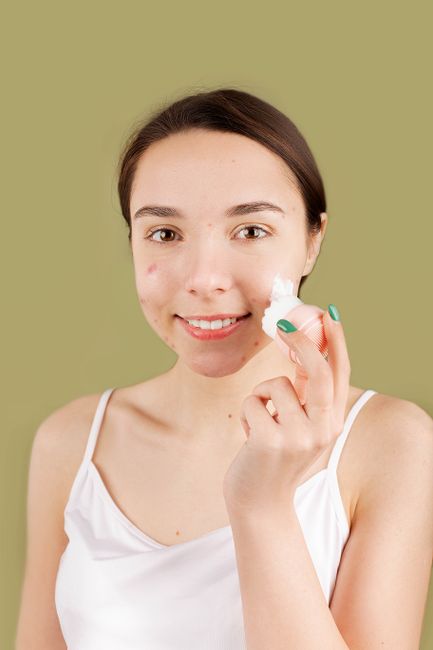
Teen Skin Care: A Comprehensive Guide to Acne, Oil Control, and Healthy Complexions
Teenage years are characterized by significant hormonal shifts, directly impacting the skin. These fluctuations often lead to increased oil production, enlarged pores, and the unwelcome appearance of acne. Understanding the specific needs of adolescent skin is crucial for developing effective skincare routines that address these common concerns while promoting long-term skin health. This comprehensive guide will delve into the core principles of teen skincare, covering everything from cleansing and moisturizing to targeted treatments for acne and hyperpigmentation, alongside essential lifestyle factors that contribute to a clear and radiant complexion.
Cleansing: The Foundation of Teen Skincare
Effective cleansing is paramount for teenagers, serving as the initial step in removing excess oil, dirt, makeup, and environmental pollutants that can clog pores and trigger breakouts. The choice of cleanser is critical. Opt for gentle, non-comedogenic formulas that won’t strip the skin of its natural oils, as this can paradoxically lead to increased oil production as the skin attempts to rehydrate. Foaming cleansers are often suitable for oily and acne-prone skin due to their ability to effectively lift away sebum. However, individuals with drier or more sensitive skin may find cream or gel-based cleansers to be less drying. Look for ingredients like salicylic acid (a beta-hydroxy acid, or BHA) in cleansers designed for acne-prone skin. Salicylic acid is oil-soluble, meaning it can penetrate deep into pores to exfoliate and dissolve the sebum and dead skin cells that contribute to breakouts. Benzoyl peroxide, another potent acne-fighting ingredient, can also be found in some cleansers, though it’s often more effective in spot treatments or leave-on products due to its potential for irritation. The cleansing process should be performed twice daily: once in the morning to remove overnight sebum buildup and any residual product from the night before, and again in the evening to thoroughly cleanse the skin of the day’s accumulated impurities. Avoid harsh scrubbing motions, which can irritate the skin and exacerbate inflammation. Instead, use fingertips to gently massage the cleanser onto damp skin in a circular motion. Rinse thoroughly with lukewarm water, as hot water can strip the skin and contribute to redness. Pat the skin dry with a clean, soft towel; avoid rubbing.
Toning: Rebalancing and Prepping the Skin
While sometimes overlooked, toners play a significant role in a comprehensive teen skincare routine. After cleansing, the skin’s pH balance can be disrupted. Toners help to restore the skin’s natural acidic pH, which is essential for a healthy skin barrier. For oily and acne-prone skin, toners containing ingredients like witch hazel or salicylic acid can offer additional benefits. Witch hazel is a natural astringent with anti-inflammatory properties that can help to reduce redness and control oil. Salicylic acid in toner form can provide ongoing exfoliation and pore-clearing benefits. Alcohol-based toners should generally be avoided by teenagers, as they can be excessively drying and irritating, potentially leading to rebound oiliness. Instead, choose alcohol-free formulations. Toners can also help to remove any residual traces of cleanser and prepare the skin to better absorb subsequent skincare products, such as serums and moisturizers. Apply toner to a cotton pad and gently sweep it across the face and neck, avoiding the eye area. Allow the toner to air dry before proceeding to the next step in the routine.
Moisturizing: Hydration for All Skin Types
Despite common misconceptions, moisturizing is crucial for teenagers, even those with oily or acne-prone skin. Stripping the skin of moisture through harsh cleansing or by skipping moisturizer altogether can signal the sebaceous glands to produce even more oil, creating a vicious cycle. The key is to choose the right type of moisturizer. For oily skin, lightweight, oil-free, and non-comedogenic gel or lotion formulations are ideal. These provide essential hydration without feeling heavy or clogging pores. Ingredients like hyaluronic acid are excellent humectants, drawing moisture from the environment into the skin without adding oil. For combination skin, a lighter moisturizer can be applied to oily areas (like the T-zone) and a slightly richer one to drier patches. Even dry or sensitive teen skin can benefit from a gentle, fragrance-free moisturizer that replenishes moisture without causing irritation. Sunscreen, as a vital component of daytime moisturizing, will be discussed in its own dedicated section. Applying moisturizer twice daily, after cleansing and toning, is recommended to maintain optimal skin hydration and support the skin barrier.
Acne Treatment: Targeted Solutions for Breakouts
Acne is the most prevalent skin concern among teenagers, stemming from a combination of factors including excess sebum production, dead skin cell accumulation, bacteria (Propionibacterium acnes), and inflammation. Addressing acne requires a multi-faceted approach involving both over-the-counter (OTC) treatments and, in more severe cases, prescription medications.
Over-the-Counter Treatments:
- Benzoyl Peroxide: This ingredient is a potent antibacterial agent that works by killing acne-causing bacteria and helping to unclog pores. It is available in various concentrations, typically ranging from 2.5% to 10%. Start with a lower concentration to minimize potential dryness and irritation. Benzoyl peroxide can be found in cleansers, spot treatments, and leave-on lotions. It’s important to note that benzoyl peroxide can bleach fabrics, so caution should be exercised.
- Salicylic Acid (BHA): As mentioned earlier, salicylic acid is a beta-hydroxy acid that exfoliates the skin from within the pore. It effectively dissolves sebum and dead skin cells, preventing pore blockages. Salicylic acid is generally well-tolerated and is available in cleansers, toners, serums, and spot treatments.
- Sulfur: Sulfur has mild antibacterial and anti-inflammatory properties. It can help to dry out pimples and reduce redness. Sulfur is often found in spot treatments and masks, and it has a characteristic odor.
- Retinoids (e.g., Adapalene): Adapalene, such as in Differin Gel, is now available over-the-counter in some regions. It is a retinoid that helps to regulate cell turnover, prevent pore clogging, and reduce inflammation. It is highly effective but can cause initial dryness, peeling, and increased sun sensitivity. It is crucial to start with a small amount and use it consistently.
Application of OTC acne treatments should ideally be done after cleansing and before moisturizing. Spot treatments should be applied directly to individual blemishes. For more widespread acne, a thin layer of a leave-on treatment can be applied to the affected areas. Consistency is key; it may take several weeks of regular use to see significant improvement.
Prescription Treatments:
For moderate to severe acne, or when OTC treatments are ineffective, a dermatologist may prescribe stronger medications. These can include:
- Topical Prescription Retinoids: Tretinoin, adapalene (at higher strengths), and tazarotene are more potent than their OTC counterparts and are highly effective in treating acne.
- Topical Antibiotics: Clindamycin and erythromycin can help to reduce the bacteria contributing to acne and decrease inflammation. They are often used in combination with other treatments to prevent antibiotic resistance.
- Oral Antibiotics: For severe inflammatory acne, oral antibiotics like doxycycline or minocycline may be prescribed to reduce bacteria and inflammation throughout the body.
- Hormonal Therapies: For females, birth control pills or spironolactone can help to regulate hormones that contribute to acne.
- Isotretinoin (Accutane): This is a powerful oral retinoid reserved for severe, recalcitrant acne that has not responded to other treatments. It is highly effective but comes with significant potential side effects and requires close medical monitoring.
Sun Protection: The Non-Negotiable Step
Sunscreen is not an optional step in a teen skincare routine; it is absolutely non-negotiable. The sun’s ultraviolet (UV) radiation is a primary cause of premature aging, including wrinkles, sunspots, and loss of skin elasticity. Furthermore, UV rays can worsen hyperpigmentation, a common concern for teenagers who have experienced acne. Daily application of a broad-spectrum sunscreen with an SPF of 30 or higher is essential, even on cloudy days or when indoors near windows. For acne-prone skin, opt for oil-free, non-comedogenic formulations, often labeled as "matte" or "for oily skin." Mineral sunscreens containing zinc oxide and titanium dioxide are often a good choice for sensitive or acne-prone skin as they are less likely to cause irritation. Apply sunscreen generously as the last step in your morning skincare routine. Reapplication every two hours, especially after sweating or swimming, is crucial for maintaining adequate protection. Educating teens about the long-term consequences of sun damage can foster a habit of daily sunscreen use.
Exfoliation: Removing Dead Skin Cells for a Brighter Complexion
Exfoliation is the process of removing dead skin cells from the surface of the skin, which can lead to a dull complexion and clogged pores. Teenagers, particularly those with oily or acne-prone skin, can benefit greatly from regular exfoliation. There are two main types of exfoliation:
- Chemical Exfoliation: This involves using acids to break down the bonds between dead skin cells. Common chemical exfoliants include alpha-hydroxy acids (AHAs) like glycolic acid and lactic acid, and beta-hydroxy acids (BHAs) like salicylic acid. AHAs are water-soluble and work on the skin’s surface, improving texture and brightness. BHAs, as previously discussed, are oil-soluble and penetrate pores, making them particularly effective for acne.
- Physical Exfoliation: This involves using a scrub or brush to manually remove dead skin cells. While some find physical exfoliants satisfying, they can be too harsh for sensitive or inflamed acne-prone skin, potentially causing micro-tears and exacerbating redness and irritation. If opting for a physical exfoliant, choose one with very fine, smooth particles and use it gently.
For teenagers, chemical exfoliation is often preferred due to its ability to target pore congestion and reduce inflammation more effectively. Incorporate exfoliation into your routine 1-3 times per week, depending on your skin’s tolerance. Over-exfoliation can lead to a compromised skin barrier, increased sensitivity, and breakouts. Always follow exfoliation with moisturizer to rehydrate the skin.
Managing Oily Skin: Beyond Cleansing
Oily skin is a hallmark of adolescence, and managing it effectively requires more than just rigorous cleansing. While oil-free and non-comedogenic products are essential, consider incorporating ingredients that help regulate sebum production. Niacinamide (Vitamin B3) is a versatile ingredient that can help to improve skin texture, reduce inflammation, and regulate oil production without drying the skin. It is often found in serums and moisturizers. Clay masks, particularly those containing kaolin or bentonite clay, can be beneficial for absorbing excess oil and impurities from the pores. Use clay masks once or twice a week, allowing them to work for 10-15 minutes before rinsing thoroughly. blotting papers can be a lifesaver for absorbing excess oil throughout the day without disturbing makeup or irritating the skin.
Dealing with Post-Inflammatory Hyperpigmentation (PIH)
Acne can leave behind dark spots, known as post-inflammatory hyperpigmentation (PIH). These are not scars but rather residual pigment that can take months to fade. Teenagers can address PIH with targeted treatments:
- Vitamin C Serums: Vitamin C is a potent antioxidant that can help to brighten the skin and fade dark spots by inhibiting melanin production. Look for stable forms of Vitamin C in serums.
- Niacinamide: As mentioned, niacinamide also has skin-brightening properties and can help to reduce the appearance of PIH.
- AHAs and BHAs: Regular chemical exfoliation with AHAs and BHAs can help to speed up the shedding of pigmented skin cells.
- Sunscreen: Diligent sun protection is paramount for preventing PIH from worsening and for allowing existing dark spots to fade. UV exposure darkens existing PIH.
It’s important to be patient with PIH treatments, as fading can take time. Avoiding picking at acne is the best way to prevent PIH from forming in the first place.
Lifestyle Factors: The Holistic Approach to Healthy Skin
Skincare products are only one piece of the puzzle when it comes to achieving and maintaining healthy skin. Lifestyle factors play a significant role:
- Diet: While the direct link between specific foods and acne is debated, a balanced diet rich in fruits, vegetables, and whole grains is crucial for overall health, including skin health. Limiting processed foods, excessive sugar, and dairy may be beneficial for some individuals prone to breakouts. Staying hydrated by drinking plenty of water is also essential for maintaining skin elasticity and flushing out toxins.
- Sleep: Adequate sleep (7-9 hours per night) is vital for skin repair and regeneration. During sleep, the body produces growth hormones that help to repair damaged skin cells. Chronic sleep deprivation can lead to increased inflammation and stress hormones, which can exacerbate acne.
- Stress Management: Stress can trigger hormonal changes that lead to increased oil production and breakouts. Implementing stress-management techniques such as exercise, meditation, yoga, or engaging in hobbies can have a positive impact on skin health.
- Hygiene: Regularly washing hands, especially before touching the face, is important to prevent the transfer of bacteria. Changing pillowcases frequently can also help to reduce the accumulation of oil and bacteria that can contribute to breakouts. Avoid touching your face unnecessarily.
Conclusion: Building a Sustainable Skincare Routine
Establishing a consistent and effective skincare routine during adolescence is an investment in long-term skin health. The key is to understand your individual skin type and concerns and to select products that address them without causing irritation or dryness. Cleansing, moisturizing, and sun protection form the bedrock of any routine. For acne-prone skin, targeted treatments like salicylic acid and benzoyl peroxide, coupled with patience and consistency, can yield significant results. Addressing hyperpigmentation with ingredients like Vitamin C and niacinamide, and prioritizing lifestyle factors such as diet, sleep, and stress management, further contribute to a clear, healthy, and radiant complexion. Consulting a dermatologist can provide personalized guidance and prescription treatments for more persistent or severe skin issues. By embracing these comprehensive tips, teenagers can navigate the challenges of adolescent skin and build habits that will serve them well into adulthood.
