
The Easiest Doughnuts That Ever Melted In Your Mouth
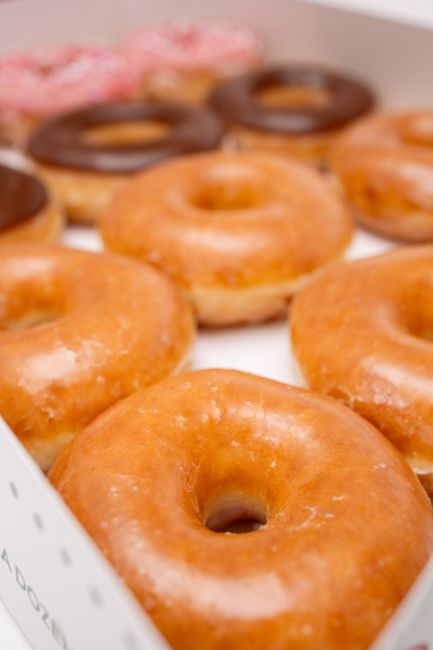
The Easiest Doughnuts That Ever Melted in Your Mouth: A Guide to Effortless Bliss
The pursuit of melt-in-your-mouth doughnuts, often perceived as a culinary Everest, can be surprisingly accessible. This article demystifies the process, focusing on recipes and techniques that prioritize ease without sacrificing that ethereal, dissolving texture. We will explore the fundamental elements contributing to doughnut tenderness, delving into ingredient choices, mixing methods, and crucial cooking parameters. Whether you’re a baking novice or a seasoned enthusiast seeking a shortcut to pure doughnut joy, this guide will equip you with the knowledge to create truly exceptional, incredibly easy doughnuts.
The foundation of any melt-in-your-mouth doughnut lies in its leavening. While yeast-raised doughnuts are the classic choice for their airy crumb and satisfying chew, they can be intimidating due to proofing times and temperature sensitivity. For unparalleled ease and speed, we turn our attention to cake doughnuts. These rely on chemical leaveners like baking powder and baking soda, which react instantly to produce carbon dioxide gas, resulting in a tender, cake-like crumb. The key to their melt-in-your-mouth quality is a carefully balanced ratio of flour, fat, and sugar, combined with a gentle mixing technique that avoids developing gluten excessively. Overmixing cake doughnut batter creates a tough, chewy texture, the antithesis of our melt-in-your-mouth goal. Therefore, the mantra for cake doughnuts is "mix until just combined."
Fat is another indispensable component in achieving a tender, melt-in-your-mouth doughnut. In cake doughnuts, this fat typically comes from butter, shortening, or oil. Butter contributes a rich flavor and contributes to a slightly crisp exterior, while shortening offers unparalleled tenderness and a consistently smooth texture. Vegetable oil, particularly a neutral-flavored one like canola or sunflower oil, can also be a fantastic choice for its ability to produce incredibly moist and tender doughnuts. The type of fat and its incorporation are critical. For cake doughnuts, the fat is usually creamed with sugar or melted and then whisked into the wet ingredients. Creaming butter and sugar incorporates air, contributing to leavening and a lighter texture, while melted fat is simpler and often yields a moister result. For the absolute easiest approach, using melted butter or oil is often preferred as it eliminates the creaming step, speeding up the process significantly. The goal is to coat the flour particles with fat, inhibiting gluten development and resulting in a tender, almost crumbly interior that melts on the tongue.
Sugar plays a dual role in doughnuts. It provides sweetness, of course, but it also contributes to tenderness by interfering with gluten development and attracting moisture. In cake doughnuts, granulated sugar is typically used, and its fineness can impact the final texture. Finer granulated sugar dissolves more readily, contributing to a smoother batter and a more tender result. Brown sugar can also be used, adding a subtle caramel note and a touch more moisture, but for the purest melt-in-your-mouth experience, white granulated sugar often reigns supreme. The amount of sugar is also important; too little can result in a bland, less tender doughnut, while too much can lead to excessive browning and a slightly greasy texture. A well-balanced recipe will strike the perfect harmony between sweetness and tenderness.
The liquid in a cake doughnut batter typically consists of milk, buttermilk, or even yogurt. Milk provides moisture and richness. Buttermilk, with its inherent acidity, reacts with baking soda to produce a lighter, more tender crumb, and also adds a subtle tang that complements the sweetness of the doughnut. Yogurt offers similar benefits to buttermilk, providing acidity and moisture for a luxuriously tender outcome. For the absolute easiest doughnut experience, using readily available ingredients like milk or even water can still yield excellent results, especially when combined with proper leavening and fat. The key is to use just enough liquid to bring the batter together without making it too wet, which can lead to a doughy interior.
When it comes to mixing cake doughnut batter, the less manipulation, the better. The simplest and most effective method is often a "muffin method" approach. This involves combining the dry ingredients (flour, sugar, leavening, salt) in one bowl and the wet ingredients (eggs, fat, liquid) in another. Then, the wet ingredients are poured into the dry, and gently stirred until just combined. Lumps are perfectly acceptable, even desirable, as they indicate minimal gluten development. Overmixing will activate the gluten in the flour, resulting in a tough, chewy doughnut that will stubbornly refuse to melt in your mouth. Imagine trying to fold a cloud – that’s the kind of gentle touch required.
For truly melt-in-your-mouth results, the frying medium and temperature are paramount. The most common and easiest method for home doughnut making is deep-frying. Using a neutral-flavored oil with a high smoke point, such as vegetable, canola, or peanut oil, is essential. The oil should be heated to a consistent temperature, typically between 350°F and 375°F (175°C to 190°C). Too low a temperature will result in oily, greasy doughnuts that absorb too much fat and lack that desirable crisp exterior. Too high a temperature will cause the exterior to brown too quickly before the interior is cooked through, leading to a raw or gummy center. A candy thermometer or an instant-read thermometer is invaluable for maintaining the correct oil temperature. Carefully lowering the doughnuts into the hot oil ensures even cooking and prevents them from sticking together or to the bottom of the pan.
The shape and size of your doughnuts also influence their cooking and texture. While traditional ring doughnuts are iconic, creating them requires a bit more finesse. For ultimate ease and guaranteed even cooking, consider making doughnut holes or simple, unshaped rounds (often called "blasters" or "drops"). These smaller, more uniform shapes cook through quickly and evenly, minimizing the risk of an undercooked center. They also have a higher surface area to volume ratio, which can contribute to a more satisfyingly crisp exterior. The ease of simply dropping spoonfuls of batter into the hot oil makes this the most straightforward approach for achieving melt-in-your-mouth perfection with minimal effort.
A classic, no-fuss cake doughnut recipe that epitomizes ease and melt-in-your-mouth texture often starts with basic pantry staples. Consider a recipe where melted butter is whisked with granulated sugar, an egg, and milk, then gently folded into a dry mixture of all-purpose flour, baking powder, a pinch of nutmeg (for that quintessential doughnut aroma), and salt. The batter should be thick but pourable. For frying, heat vegetable oil to 360°F. Drop spoonfuls of batter into the hot oil, frying for about 2-3 minutes per side, until golden brown. Drain on paper towels and immediately toss in a cinnamon-sugar mixture. The simplicity of this recipe, combined with the tenderizing properties of the fat and the gentle leavening, guarantees a doughnut that dissolves with each bite.
Another remarkably easy approach involves using a pre-made cake mix. While some purists may scoff, a good quality yellow or vanilla cake mix, combined with a few additions, can be a shortcut to melt-in-your-mouth doughnuts. Typically, you’ll need to add eggs, oil, and water or milk. The batter consistency will be similar to a traditional cake batter. Fry these as you would any other cake doughnut, ensuring the oil temperature is correct. The pre-formulated leavening and precise flour ratios in a cake mix contribute to a reliably tender crumb, making this an excellent option for absolute beginners or when time is of the essence. The key here is to not overwork the batter once the wet ingredients are added, mirroring the principles of scratch-made cake doughnuts.
Beyond the basic cake doughnut, consider variations that enhance the melt-in-your-mouth experience. A touch of sour cream or Greek yogurt in the batter can add significant moisture and tenderness. These dairy components provide both fat and acidity, working synergistically with the leavening agents to create an incredibly soft and yielding interior. If you are aiming for the absolute easiest, most forgiving doughnut, these additions are highly recommended. They also introduce a subtle richness that further elevates the sensory experience.
The glaze or coating plays a crucial role in the final perception of melt-in-your-mouth quality. A simple powdered sugar glaze, made by whisking powdered sugar with a small amount of milk or water, can provide a delicate sweetness that doesn’t overpower the doughnut’s texture. For an even more ethereal coating, consider a very thin glaze that dries to a slightly crisp shell, allowing the tender doughnut beneath to shine. Alternatively, a light dusting of powdered sugar is incredibly easy and highlights the doughnut’s inherent softness. A warm cinnamon-sugar coating, as mentioned earlier, provides a delightful textural contrast and a comforting aroma, while still allowing the doughnut’s interior to be the star. Avoid heavy, thick icings that can mask the delicate texture.
For those who want to minimize frying altogether, baked cake doughnuts offer a less greasy, yet still wonderfully tender alternative. While they won’t achieve the same crisp exterior as their fried counterparts, baked doughnuts can still be incredibly melt-in-your-mouth if the recipe is formulated correctly. The key is to use a moist batter, rich in fat, and to bake them in well-greased doughnut pans. Overbaking is the enemy of tender baked doughnuts; aim to remove them from the oven as soon as a toothpick inserted into the center comes out with moist crumbs attached. These baked versions often benefit from a rich glaze or topping to compensate for the lack of a fried crust, further enhancing that melt-in-your-mouth sensation.
Understanding the science behind a tender doughnut is key to achieving that melt-in-your-mouth texture. Gluten, formed when flour is mixed with liquid, provides structure. However, excessive gluten development leads to chewiness. Factors that inhibit gluten development include fat (which coats flour particles), sugar (which competes for water), and acidic ingredients like buttermilk or sour cream. Leavening agents, such as baking powder and baking soda, produce gas bubbles that create air pockets within the batter, contributing to lightness and tenderness. The cooking method – whether frying or baking – and its temperature are critical. Rapid cooking, especially in hot oil, seals the exterior quickly, trapping moisture within and contributing to a tender interior.
In summary, creating doughnuts that melt in your mouth is not an insurmountable culinary challenge. By focusing on simple cake doughnut recipes, employing gentle mixing techniques, utilizing appropriate fats, and mastering the art of controlled frying (or baking), you can achieve unparalleled tenderness with remarkable ease. The magic lies in understanding the fundamental principles of baking and applying them with a minimalist approach. These are the doughnuts that disappear on your tongue, leaving behind only a sweet, comforting memory. Their ease of preparation is matched only by the sheer delight they bring to the palate, proving that the simplest pleasures are often the most profound. The goal is to achieve a light, airy, and tender crumb that yields effortlessly with each bite, a testament to uncomplicated ingredients and straightforward execution.
