
Would You Grab The Camera Or Cry
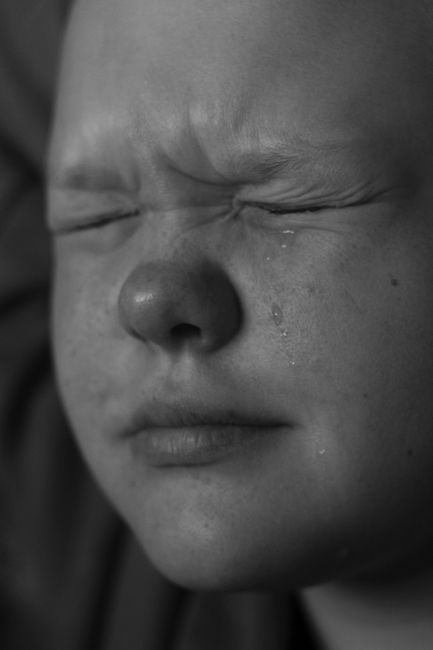
Would You Grab the Camera or Cry? Mastering the Art of Documenting Life’s Intense Moments
The question, "Would you grab the camera or cry?" cuts to the core of our primal instincts and ingrained societal responses to overwhelming experiences. It’s a dichotomy that pits our rational, observational selves against our deeply emotional, reactive natures. In a world saturated with visual media, the impulse to document, to capture, to preserve, is stronger than ever. Yet, the sheer intensity of certain moments – be it profound joy, devastating loss, or exhilarating triumph – can render us speechless, frozen, or utterly consumed by emotion. Understanding this internal conflict is not just a philosophical exercise; it’s a crucial step in developing resilience, fostering connection, and even finding meaning in the chaos of life.
The urge to grab the camera, or its modern equivalent, the smartphone, stems from a deeply human desire for remembrance and validation. We live in an era where experiences are often perceived as less real, less impactful, if they are not shared or recorded. This phenomenon, sometimes termed the "documentation imperative," is fueled by social media’s constant demand for content, but its roots run deeper. Memory is fallible; it fades, distorts, and embellishes. A photograph or video, however imperfect, offers a tangible anchor to a fleeting moment. It’s a way to revisit, to analyze, and to prove that something extraordinary, or even ordinary, actually happened. For parents witnessing a child’s first steps, for artists seeing their masterpiece unveiled, for individuals surviving a life-threatening event, the camera becomes an extension of their hand, a tool to solidify the present against the inevitable erosion of time.
Conversely, the instinct to cry is an immediate, visceral response to overwhelming stimuli, both positive and negative. Tears are a biological and psychological release valve. They signal vulnerability, pain, joy, or empathy. In moments of acute emotional distress, the physical act of crying can be cathartic, allowing for the processing of emotions that are too potent to be contained otherwise. Imagine witnessing a car accident, receiving life-altering news, or experiencing the birth of a child. In these scenarios, the raw, unadulterated emotional response often takes precedence over any reasoned action. The camera might be forgotten, the impulse to document eclipsed by the sheer force of feeling. This is not a sign of weakness, but rather a testament to our capacity for deep emotional engagement.
The interplay between these two impulses is complex and often context-dependent. Factors such as personality, past experiences, cultural norms, and the specific nature of the event all influence which response dominates. Some individuals are naturally more inclined to observe and record, possessing a detached curiosity that allows them to maintain composure even in extreme situations. Others are more immediately attuned to their internal emotional landscape, their reactions to events being primarily driven by feeling. Furthermore, our upbringing and the societal narratives we absorb play a significant role. We are taught to celebrate milestones with photos, to mourn losses with heartfelt expressions, and to document achievements for posterity.
However, the "camera or cry" dilemma also presents a nuanced spectrum, rather than a stark binary. It’s not always an either/or situation. Many people find themselves somewhere in between, perhaps fumbling for their phone with trembling hands, or letting out a choked sob while still attempting to capture a fleeting image. The act of documenting can itself be a coping mechanism, a way to create distance from an overwhelming experience, to process it through an external lens. Similarly, the act of crying can sometimes be accompanied by the desire to capture the raw emotion, to document the vulnerability for later reflection or sharing.
The rise of smartphone technology has blurred these lines considerably. Our cameras are always on us, always accessible. This ubiquity has normalized the impulse to document almost every moment. However, this constant barrage of captured experiences can also lead to a desensitization, a devaluing of individual moments. When everything is photographed, what truly stands out? The pressure to curate a perfect, visually appealing life online can also lead to a disconnect between lived experience and documented representation. The tears shed in private are rarely captured; only the smiles, the triumphs, and the aesthetically pleasing moments make it to our digital albums.
The ethical implications of documenting intense moments are also worth considering. In situations of crisis or distress, the act of filming without consent can be exploitative and deeply intrusive. While the desire to bear witness is understandable, it must be balanced with respect for the privacy and dignity of those involved. The "documentation imperative" can, at times, overshadow empathy and ethical considerations, leading to a voyeuristic approach to suffering. This is where the "cry" instinct, the empathetic response, becomes paramount. Recognizing when to put the camera down and simply be present, to offer support, or to share in the raw human experience, is a sign of emotional maturity and ethical awareness.
For individuals who lean towards the "grab the camera" response, it’s important to cultivate an awareness of their emotional state. While documenting can be a valuable tool, it should not become a substitute for genuine emotional engagement. The act of recording should not preclude the experience itself. The risk is that we become so focused on capturing the moment that we fail to fully live it. Developing techniques for mindful observation, for allowing emotions to flow while still maintaining a degree of presence, can be beneficial. This might involve setting intentions before entering a significant event, or practicing self-awareness throughout the experience.
Conversely, for those who tend to be overwhelmed by emotion and lean towards crying, the "grab the camera" impulse might represent a way to regain a sense of control or agency. Documenting can provide a structured way to process intense feelings. However, it’s also important to acknowledge the value of uninhibited emotional expression. Learning to embrace vulnerability, to allow oneself to feel deeply without immediate need for external validation or documentation, is essential for emotional well-being. This might involve finding safe spaces and trusted individuals with whom to share raw emotions, or engaging in practices that foster emotional release.
Ultimately, the question of whether to grab the camera or cry is not about choosing one over the other, but about developing a nuanced and adaptable response to life’s most impactful events. It’s about understanding our internal cues, recognizing the context of the situation, and making conscious choices that align with our values. The ideal scenario is often a harmonious integration of both impulses. Imagine witnessing a breathtaking sunset, a moment of profound connection with a loved one, or a significant personal achievement. In such instances, the joy might bring tears to your eyes, and simultaneously, the urge to capture this beauty and emotion would be natural. The smartphone becomes a conduit for both expression and remembrance, allowing us to hold onto the essence of the experience.
Developing this integrated approach requires self-awareness and practice. It involves a willingness to reflect on our reactions to different situations. Were we too quick to document and miss the emotional core? Did we allow ourselves to be completely consumed by emotion and forget to capture a memory that might have brought comfort later? There are no universally right or wrong answers, only personal growth and adaptation.
Furthermore, the act of observing and documenting can inform our emotional processing. By reviewing photographs or videos of past intense moments, we can gain new perspectives, identify patterns in our emotional responses, and even find solace or inspiration. The camera, when used thoughtfully, can be a tool for self-discovery and healing. Similarly, allowing ourselves to cry, to feel the full spectrum of human emotion, can make the captured moments even more poignant and meaningful. The tears that accompany a photograph of a loved one lost are not a sign of failure to document, but a testament to the depth of love that the documentation now preserves.
In conclusion, the dichotomy of "grab the camera or cry" is a powerful metaphor for the human experience in the face of intensity. It highlights the tension between our rational, observational selves and our deeply emotional, reactive natures. By understanding the underlying motivations for each impulse, acknowledging the spectrum of responses, and developing a mindful, integrated approach, we can learn to navigate life’s most profound moments with greater awareness, resilience, and authenticity. The goal is not to eliminate one impulse in favor of the other, but to cultivate a sophisticated and compassionate response that allows us to both fully experience and meaningfully preserve the tapestry of our lives. This art of documentation, intertwined with emotional intelligence, allows us to not only witness life but to truly embrace it, in all its raw, beautiful, and sometimes tear-inducing glory.
